

Gripping Tools
Pay in 3 interest-free payments on purchases from £30-2000 with  . Learn more.
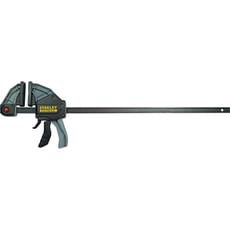
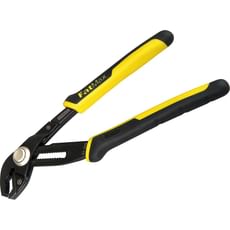
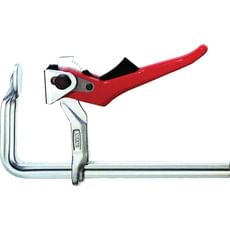
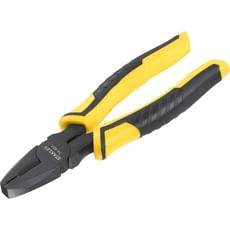
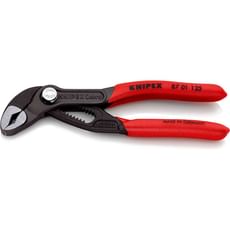
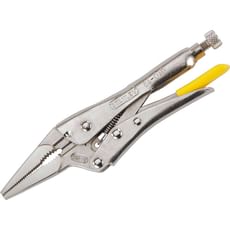
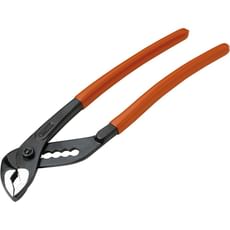
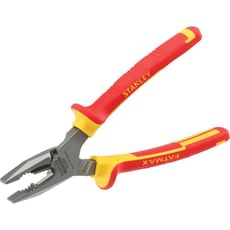
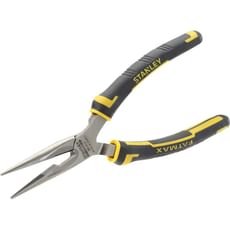
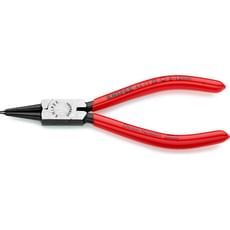
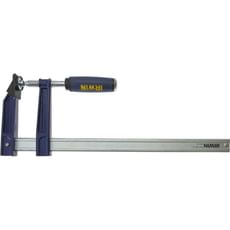
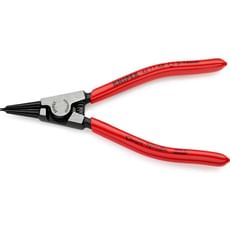
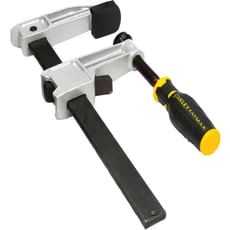
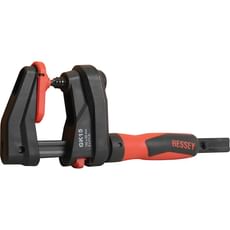
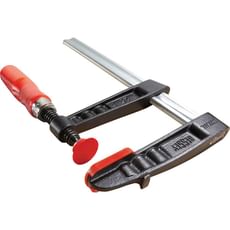
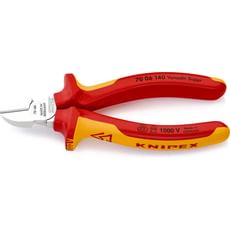
 Loading...
End of content
Error - No more pages to load
About Gripping Tools
Gripping tools form the backbone of any professional toolkit, encompassing an extensive range of equipment designed to hold, clamp, manipulate, cut, and secure materials across countless applications. From precision tweezers for delicate electronics work to heavy-duty clamps for construction projects, these versatile tools enable tradespeople and DIY enthusiasts to work with greater control, accuracy, and efficiency. The category includes traditional hand tools like pliers and pincers alongside modern innovations such as multi-tools and specialised suction grippers, each engineered to solve specific challenges in metalwork, woodworking, electrical installation, automotive repair, and general maintenance.
The gripping tools collection at Tooled-Up.com features products from industry-leading manufacturers including Knipex, Bahco, Stanley, and Wera, ensuring access to the quality and reliability that professional tradespeople demand. Whether you're an electrician requiring VDE-insulated pliers that comply with UK safety standards, a carpenter needing robust clamps for furniture assembly, or a plumber working with pipework installations, the selection spans all trades and skill levels. Modern gripping tools benefit from advanced materials like chrome vanadium steel, ergonomic handle designs that reduce hand fatigue, and innovative mechanisms that multiply gripping force through compound leverage systems.
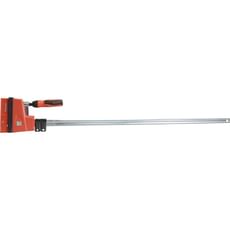
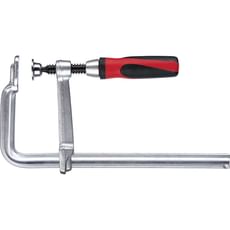
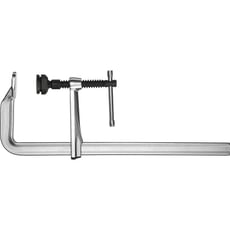
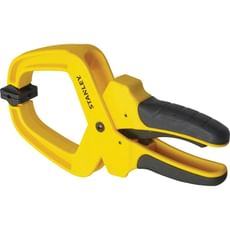
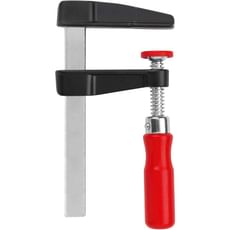
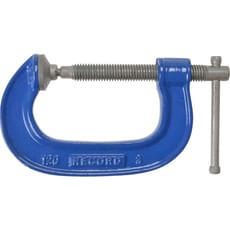
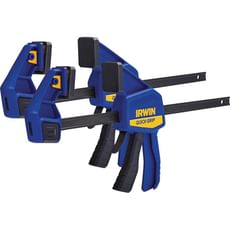
Understanding the different types of gripping tools available helps you build a comprehensive toolkit matched to your specific requirements. Clamps provide secure holding during gluing, cutting, or assembly work; multi-tools pack numerous functions into compact, site-ready formats; pincers excel at extraction and cutting tasks; pliers offer versatile gripping, bending, and manipulation capabilities; suction grippers enable safe handling of glass and smooth materials; whilst tweezers deliver the precision control essential for electronics and fine detail work. Investing in quality gripping tools not only improves work results but also enhances safety and reduces the physical strain associated with repetitive manual tasks.
Jargon Buster
- Jaw Capacity
- The maximum opening width of pliers, clamps, or grippers, typically measured in millimetres. This specification determines the largest material diameter or thickness the tool can accommodate, with general trade work typically requiring 35-50mm capacity whilst specialised applications may need significantly more or less.
- VDE Certification
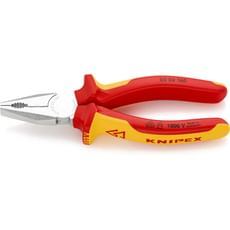
- A German safety standard recognised throughout the UK and Europe indicating that tools have been tested and approved for live electrical work up to 1,000V AC or 1,500V DC. Essential for electricians working with 240v mains voltage, VDE-certified tools feature insulated handles that protect against electric shock.
- Compound Leverage
- A mechanical advantage system used in cutting pliers, bolt cutters, and heavy-duty grippers that multiplies the force applied at the handles. This engineering principle enables easier cutting through tough materials like wire, cable, bolts, and fixings without requiring excessive hand strength.
- Chrome Vanadium Steel
- A high-quality alloy commonly used in professional-grade gripping tools, offering excellent strength, durability, and resistance to wear and corrosion. Often abbreviated as Cr-V or CrV on tool specifications, this material maintains sharp cutting edges and withstands the rigours of daily site work.
- Locking Mechanism
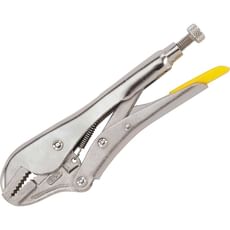
- A feature found on locking pliers (sometimes called mole grips or vice grips) that allows the tool to clamp onto materials and maintain grip without continuous hand pressure, freeing up both hands for other tasks such as welding, drilling, or positioning components.
- Ergonomic Grip
- Handle design that follows the natural contours of the hand, often featuring soft-touch materials, cushioned zones, or carefully shaped profiles to reduce fatigue and improve comfort during prolonged use. Particularly important for tradespeople using tools throughout the working day.
Who Uses Gripping Tools?
Gripping tools are indispensable across numerous trades and applications:
- Electricians and Sparkies - VDE-insulated pliers, wire strippers, and precision tweezers for safe electrical installations and repairs at 240v mains voltage
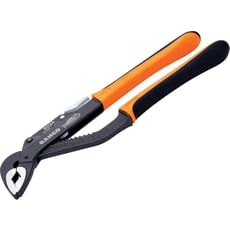
- Plumbers and Heating Engineers - Water pump pliers, pipe clamps, and locking grips for pipework fitting and installation work
- Carpenters and Joiners - G-clamps, quick-release clamps, and multi-tools for securing timber during cutting, gluing, and assembly operations
- Motor Mechanics and Vehicle Technicians - Long-nose pliers, circlip pliers, and extraction tools for automotive repair and maintenance tasks
- Engineers and Fabricators - Heavy-duty clamps, welding grips, and metalworking pliers for manufacturing and construction projects
- Maintenance Teams and Facilities Managers - General-purpose pliers and versatile multi-tools for day-to-day repairs across commercial premises
- Electronics Technicians - Precision tweezers and micro pliers for delicate component handling and PCB assembly work
- DIY Enthusiasts and Home Improvers - Multi-tools and basic plier sets for household repairs, furniture assembly, and improvement projects
- Glaziers and Window Fitters - Suction grippers for safe handling of glass panels, sealed units, and large sheet materials
- Sheet Metal Workers - Seaming pliers, folding tools, and specialist grips for metalwork fabrication and installation
How to Choose the Right Gripping Tools
Application and Trade Requirements: Consider your specific tasks and working environment. Electricians must prioritise VDE-insulated tools that comply with UK electrical safety regulations when working with 240v circuits, whilst carpenters need clamps with sufficient jaw capacity and clamping force for their typical timber dimensions. Multi-tools from brands like Bahco and Wera offer excellent versatility for general maintenance work but may lack the specialisation required for specific trade applications.
Material Quality and Construction: Professional-grade tools from manufacturers like Knipex, Bahco, and Wera typically use chrome vanadium steel or similar high-quality alloys that resist wear and maintain sharp cutting edges under heavy use. Cheaper alternatives may suffice for occasional DIY applications, but tradespeople relying on daily tool performance should invest in quality that withstands site conditions, repeated use, and the inevitable knocks and drops that occur on busy job sites.
Ergonomics and Comfort: If you're using gripping tools throughout the working day, ergonomic handles with cushioned grips significantly reduce hand fatigue and the risk of repetitive strain injuries. Tools designed with HSE guidelines for hand tool ergonomics help maintain productivity whilst protecting long-term health. Consider handle length, grip diameter, and weight distribution, particularly for tools you'll use repeatedly.
Size and Jaw Capacity: Match tool size to your typical materials. Compact pliers (150-180mm) suit electronics and precision work, whilst heavy-duty applications require longer handles (200-300mm) for increased leverage. Check jaw capacity specifications against your standard material thicknesses—general trade work typically needs 35-50mm capacity, whilst plumbers often require adjustable grips opening to 80mm or more for pipework.
Safety Certifications: For electrical work, only use tools with proper VDE or equivalent insulation certification tested to 1,000V. For general applications, look for tools meeting relevant BS EN standards. The HSE provides comprehensive guidance on selecting appropriate hand tools for different applications, and compliance protects both your safety and professional liability.
Storage and Organisation: Consider how your gripping tools will be stored and transported between jobs. Tool rolls protect individual tools whilst keeping them organised, whilst foam inserts for toolboxes prevent movement and damage. Modular storage systems like Stanley FatMax, DeWalt TSTAK, and Milwaukee PACKOUT allow you to build customised tool transportation solutions that integrate with your existing equipment.
Popular Accessories
- Tool Rolls and Storage Cases - Protect and organise multiple gripping tools in portable fabric rolls or hard cases with individual pockets
- Replacement Jaws and Pads - Soft jaw covers for clamps to protect delicate surfaces from marking, bruising, or damage during clamping
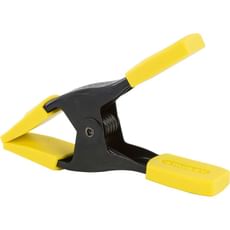
- Spring Clamps - Quick-release clamps that complement traditional screw-action types for faster positioning and temporary holding
- Clamp Blocks and Spreaders - Extend the functionality of standard clamps for distributing pressure or converting to spreading applications
- Wire and Cable Markers - Essential for electricians to identify circuits when working with wire cutters and strippers on complex installations
- Cutting Mats and Work Surfaces - Protect benches and work surfaces when using cutting pliers, pincers, and other sharp-edged tools
- Tool Maintenance Kits - Lubricants, cleaning solutions, and sharpening tools to maintain gripping tools in optimal working condition
- Safety Gloves - Cut-resistant gloves from brands like Portwest and Scruffs provide additional hand protection when working with cutting tools
- Magnetic Parts Trays - Keep small fixings, fasteners, and components secure and organised when working with precision tweezers and fine work
- Tool Lanyards - Prevent dropped tools when working at height on ladders, scaffolding, or elevated platforms
Safety Information
Electrical Safety: Never use standard pliers or grippers for live electrical work. Only VDE-certified insulated tools rated for 1,000V should be used when working with 240v mains electricity or any live circuits. Regularly inspect insulation for cracks, cuts, nicks, or wear, and replace damaged tools immediately. The HSE requires that tools used for electrical work are appropriately insulated, regularly inspected, and maintained according to manufacturer specifications. Even minor insulation damage can compromise protection and create fatal shock risks.
Personal Protective Equipment: Always wear appropriate safety glasses or goggles when using cutting pliers or working with materials that may splinter, fragment, or produce sharp debris. Cut-resistant gloves provide additional protection when handling sharp materials but ensure they don't compromise your grip or dexterity. For heavy clamping work or when working with large materials, steel toe-cap boots protect against dropped materials or tools. Consider hearing protection when using heavy-duty bolt cutters or working in noisy environments.
Tool Maintenance and Inspection: Keep gripping tools clean, properly lubricated, and in good working order. Blunt cutting edges require excessive force and are more likely to slip, causing injury or damaging workpieces. Store tools properly in organised systems to prevent damage and ensure they're ready for safe use. Check clamps for worn threads, cracked frames, or bent components before each use. Remove tools with damaged handles, loose pivot points, or compromised cutting edges from service immediately.
Correct Technique: Never use gripping tools as hammers, pry bars, or makeshift wrenches, as this can damage the tool and cause unexpected failure under load. Always pull rather than push pliers when possible to reduce injury risk if the tool slips. Use the correct size tool for the job rather than forcing an undersized tool beyond its rated capacity. Position your body and hands so that if the tool slips, your hands move away from sharp edges or pinch points.
Working at Height: When using gripping tools on ladders, scaffolding, or elevated platforms, use tool lanyards to prevent dropped tools causing injury to workers below. Secure tools when not actively in use and maintain three points of contact when climbing. Consider whether the task can be completed at ground level instead, and always follow HSE guidance for working at height. Ensure adequate lighting and stable footing before using any hand tools at elevation.
Frequently Asked Questions
What's the difference between pliers and pincers?
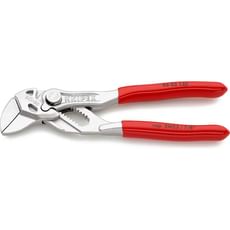
Pliers typically feature parallel or angled jaws designed for gripping, bending, twisting, and cutting various materials, with multiple designs optimised for different applications such as long-nose, combination, water pump, and side-cutting varieties. Pincers have a more specialised design, traditionally used for pulling nails, cutting wire, or gripping with a compound leverage action that provides extra force for extraction tasks. Pincers generally focus on removal and cutting applications, whilst pliers offer more versatile gripping and manipulation capabilities across a wider range of materials and tasks.
Do I really need VDE-insulated tools if I'm just doing home DIY electrical work?
Yes, absolutely. UK mains electricity at 240v can be fatal, and even straightforward DIY electrical work carries serious risks if proper precautions aren't taken. VDE-insulated tools are rigorously tested to protect against electric shock and are a legal requirement for professional electricians working on live circuits. For anyone working with electrical installations—professional or DIY—using properly insulated tools is essential for personal safety and may affect your home insurance coverage if an incident occurs. Non-insulated tools should never be used on live circuits, and all electrical work must comply with current Building Regulations Part P requirements.
How do I maintain my gripping tools to keep them working properly?
Regular maintenance significantly extends tool life and maintains performance. Wipe tools clean after each use to remove dirt, dust, moisture, and contaminants that can cause corrosion. Apply a light machine oil to pivot points, hinges, and moving parts periodically to prevent rust and ensure smooth operation. For cutting tools, occasionally sharpen or have edges professionally reground when they become blunt—dull edges require excessive force and are dangerous. Store tools in a dry environment, preferably in organised tool storage systems from Stanley, DeWalt, or Milwaukee that prevent tools rattling together. Inspect tools before each use for damage, paying particular attention to handles, joints, cutting edges, and insulation on electrical tools.
What jaw capacity do I need for general trade work?
For most general trade applications, combination pliers with 35-50mm jaw capacity and adjustable water pump pliers with 45-60mm capacity cover the majority of typical tasks encountered on site. However, specific trades have different requirements—plumbers often need larger capacity (up to 80mm or more) for pipework and fittings, whilst electronics work requires much smaller precision tools with minimal jaw openings. It's advisable to have a range of sizes available in your toolkit, with a good quality multi-tool from Bahco or Wera providing backup versatility for unexpected situations. Consider the materials you most commonly work with and select tools that comfortably accommodate those dimensions without operating at maximum capacity.
Are expensive branded gripping tools worth the extra cost compared to budget alternatives?
For professional tradespeople using tools daily, premium brands like Knipex, Bahco, and Wera offer significant advantages in durability, precision, and ergonomics that justify the higher initial investment. These tools typically last many years even with heavy use, maintain sharper cutting edges through superior materials and heat treatment, feature better pivot mechanisms that stay tight, and reduce hand fatigue through scientifically designed ergonomic handles. For occasional DIY use, mid-range options often provide adequate performance and represent good value. However, safety-critical tools—particularly VDE-insulated electrical tools—should always meet proper certification standards regardless of price point. Your personal safety isn't worth compromising to save a few pounds, and quality tools from Tooled-Up protect both your wellbeing and professional reputation.