

Hi Vis Clothing
Pay in 3 interest-free payments on purchases from £30-2000 with  . Learn more.
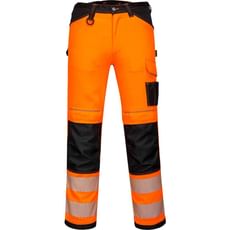
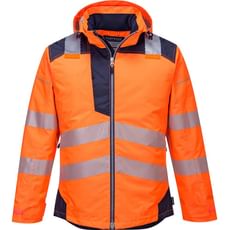
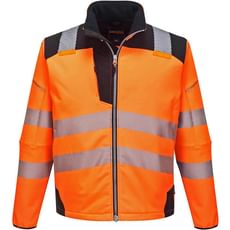
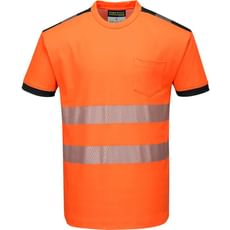
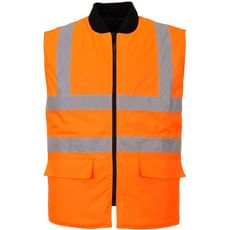
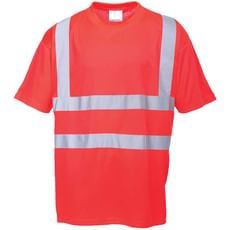
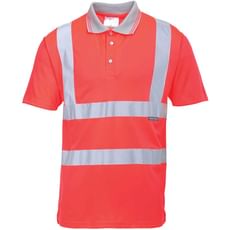
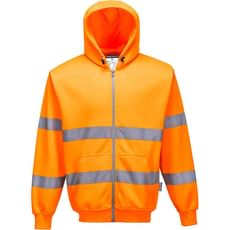
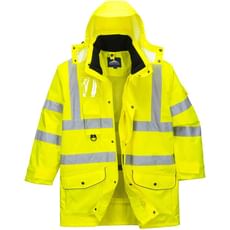
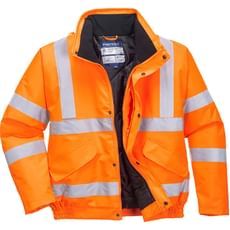
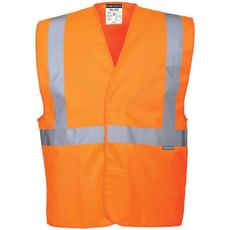
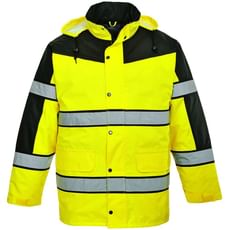
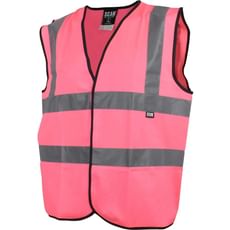
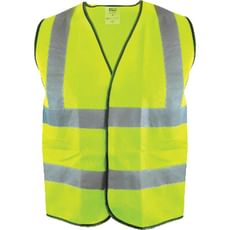
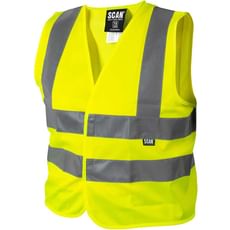
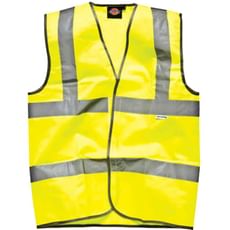
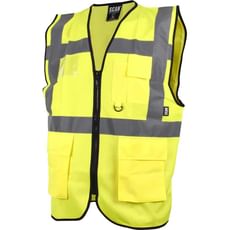
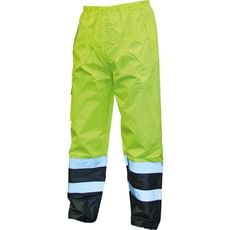
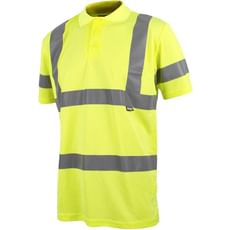
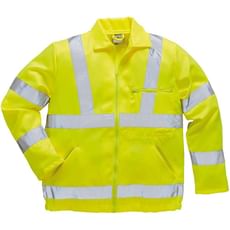

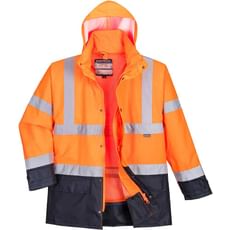
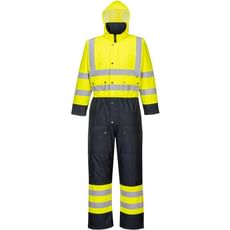
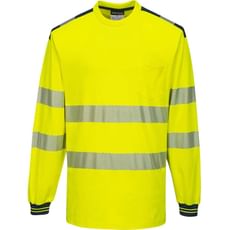
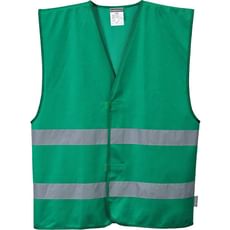
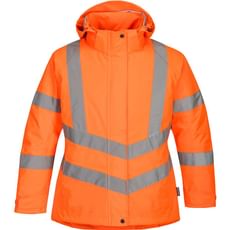
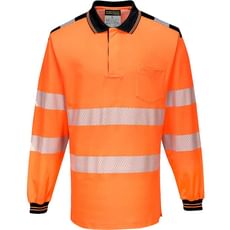
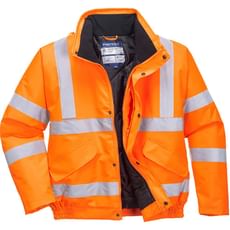
 Loading...
End of content
Error - No more pages to load
About Hi Vis Clothing
High visibility clothing represents one of the most critical safety requirements across British workplaces, designed to ensure workers remain conspicuous in hazardous environments, low-light conditions, and areas with moving vehicles or heavy machinery. From construction sites and motorway maintenance to warehousing operations and emergency response, hi vis workwear has become an indispensable element of workplace safety and regulatory compliance. The selection available at Tooled-Up.com spans everything from basic waistcoats to comprehensive protective garments from industry-leading manufacturers including Portwest, Scruffs, and DeWalt, ensuring tradespeople can meet HSE requirements whilst maintaining comfort and durability throughout demanding workdays.
The hi vis clothing category encompasses an extensive range of garment types suited to every season and working condition. Lightweight options such as hi vis t-shirts and polo shirts provide breathable protection during summer site work, whilst insulated fleeces, jumpers, and waterproof jackets deliver year-round protection against British weather. Whether requirements call for basic EN ISO 20471 compliant garments for general construction activities or specialist rail-specification clothing with GO/RT compliance for trackside work, Tooled-Up stocks options appropriate for every trade, risk level, and budget. The category includes hi vis trousers with reinforced knees, breathable shorts for warm conditions, practical dungarees, protective overalls, and essential waistcoats, enabling workers to assemble a complete high visibility wardrobe that prioritises both safety and practicality.
Modern hi vis workwear has evolved considerably beyond the traditional fluorescent vest, with contemporary designs incorporating technical fabrics, ergonomic construction, and functional features that UK tradespeople demand. Advanced moisture-wicking materials, strategically positioned pockets, articulated joints, and reinforced stress points now characterise professional-grade high visibility clothing, combining stringent safety standards with the durability required for daily site use. Leading brands continue to innovate, producing garments that workers actually want to wear whilst maintaining the visibility properties essential for workplace safety.
Jargon Buster
- EN ISO 20471 - The current European standard governing high visibility warning clothing, which replaced the earlier EN 471 specification. This standard establishes three classification levels (Class 1, 2, and 3) determined by the quantity of fluorescent background material and retroreflective tape present on the garment, with Class 3 delivering the highest visibility and offering the greatest protection in high-risk environments.
- Retroreflective Tape - Specialised reflective material engineered to return light directly towards its source, dramatically increasing wearer visibility to vehicle drivers and machinery operators during darkness or poor visibility. This tape must satisfy specific performance criteria for both reflectivity and durability across multiple wash cycles to maintain compliance.
- Fluorescent Background Material - The brightly coloured fabric, typically in fluorescent yellow or orange, that ensures high visibility during daylight hours. The fluorescent properties work by converting ultraviolet light into visible light, causing the garment to appear exceptionally luminous and stand out against most backgrounds.
- GO/RT 3279 - Railway industry-specific standard for high visibility clothing worn by personnel working on or near railway tracks throughout the UK. This standard imposes additional requirements beyond standard EN ISO 20471 compliance, often mandating specific colour configurations and reflective placements.
- RIS-3279-TOM - Railway Industry Standard specifically for track-side workers, requiring orange hi vis clothing with prescribed reflective configurations. This standard is mandatory for anyone working on Network Rail infrastructure and cannot be substituted with general construction hi vis wear.
- Class Rating - The classification system (Classes 1-3) indicating the level of visibility provided by each garment. Class 3 garments provide maximum visibility through extensive coverage and are mandatory for high-risk environments such as motorway maintenance. Certain Class 2 garments can achieve Class 3 status when worn as coordinated ensembles, such as matching hi vis jackets with hi vis trousers.
Who Uses Hi Vis Clothing?
High visibility clothing serves a diverse spectrum of trades and professions throughout the UK:
- Construction Workers - Site labourers, bricklayers, groundworkers, scaffolders, and construction managers working on building sites where visibility amongst machinery and vehicles is paramount
- Road Workers - Highway maintenance crews, traffic management operatives, street cleaners, and council workers operating near moving traffic on roads and motorways
- Railway Workers - Track maintenance personnel, signalling engineers, electrification teams, and anyone working on or adjacent to railway infrastructure
- Warehouse Operatives - Forklift drivers, order pickers, goods-in staff, and logistics workers in busy distribution centres with constant vehicle movement
- Delivery Drivers - Couriers, HGV drivers, and van operators who require visibility when loading, unloading, and working near traffic
- Electricians and Plumbers - Tradespeople working on commercial and industrial sites where hi vis clothing is a mandatory site access requirement
- Security Personnel - Car park attendants, event security staff, door supervisors, and site security officers requiring high visibility
- Emergency Services - Paramedics, police officers, fire service personnel, and breakdown recovery operators attending roadside incidents
- Surveyors and Engineers - Site surveyors, civil engineers, and inspectors conducting assessments in active work environments
- Landscapers and Groundskeepers - Workers maintaining verges, parks, and grounds near roads or in public spaces with vehicle access
- Waste Management - Refuse collectors, recycling operatives, and street cleansing teams working near traffic
- Cyclists and Pedestrians - Commuters, dog walkers, and outdoor enthusiasts requiring enhanced personal visibility for safety
How to Choose the Right Hi Vis Clothing
Determine Your Class Requirements - Understanding which EN ISO 20471 class rating applies to your working environment represents the fundamental starting point. Class 1 garments such as waistcoats suit low-risk areas with slower-moving traffic or pedestrian zones, whilst Class 2 provides enhanced visibility for medium-risk environments including busy warehouses and general construction sites. Class 3 garments, typically comprising jackets or coordinated tops and trousers, are mandatory for high-risk settings including motorway work, night-time road maintenance, or any environment with fast-moving traffic. Some roles may require combining garments to achieve the necessary classification.
Consider Industry-Specific Standards - Certain sectors impose additional requirements beyond basic hi vis standards. Railway workers must comply with GO/RT 3279 or RIS-3279-TOM standards, which typically mandate orange rather than yellow clothing with specific reflective tape configurations. Airport ground crew, emergency services, and highways contractors may face sector-specific regulations. Always verify the precise standards applicable to your industry and employer before purchasing to ensure compliance and avoid being denied site access.
Match Clothing to Weather Conditions - British weather demands versatile hi vis options across seasons. Lightweight breathable polo shirts and t-shirts provide comfort during warm weather and physical work, whilst insulated fleeces and thermal jumpers deliver essential warmth for winter months. Waterproof hi vis jackets become indispensable for outdoor workers, with premium options combining waterproofing with breathability to prevent condensation during strenuous activity. Consider building a seasonal wardrobe rather than relying on a single garment year-round.
Evaluate Construction Quality and Durability - Professional-grade hi vis clothing from manufacturers like Portwest, DeWalt, and Scruffs incorporates reinforced stitching, robust YKK zippers, and hard-wearing poly-cotton or ripstop fabrics that withstand daily site rigours. Examine garments for bar-tacked stress points, double-stitched seams, and quality reflective tape that maintains adhesion and reflectivity through multiple wash cycles. Cheaper alternatives may initially meet standards but deteriorate rapidly, requiring frequent replacement and ultimately costing more.
Prioritise Comfort and Fit - Wearing hi vis clothing throughout entire shifts demands attention to comfort features. Look for pre-shaped elbows, articulated knees, and ergonomic cuts that accommodate natural movement. Modern workwear increasingly incorporates elastane stretch panels at key stress points, improving flexibility during bending, reaching, and kneeling. Consider whether you'll need room for layering thermal base layers underneath during cold weather, and check adjustable features like cuffs, hems, and waistbands for a customised fit.
Assess Practical Features - Functionality varies considerably between garments. Multiple pockets in various sizes accommodate tools, mobile phones, pens, and measuring tapes. Some hi vis trousers include dedicated holster pockets and knee pad compartments, whilst jackets might offer internal security pockets, ID badge loops, and radio holders. Consider your daily tool requirements and select garments with appropriate storage. Pen pockets, rule pockets, and smartphone compartments positioned for easy access significantly enhance workplace efficiency.
Understand Washing and Maintenance Requirements - Hi vis clothing must retain its visibility properties throughout its service life. Quality garments should withstand at least 50 industrial wash cycles whilst maintaining fluorescence and reflectivity. Check care labels for washing temperature limits, tumble-drying suitability, and any special requirements. Following manufacturer guidance regarding detergents, bleach avoidance, and drying methods maximises garment lifespan and ensures continued compliance with safety standards.
Popular Accessories
Complement your hi vis clothing with these essential accessories available from Tooled-Up:
- Hi Vis Accessories - Reflective armbands, hi vis gloves with retroreflective details, and safety helmets in fluorescent colours for complete visibility
- Knee Pads - Essential protection for groundworkers, tilers, and floor layers, with many models designed to fit knee pad pockets in hi vis work trousers
- Work Boots and Safety Footwear - Steel toe cap boots, composite safety trainers, and rigger boots meeting EN standards to complete your PPE ensemble
- Tool Belts and Pouches - Leather and synthetic tool storage systems that organise fixings and hand tools whilst keeping hands free for safe working
- Work Gloves - Impact-resistant mechanics gloves, general-purpose rigger gloves, and cut-resistant gloves for comprehensive hand protection
- Head Torches and Work Lights - LED head torches and rechargeable work lights essential for low-light conditions where hi vis clothing is required
- Thermal Base Layers - Moisture-wicking thermal tops and leggings to wear underneath hi vis clothing during cold weather whilst maintaining freedom of movement
- ID Card Holders - Retractable badge reels and transparent holders compatible with hi vis garments for displaying site access credentials
- Waterproof Over-Trousers - Packable rain trousers providing additional weather protection to wear over hi vis work trousers during downpours
- Storage Solutions - DeWalt TSTAK, Milwaukee PACKOUT, and Makita MakPac systems for transporting spare hi vis garments and workwear to different sites
Safety Information
Legal Requirements - Under the Health and Safety at Work Act 1974 and the Personal Protective Equipment at Work Regulations 1992 (as amended), employers must provide appropriate PPE including hi vis clothing where risk assessments identify visibility hazards. The Health and Safety Executive provides specific guidance determining when high visibility clothing becomes necessary, typically in environments featuring moving vehicles, plant machinery, railway operations, or inadequate lighting conditions. Employers cannot charge workers for PPE required to comply with health and safety legislation.
Regular Inspection and Replacement - Hi vis clothing progressively loses effectiveness through washing, general wear, and ultraviolet exposure. Conduct regular inspections checking for faded fluorescent material, damaged or peeling reflective tape, torn fabric, and compromised seams. Replace any garment no longer meeting visibility standards, even if structurally intact. Most manufacturers recommend replacement after 50 wash cycles or when visible deterioration occurs, whichever comes first. Faded garments that no longer appear intensely bright in daylight or fail to reflect adequately in vehicle headlights must be withdrawn from service immediately.
Correct Usage and Compliance - Always wear hi vis clothing as designed—fasten all closures, ensure reflective tape remains visible and unobstructed, and never cover compliant garments with non-compliant outer layers. Tool vests, body warmers, or regular jackets worn over hi vis clothing negate its protective function. In certain environments, specific class ratings carry legal mandates: motorway work typically requires Class 3, whilst railway environments demand GO/RT compliant orange clothing. Verify your site's or employer's specific requirements, as non-compliant clothing may result in denied access or prosecution following incidents.
Limitations and Risk Management - Whilst hi vis clothing dramatically improves visibility, it doesn't eliminate all risks associated with working near vehicles or machinery. Always maintain situational awareness, follow established site safety procedures, and implement additional controls including barriers, warning signage, banksmen, and exclusion zones where appropriate. Hi vis clothing forms one component of comprehensive risk management, not a substitute for proper planning, training, and hazard control. Never assume that wearing hi vis clothing alone provides complete protection—defensive positioning and constant vigilance remain essential.
Frequently Asked Questions
What distinguishes Class 1, 2, and 3 hi vis clothing?
The class rating indicates the quantity of visible fluorescent and reflective material incorporated into the garment. Class 1 provides basic visibility with minimum material requirements, typically seen in waistcoats and offering 0.14m² of background material and 0.10m² of reflective tape. Class 2 offers enhanced visibility through increased coverage, usually found in long-sleeved jackets and requiring 0.50m² of background material and 0.13m² of reflective tape. Class 3 provides maximum visibility through extensive coverage of both fluorescent fabric and reflective tape (0.80m² background and 0.20m² reflective), mandatory for high-risk environments like motorway work. Some Class 2 garments achieve Class 3 status when worn as coordinated ensembles, such as a compliant hi vis jacket combined with hi vis trousers.
How frequently should hi vis clothing be replaced?
Replace hi vis clothing when fluorescent material exhibits noticeable fading, reflective tape becomes damaged or loses reflectivity, or after approximately 50 wash cycles, whichever occurs first. Prolonged sunlight exposure, contact with harsh chemicals, abraded surfaces, and general wear all degrade hi vis properties. If garments no longer appear intensely bright in daylight or fail to reflect effectively in vehicle headlights at night, immediate replacement is necessary regardless of the fabric's physical condition. Maintaining a replacement schedule based on usage intensity ensures continuous compliance with safety standards.
Can orange and yellow hi vis clothing be used interchangeably?
For most general applications governed by EN ISO 20471, both fluorescent yellow and orange provide acceptable and comparable visibility in typical working conditions. However, specific industries mandate particular colours—railway work typically requires orange hi vis clothing to distinguish trackside workers from other site personnel and emergency services. Some organisations specify yellow for certain roles and orange for others to create instant visual differentiation between job functions. Always verify industry-specific regulations and employer requirements before selecting a colour to ensure compliance and avoid access refusal.
Should hi vis clothing be worn over or under other garments?
Hi vis clothing must always constitute the outermost visible layer to remain effective—never cover compliant garments with non-compliant jackets, coats, tool vests, or body warmers. Covering hi vis clothing completely negates its protective function and breaches safety requirements. When additional warmth or weather protection becomes necessary, choose hi vis outer layers specifically designed for those conditions, such as insulated hi vis jackets, waterproof hi vis coats, or hi vis softshell jackets. Some workers wear hi vis waistcoats over regular jackets when full torso coverage isn't mandated, but verify this arrangement meets your specific site safety requirements and class rating obligations.
Is hi vis clothing legally required in the UK?
No blanket legal requirement mandates all workers wear hi vis clothing, but the Health and Safety at Work Act requires employers to provide appropriate PPE based on workplace risk assessments. When work involves proximity to moving vehicles, operating machinery, working on highways, railway operations, or areas with poor visibility, employer risk assessments will almost certainly mandate hi vis clothing meeting appropriate standards. Certain sectors including highways work, railway maintenance, and airport operations face specific legal requirements for high visibility garments meeting particular standards and class ratings. Non-compliance can result in prosecution, particularly following accidents where inadequate visibility contributed to incidents.