

Hoists & Chain Blocks
Pay in 3 interest-free payments on purchases from £30-2000 with  . Learn more.
 Loading...
End of content
Error - No more pages to load
About Hoists & Chain Blocks
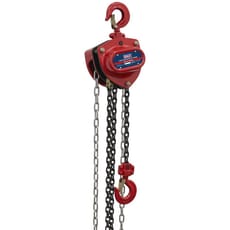
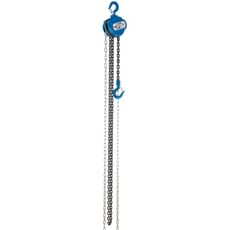
Hoists and chain blocks are essential lifting devices that enable safe and efficient handling of heavy loads in workshops, warehouses, construction sites, and industrial facilities across the UK. These mechanical lifting systems utilise chain mechanisms combined with precision gear assemblies to deliver exceptional mechanical advantage, allowing operators to lift loads weighing from 250kg up to several tonnes with minimal physical effort. Whether you're removing vehicle engines, positioning fabricated steelwork, or handling heavy machinery components, the right hoist or chain block can transform challenging lifting tasks whilst maintaining full compliance with HSE workplace safety requirements.
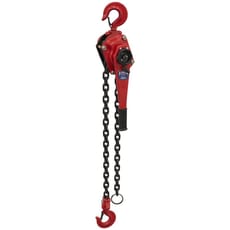
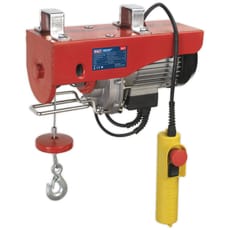
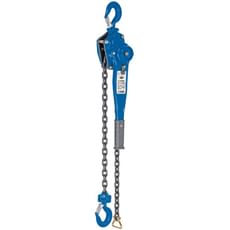
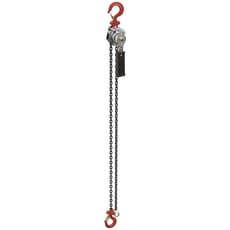
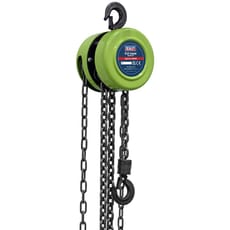
The selection at Tooled-Up.com encompasses manual chain blocks for straightforward vertical lifting operations, lever hoists (sometimes called ratchet hoists or tirfors) for precise load positioning at any angle, and powered electric hoists for frequent heavy-duty applications. With trusted brands including Sealey and Draper represented throughout the range, customers can choose from lifting capacities spanning compact 250kg units ideal for small workshops through to robust multi-tonne systems suited to industrial environments. Modern designs incorporate forged steel hooks with safety latches, hardened load chains manufactured to Grade 80 or Grade 100 standards, and automatic load braking systems that engage instantly when the operator releases the control mechanism.
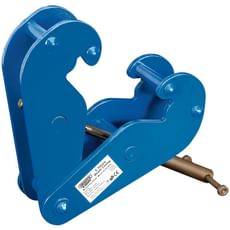
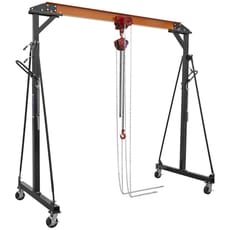
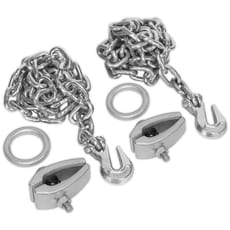
Beyond core hoisting equipment, Tooled-Up stocks essential complementary items such as beam clamps for secure RSJ mounting, adjustable portable gantry cranes providing complete lifting solutions where permanent overhead structures aren't available, and chain clamp kits for load securing. All hoists and chain blocks supplied are manufactured to meet or exceed BS EN 13157 and related British and European safety standards, ensuring full compliance with LOLER 1998 regulations and providing professional users with the confidence required for daily lifting operations.
Jargon Buster
- Working Load Limit (WLL): The maximum certified weight a hoist or chain block can safely lift under normal working conditions. This figure is permanently marked on the equipment and must never be exceeded under any circumstances.
- Lever Hoist: A manually operated hoist controlled by pumping a lever handle in a ratcheting action, enabling lifting, lowering, and horizontal pulling operations. Particularly valuable when working in confined spaces or at angles where conventional chain blocks cannot operate effectively.
- Duty Rating: A classification system (typically designated M1 through M8) that indicates how intensively a hoist can be used, based on lifting cycles per hour and average load capacity utilisation. Light-duty occasional workshop use requires lower ratings, whilst continuous production-line applications demand higher duty classifications.
- Load Chain Grade: Indicates the strength specification and quality of the lifting chain itself, with Grade 80 and Grade 100 being standard for industrial hoisting applications. Higher grade chains offer superior strength-to-weight ratios and enhanced durability under demanding conditions.
- Mechanical Advantage: The ratio between the weight being lifted and the force the operator must apply. For example, a hoist offering 10:1 mechanical advantage means applying just 10kg of pulling force can lift a 100kg load.
- Beam Clamp: A specialised mounting fitting that secures to I-beams, RSJs, or overhead support structures to create an anchorage point for hoists without requiring permanent installation or structural modifications.
Who Uses Hoists & Chain Blocks?
Hoists and chain blocks are indispensable tools across numerous trades and industries throughout the UK:
- Mechanical Engineers - installing heavy machinery, industrial equipment, and production line components
- Vehicle Mechanics and Automotive Workshops - removing and refitting engines, gearboxes, differentials, and heavy vehicle assemblies
- Warehouse and Logistics Managers - safely handling palletised goods, machinery, and oversized stock items
- Construction Site Workers - positioning structural steelwork, concrete sections, precast elements, and building materials
- Manufacturing and Fabrication Facilities - moving raw materials, heavy components, and finished products through production processes
- Agricultural and Farm Workers - lifting tractor components, handling feed supplies, and maintaining agricultural machinery
- Maintenance and Facilities Teams - installing HVAC systems, replacing heavy plant equipment, and conducting general site maintenance
- Theatre and Event Riggers - suspending lighting rigs, sound systems, staging elements, and decorative installations
- Plant Hire Companies - providing lifting solutions for contractors across multiple sectors
- DIY Enthusiasts and Home Workshop Owners - tackling substantial lifting projects that would otherwise require multiple people or professional assistance
How to Choose the Right Hoists & Chain Blocks
Establish Your Required Lifting Capacity: Calculate the maximum weight you'll need to lift and incorporate a safety margin of at least 25% above this figure. Never operate equipment at the absolute limit of its WLL. Consider potential future requirements alongside current needs to avoid having to upgrade equipment prematurely.
Determine Necessary Lift Height: Measure the maximum vertical distance loads must be raised. Chain hoists are available with various chain lengths, typically from 3 metres through to 6 metres or more for specialist applications. Remember that some chain remains within the hoist mechanism, so a 3-metre chain doesn't provide a full 3-metre lifting range.
Manual or Powered Operation: Manual chain blocks and lever hoists offer economical reliability without requiring electrical supply, making them ideal for site work and occasional use. Powered electric hoists operating on 240v supply deliver faster operation and reduced operator fatigue for frequent production-line applications, but require permanent electrical installation.
Fixed Installation or Portable Use: Decide whether you need permanently installed equipment or portable units. Portable gantry cranes provide excellent workshop flexibility where fixed overhead beams aren't available, whilst beam clamps and trolleys enable quick repositioning along existing RSJs or I-beams.
Operating Environment Considerations: Assess whether the hoist will operate indoors or outdoors. External applications may require weather-resistant construction and enhanced corrosion protection. Dusty or potentially hazardous environments might necessitate enclosed mechanisms to prevent contamination of the gear systems.
Frequency and Duty Requirements: Verify the duty rating matches your intended usage pattern. Light-duty models suit occasional workshop use, whilst heavy-duty industrial hoists are engineered for continuous daily operation in demanding production environments.
Popular Accessories
- Beam Clamps and Geared Trolleys: Enable horizontal movement along overhead beams and provide secure mounting without permanent structural fixings
- Load Chains and Extension Chains: Replacement chains and extensions to increase lifting height when operational requirements change
- Hook Safety Latches: Spring-loaded latches that prevent loads from accidentally disengaging from hooks during lifting operations
- Chain Slings and Lifting Straps: Connect hoists to loads securely, available in various configurations including single-leg, two-leg, and four-leg arrangements for different load geometries
- Portable Gantry Frames: Create instant overhead lifting points in areas lacking permanent support structures
- Load Weighing Scales: Digital or mechanical scales that fit between hoist and load to verify weight before commencing lifting operations
- PPE Equipment: Hard hats, safety gloves, high-visibility clothing, and steel toe-capped boots essential when operating lifting equipment
- Inspection Tags and Maintenance Kits: Documentation systems and lubrication products to maintain compliance with LOLER examination requirements
Safety Information
Lifting equipment safety in the UK is governed by strict HSE regulations. All hoists and chain blocks must comply with the Lifting Operations and Lifting Equipment Regulations 1998 (LOLER) and the Provision and Use of Work Equipment Regulations 1998 (PUWER). These regulations mandate that all lifting equipment must be properly installed, regularly inspected by competent persons, and maintained in safe working condition throughout its operational life.
Pre-Use Inspection: Before every lifting operation, conduct a visual inspection checking for damaged or distorted hooks, worn or kinked chains, unusual noise during test operation, and ensuring all safety latches function correctly. Never use equipment showing signs of damage, excessive wear, or any condition that might compromise safe operation.
Safe Working Practices: Always ensure loads are properly balanced and securely attached before commencing lifting. Never exceed the Working Load Limit clearly marked on the equipment. Keep hands, feet, and all body parts clear of the load path at all times. Never stand beneath a suspended load under any circumstances, and ensure the area below remains clear of personnel throughout lifting operations.
Inspection Requirements: LOLER mandates thorough examination of lifting equipment at least every 12 months by a competent person, with more frequent inspections (typically every 6 months) for equipment used to lift people or operating in more demanding applications. Maintain detailed records of all inspections, maintenance activities, and any repairs undertaken.
Training Requirements: Ensure all operators receive appropriate training in the safe use of hoists and chain blocks. Whilst formal certification isn't always legally required for manual hoists, competent operation is mandatory, and many employers provide specific training programmes to demonstrate due diligence and satisfy insurance requirements.
Frequently Asked Questions
What's the difference between a chain block and a lever hoist?
A chain block (also called a chain hoist or chain fall) is designed primarily for straight vertical lifting and is operated by pulling down on a hand chain that runs through the gear mechanism. A lever hoist uses a ratcheting lever mechanism and can pull loads horizontally, vertically, or at any angle, making it considerably more versatile for positioning work in confined spaces or when working from awkward angles where vertical access isn't available.
How often do hoists and chain blocks require LOLER inspection?
Under LOLER regulations, lifting equipment must be thoroughly examined by a competent person at least every 12 months. Equipment used in more demanding conditions or for lifting people requires 6-monthly inspections. Additionally, operators should perform visual pre-use checks before each lifting operation to identify obvious defects such as damaged hooks, worn chains, or missing safety components.
Can I use a chain block outdoors or in wet conditions?
Most standard chain blocks can be used outdoors occasionally, but regular outdoor use in wet or corrosive environments requires hoists with specific weather-resistant features and enhanced corrosion protection such as galvanised or stainless steel construction. Always check the manufacturer's specifications regarding environmental suitability, and increase inspection and maintenance frequency for outdoor installations.
What lifting capacity do I need for engine removal in an automotive workshop?
Car engines typically weigh between 100-250kg, whilst larger commercial vehicle and plant machinery engines can exceed 500kg. A 500kg capacity hoist provides good versatility for most automotive workshop applications with adequate safety margin. For dedicated engine work, purpose-designed engine cranes or gantry systems with 1000kg or 2000kg capacity offer better stability and positioning control for heavier powerplants.
Do I need an electrician to install an electric chain hoist?
Yes, electric hoists must be installed by a qualified electrician to ensure correct electrical connection to the 240v supply and full compliance with BS 7671 wiring regulations. The structural mounting must also be verified by a competent person to ensure the overhead beam or support structure can safely handle the imposed loads, including dynamic forces generated during lifting operations which can be significantly higher than the static load weight.