

Hole Borers
Pay in 3 interest-free payments on purchases from £30-2000 with  . Learn more.
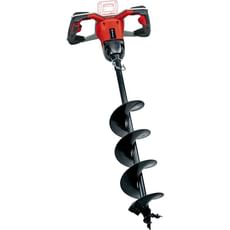
Einhell Professional GP-EA 18/150 Li BL 18v Cordless Brushless Earth Drill Auger
in stock
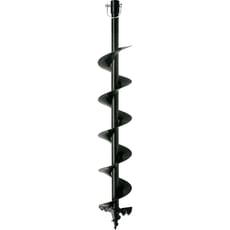
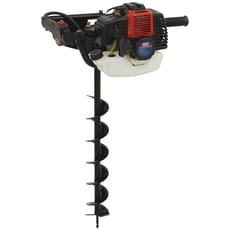

 Loading...
End of content
Error - No more pages to load
About Hole Borers
Hole borers, also known as earth augers or ground drills, are powerful tools designed to bore precise holes into the ground quickly and efficiently. Whether you're installing fence posts, planting trees, setting up foundations for garden structures, or preparing ground anchors, these specialist tools make light work of what would otherwise be exhausting manual labour. Available in petrol, cordless, and 240v mains-powered variants, modern hole borers combine robust construction with advanced motor technology to deliver the torque needed to penetrate even challenging soil conditions including clay, compacted earth, and stony ground.
The selection at Tooled-Up.com ranges from lightweight cordless models ideal for domestic garden projects through to professional-grade petrol-driven machines capable of drilling hundreds of holes on commercial sites. Leading manufacturers like Makita, Greenworks, Einhell, and Stanley have developed sophisticated 18V, 40V, and 60V cordless systems that eliminate the fumes and maintenance associated with petrol engines, whilst still delivering impressive performance. For the most demanding applications, petrol earth augers remain the go-to choice for professionals, offering unmatched power and runtime for all-day site work.
The versatility of these tools is enhanced by interchangeable auger bits available in various diameters, typically ranging from 100mm to 300mm, allowing you to tackle everything from narrow post holes to wide-diameter foundation work. Many systems also support extension shafts, enabling you to drill deeper holes without excessive bending or manual excavation—particularly useful for fence posts requiring below-frost-line depth of 600-900mm typical in UK conditions.
Jargon Buster
- Brushless Motor: Advanced motor technology that eliminates carbon brushes, resulting in longer runtime, reduced maintenance, increased efficiency, and extended tool life compared to traditional brushed motors. Common in modern cordless earth augers from Makita and Greenworks.
- Torque: The rotational force generated by the motor, measured in Newton metres (Nm). Higher torque is essential for boring through compacted soil, clay, or rocky ground without stalling—a critical specification when comparing models.
- Auger Bit: The spiral-shaped drilling attachment that cuts into the ground and removes soil as it rotates. Available in different diameters (100mm, 150mm, 200mm, 300mm) and lengths depending on the application, with carbide-tipped versions offering enhanced durability.
- Two-Stroke Engine: A petrol engine type requiring a mixture of petrol and two-stroke oil (typically 50:1 ratio). Common in professional-grade hole borers like the Sealey PHA100 for their high power-to-weight ratio and all-day performance.
- Voltage (V): In cordless models, the battery voltage (18V, 40V, 60V) indicates the potential power output. Higher voltage systems like Makita's 40V XGT or Greenworks' 60V platform generally deliver more torque and better performance in demanding conditions.
- Anti-Kickback System: Critical safety feature that automatically stops or reverses rotation if the auger encounters an obstruction, preventing the tool from twisting dangerously in the operator's hands—essential for safe operation in unpredictable ground conditions.
Who Uses Hole Borers?
Hole borers are essential equipment for a diverse range of trades and applications:
- Fencing Contractors: Installing timber, metal, and concrete fence posts quickly and to consistent depths across residential and commercial properties.
- Landscapers and Groundworkers: Planting trees and large shrubs, installing garden features, setting up irrigation systems, and preparing foundations for pergolas, gazebos, and decking.
- Agricultural Workers: Erecting field fencing, installing vineyard posts, setting up polytunnel anchors, and large-scale planting operations on farms and estates.
- Construction Professionals: Drilling holes for foundation piles, ground anchors, scaffolding bases, and temporary site fencing on building sites.
- Electricians and Telecoms Engineers: Installing lighting columns, telegraph poles, signage posts, and underground cable ducting.
- Groundskeepers and Estate Managers: Maintaining parks, golf courses, sports facilities, and large private grounds with regular post replacement and landscaping work.
- DIY Enthusiasts and Homeowners: Tackling garden projects including fence installation, deck foundations, tree planting, and building summerhouses or sheds.
How to Choose the Right Hole Borers
Power Source: Cordless models from Makita, Greenworks, and Stanley FatMax offer excellent convenience and zero emissions, making them ideal for residential work and situations where noise is a concern. The latest 40V and 60V systems deliver impressive performance approaching petrol equivalents. Petrol-powered units remain the professional's choice for all-day use on remote sites without power access, offering maximum torque and unlimited runtime with spare fuel.
Torque and Performance: Consider the soil conditions you'll typically encounter. Clay, compacted earth, and rocky ground demand high-torque machines with robust gearboxes. For softer soil and occasional domestic use, mid-range cordless models provide adequate performance. Professional contractors should prioritise maximum torque ratings and anti-kickback protection for safety and efficiency.
Battery Platform Compatibility: If you already own cordless tools from Makita's LXT or XGT ranges, Einhell's Power X-Change system, or Stanley's V20 platform, choosing an earth auger within the same ecosystem means you can share batteries and chargers, reducing overall investment and site clutter—a significant consideration for tradespeople.
Auger Bit Compatibility: Check the maximum bit diameter the machine can accommodate and whether extension shafts are available. Standard hex drive fittings offer the widest choice of aftermarket bits. Some manufacturers like Einhell offer dedicated bits and extensions designed specifically for their models, ensuring optimal performance and fit.
Weight and Ergonomics: Earth augers generate significant rotational force, so features like anti-vibration handles, auxiliary side handles for two-handed operation, and balanced weight distribution are crucial for operator comfort and safety during extended use on site.
Budget Considerations: Entry-level cordless models start around the £150-250 mark (bare unit), suitable for occasional domestic use. Professional cordless systems range from £400-700, whilst commercial petrol models can exceed £500-800. Factor in the cost of batteries, chargers, and additional auger bits when calculating total investment.
Popular Accessories
- Additional Auger Bits: Available from Tooled-Up in various diameters (typically 100mm, 150mm, 200mm, 300mm) to suit different post sizes and applications. Carbide-tipped bits offer enhanced durability in rocky conditions and stony ground.
- Extension Shafts: Allow you to drill deeper holes without excessive bending, particularly useful for fence posts requiring below-frost-line depth typical in UK installations (600-900mm).
- Spare Batteries: Essential for cordless users tackling multiple holes across larger sites. Higher capacity batteries (4.0Ah, 5.0Ah, 6.0Ah) extend runtime between charges significantly.
- Protective Guards: Debris shields help prevent soil and stones being thrown up during operation, protecting the operator and bystanders—important for HSE compliance on commercial sites.
- Carrying Cases: Purpose-designed storage solutions protect your investment during transportation and storage, particularly important for professional contractors moving between sites daily.
- Two-Stroke Oil and Fuel Cans: For petrol model owners, quality two-stroke oil mixed at the correct ratio (typically 50:1) ensures optimal engine performance and longevity.
Safety Information
Operating hole borers requires careful attention to safety due to the high torque and rotational forces involved. Always wear appropriate PPE including safety boots with steel toecaps, protective gloves with good grip, safety glasses or a face shield to protect against flying debris, and ear defenders when using petrol models. High-visibility clothing is essential when working on construction sites or near roadways.
Before drilling, always check for underground services using a cable detector or consulting service plans. Striking buried electricity cables, gas pipes, or water mains can have catastrophic consequences. Contact your local utility providers if uncertain about underground infrastructure. The HSE provides guidance on safe excavation practices that should be consulted for commercial work and site operations.
Maintain a firm, stable stance with feet shoulder-width apart and ensure you have a clear working area free from trip hazards. Always use both hands to operate the tool and be prepared for the anti-kickback mechanism to activate if the auger strikes an obstruction. Never attempt to force the tool if it becomes jammed—switch off, allow it to stop completely, then carefully remove the obstruction.
For petrol models, ensure adequate ventilation and never operate in enclosed spaces due to carbon monoxide risk. Allow engines to cool before refuelling and store fuel in approved containers away from heat sources. Read and follow the manufacturer's operating instructions carefully, paying particular attention to recommended maintenance schedules for optimal performance and safety.
Frequently Asked Questions
What depth and diameter holes can I expect to drill with a cordless earth auger?
Most cordless earth augers can drill holes between 100mm and 200mm in diameter, with depths ranging from 500mm to over 1000mm when used with extension shafts. The Makita 40V XGT and Greenworks 60V models offer performance comparable to petrol units for typical fencing and landscaping applications. Actual performance depends on soil conditions, battery capacity, and the specific model's torque rating.
How many holes can I drill on a single battery charge?
This varies significantly based on soil conditions, auger diameter, and battery capacity. In typical garden soil, a 5.0Ah battery might drill 15-30 holes of 150mm diameter to 600mm depth. Harder, compacted clay will reduce this considerably, whilst sandy or well-cultivated soil allows more holes per charge. Professional users should invest in multiple high-capacity batteries for uninterrupted work across larger sites.
Should I choose petrol or cordless for professional fencing work?
For contractors drilling 50+ holes daily in varied conditions, petrol models still offer the best combination of power, unlimited runtime, and reliability. However, modern 40V and 60V cordless systems from Makita and Greenworks now provide sufficient performance for many professional applications, with the significant advantages of lower noise, zero emissions, reduced maintenance, and compliance with emission regulations on certain sites. Many professionals now maintain both types for different scenarios.
Can I use an earth auger in rocky or root-filled soil?
Earth augers struggle with solid rock and large tree roots, which can damage auger bits and potentially trigger anti-kickback systems. For rocky ground, consider using a pointed pilot bit to establish the hole before switching to a larger auger, or use a breaker or demolition hammer to fracture larger stones first. Roots should be cut with a pruning saw or axe before drilling. Carbide-tipped auger bits offer better durability in stony conditions than standard steel bits.
Do I need any special training or certification to operate a hole borer?
For domestic DIY use, no formal certification is required, though familiarising yourself thoroughly with the manufacturer's instructions is essential. Professional operators on construction sites may require general plant machinery awareness training, and employers have responsibilities under CDM regulations to ensure operatives are competent. If working near underground services, utilities awareness training (such as NRSWA or similar schemes) is highly recommended and may be required by clients or principal contractors.