

HSS Drill Bits
Pay in 3 interest-free payments on purchases from £30-2000 with  . Learn more.
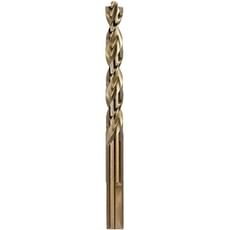
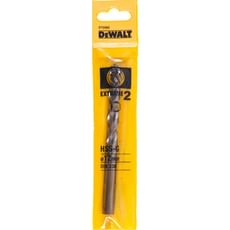
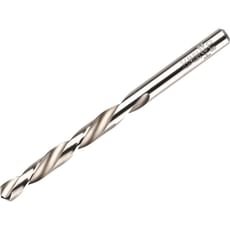
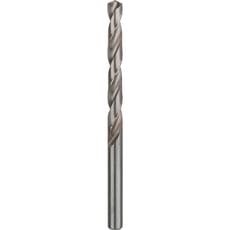



 Loading...
End of content
Error - No more pages to load
About HSS Drill Bits
High-Speed Steel (HSS) drill bits represent the backbone of professional drilling operations across the UK, combining exceptional versatility with outstanding durability for working with mild steel, wood, plastic, aluminium, and other non-ferrous metals. Manufactured from hardened steel alloys enriched with tungsten, chromium, and vanadium, these drill bits can withstand the intense temperatures generated during drilling whilst maintaining their cutting edge significantly longer than standard carbon steel alternatives. Whether you're creating pilot holes in metalwork, drilling through steel enclosures, or carrying out general workshop operations, HSS drill bits deliver the reliability and performance that professional tradespeople demand.
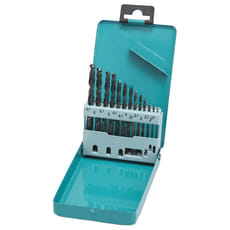
The selection at Tooled-Up.com encompasses everything from individual replacement bits through to comprehensive 99-piece sets, featuring premium brands including Bosch Professional, Bosch Home and Garden, and BlueSpot. Available in various HSS grades and configurations, these drill bits cater to different budgets and application requirements. Standard HSS-G (ground) bits handle everyday drilling tasks efficiently, whilst titanium-coated variants offer enhanced hardness and reduced friction for extended tool life. For the most demanding applications involving hardened steel or stainless steel, cobalt-enhanced HSS-Co bits provide the superior heat resistance and cutting performance necessary for professional engineering and fabrication work.
Modern HSS drill bit technology incorporates advanced features such as self-centring tip geometries and specialised coatings to maximise drilling accuracy and efficiency. Bosch's PointTeq technology, for instance, prevents bit wander and enables faster penetration with reduced pressure—particularly valuable when working with thin sheet metal or starting holes on sloped surfaces. From compact 13-piece sets covering the most commonly used diameters to extensive professional workshop collections, Tooled-Up stocks HSS drill bits engineered to meet every drilling challenge encountered on site or in the workshop.
Jargon Buster
- HSS-G (Ground)
- Standard high-speed steel drill bits with a precision ground finish, ideal for general purpose drilling in soft metals, wood, and plastics. The most economical HSS option for everyday trade applications.
- HSS-R (Rolled)
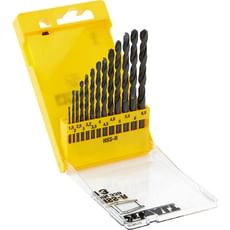
- HSS bits manufactured using a rolling process rather than grinding, offering a cost-effective solution for light-duty applications and softer materials where precision tolerances are less critical.
- HSS-Co (Cobalt)
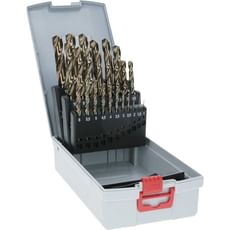
- Premium high-speed steel drill bits containing 5-8% cobalt alloy, delivering superior heat resistance and hardness essential for drilling stainless steel, hardened steel, cast iron, and other demanding materials.
- Titanium Nitride Coating
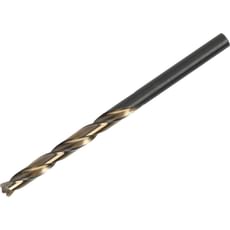
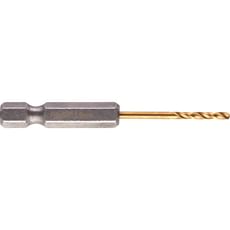
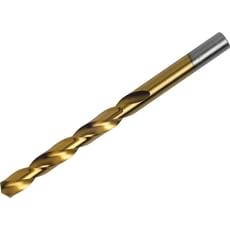
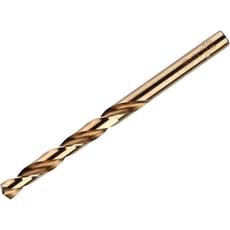
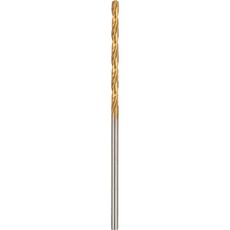
- A distinctive gold-coloured ceramic coating applied to HSS bits that increases surface hardness by approximately three times, reduces friction during drilling, and significantly extends drill bit life compared to uncoated variants.
- PointTeq Technology
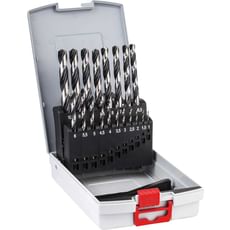
- Bosch's innovative tip geometry featuring a self-centring point that eliminates bit wander, enabling faster and more accurate drilling with less pressure required—particularly beneficial for sheet metal work.
- Shank Diameter
- The cylindrical portion of the drill bit that fits into the chuck. Most HSS bits feature round shanks in standard metric sizes designed to suit conventional three-jaw chucks on power drills.
Who Uses HSS Drill Bits?
HSS drill bits are essential equipment across numerous trades and applications:
- Engineers and Fabricators – drilling precise holes in steel components, metalwork fabrication, machinery maintenance, and prototype development
- Electricians (Sparkies) – creating cable entry points in steel enclosures, consumer units, trunking, and junction boxes
- Plumbers – drilling through pipework supports, radiator brackets, metal fixings, and boiler installations
- Carpenters and Joiners (Chippies) – pilot holes for screws, dowel holes, hinge installation, and general workshop drilling
- Motor Mechanics – drilling out seized bolts, creating mounting holes, exhaust work, and general automotive repair operations
- Maintenance Engineers – industrial repairs, equipment servicing, facility maintenance, and emergency breakdown work
- Steel Erectors and Metalworkers – structural steelwork, metal framing, architectural metalwork, and heavy-duty fabrication
- HVAC Engineers – installing ventilation systems, ductwork fixings, and air conditioning equipment
- DIY Enthusiasts – home improvement projects, furniture assembly, household repairs, and garage workshop tasks
- Agricultural Engineers – farm machinery repair and maintenance in both workshop and field environments
How to Choose the Right HSS Drill Bits
Material Being Drilled: Standard HSS-G bits effectively handle mild steel up to approximately 900 N/mm² tensile strength, along with wood, plastics, and soft metals. For harder materials including stainless steel, hardened steel, or cast iron, invest in HSS-Co cobalt bits which maintain their cutting edge at the higher temperatures these materials generate. Titanium-coated bits provide an excellent middle ground, offering enhanced durability at a more accessible price point than cobalt variants.
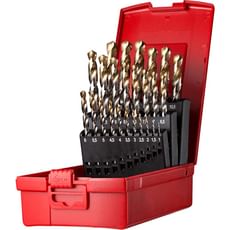
Set Configuration vs Individual Bits: Complete sets deliver superior value for money and ensure comprehensive coverage of commonly required sizes. Popular configurations include 13-piece sets (typically covering 1.5mm to 6.5mm in 0.5mm increments), 19-piece sets for extended diameter range, and comprehensive 99-piece collections for professional workshops requiring extensive size options. Individual replacement bits prove economical for replacing frequently used sizes that experience accelerated wear.
Diameter Range Requirements: Consider the typical hole sizes your work demands. Smaller diameter bits (1-3mm) excel at pilot holes, electronics work, and precision drilling. Mid-range bits (4-8mm) suit general engineering, metalwork fixings, and construction applications. Larger diameters (10-13mm) handle substantial fixings, structural bolts, and heavy-duty fabrication work.
Quality and Brand Considerations: Premium brands such as Bosch Professional offer superior metallurgy, precision grinding, and extended tool life—crucial factors for trade use where downtime costs money. Bosch's PointTeq range features self-centring tips that dramatically improve drilling accuracy and speed, particularly valuable when working with thin sheet metal or starting holes on sloped or curved surfaces where conventional bits tend to wander.
Coating Technology: Titanium nitride coating substantially reduces friction and heat buildup during drilling, extending bit life considerably—often by three times compared to uncoated equivalents. The characteristic gold colour also makes coated bits immediately identifiable in your toolkit. For the most demanding professional applications involving hard materials, HSS-Co cobalt bits justify their premium price through exceptional performance and longevity.
Popular Accessories
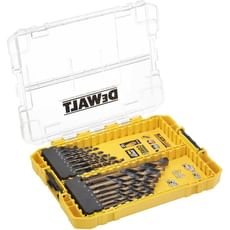
- Drill Bit Storage Cases – organised metal or plastic index cases to protect bits from damage and keep sizes easily identifiable
- Centre Punches – essential for accurately marking drilling locations and preventing bit wander on smooth metal surfaces
- Cutting Fluid and Lubricants – reduces heat and friction when drilling metal, significantly extending bit life and improving cut quality
- Drill Bit Sharpeners – restore worn HSS bits to like-new condition, maximising your investment and reducing replacement costs
- Screw Extractors – complementary tool for removing broken fasteners after drilling pilot holes
- Step Drill Bits – work alongside HSS bits for efficiently enlarging holes in sheet metal and thin materials
- Drill Stops and Depth Gauges – ensure consistent hole depths for professional results and prevent drilling through workpieces
- Quick-Change Chuck Adaptors – speed up bit changes on impact drivers and drill drivers during high-volume drilling operations
- Magnetic Bit Holders – secure drill bits firmly and extend reach in confined spaces
Safety Information
Always wear appropriate Personal Protective Equipment (PPE) when drilling with HSS bits. Safety glasses or goggles meeting EN166 standards are mandatory to protect against metal swarf and debris, which can cause serious eye injuries. When drilling metal, hot chips are ejected at high speed and can cause burns or penetrating injuries—adequate eye protection is not optional.
Secure workpieces properly using clamps, vices, or appropriate holding devices before drilling. Never hold small items by hand whilst drilling, as the bit can catch and spin the workpiece violently, causing hand injuries or broken fingers. When drilling through metal, the breakthrough moment can grab unexpectedly, particularly with larger diameter bits.
Be aware that HSS drill bits become extremely hot during use, especially when drilling steel or stainless steel. Allow adequate cooling time before handling, and never touch the bit immediately after drilling operations. Use appropriate cutting fluid where recommended to manage heat generation and improve cutting performance whilst extending bit life.
Ensure your drill is suitable for the material and bit diameter being used. Check the chuck capacity matches your drill bit shank diameter, and tighten the chuck securely before operation to prevent the bit slipping or ejecting during use. Follow HSE guidelines for power tool use, particularly regarding RPM limits for different bit diameters—larger bits must run at considerably slower speeds to prevent breakage and potential injury.
Frequently Asked Questions
What's the difference between HSS-G, HSS-R, and HSS-Co drill bits?
HSS-G (ground) bits are the standard choice for general drilling in mild steel, aluminium, wood, and plastics, featuring precision ground flutes for accuracy. HSS-R (rolled) bits are manufactured using a rolling process and suited to lighter-duty applications where precision is less critical. HSS-Co (cobalt) bits contain 5-8% cobalt alloy, making them significantly harder and more heat-resistant—essential for drilling stainless steel, hardened steel, cast iron, and other demanding materials. Cobalt bits cost more but deliver exceptional performance and longevity for professional metalworking applications.
How can I make my HSS drill bits last longer?
Use appropriate cutting speeds—slower RPM for larger diameter bits and harder materials. Apply cutting fluid when drilling metal to reduce heat and friction substantially. Ensure your drill bit remains sharp; a blunt bit generates excessive heat and wears rapidly. Use a centre punch to mark drilling locations, preventing the bit from wandering which damages the cutting edges prematurely. Store bits properly in an index case to prevent damage from contact with other tools, and avoid dropping them on concrete floors which can chip the delicate cutting edges or crack the bit entirely.
Can HSS drill bits be used in wood as well as metal?
Yes, HSS drill bits work perfectly well in wood, though dedicated wood bits with brad points or spurs may produce slightly cleaner holes with less splintering. HSS bits are ideal when you need one versatile set for mixed materials on site. They're particularly useful for drilling pilot holes for screws in both timber frames and metal fixings during the same job, making them extremely practical for general trade work where you're frequently switching between different materials.
What drill speed should I use with HSS bits?
Smaller diameter HSS bits (1-3mm) can run at higher speeds around 3000 RPM in mild steel, whilst larger bits (10mm+) require much slower speeds around 500-1000 RPM to prevent overheating and breakage. When drilling harder materials like stainless steel with HSS-Co bits, reduce speed by approximately 30-50% compared to mild steel settings. Most modern drills feature variable speed triggers allowing precise RPM control. Consult the bit manufacturer's recommendations for optimal speeds, and reduce speed if you notice excessive heat generation or smoking.
Are titanium-coated HSS bits worth the extra cost?
For regular trade use, titanium nitride coated HSS bits offer excellent value for money. The coating increases surface hardness by approximately three to four times, reduces friction significantly, and can triple the working life compared to uncoated bits. If you're drilling metal regularly, the increased initial cost is quickly recovered through reduced replacement frequency and faster drilling speeds. For occasional DIY use, standard HSS-G bits may suffice, but professionals drilling metal daily will benefit substantially from the enhanced performance and extended longevity of coated bits.
You can only select 3 filters in each section.
Please unselect an existing filter first.
Applying Filter...