

Jackets
Pay in 3 interest-free payments on purchases from £30-2000 with  . Learn more.
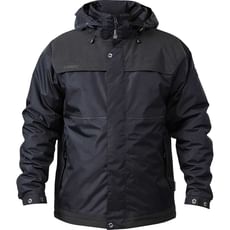
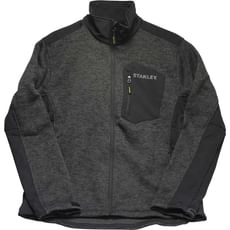
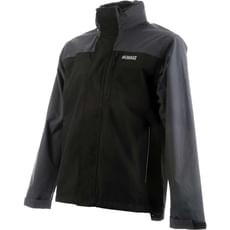
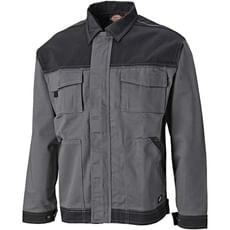

 Loading...
End of content
Error - No more pages to load
About Jackets
Professional work jackets represent an essential category of protective workwear designed to safeguard tradespeople, site workers, and serious DIY enthusiasts across diverse working environments throughout the UK. From flame-resistant jackets for welders and electricians to waterproof high-visibility options for outdoor construction sites, the right jacket delivers crucial protection against workplace hazards whilst maintaining comfort and unrestricted movement during physically demanding tasks. Modern work jackets combine advanced technical fabrics with practical design features including reinforced stress points, multiple secure pockets for tools and devices, and full compliance with relevant British and European safety standards.
Tooled-Up.com stocks a comprehensive selection of specialist work jackets encompassing flame-resistant garments from trusted brands like BizFlame and BizWeld, high-visibility outerwear for construction and roadside work, multi-norm protective jackets meeting multiple safety certifications simultaneously, and weather-resistant options from established manufacturers including Portwest, Dickies, Apache, and Scruffs. Whether working on a construction site in challenging British weather conditions, undertaking electrical installations requiring arc flash protection, or needing compliant PPE for hazardous industrial environments, selecting the appropriate jacket specification proves fundamental to both workplace safety and all-day comfort.
Many professional jackets feature innovative layering systems including 3-in-1 designs with removable inner jackets, breathable waterproof membranes preventing moisture ingress whilst managing perspiration, and lightweight insulation materials that perform effectively in the varied conditions typical of UK work sites. Specialist manufacturers provide certified protection against flames, chemical splash, electric arc hazards, and high-visibility requirements mandated by HSE regulations for roadside and low-light working conditions. Durable construction using 300D Oxford weave fabrics ensures these garments withstand the rigours of daily professional use, from abrasion against rough materials to repeated washing cycles that would quickly compromise standard outdoor clothing.
Jargon Buster
- Multi-Norm Protection: Jackets certified to meet multiple European safety standards simultaneously, such as flame resistance (EN ISO 11612), arc flash protection (EN 61482), high-visibility (EN ISO 20471), and chemical resistance. These versatile garments reduce the need for multiple specialist jackets when working across varied environments and eliminate the risk of wearing incorrect protection for specific tasks.
- Flame Resistant (FR): Fabrics engineered with inherent properties that cause them to self-extinguish when exposed to flames, preventing continued burning and significantly reducing burn injuries. Essential for welding, electrical work, and environments with ignition risks. Look for EN ISO 11612 or EN ISO 14116 certification markings on compliant garments to ensure tested protection levels.
- Arc Flash Rating: Protection level against electric arc hazards, measured in calories per square centimetre (cal/cm²). Critical for electricians and engineers working on or near live electrical equipment rated above 240v, with certification to EN 61482-1-2 (Class 1 or Class 2) indicating rigorously tested protection levels against thermal energy released during electrical faults.
- Hi-Vis Classification: High-visibility garments rated Class 1, 2, or 3 under EN ISO 20471, with Class 3 providing maximum visibility through greater areas of fluorescent background material and strategically positioned reflective tape. Class 3 jackets are typically required for roadside work, highway maintenance, and high-risk environments where vehicle traffic presents significant hazards.
- 3-in-1 Jacket: Versatile system featuring a waterproof outer shell and removable insulated inner jacket that can be worn separately or combined together, providing three distinct wearing configurations for different weather conditions, temperature ranges, and physical activity levels throughout the working day.
- 300D Oxford Weave: Durable fabric construction using polyester or nylon fibres in a basketweave pattern, offering excellent abrasion resistance and tear strength. The denier rating (300D) indicates fabric weight and durability, with higher numbers representing heavier, more robust materials suited to demanding trade applications.
Who Uses Jackets?
Professional work jackets serve as essential PPE across numerous trades and industries throughout the UK:
- Electricians and Electrical Engineers: Requiring arc-rated and flame-resistant jackets for protection against electrical hazards when working on distribution boards, substations, and industrial installations
- Welders and Metal Fabricators: Needing flame-resistant and spark-resistant outerwear with reinforced seams and no external pockets that could trap hot particles
- Construction Workers and Site Managers: Using high-visibility waterproof jackets for protection and visibility compliance on building sites across all weather conditions
- Road Workers and Highway Maintenance Teams: Requiring Class 3 high-visibility jackets for roadside safety compliance when working near moving traffic
- Warehouse and Logistics Staff: Benefiting from durable, comfortable jackets for indoor and outdoor goods handling in distribution centres
- Utility Workers: Including gas, water, and telecommunications engineers needing multi-norm protection when accessing underground services and working outdoors
- Agricultural and Groundwork Professionals: Requiring weather-resistant jackets for outdoor work throughout all seasons in exposed rural environments
- Oil and Gas Industry Workers: Needing multi-hazard protection including flame resistance, anti-static properties, and chemical splash resistance
- Maintenance Engineers: Across manufacturing, facilities management, and industrial sectors requiring versatile protective outerwear
- Serious DIY Enthusiasts: Undertaking challenging renovation and outdoor projects requiring proper protection in adverse weather conditions
How to Choose the Right Jackets
Identify Your Hazard Requirements: Begin by conducting a thorough assessment of your specific workplace risks. Do you need flame resistance for welding, cutting, or electrical work? Is high-visibility essential for your site location and traffic exposure? Are you potentially exposed to chemical splash, arc flash, or molten metal? Multi-norm jackets from the Tooled-Up range offer comprehensive protection if you regularly face multiple hazards, whilst standard durable workwear suffices for general construction and DIY applications without specific safety certification requirements.
Check Safety Certifications: Always verify that jackets meet relevant British and European standards appropriate to your working environment. Look for EN ISO 20471 for high-visibility requirements, EN ISO 11612 or EN ISO 14116 for flame resistance, EN 61482 for arc flash protection, and EN 343 for waterproofing performance. Your employer's formal risk assessment or HSE guidelines will specify required protection levels for your particular working environment, and self-employed tradespeople should consult HSE resources for guidance.
Consider Weather Protection: British weather patterns demand versatile outerwear capable of handling everything from driving rain to bitter cold winds. Waterproof jackets with fully sealed seams and breathable membranes prevent moisture ingress whilst effectively managing perspiration during physical work, preventing the clammy discomfort that reduces productivity. Insulated options or 3-in-1 systems provide thermal comfort across seasons. Consider whether you need year-round all-weather protection or prefer seasonal alternatives optimised for summer and winter conditions.
Evaluate Practical Features: Professional work jackets should incorporate multiple pockets for tools, mobile devices, documentation, and personal items, ideally with secure zip or Velcro closures preventing contents falling out when bending or climbing. Reinforced elbows, shoulders, and high-wear areas extend garment life significantly in demanding environments. Adjustable cuffs, hems, and hoods improve fit and seal out wind and rain effectively. Radio loops, transparent ID pocket windows, and internal cable routing demonstrate thoughtful workwear design from manufacturers like Portwest and Apache.
Ensure Proper Fit and Mobility: Work jackets must accommodate underlying base layers, fleeces, or tool vests without restricting movement during reaching, bending, climbing ladders, and other physical activities. Many modern designs incorporate stretch fabric panels or articulated cuts in shoulders and elbows for enhanced mobility. Consider whether you'll wear the jacket over additional insulation or equipment when selecting your size, and remember that overly tight garments restrict movement whilst excessively loose jackets present snag hazards near machinery and scaffolding.
Prioritise Durability and Maintenance: Heavy-duty 300D Oxford weave fabrics withstand abrasion from tools, building materials, and rough surfaces far better than lightweight consumer alternatives. Check washing instructions carefully—many flame-resistant garments require specific care routines to maintain protective properties throughout their service life. Consider whether key components like zips, buttons, and elastic cuffs are replaceable for extending overall garment life and reducing long-term costs.
Popular Accessories
- Work Trousers: Coordinating flame-resistant or high-visibility trousers to complete compliant workwear ensembles meeting matched safety standards
- High-Visibility Vests: Additional layering options for varying visibility requirements throughout the working day or when jackets are removed during warmer periods
- Base Layers and Thermal Underwear: Moisture-wicking garments providing temperature regulation beneath protective jackets without adding excessive bulk
- Work Fleeces: Insulating mid-layers compatible with 3-in-1 jacket systems or worn as standalone autumn and spring outerwear
- Safety Helmets and Hard Hats: Essential head protection complementing body protection on construction sites and industrial facilities
- Work Gloves: Hand protection in matching specifications including flame-resistant, cut-resistant, and waterproof options
- Safety Footwear: Steel toe-cap boots and safety trainers completing comprehensive personal protective equipment ensembles
- Tool Belts and Pouches: Supplementing jacket pocket storage for frequently-used hand tools and fixings
- Replacement Zips and Fastenings: Extending jacket service life through simple repairs rather than complete replacement
- Specialist Garment Care Products: Approved detergents and reproofing treatments for maintaining flame-resistant properties and waterproof coatings
Safety Information
Work jackets classified as personal protective equipment (PPE) must be selected based on thorough workplace risk assessments as required by Health and Safety Executive regulations. Employers carry legal obligations to provide suitable PPE free of charge where hazards cannot be eliminated through other control measures, and employees must use provided equipment correctly and report any defects, damage, or contamination immediately to supervisors.
Flame-resistant and arc-rated jackets lose their protective properties if contaminated with flammable substances including oils, greases, solvents, or accelerants. Never wash FR garments with standard household detergents containing fabric softeners or bleach, as these chemicals compromise protective treatments and render certification invalid. Always follow manufacturer care instructions precisely and withdraw damaged garments from service immediately—any repairs must only be undertaken using approved materials and methods that maintain original certification standards.
High-visibility jackets must provide sufficient fluorescent colour contrast and reflective tape area for the specific risk environment. Class 3 garments are mandatory for roadside work and high-traffic areas under Construction (Design and Management) Regulations and must be worn whenever working within close proximity to moving vehicles. Faded, torn, or contaminated high-visibility clothing no longer meets EN ISO 20471 standards and must be replaced promptly to maintain legal compliance and personal safety.
Ensure jackets fit correctly for your build and working requirements—oversized garments present dangerous snag hazards near rotating machinery, scaffolding, and vehicle components, whilst undersized jackets restrict movement and may not provide complete protective coverage. Never modify safety-critical garments by removing reflective tape, altering seam construction, or adding non-compliant attachments that could compromise certification. Store jackets away from direct sunlight, chemicals, and excessive heat sources to preserve fabric integrity and protective properties throughout their service life.
Frequently Asked Questions
What's the difference between flame-resistant and flame-retardant jackets?
Flame-resistant (FR) fabrics possess inherent protective properties woven into the fibre structure that last the garment's entire lifetime, whilst flame-retardant treatments involve chemical applications to standard fabrics that may diminish progressively with washing and general wear. FR garments meeting EN ISO 11612 or EN ISO 14116 provide reliable, long-lasting protection for welding, electrical work, and other high-heat environments, making them the strongly preferred choice for regular occupational use rather than occasional applications.
How do I know what class of high-visibility jacket I need?
High-visibility classification depends entirely on your working environment's assessed risk level and traffic exposure. Class 1 jackets suit low-risk areas with minimal vehicle traffic and adequate ambient lighting conditions. Class 2 provides enhanced visibility for moderate-risk environments like warehouses, car parks, and quiet roads. Class 3 offers maximum visibility through substantially greater fluorescent background material coverage and reflective tape placement, legally required for roadside work, highway maintenance, and any environment where high-speed vehicle traffic presents significant hazards. Your employer's formal risk assessment will specify the appropriate class, or consult HSE guidance documents for self-employed tradespeople.
Can I wear a standard outdoor waterproof jacket for site work?
Standard consumer outdoor waterproof jackets typically lack the durability, safety features, and certifications required for construction and trade environments. Professional work jackets incorporate reinforced fabrics specifically resistant to abrasion and tearing from tools and materials, multiple secure tool pockets positioned for accessibility, compliance with relevant safety standards (high-visibility, flame resistance), and cuts designed specifically for physical work movements. Whilst more expensive initially, purpose-built work jackets available from Tooled-Up provide significantly better value through extended service life and proper workplace protection compared to consumer outdoor clothing that wears rapidly under site conditions.
How should I care for my flame-resistant jacket?
Always wash FR garments separately from standard clothing using mild detergent specifically approved for flame-resistant fabrics—never use fabric softeners, bleach, starch, or biological detergents as these compromise protective properties irreversibly. Wash at temperatures recommended by the manufacturer (typically 60°C maximum), tumble dry on low heat settings or line dry naturally, and avoid dry cleaning unless the garment label explicitly permits this method. Inspect regularly for damage, contamination, excessive wear, or fading, and replace promptly when protection appears compromised. Proper care routines maintain certification compliance and extend garment service life significantly, providing better long-term value.
Are expensive branded jackets worth the investment compared to budget options?
Premium brands like Portwest, Dickies, Apache, and specialist safety manufacturers invest heavily in advanced fabric technology, ergonomic design research, and rigorous testing programmes that exceed minimum standards considerably. Whilst meeting basic certification requirements, higher-priced jackets typically offer superior comfort, durability, breathability, and practical features that reduce fatigue and increase productivity over extended working days. For professional daily use in demanding environments, quality jackets provide demonstrably better value through extended lifespan, maintained protection levels throughout that lifespan, and reduced replacement frequency compared with budget alternatives that may meet minimum standards initially but wear quickly under demanding trade conditions.