

Jacks, Lifting Gear & Stands

Pay in 3 interest-free payments on purchases from £20-£3000 with  . Learn more.



 Loading...
End of content
Error - No more pages to load
About Jacks, Lifting Gear & Stands
Jacks, lifting gear and stands are essential equipment for anyone who needs to safely raise, support or manoeuvre heavy loads, whether working on vehicles, machinery or construction projects. This comprehensive category encompasses everything from compact bottle jacks and trolley jacks through to professional-grade engine cranes, hoists, and transmission jacks. The right lifting equipment not only makes challenging tasks manageable but is absolutely critical for workplace safety, helping tradespeople and DIY enthusiasts work beneath vehicles and handle heavy components with confidence.
The selection at Tooled-Up.com includes hydraulic jacks for raising vehicles, robust axle stands for secure support during maintenance, specialised motorcycle lifts, car ramps for quick access, and heavy-duty hoists and chain blocks for lifting engines and other substantial loads. Whether you're a mobile mechanic working on-site, a garage owner equipping a professional workshop, or a home DIY enthusiast maintaining your own vehicle, selecting the appropriate jack or lifting gear matched to your load capacity requirements is fundamental to working safely and efficiently.
All lifting equipment should comply with relevant British and European standards (BS/EN), with proper load ratings clearly marked. Remember that jacks are designed for raising loads, whilst axle stands or other supports must always be used to hold the load securely during any work beneath. Never rely solely on a jack to support a vehicle or heavy equipment whilst working underneath – this is a critical safety principle endorsed by the HSE.
Jargon Buster
- Tonne Rating / Load Capacity: The maximum weight a jack or stand can safely lift or support, typically expressed in tonnes (e.g., 2 tonne, 3 tonne). Always check your vehicle or load weight and choose equipment with adequate capacity, allowing for a safety margin.
- Hydraulic Ram: The cylinder mechanism in hydraulic jacks that uses fluid pressure to generate lifting force. Hydraulic systems provide smooth, controlled lifting with relatively little physical effort required.
- Lifting Height / Range: The minimum and maximum height a jack can reach. This includes the saddle height (lowest point) and maximum extension, which determines whether it can fit under low-profile vehicles and reach necessary working heights.
- Saddle: The top platform or contact point of a jack that makes direct contact with the vehicle or load. Some feature rubber padding to protect surfaces, whilst others have grooved or adjustable saddles for different jacking points.
- SWL (Safe Working Load): The maximum load that lifting equipment is designed to handle under normal working conditions. Always stay within the SWL and never exceed the manufacturer's specifications.
- Jacking Point: The designated reinforced areas on a vehicle's chassis or body where a jack should be positioned. Using incorrect jacking points can cause serious damage or dangerous instability.
Who Uses Jacks, Lifting Gear & Stands?
Jacks, lifting gear and stands are used daily by a wide range of professionals and enthusiasts:
- Mobile mechanics and auto electricians requiring portable lifting solutions for roadside and on-site vehicle repairs
- Garage owners and motor technicians performing routine servicing, brake repairs, suspension work and exhaust replacements
- MOT testing stations needing reliable equipment for vehicle inspections and safety checks
- Bodywork specialists and paint shops who need to access vehicle undersides and position vehicles at working height
- HGV and commercial vehicle workshops requiring heavy-duty jacks and stands for larger vehicles
- Agricultural engineers and farmers maintaining tractors, machinery and farm equipment
- Plant hire companies and construction sites using lifting gear for machinery maintenance
- Motorcycle mechanics and enthusiasts using specialised motorcycle lifts and paddock stands
- DIY enthusiasts and home mechanics carrying out their own vehicle maintenance and repairs
- Classic car restorers working on long-term vehicle projects requiring extended support periods
How to Choose the Right Jacks, Lifting Gear & Stands
Load Capacity: This is your primary consideration. Check your vehicle or equipment weight (found in the owner's manual or V5C document) and select jacks and stands with a capacity exceeding this weight. For vehicles, a 2-tonne jack typically suits most family cars, whilst 3-tonne models handle larger vehicles, SUVs and light commercial vehicles. Always allow a safety margin.
Lifting Height Range: Measure the ground clearance of your vehicle, particularly if you have a lowered or sports car requiring a low-profile jack with minimal saddle height. Equally important is the maximum lift height – ensure it provides sufficient clearance for your intended work and that your axle stands can support at the appropriate height.
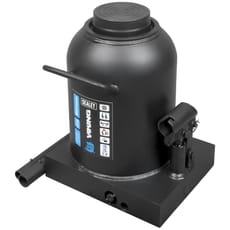
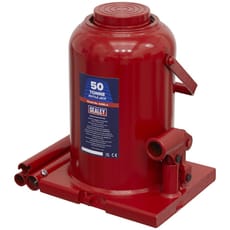
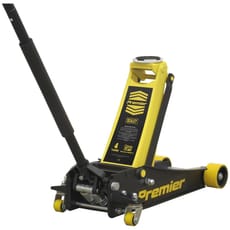
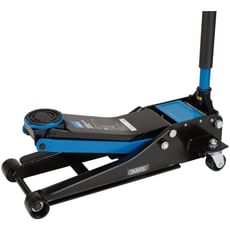
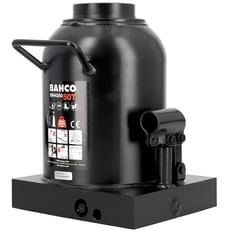
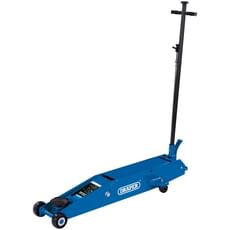
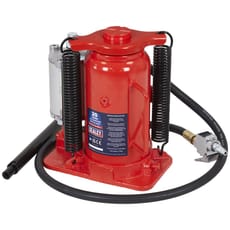
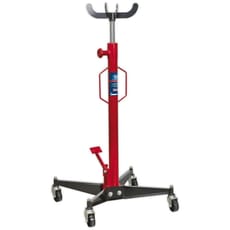
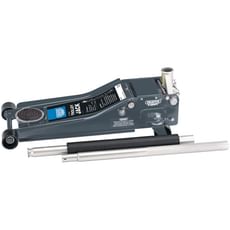
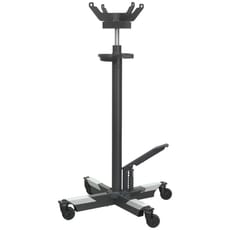
Type of Jack: Trolley jacks offer excellent manoeuvrability and stability for workshop use, making them ideal for garages. Bottle jacks provide high capacity in a compact size, perfect for emergency kits or limited storage spaces. Scissor jacks are lightweight and portable but generally lower capacity. Farm jacks excel in off-road recovery situations, whilst transmission jacks are purpose-built for removing gearboxes and similar components.
Build Quality and Standards: Look for jacks and stands manufactured to BS/EN standards with clear certification. Professional equipment from established brands typically features heavier gauge steel, better seals on hydraulic rams, and more stable bases. Check for features like safety overload valves and bypass mechanisms that prevent over-extension.
Portability Requirements: If you're a mobile mechanic or need to transport equipment between sites, consider weight and whether the jack has wheels for movement. Bottle jacks are highly portable but require separate positioning, whilst trolley jacks are easier to manoeuvre into place but bulkier to transport.
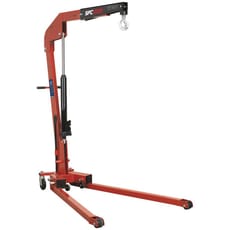
Workspace and Storage: Consider your available workshop space. Trolley jacks require floor space for manoeuvring, whilst bottle jacks and stands store more compactly. Engine cranes need significant clearance but many models fold for storage.
Popular Accessories
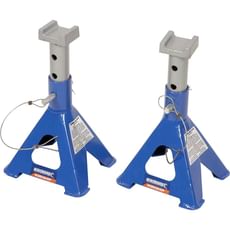
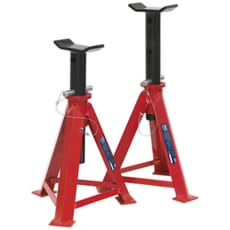
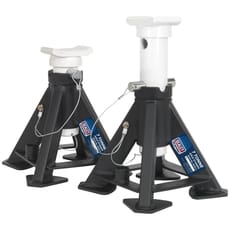
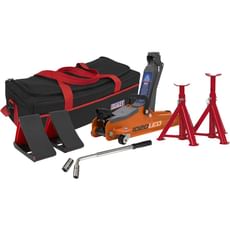
- Axle Stands: Absolutely essential safety equipment – always use stands to support any raised vehicle, never work under a vehicle supported only by a jack
- Jack and Stand Accessories: Including rubber saddle pads to protect vehicle sills, jack point adapters, and saddle extensions for different applications
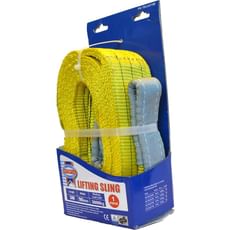
- Lifting Straps and Slings: For use with engine cranes and hoists, with various load ratings and configurations
- Wheel Trolleys: Make moving vehicles with seized wheels or in confined spaces much easier
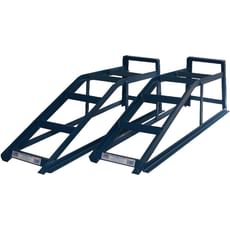
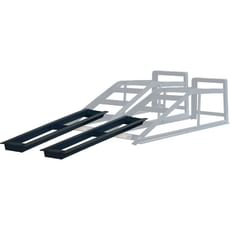
- Car Ramps: Provide quick access for oil changes and inspections without jacking
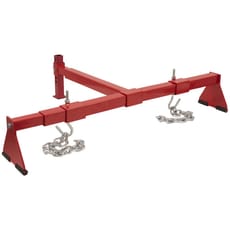
- Jacking Beams: Allow you to lift one side of a vehicle with a single jacking point
- Trolley Jack Covers: Protect your jack from dust and workshop debris when stored
- Workshop Creepers: Low-profile wheeled boards for working under raised vehicles comfortably
- Load Levellers: For engine cranes, helping balance and position engines during removal and installation
- Magnetic Parts Trays: Keep fixings and small components organised whilst working
Safety Information
Working with jacks and lifting equipment involves significant risks if not done properly. Following HSE guidelines and basic safety principles is essential:
Never work under a vehicle supported only by a jack. Hydraulic jacks can fail, seals can leak, and mechanical jacks can slip. Always use properly rated axle stands or other support stands once the vehicle is raised. Position stands on solid jacking points and ensure they're fully engaged before lowering the jack's pressure slightly to transfer the load.
Work on firm, level ground. Jacks and stands must sit on solid, level surfaces – never use them on soft ground, steep slopes, or uneven surfaces. In workshops, ensure the floor is clean and free from oil or fluids that could cause slippage. Consider using wooden boards under jacks on softer surfaces to distribute load, but ensure this doesn't compromise stability.
Check equipment before each use. Inspect jacks for hydraulic fluid leaks, damaged rams, worn wheels, and any signs of cracks or stress in the frame. Check axle stands for bent or damaged pins, worn ratchets, and stable bases. Any damaged equipment should be withdrawn from service immediately.
Observe load ratings. Never exceed the Safe Working Load (SWL) of any equipment. When lifting one end of a vehicle, remember you're lifting approximately half the vehicle weight, but uneven weight distribution means the front is typically heavier than the rear in front-wheel-drive vehicles.
Secure the vehicle. Apply the parking brake, leave the vehicle in gear (or Park for automatics), and chock the wheels that remain on the ground. If raising all four corners, use proper sequencing and multiple stands with adequate capacity.
Regular maintenance: Keep hydraulic jacks properly maintained with clean hydraulic oil, store them with rams retracted, and release pressure when not in use. This extends their life and maintains safety. Always refer to manufacturer guidelines for specific maintenance requirements.
Frequently Asked Questions
Q: What's the difference between a 2-tonne and 3-tonne trolley jack, and which do I need?
A: The number refers to the maximum lifting capacity. A 2-tonne (2000kg) jack suits most family cars, hatchbacks and saloons, whilst a 3-tonne (3000kg) jack is necessary for larger vehicles like SUVs, 4x4s, vans and light commercial vehicles. Check your vehicle's kerb weight in the owner's manual or V5C document. It's always wise to choose a jack with capacity above your vehicle weight for safety margin and to account for weight distribution – when lifting one end, you're raising roughly half the vehicle weight, but the front is usually heavier.
Q: Can I use a jack on its own, or do I really need axle stands?
A: You absolutely must use axle stands whenever working beneath a raised vehicle. Jacks are designed for lifting, not for holding loads. Hydraulic seals can fail, release valves can leak, and mechanical components can slip – all potentially fatal if you're underneath. This isn't just best practice; it's fundamental safety endorsed by the HSE. Use the jack to raise the vehicle, position properly-rated axle stands at designated jacking points, then lower the vehicle onto the stands before beginning any work underneath.
Q: What does "low profile" mean, and do I need a low-profile jack?
A: Low-profile jacks have a reduced saddle height (the minimum height when fully lowered), typically around 75-90mm compared to 130-155mm for standard jacks. You'll need a low-profile model if you have a sports car, lowered vehicle, or any car with minimal ground clearance that a standard jack won't fit beneath. Measure your vehicle's ground clearance at the jacking points before purchasing – if it's less than 130mm, you'll likely need a low-profile jack.
Q: How do I know where to position my jack and stands on my vehicle?
A: Your vehicle's owner's manual will show designated jacking points – these are reinforced areas of the chassis or body designed to bear the vehicle's weight. Common locations include reinforced sills along the sides, cross-members underneath, or specific points on the rear axle or front subframe. Never position jacks or stands on bodywork panels, the exhaust, suspension components, or the engine sump. Many vehicles have small notches or marks indicating correct jacking points. Using wrong locations can cause serious damage or dangerous instability.
Q: Where can I buy quality jacks and lifting equipment in the UK?
A: Tooled-Up stocks a comprehensive range of jacks, lifting gear and stands suitable for both professional tradespeople and DIY enthusiasts. From compact bottle jacks to heavy-duty engine cranes, all equipment meets relevant BS/EN standards with clear load ratings. Browse the selection online with detailed specifications, customer reviews, and fast UK delivery to help you choose the right lifting equipment for your specific requirements.