

Kitchen Worktop Router Bits

Pay in 3 interest-free payments on purchases from £20-£3000 with  . Learn more.
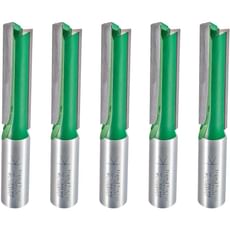
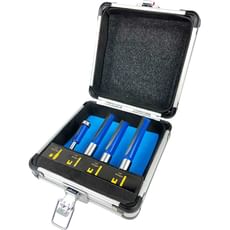
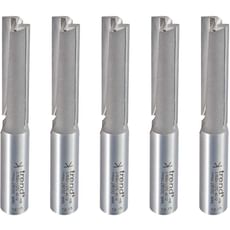
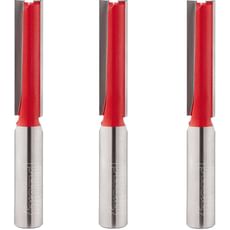
 Loading...
End of content
Error - No more pages to load
About Kitchen Worktop Router Bits
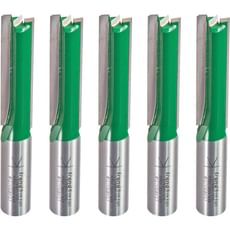
Kitchen worktop router bits are precision-engineered cutting tools designed specifically for the fabrication and installation of kitchen worktops. These professional-grade cutters enable tradespeople to create seamless joints between worktop sections, produce perfectly clean cutouts for sinks and hobs, and achieve tight-fitting joints with minimal tolerance. Whether working with laminate, solid wood, composite materials, or engineered stone, having the correct router bits is fundamental to achieving professional results that meet the exacting standards of modern kitchen installation.
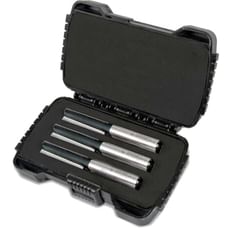
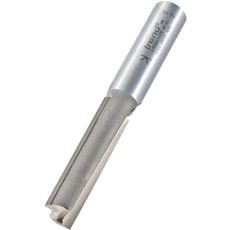
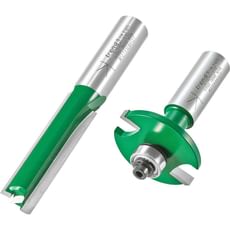
Tooled-Up.com stocks a comprehensive range of kitchen worktop router bits, including complete fitter packs and individual cutters from industry-leading manufacturers such as Trend, Freud, and Sirius. These sets typically contain everything required for complete worktop installation projects, including straight cutters for joint preparation, bearing-guided profilers for creating matching male and female joint profiles, and specialist cutters designed to work with popular worktop jig systems. Most professional kitchen fitters favour 1/2" shank router bits for their superior rigidity and stability when making demanding cuts through thick worktop materials, with the larger shank diameter significantly reducing vibration and chatter.
The router bits available from Tooled-Up are specifically engineered to handle the unique challenges of worktop installation work, including cutting through abrasive laminate surfaces without chipping, creating precision joints with tolerances measured in fractions of a millimetre, and producing clean edges that require minimal finishing. Many worktop router cutter sets include multiple pieces covering all aspects of kitchen fitting work, from initial rough cuts through to final finishing touches. Tungsten carbide-tipped (TCT) construction ensures these cutters maintain their sharp cutting edges even when working with highly abrasive materials, whilst features such as Perma-Shield coatings reduce heat build-up and prevent resin accumulation during extended use.
Jargon Buster
- Worktop Jig: A precision alignment system that guides your router to create perfectly matching male and female profiles for joining two worktop sections together. The jig ensures consistent cuts and tight-fitting joints with professional results every time.
- 1/2" Shank: The diameter of the router bit's shaft that fits into the router collet. The 1/2" (12.7mm) shank is the professional standard for worktop routing as it provides superior rigidity and dramatically reduced vibration compared to smaller 1/4" (6mm) shanks.
- Two Flute Cutter: A router bit with two cutting edges that provides an excellent balance between cutting speed and finish quality. Two flute cutters are ideal for laminated worktops as they clear waste material efficiently whilst producing clean, chip-free edges.
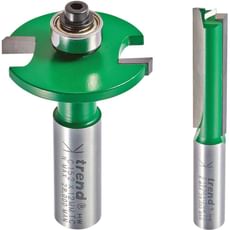
- Bearing-Guided: Router bits fitted with a ball-bearing pilot that runs along a template or edge to control the cutting depth and profile. This design ensures consistent results when creating matching joint profiles and eliminates the need for complex fence setups.
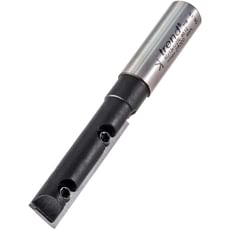
- Rota-Tip: A specialist worktop cutter system featuring replaceable carbide tips, allowing you to refresh cutting edges without replacing the entire bit. This makes them highly cost-effective for professional kitchen fitters who work on regular installations.
- TCT (Tungsten Carbide Tipped): Router bits with cutting edges made from tungsten carbide, a extremely hard material that maintains sharpness when cutting abrasive laminate surfaces. Essential for professional worktop installation work.
Who Uses Kitchen Worktop Router Bits?
- Kitchen fitters and installers who specialise in worktop fabrication and installation
- Carpenters and joiners undertaking kitchen renovation and installation projects
- Shopfitters working on commercial catering installations and restaurant kitchens
- General builders who include kitchen fitting within their service offering
- Bathroom fitters installing vanity units and countertops
- DIY enthusiasts tackling kitchen renovation projects with professional-quality tools
- Worktop manufacturers and fabricators preparing made-to-measure surfaces
- Property developers and maintenance teams fitting multiple kitchens
- Joinery workshops producing bespoke kitchen installations
- Facilities maintenance teams in commercial properties
How to Choose the Right Kitchen Worktop Router Bits
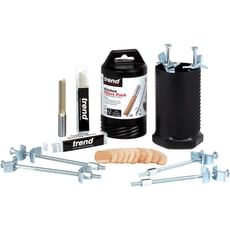
When selecting kitchen worktop router bits, first consider whether you need a complete fitter's pack or individual cutters. If you regularly install worktops, a comprehensive set such as the Trend 18 Piece Kitchen Router Fitters Pack provides excellent value and ensures you have the right cutter for every situation encountered on site. For occasional use or specific replacement requirements, individual bits may prove more economical.
The shank size is absolutely critical for worktop work – always opt for 1/2" shank router bits if your router accepts them. The increased rigidity significantly reduces vibration and chatter, resulting in cleaner cuts, longer cutter life, and safer operation. Ensure your router has sufficient power (typically 1,200W minimum, though 1,800W or higher is preferred for professional use) to handle these larger bits safely and maintain consistent cutting speed under load.
Consider the worktop materials you'll be cutting most frequently. Tungsten carbide-tipped (TCT) cutters are essential for laminate worktops as they resist the highly abrasive nature of the material. If you're working predominantly with solid wood worktops, ensure your bits have adequate clearance angles to prevent burning and achieve smooth finishes that require minimal sanding.
Think carefully about cutter system compatibility. If you're using a specific worktop jig system, verify that the router bits are designed to work with that particular jig. Both Trend and Freud offer cutters specifically matched to popular worktop jig systems, ensuring proper joint alignment and perfect fit. Many kitchen fitters prefer to stay within one manufacturer's system to guarantee compatibility across their toolkit.
For professional kitchen fitters working on multiple installations throughout the year, consider investing in Rota-Tip style cutters with replaceable tips. Whilst the initial investment is higher than standard cutters, the ability to replace just the cutting tips rather than the entire bit provides significant long-term savings and reduces downtime on site when cutting edges become dull.
Popular Accessories
- Worktop jigs for creating perfect joints and precise cutouts
- Router guide bushes for template work and jig compatibility
- Collet extensions for increased reach in deeper cuts
- Router bit storage cases to protect cutters and keep sets organised
- Cutting lubricants and wax sticks to reduce heat and extend cutter life
- Template guides for sink and hob cutouts
- Dust extraction accessories for cleaner working and better visibility
- Digital callipers for precise measurement of joint profiles
- Router baseplates for improved stability on narrow worktop edges
- Variable speed routers rated at 1,800W or higher for professional use
- Replacement bearings for bearing-guided router bits
- Torx or hex keys for adjusting Rota-Tip systems
Safety Information
Kitchen worktop router bits are large, heavy-duty cutters that demand strict adherence to safety procedures. Always wear appropriate PPE including safety glasses or a full face shield, hearing protection, and a dust mask or respirator rated at least FFP2 when routing. The fine dust produced when cutting laminate worktops can be particularly hazardous to respiratory health and falls under COSHH regulations for workplace exposure.
Never exceed the maximum speed rating marked on router bits. Large-diameter worktop cutters must be run at reduced RPM to keep the rim speed within safe limits – consult the manufacturer's speed charts and adjust your router's variable speed control accordingly. Running bits too fast creates excessive heat, premature wear, potential breakage, and serious safety risks.
Always ensure your router is unplugged from the 240v mains supply when changing bits. Check that the collet is clean and free from resin build-up, and that bits are securely tightened before use. The 1/2" shank must be inserted fully into the collet with at least three-quarters of the shank length engaged, leaving no gaps. Make test cuts on scrap material to verify your setup before working on actual worktops.
Maintain a firm two-handed grip on your router at all times and ensure the workpiece is securely clamped to a stable work surface. Never attempt to rout freehand when working with worktop cutters – always use a guide fence, template, or jig system. Keep your work area well-lit and free from trip hazards, and ensure adequate dust extraction is in place to maintain visibility and air quality in accordance with HSE guidance on workplace dust control.
Frequently Asked Questions
What's the difference between a kitchen fitters pack and buying individual bits?
Kitchen fitters packs include a carefully curated selection of router bits specifically chosen for worktop installation work, typically including joint cutters, trimmers, edge profilers, and template followers. They offer significantly better value than buying bits individually and ensure you have matched cutters for creating perfect joints with consistent profiles. Individual bits are more suitable if you only need to replace specific worn cutters or perform particular specialised tasks.
Can I use 1/4" shank router bits for worktop work?
Whilst technically possible for very light-duty work, 1/4" shank bits are not recommended for professional worktop installation. The smaller shank diameter provides insufficient rigidity, leading to increased vibration, poorer cut quality, potential deflection during cutting, and serious safety risks. Always use 1/2" shank bits for worktop routing to ensure professional results and safer operation, particularly when working with dense materials or making deep cuts.
How long do worktop router bits last?
Lifespan depends heavily on usage frequency, materials being cut, and maintenance practices. When cutting abrasive laminate worktops, a quality TCT cutter might handle 20-30 worktop joints before requiring replacement or professional sharpening. Cutters with replaceable tips like Rota-Tip systems can be refreshed multiple times, significantly extending their useful life and providing better long-term value. Always inspect bits regularly for damage, excessive wear, or dull cutting edges, and retire any bits showing signs of damage immediately.
Do I need a worktop jig to use these router bits?
Many worktop router bits are specifically designed to work with worktop jig systems that ensure accurate alignment and consistent joint profiles. Whilst some basic operations such as trimming can be performed with guide fences, achieving professional-quality tight-fitting joints with male and female profiles typically requires a proper worktop jig. Consider investing in a jig system if you're undertaking multiple installations, as the improved accuracy and consistency will quickly justify the investment.
What router power do I need for worktop bits?
A minimum of 1,200W is recommended for occasional worktop work, but professional kitchen fitters should consider routers rated at 1,800W or higher for regular use. More powerful routers maintain consistent speed under load, produce cleaner cuts with less burning, and handle large-diameter worktop bits more safely and efficiently. Ensure your router has variable speed control to match the correct RPM to your bit diameter, and preferably soft-start functionality to reduce the initial torque when starting cuts.