

Ladies Work Shirts
Pay in 3 interest-free payments on purchases from £30-2000 with  . Learn more.
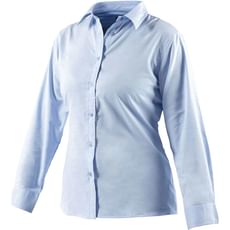
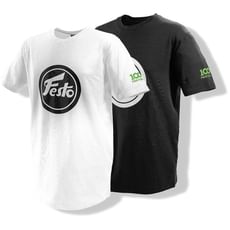
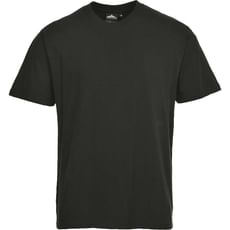
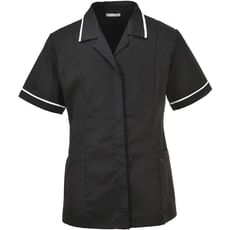
 Loading...
End of content
Error - No more pages to load
About Ladies Work Shirts
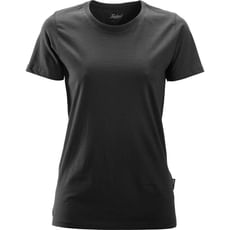
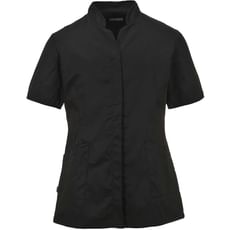
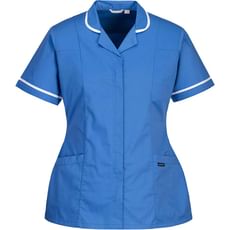
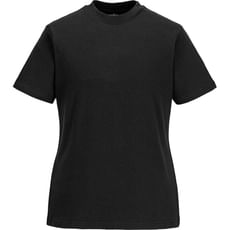
Ladies work shirts are specialist garments engineered to meet the demanding requirements of professional women across healthcare, hospitality, beauty, trade, and industrial sectors. Unlike standard retail clothing, these purpose-built work shirts combine professional appearance with practical functionality, featuring reinforced construction that withstands frequent industrial washing, moisture-wicking fabrics for all-day comfort during physically demanding shifts, and thoughtful design elements like strategic pocket placements and stretch panels. The collection at Tooled-Up.com spans classic healthcare tunics, contemporary work t-shirts, thermal base layers, and smart Oxford weave shirts, providing essential workwear solutions for female professionals who need clothing that performs as hard as they do.
Available from leading workwear specialists including Portwest, Snickers, and Dickies, these garments are constructed with specific workplace requirements in mind. Healthcare tunics feature wrap styles and clinical-appropriate colours that comply with infection control policies, whilst work t-shirts for tradeswomen prioritise durability and freedom of movement. Fabric technologies include polycotton blends that balance comfort with easy-care properties, stretch materials that accommodate active roles, and thermal base layers designed for cold storage and outdoor environments. Each garment incorporates professional-grade features such as colourfast dyes, reinforced stitching at stress points, and fabrics that maintain their shape and appearance through repeated high-temperature washing cycles.
Whether you're a nurse requiring infection control-compliant tunics, a care home worker needing comfortable wrap-style garments, a tradeswoman seeking robust casual workwear for site work, or a beauty professional needing smart presentation, selecting appropriate ladies work shirts ensures you maintain professional standards whilst enjoying the comfort and durability essential for demanding work environments.
Jargon Buster
- Tunic
- A longer-length work shirt typically falling below hip level, commonly worn in healthcare, care home, and beauty sectors. Features side vents or wrap designs for ease of movement and usually includes multiple pockets for carrying essential work items like pens, scissors, and clinical equipment.
- Thermal Base Layer
- A close-fitting underlayer designed to trap body heat whilst wicking moisture away from the skin. Essential for women working in cold stores, outdoor environments, or unheated workshops during winter months, providing warmth without bulk under outer workwear.
- Stretch Fabric
- Material incorporating elastane or similar fibres that provide mechanical stretch, allowing garments to move with the body without restricting movement. Particularly valuable for active roles requiring bending, lifting, and reaching throughout shifts.
- Industrial Wash
- High-temperature commercial laundry processes (typically 60-85°C) used in healthcare and hospitality to ensure proper sanitisation. Work shirts must withstand repeated industrial washing without shrinking, fading, or deteriorating in quality.
- Moisture-Wicking
- Fabric technology that draws perspiration away from the skin to the garment's outer surface where it can evaporate, keeping the wearer dry and comfortable during physically demanding work in warm environments or active roles.
- Wrap Style
- A tunic design that crosses over at the front and typically fastens at the side or back with press studs, allowing easy adjustment and a flattering fit for different body shapes. Popular in care homes and clinical settings for its professional appearance and versatility.
Who Uses Ladies Work Shirts?
Ladies work shirts serve professionals across numerous sectors requiring practical, durable, and presentable workwear:
- Healthcare Workers: Nurses, care assistants, dental practitioners, physiotherapists, and occupational therapists requiring infection-control compliant tunics and work shirts
- Care Home Staff: Support workers, activity coordinators, and care managers needing comfortable, smart tunics for residential and nursing home environments
- Beauty and Wellness Professionals: Beauticians, massage therapists, spa workers, and salon staff requiring professional appearance with practical functionality
- Hospitality Workers: Hotel housekeeping staff, catering assistants, and cleaning professionals needing durable, easy-care work shirts
- Tradeswomen: Electricians, plumbers, carpenters, and decorators requiring comfortable casual work t-shirts for site work
- Warehouse and Logistics Staff: Order pickers, dispatch personnel, and distribution centre workers needing breathable, hard-wearing work shirts
- Retail and Customer Service: Shop assistants, receptionists, and front-of-house staff requiring smart casual workwear
- Facilities and Maintenance: Building services technicians and maintenance personnel needing practical work shirts for varied tasks
How to Choose the Right Ladies Work Shirts
Consider Your Work Environment: Healthcare and clinical settings often require specific colours (typically white, navy, or light blue) and styles that comply with infection control policies. Ensure garments can withstand industrial washing at 60°C or higher. For trade environments, prioritise durability and comfort over formal appearance, with darker colours that don't show marks easily during site work.
Fabric Selection: Polycotton blends (typically 65% polyester, 35% cotton) offer the best balance of durability, comfort, and easy-care properties for most work environments. Pure cotton provides superior breathability for hot kitchens or active roles but may require more ironing. Technical fabrics with stretch properties enhance comfort for physically demanding positions involving frequent movement, bending, and lifting.
Fit and Sizing: Proper fit is essential for all-day comfort and professional appearance. Work shirts should allow free movement without being excessively loose. Browse the selection at Tooled-Up.com for styles with stretch panels or elasticated waists for adjustability. Many healthcare tunics feature wrap or crossover designs that accommodate different body shapes and can be adjusted throughout the day for optimal comfort.
Functional Features: Assess pocket requirements based on what you need to carry – pens, scissors, phones, notebooks, or clinical equipment. Consider whether you need concealed fastenings (press studs are easier than buttons for frequent changing), length options (regular or longer for taller women), and sleeve lengths appropriate to your role and season. Long-sleeve Oxford weave shirts provide smart professional appearance, whilst short-sleeve t-shirts offer better ventilation for active work.
Maintenance Requirements: If garments require industrial washing, ensure they're designed for this from the outset. Check care labels for maximum wash temperatures and whether tumble drying is permitted. Easy-care fabrics that resist creasing save considerable time and effort, particularly valuable when managing multiple uniform pieces for shift work or weekly rotation patterns.
Brand Reputation: Established workwear specialists like Portwest, Snickers, and Dickies engineer their garments specifically for workplace demands, with reinforced construction, colourfast dyes, and consistent sizing. Investment in quality workwear from recognised brands typically delivers better longevity and performance than budget alternatives, reducing replacement costs over time.
Popular Accessories
- Work Trousers and Skirts: Coordinating bottoms to complete professional workwear ensembles in matching or complementary colours
- Thermal Base Layers: Additional underlayers for cold working environments or winter outdoor work
- Fleece Jackets and Cardigans: Layering options for varying temperatures throughout shifts
- Safety Footwear: Slip-resistant shoes or safety boots appropriate to your work environment
- ID Badge Holders and Lanyards: For displaying work identification and access cards
- Work Belts: For carrying tools and equipment in trade and maintenance roles
- Hi-Visibility Vests: For women working in warehouses, logistics, or near vehicle traffic
- Aprons and Tabards: Additional protective layers for messy tasks or food preparation roles
Frequently Asked Questions
How many work shirts do I need for a typical working week?
Most professionals require a minimum of three to five work shirts to maintain proper hygiene and ensure you always have clean garments available. For roles involving messy work or where daily changes are mandated by infection control policies, you may need seven or more. Having sufficient shirts prevents excessive wear on individual garments and allows proper time for washing and drying between shifts, ultimately extending the lifespan of your workwear investment.
Can I wear ladies work shirts from this range if I work outdoors on building sites?
Whilst the work t-shirts in this collection are suitable for general trade work and lighter outdoor tasks, they don't provide specific PPE protection. For construction site work, ensure you comply with HSE requirements and site-specific rules which may mandate hi-visibility clothing, safety features, or particular fabric standards. Work t-shirts can be worn as base layers under hi-vis vests or jackets, or for workshop-based tasks where enhanced visibility isn't required.
What's the difference between a tunic and a work shirt?
Tunics are longer garments typically extending below hip level, often featuring side vents or wrap styles, and are predominantly worn in healthcare, beauty, and hospitality sectors for their smart, professional appearance. Work shirts and t-shirts are generally shorter, falling around waist or hip level, and offer a more casual appearance suitable for trade environments, warehouses, and less formal workplace settings. Tunics typically have more structured designs with specific pocket placements for clinical or beauty tools.
Are these work shirts suitable for industrial washing machines?
Many garments available from Tooled-Up, particularly those from Portwest's healthcare collection, are specifically designed to withstand industrial washing at temperatures up to 85°C. However, always check individual product specifications and care labels before purchasing if industrial washing compliance is essential for your workplace. Garments designed for healthcare environments typically feature reinforced stitching, colourfast dyes, and fabrics that maintain their shape and appearance through repeated high-temperature washing cycles.
What size should I order if I plan to wear layers underneath?
If you'll be wearing thermal base layers or additional underlayers beneath your work shirt, consider ordering one size larger than your usual size to ensure comfortable fit without restriction. However, tunics and wrap styles often provide more inherent flexibility due to their adjustable designs. Check individual product size guides which sometimes indicate whether garments run true to size or have a generous fit, and look for styles incorporating stretch fabrics which naturally accommodate layering without requiring size adjustments.