

Leaf Collectors

Pay in 3 interest-free payments on purchases from £20-£3000 with  . Learn more.
 Loading...
End of content
Error - No more pages to load
About Leaf Collectors
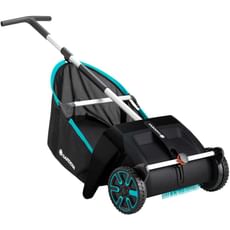
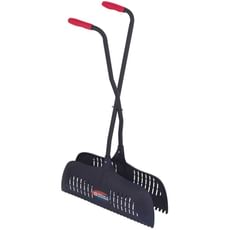
Leaf collectors are indispensable garden tools that transform the laborious autumn task of leaf clearance into a manageable and efficient operation. Designed to eliminate the constant bending and back strain associated with traditional raking and bagging methods, these practical implements enable gardeners to gather fallen leaves whilst maintaining an upright posture. The category encompasses various designs, from hand-held leaf grabbers that function as oversized claws to wheeled push collectors that sweep and gather debris in a single smooth motion. Whether you're maintaining a compact suburban garden or managing extensive grounds, leaf collectors offer an ergonomic solution that reduces physical fatigue whilst dramatically improving productivity.
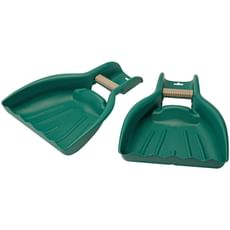
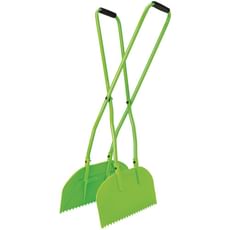
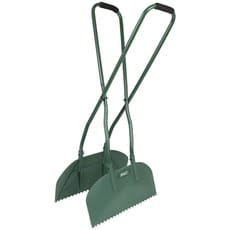
Hand-held leaf collectors and grabbers work in pairs, effectively extending your arms' reach and capacity to scoop substantial volumes of leaves without stooping. These lightweight tools feature claw-like tines or scoop-shaped heads manufactured from durable polypropylene, allowing you to compress and transport leaves efficiently. Push-style garden leaf collectors represent a more substantial approach, incorporating sweeping mechanisms combined with collection compartments that enable you to clear lawns, driveways, and pathways with minimal effort. These manual tools provide a quiet, emission-free alternative to petrol-powered leaf blowers, making them particularly suitable for noise-sensitive residential areas and restricted working hours.
The selection at Tooled-Up.com includes quality leaf collectors from trusted manufacturers including Draper, Gardena, and Spear and Jackson. These manual tools offer exceptional value for money, requiring no fuel, electricity, or ongoing running costs beyond occasional maintenance. They're particularly favoured by gardeners who appreciate precise control over leaf collection without disturbing flower beds, mulched areas, or delicate plantings—a level of selectivity that powered alternatives cannot match.
Jargon Buster
- Leaf Grabbers
- Hand-held tools with claw-like tines or scoop-shaped heads that work in pairs, one for each hand. They effectively extend your reach and capacity, allowing you to pick up and compress substantial quantities of leaves whilst maintaining an upright posture.
- Push Leaf Collector
- A wheeled device combining a rotating brush or sweeping mechanism with an integrated collection bag or compartment. As you push it across lawns or hard surfaces, the mechanism gathers leaves without requiring electrical power or fuel.
- Collection Capacity
- The volume of leaves a collector can hold before requiring emptying, typically measured in litres. Larger capacities reduce the frequency of trips to compost heaps or garden waste collection points during clearing sessions.
- Polypropylene Construction
- Impact-resistant heavy-duty plastic material used for collector heads and scoops. This lightweight yet durable material withstands repeated use, resists cracking in cold weather, and won't rust or corrode when stored outdoors.
- Tine Design
- The finger-like projections on certain leaf collectors that interlock to trap and hold leaves securely. Spring-loaded or flexible tines accommodate varying volumes of material without breaking under pressure.
- Tubular Steel Handles
- Lightweight yet robust handle construction that provides strength without excessive weight. Often fitted with soft PVC or cushioned grips to reduce hand fatigue during extended clearing sessions.
Who Uses Leaf Collectors?
- Landscape Gardeners: Professional contractors maintaining multiple residential and commercial properties throughout autumn and winter months
- Groundskeepers: Staff responsible for parks, school grounds, sports facilities, and public spaces requiring regular leaf clearance
- Estate Managers: Professionals maintaining large private gardens, country houses, and heritage properties with extensive grounds
- Garden Maintenance Companies: Businesses offering seasonal clearance services requiring efficient, portable equipment that's quick to deploy
- Allotment Holders: Gardeners managing vegetable plots who need to clear leaves whilst preserving delicate plants and seedlings
- Homeowners and DIY Enthusiasts: Residential users tackling their own gardens, driveways, patios, and outdoor spaces
- Caravan and Holiday Park Operators: Site managers keeping pathways and communal areas clear of autumn debris
- Cemetery and Memorial Garden Caretakers: Workers maintaining respectful, tidy grounds with minimal noise disruption
- Schools and Educational Facilities: Site staff clearing playground areas and sports fields safely and quietly during term time
How to Choose the Right Leaf Collectors
Selecting the appropriate leaf collector depends primarily on the size of area you're maintaining and your physical requirements. For smaller gardens, patios, or targeted clearance around flower beds and borders, hand-held leaf grabbers offer exceptional manoeuvrability and precision. These lightweight tools require minimal storage space and excel at spot-cleaning without disturbing your garden layout. If you're managing larger lawns, extensive driveways, or substantial grounds, a wheeled push leaf collector will dramatically reduce both time and physical effort, with integrated collection bags eliminating the need for constant bending to gather leaves.
Consider the ergonomic features and build quality, especially if you'll be using the tool for extended periods. Look for comfortable grip handles with cushioned PVC covers on hand collectors, and adjustable height settings on push models to ensure proper posture during operation. Impact-resistant polypropylene construction provides durability whilst keeping the tool lightweight enough to prevent fatigue. Check that tines or scoop edges have sufficient flexibility to accommodate varying volumes without cracking, and that collection bags on push models are generously sized to minimise emptying frequency during large clearing jobs.
Storage requirements between seasonal uses should influence your decision. Hand-held collectors typically nest together or hang conveniently on shed hooks, whilst push models require more substantial storage space. If you have limited garage or shed capacity, compact designs prove more practical. Weather resistance is another consideration—look for rust-proof tubular steel handles and UV-stable plastics if the tool will be stored in garden sheds or outdoor storage. Finally, consider the terrain you'll be working on; wheeled collectors perform optimally on relatively flat, even surfaces such as lawns and tarmac drives, whereas hand grabbers excel on slopes, steps, gravel paths, and uneven ground where wheeled devices struggle to maintain contact.
Popular Accessories
- Garden Waste Bags: Heavy-duty collection sacks for transporting gathered leaves to compost heaps or council collection points
- Wheelbarrows and Garden Carts: Essential for moving large volumes of collected leaves across your property efficiently
- Garden Gloves: Protective handwear to keep your hands clean and safe from sharp twigs or thorns hidden amongst leaves
- Garden Rakes: Complementary tools for initially gathering scattered leaves into manageable piles before collection
- Compost Bins: For converting collected leaves into valuable leaf mould and soil conditioner for garden enrichment
- Tarps and Ground Sheets: For temporarily piling leaves before transfer, particularly useful when working across larger areas
- Garden Brooms and Brushes: For clearing remaining fine debris from patios and hard surfaces after main leaf collection
- Storage Hooks and Brackets: Wall-mounted solutions for storing hand collectors during off-season months
- Kneeling Pads: Provide comfort when working at ground level or reaching under shrubs and low branches
Frequently Asked Questions
When is the best time to use a leaf collector?
The optimal period for leaf collection is after the majority of leaves have fallen but before they become wet and compacted, typically mid-autumn through to early winter in the UK. Dry leaves are significantly lighter and easier to collect, compress, and transport. Avoid collecting immediately after heavy rainfall when leaves are waterlogged, as this makes them considerably heavier and more difficult to handle. Many experienced gardeners find that regular, light collections throughout autumn are more manageable than waiting for a single large clearance operation at season's end.
Can I use leaf collectors on wet leaves?
Whilst leaf collectors will function on damp leaves, they're considerably more effective on dry foliage. Wet leaves clump together, weigh significantly more, and tend to stick to collection surfaces and mechanisms. If you must collect wet leaves, hand grabbers generally cope better than push collectors, whose sweeping mechanisms can become clogged with compacted material. Consider allowing a few dry hours after rainfall before collecting, or alternatively, use a garden rake to spread wet leaves for quicker drying before collection.
Are manual leaf collectors better than powered leaf blowers?
Manual leaf collectors offer several distinct advantages including zero running costs, no noise pollution, no emissions, and precise control over what you collect. They're ideal for working around delicate plants, in noise-sensitive residential areas, or during restricted hours when powered equipment might disturb neighbours. However, powered blowers cover larger open areas more quickly. Many professional gardeners use both approaches—blowers for initial gathering on extensive lawns, then manual collectors for precision work around borders and sensitive areas. For domestic gardens under 100 square metres, manual collectors from Tooled-Up are often the more practical and economical choice.
What should I do with collected leaves?
Leaves are a valuable garden resource rather than waste material. Create leaf mould by storing collected leaves in perforated bin bags or wire mesh enclosures—after 12-24 months, they'll decompose into excellent soil conditioner and mulch. Alternatively, add leaves to compost bins mixed with green materials for faster decomposition. Many UK councils offer garden waste collection services for leaves if you cannot compost them yourself. Avoid burning leaves, which creates air pollution, can breach local regulations, and wastes their considerable nutrient value for soil improvement.
How do I maintain my leaf collector?
Manual leaf collectors require minimal maintenance but benefit from simple care routines. After each use, remove any trapped leaves, twigs, or debris, and brush or hose down components to prevent material building up in crevices. Check mechanical parts, springs, hinges, and wheel axles for damage or wear, applying a small amount of light oil to moving parts annually. Store in a dry location to prevent rust on metal components and UV degradation of plastic parts. Before storage at season's end, clean thoroughly and inspect for any damage requiring repair before next autumn's leaf-clearing season begins.