

Loppers, Pruners & Saws
Pay in 3 interest-free payments on purchases from £30-2000 with  . Learn more.
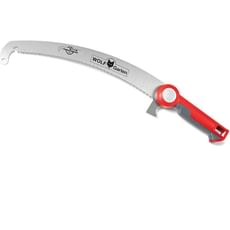
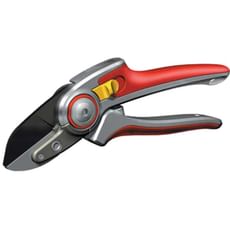
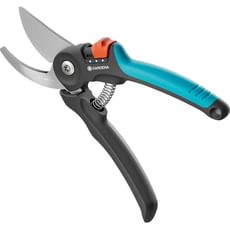
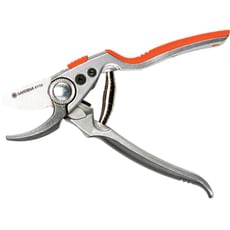
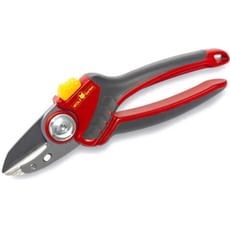
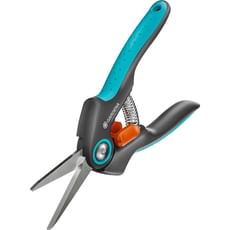
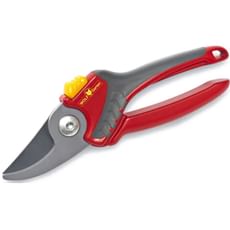
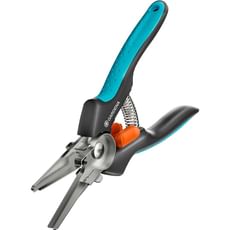
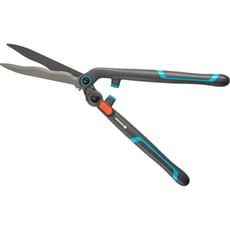
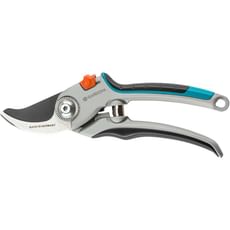
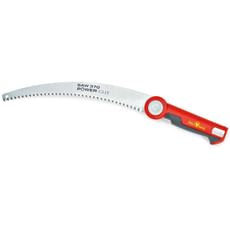
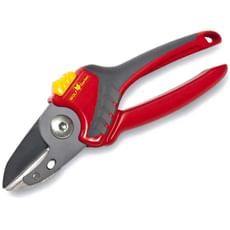
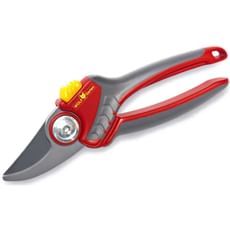
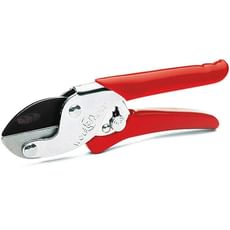
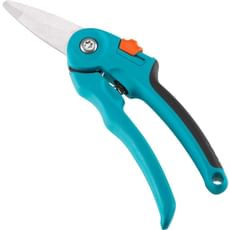
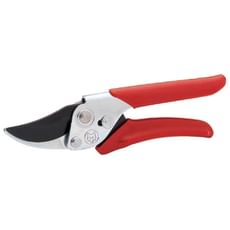
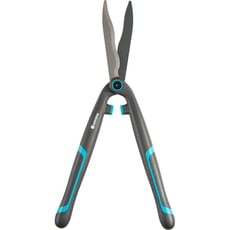
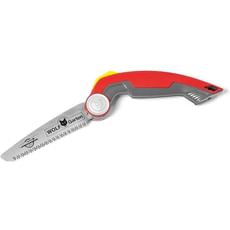
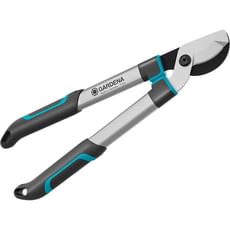
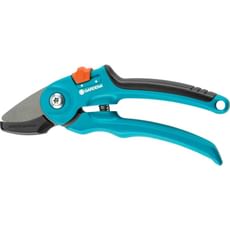
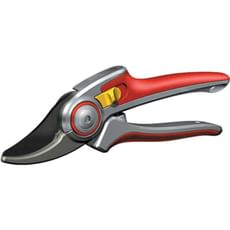
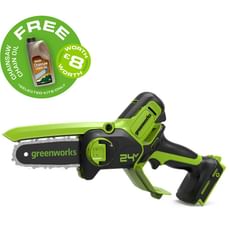
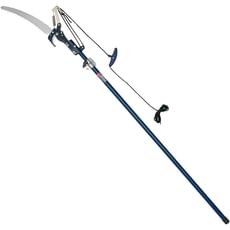

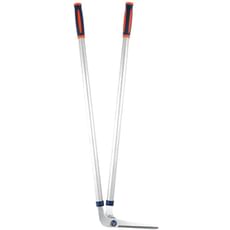
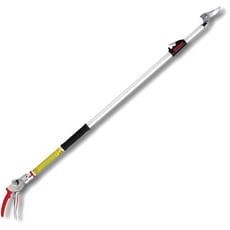
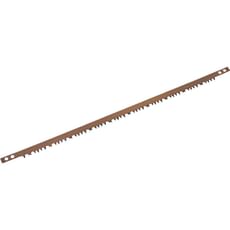
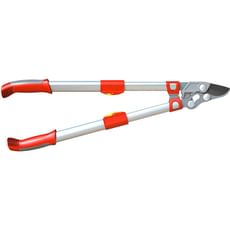
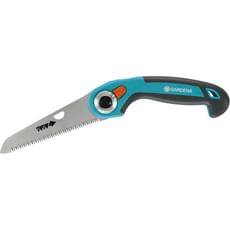
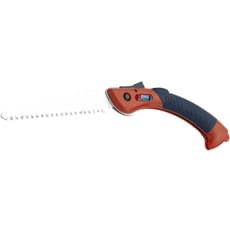
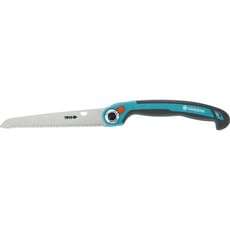
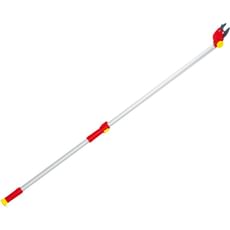
 Loading...
End of content
Error - No more pages to load
About Loppers, Pruners & Saws
Maintaining healthy gardens, orchards, and green spaces requires the right cutting tools for the job. This comprehensive category encompasses all the essential equipment needed for pruning, trimming, and cutting vegetation of various sizes—from delicate herb stems to thick tree branches. The selection at Tooled-Up.com includes secateurs for precision cutting, robust loppers for woody stems, pruning saws for larger branches, garden shears for hedges and borders, and specialised fruit pickers for harvesting without damaging the crop.
Quality cutting tools make the difference between clean cuts that promote plant health and ragged tears that invite disease. Professional landscapers and keen gardeners alike rely on sharp, well-engineered tools that reduce hand fatigue during extended use. Whether you're deadheading roses, shaping topiary, maintaining fruit trees, or clearing overgrown woodland, having the appropriate tool ensures efficient work and healthier plants. Modern designs incorporate ergonomic handles, precision-ground blades, and lightweight materials that deliver professional results with less physical strain.
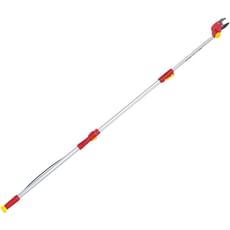
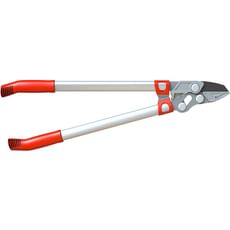
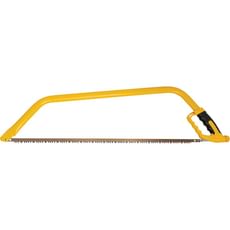
The range spans from compact secateurs that fit comfortably in a pocket to telescopic tree pruners that extend reach to over four metres. Tooled-Up stocks trusted brands including Felco, ARS, Fiskars, Spear & Jackson, Gardena, and Draper—manufacturers known for producing durable tools that maintain their cutting edge season after season. Each tool type serves specific purposes: bypass secateurs for live growth, anvil secateurs for dead wood, ratchet loppers for extra cutting power, folding saws for portability, and bow saws for rapid cutting of seasoned timber.
Jargon Buster
- Bypass Action: A cutting mechanism where a sharp blade passes by a flat counter-blade, similar to scissors. Provides the cleanest cut for live, green stems and is preferred for most pruning tasks as it causes minimal tissue damage.
- Anvil Action: A cutting system where a sharp blade closes onto a flat anvil plate. Better suited for cutting dead or dried wood where crushing is less of a concern. Requires less force but creates a slightly less precise cut than bypass designs.
- Ratchet Mechanism: A progressive cutting system that advances in stages with each squeeze of the handles. Increases cutting power significantly and reduces wrist strain, making it ideal for users with reduced hand strength or when tackling thick, tough branches.
- Cutting Diameter/Capacity: The maximum thickness of branch that a tool can cut effectively, typically measured in millimetres. Exceeding this capacity risks damaging the tool and creating poor, splintered cuts.
- PTFE Coating: A low-friction coating applied to blades that reduces resistance when cutting through resinous or sticky plant material. Helps prevent sap adhesion and makes cutting smoother with less effort.
- Telescopic/Extending Handles: Adjustable handles that extend to reach high branches or provide extra leverage for difficult cuts. Particularly useful on tree pruners and loppers where reach and mechanical advantage are essential.
Who Uses Loppers, Pruners & Saws?
- Professional Gardeners & Landscapers: Daily maintenance of gardens, estates, and commercial landscapes requiring reliable, professional-grade cutting tools
- Arborists & Tree Surgeons: Specialists working with trees who need precision pruning equipment and heavy-duty saws for canopy management and tree health
- Groundskeepers & Estate Managers: Maintenance staff responsible for parks, golf courses, schools, and large properties requiring efficient vegetation management
- Fruit Growers & Orchardists: Commercial and hobby growers who prune fruit trees annually and need specialised harvesting and pruning equipment
- Allotment Holders & Vegetable Gardeners: Enthusiasts maintaining productive plots who need reliable tools for harvesting and seasonal clearance work
- Homeowners & DIY Gardeners: Domestic users maintaining gardens, borders, hedges, and ornamental plants throughout the growing season
- Conservation Volunteers: Groups managing woodland, nature reserves, and community green spaces requiring durable tools for habitat management
- Garden Centre Staff: Retail professionals who demonstrate and use various cutting tools and need practical knowledge of different tool types
How to Choose the Right Loppers, Pruners & Saws
Material You're Cutting: Live, green growth requires bypass-action tools that create clean cuts without crushing plant tissue. Dead wood and seasoned timber suit anvil-action tools or saws. Consider the typical diameter of branches you'll cut—secateurs handle stems up to 25mm, loppers manage 30-50mm, and saws tackle anything larger.
Handle Length & Reach: Compact secateurs suit detailed work on borders and small shrubs. Long-handled loppers (600-900mm) provide leverage for thicker branches and reduce bending. Telescopic tree pruners extend reach to 4 metres or more, eliminating the need for ladders when accessing high branches safely from ground level.
Cutting Power & Hand Strength: Standard bypass tools require reasonable grip strength. Ratchet mechanisms reduce effort by 30-50%, making them suitable for users with arthritis or reduced hand strength, or when facing particularly tough cutting tasks. Gear-drive loppers offer similar mechanical advantage for thick, woody stems.
Frequency of Use: Occasional domestic use suits good-quality mid-range tools with comfortable grips and replaceable blades. Professional daily use demands premium brands with replaceable parts, serviceable mechanisms, and lifetime warranty support. Brands like Felco and ARS specialise in repairable professional tools where individual components can be replaced economically.
Portability & Storage: Fixed-blade tools are most robust but require careful storage. Folding pruning saws pack safely into pockets or tool belts for easy carrying when working across large sites. Bow saws with tubular frames are lightweight but bulkier to transport and store.
Blade Material & Coatings: High-carbon steel blades hold a sharp edge longer but require cleaning and light oiling to prevent rust. Stainless steel resists corrosion but needs more frequent sharpening. PTFE or non-stick coatings reduce friction and sap adhesion, particularly valuable when pruning resinous conifers or sticky fruit trees.
Popular Accessories
- Replacement Blades & Springs: Maintain cutting performance and extend tool life by replacing worn components rather than entire tools
- Sharpening Stones & Diamond Files: Keep cutting edges sharp for clean cuts and reduced effort—essential for bypass secateurs and pruning saw blades
- Tool Holsters & Belts: Keep secateurs accessible when working across gardens, preventing loss and reducing trips back to the toolbox
- Blade Cleaning Spray & Lubricants: Remove sap, resin, and debris whilst protecting metal surfaces from corrosion during storage
- Pruning Wound Sealant: Protects large cuts on valuable trees and shrubs from disease ingress whilst natural healing occurs
- Telescopic Extension Poles: Convert pruning saws and fruit pickers into long-reach tools for working from ground level
- Garden Gloves: Protect hands from thorns, splinters, and blisters during extended pruning sessions
- Gardening Kneelers & Seats: Reduce strain when working on low borders and ground-level plants
Safety Information
Personal Protection: Always wear sturdy gloves when pruning to protect against thorns, splinters, and sharp cut ends. Safety glasses prevent eye injury from springy branches and flying debris, particularly important when using saws or working overhead with telescopic pruners.
Cutting Safely: Never cut branches thicker than the tool's rated capacity—forcing cuts damages the tool and creates dangerous kickback. Keep fingers clear of the cutting zone and ensure stable footing, especially when using long-handled loppers that can shift your balance. When working overhead, be aware of falling branches and always work from the side rather than directly underneath.
Ladder Safety: Where possible, use telescopic pruners to work from ground level rather than ladders. If ladder work is unavoidable, ensure three points of contact and never overreach. HSE guidance recommends risk assessment for all work at height, even in domestic settings.
Tool Maintenance: Keep blades sharp—blunt tools require excessive force, increasing the risk of slips and accidents. Clean and dry tools after use to prevent rust and ensure smooth operation. Regularly check that locking mechanisms on folding saws function correctly to prevent unexpected blade closure.
Storage & Transport: Store sharp tools securely with blade guards or sheaths fitted. When carrying pruning tools around a garden, point blades downward and be conscious of other people, particularly children and pets. Folding saws should be closed and locked before placing in pockets or bags.
Frequently Asked Questions
What's the difference between secateurs, loppers, and pruning saws?
Secateurs (also called pruners or hand pruners) are single-handed tools for stems up to about 25mm diameter. Loppers are two-handed tools with long handles that provide leverage for cutting branches 30-50mm thick. Pruning saws are required for anything larger and use a toothed blade to cut through substantial branches that would damage scissor-action tools. Choose based on the typical diameter of material you're cutting.
Should I choose bypass or anvil secateurs?
Bypass secateurs work like scissors with two blades passing each other, creating the cleanest cut with minimal crushing—ideal for live, green stems and precise work on healthy plants. Anvil secateurs have a blade that closes onto a flat surface, requiring less force but causing more crushing, making them better suited for dead wood and dried stems. Most gardeners find bypass action more versatile for general pruning tasks.
How do I maintain my pruning tools?
After each use, wipe blades clean of sap and debris using a cloth dampened with white spirit or proprietary blade cleaner. Dry thoroughly and apply a light oil to prevent rust, particularly on high-carbon steel blades. Sharpen bypass blades on the bevelled edge only using a sharpening stone or diamond file. Check and tighten pivot bolts periodically, and lubricate moving parts with light machine oil. Replace springs and blades when worn rather than discarding the entire tool.
Can I sharpen pruning saw blades?
Modern pruning saws typically feature impulse-hardened teeth that cannot be effectively sharpened with traditional files. These blades are designed as replaceable items—when cutting performance declines, fit a replacement blade rather than attempting to sharpen. Bow saws and some traditional pruning saws use replaceable blade inserts that are economical to replace annually or when dull.
What cutting capacity do I need in loppers?
Consider the thickest branches you regularly encounter. Standard loppers typically cut 30-40mm diameter stems, while heavy-duty models with ratchet or gear mechanisms manage 45-50mm. Never exceed the manufacturer's stated capacity as this damages the tool and creates poor, splintered cuts that harm plant health. For anything thicker than 50mm, switch to a pruning saw for cleaner cuts and easier work.