

Loppers
Pay in 3 interest-free payments on purchases from £30-2000 with  . Learn more.


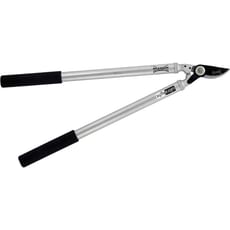
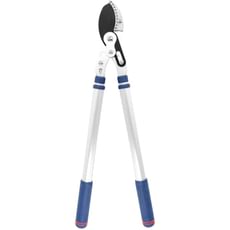
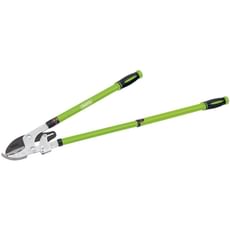
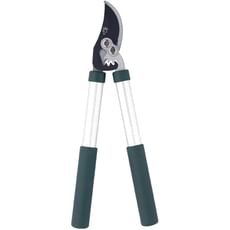
 Loading...
End of content
Error - No more pages to load
About Loppers
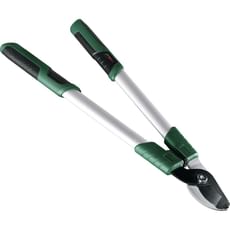
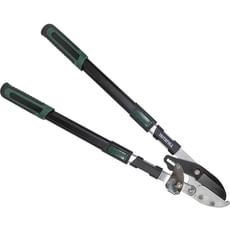
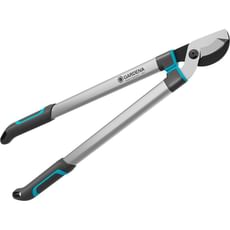
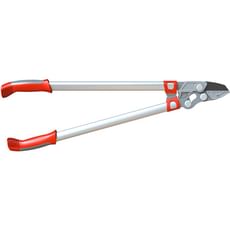
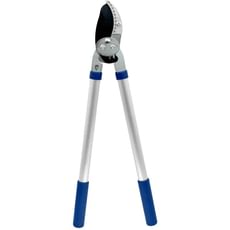
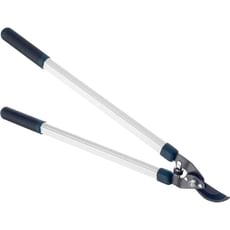
Loppers are heavy-duty pruning tools designed for cutting through thicker branches and stems that are too large for standard secateurs. Featuring long, straight handles and powerful cutting heads, loppers provide the leverage needed to tackle branches up to 50mm in diameter with minimal effort. The extended handles also enable users to reach higher branches without the need for ladders, making them essential tools for maintaining trees, shrubs, and hedges throughout the garden. Available in both bypass and anvil configurations, loppers cater to different pruning tasks, from delicate live growth to tough, dead wood.
The range available at Tooled-Up.com includes professional-grade models from respected brands such as ARS, Bahco, Spear and Jackson, and Gardena, alongside practical options from Draper, Faithfull, and Bulldog. Modern loppers incorporate lightweight aluminium or steel handles with comfortable non-slip grips, whilst premium models feature telescopic handles for adjustable reach, ratchet mechanisms for enhanced cutting power, and replaceable blades for extended tool life. Whether maintaining ornamental gardens, managing orchards, or carrying out large-scale landscaping work, selecting the appropriate lopper design ensures clean cuts that promote healthy plant recovery.
Professional loppers feature high-carbon steel or hardened alloy blades with chrome-plated finishes for superior rust resistance and edge retention. The cutting capacity varies considerably between models, with light-duty loppers suited to branches up to 30mm diameter, whilst heavy-duty professional variants can tackle growth up to 50mm or more. Many contemporary designs incorporate shock-absorbing bumpers to reduce user fatigue during extended pruning sessions, making them equally suitable for both professional horticulturalists and dedicated gardening enthusiasts.
Jargon Buster
- Bypass Action: A scissor-like cutting mechanism where two sharpened blades pass each other, delivering clean, precise cuts ideal for live, green growth. Bypass loppers minimise crushing and damage to plant tissue, promoting faster healing.
- Anvil Action: A crushing cutting system where one sharpened blade closes against a flat metal or composite anvil. This design excels at cutting dry, dead wood by breaking plant fibres rather than slicing through them, though it can damage living tissue.
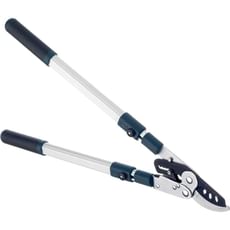
- Telescopic Handles: Extendable handles that adjust to different lengths, typically ranging from 600mm to 900mm or more. This feature provides versatility for reaching high branches whilst maintaining compact storage dimensions.
- Ratchet Mechanism: A geared cutting system that divides each cut into multiple stages, significantly reducing the force required and enabling users to cut thicker branches with less physical effort.
- Cutting Capacity: The maximum branch diameter a lopper can cut effectively, typically measured in millimetres. This ranges from approximately 30mm for light-duty models to 50mm or more for professional heavy-duty variants.
- Compound Action: A leverage system incorporating gears or pulleys that multiplies cutting force, allowing users to tackle thicker branches with reduced handle pressure and less arm strain.
Who Uses Loppers?
- Professional Gardeners and Horticulturalists: Daily use for maintaining client gardens, parks, and commercial landscapes
- Tree Surgeons and Arborists: Essential for pruning and shaping trees at various heights
- Groundskeepers and Estate Managers: Maintaining large properties, grounds, and public spaces
- Landscape Contractors: Garden installation and ongoing maintenance services
- Agricultural Workers and Fruit Growers: Orchard management and crop maintenance
- Conservation Workers: Managing woodland areas, nature reserves, and heritage sites
- Local Authority Ground Staff: Maintaining public parks, verges, and municipal green spaces
- Forestry Workers: Woodland management and selective pruning operations
- DIY Enthusiasts and Home Gardeners: Maintaining domestic gardens, trees, and hedgerows
- Allotment Holders: Managing fruit trees and large perennial plants
How to Choose the Right Loppers
Cutting Mechanism: Select bypass loppers for clean cuts on living branches, promoting healthy regrowth with minimal tissue damage. Choose anvil loppers for dead wood and dry branches where crushing action proves more effective than slicing. Bypass designs suit precision pruning of ornamental plants, whilst anvil types excel at clearing overgrown or neglected areas.
Handle Length and Material: Consider the typical height of branches you'll be cutting. Standard loppers with 600-700mm handles suit general pruning, whilst telescopic models extending to 900mm or more enable overhead work without ladders. Aluminium handles provide excellent strength-to-weight ratios for extended use, whilst steel handles offer maximum durability for demanding professional applications. Fibreglass handles combine light weight with shock absorption, reducing user fatigue.
Cutting Capacity: Match the lopper's maximum cutting capacity to your typical branch diameters. Light-duty models cutting up to 30mm suit ornamental pruning and small shrubs. Medium-duty loppers handling 35-40mm branches tackle most garden maintenance tasks. Heavy-duty professional models cutting 45-50mm or more suit established trees and large-scale landscaping work.
Blade Quality and Coatings: High-carbon steel blades maintain sharp edges longer than standard steel, whilst chrome-plated or PTFE-coated finishes reduce friction and prevent rust. Replaceable blades extend tool life and prove more economical for professional users. Hardened cutting edges resist damage when encountering knots or dense wood.
Handle Comfort and Grip: Non-slip rubber or soft-touch grips prevent blistering during extended use and maintain control in wet conditions. Ergonomically designed handles reduce wrist strain, particularly important for professionals making hundreds of cuts daily. Shock-absorbing bumpers protect joints and reduce fatigue.
Special Features: Ratchet mechanisms multiply cutting force, enabling users to tackle thicker branches with less effort—ideal for those with reduced hand strength or extensive pruning tasks. Compound action systems provide similar force multiplication through geared leverage. Some models at Tooled-Up include integrated sap grooves that prevent blades sticking in resinous wood.
Popular Accessories
- Replacement Blades: Genuine manufacturer blades for extending tool life and maintaining cutting performance
- Sharpening Stones and Files: Diamond or ceramic sharpeners specifically designed for curved pruning blades
- Blade Cleaning Solutions: Specialist cleaners removing sap, resin, and plant residue that can harbour disease
- Protective Sheaths and Blade Covers: Safety covers for storage and transportation, protecting both users and cutting edges
- Lubricating Oils: PTFE-based lubricants reducing friction and preventing rust during storage
- Pruning Saws: Complementary tools for branches exceeding lopper capacity
- Secateurs: Precision pruners for smaller stems and detailed work
- Gardening Gloves: Protective gloves providing grip whilst guarding against thorns and splinters
- Tool Cleaning Brushes: Stiff brushes for removing debris from pivot points and blade mechanisms
- Holsters and Tool Belts: Convenient carrying solutions for professional users working across large sites
Safety Information
Personal Protective Equipment: Always wear safety glasses or goggles to protect eyes from flying debris, wood chips, and spring-back branches. Sturdy gardening gloves prevent blisters and protect hands from thorns, splinters, and sharp cut ends. Steel toe-capped boots provide foot protection when working with overhead branches that may fall unexpectedly.
Safe Operating Practices: Inspect loppers before each use, checking for loose handles, damaged blades, or worn pivot mechanisms. Position yourself with stable footing before making cuts, avoiding overreaching or working from ladders where possible. Cut branches in sections rather than attempting to remove entire limbs in one cut, reducing the risk of falling debris. Keep bystanders, particularly children and pets, well clear of the working area.
Proper Cutting Technique: Position the blade as close to the branch collar as possible without damaging it, promoting proper healing. Hold loppers with both hands, keeping fingers clear of the cutting zone. Make smooth, controlled cuts rather than forcing blades through resistant wood—if a branch proves too difficult, it likely exceeds the lopper's capacity and requires a pruning saw instead.
Maintenance and Storage: Clean blades after each use, removing sap and plant material that can harbour fungal diseases and spread them between plants. Disinfect blades with appropriate solutions when moving between different plants, particularly when dealing with diseased material. Store loppers in a dry environment with blades closed and protected by sheaths. Keep cutting edges sharp—dull blades require excessive force and create ragged cuts that damage plants and increase disease susceptibility.
Frequently Asked Questions
What's the difference between bypass and anvil loppers?
Bypass loppers feature two curved blades that pass each other like scissors, creating clean, precise cuts ideal for living branches and green growth. The scissor action minimises tissue damage, promoting faster healing. Anvil loppers have one straight blade that closes against a flat metal surface, crushing and cutting simultaneously. This design works better on dead, dry wood but can damage living tissue, so bypass types generally prove more versatile for routine garden maintenance.
How do I know what cutting capacity I need?
Measure the typical diameter of branches you'll be cutting. For general garden maintenance on ornamental shrubs and small trees, loppers with 30-35mm capacity suffice. If managing established fruit trees or large hedgerows, opt for 40-45mm capacity. Professional landscapers and those maintaining mature trees benefit from heavy-duty models cutting 50mm or more. Remember that cutting capacity represents the maximum diameter—working below this limit extends blade life and reduces user fatigue.
Should I choose telescopic or fixed-length handles?
Telescopic handles offer versatility for reaching high branches whilst collapsing for compact storage—ideal if you work on varying tree heights or have limited storage space. However, fixed-length handles typically provide greater rigidity and durability, particularly important for heavy-duty professional use. Consider the maximum height you regularly prune: if most work occurs at ground level or within easy reach, fixed handles prove more robust and reliable. For overhead work without ladders, telescopic designs become invaluable.
How often should I sharpen lopper blades?
Sharpen blades whenever you notice increased effort required for cutting or ragged, torn cuts rather than clean slices. For professional daily use, this might mean sharpening weekly or fortnightly. Domestic users typically sharpen once or twice per season. Clean and oil blades after each use to maintain edges longer. Many premium models feature replaceable blades, offering a convenient alternative to sharpening whilst ensuring optimal cutting performance.
Can I cut through branches thicker than the stated capacity?
Attempting to exceed the manufacturer's stated cutting capacity risks damaging the blade, bending handles, or breaking pivot mechanisms. It also creates ragged cuts that harm plant health and require significantly more physical effort, potentially causing user injury. For branches exceeding your lopper's capacity, use a pruning saw or bow saw instead. Professional users often carry multiple tools to ensure they select the appropriate implement for each branch diameter encountered.