

Lubricants & Sprays

Pay in 3 interest-free payments on purchases from £20-£3000 with  . Learn more.
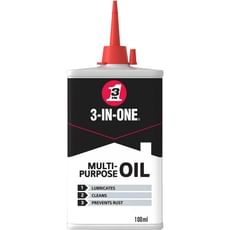
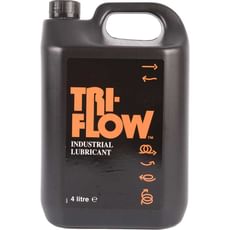
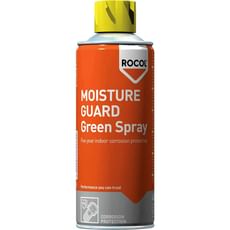
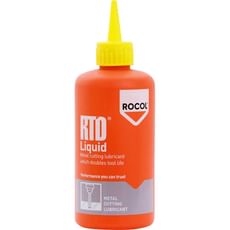
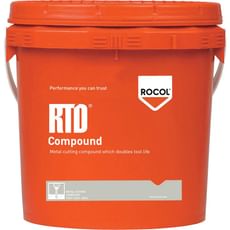
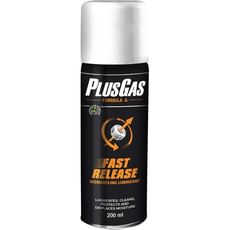
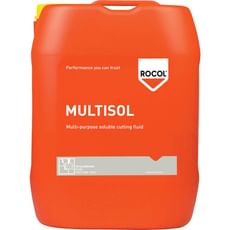
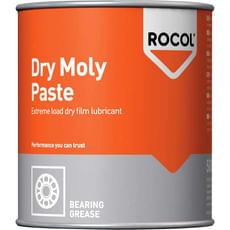
 Loading...
End of content
Error - No more pages to load
About Lubricants & Sprays
Lubricants and sprays are essential maintenance products for any tradesperson, mechanic, or DIY enthusiast working with tools, machinery, and metal components. The comprehensive range available at Tooled-Up.com includes multi-purpose oils, penetrating fluids, PTFE lubricants, silicone sprays, anti-seize compounds, and specialist products designed to reduce friction, prevent corrosion, and ensure smooth operation of moving parts. Whether you're maintaining power tools, freeing seized bolts, protecting metal surfaces from rust, or lubricating hinges and locks, having the right lubricant or spray to hand can make the difference between a quick fix and a lengthy, frustrating job.
This selection features trusted brands including Rocol, 3 In 1, Plusgas, and Bosch Professional, offering everything from lightweight penetrating oils perfect for freeing corroded fasteners to heavy-duty anti-seize compounds for high-temperature applications. These products are formulated to meet the demanding requirements of professional tradespeople whilst remaining accessible and effective for home workshop use. Modern lubricant sprays often incorporate PTFE (polytetrafluoroethylene) or silicone for enhanced performance, providing long-lasting protection and reducing wear on critical components.
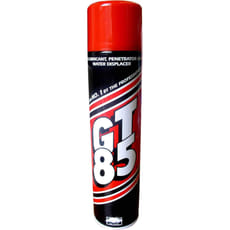
From general-purpose maintenance sprays like the legendary GT85 to specialist products such as belt dressing sprays for machinery maintenance and cutting oils for metalworking, this category covers the full spectrum of lubrication needs. Many products feature innovative delivery systems including flexi-can technology for precision application in hard-to-reach areas, whilst aerosol formats provide quick, even coverage for larger surfaces or multiple components.
Jargon Buster
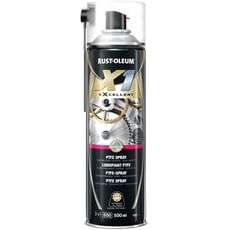
- PTFE Lubricant: A lubricant containing polytetrafluoroethylene (commonly known as Teflon), which provides exceptional low-friction properties and doesn't attract dust or dirt. Ideal for chains, cables, and precision mechanisms.
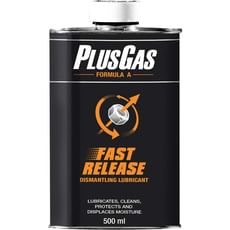
- Penetrating Oil: A low-viscosity fluid designed to seep into tight spaces between corroded or seized metal components, breaking down rust and freeing stuck fasteners. Products like Plusgas are specifically formulated for this purpose.
- Anti-Seize Compound: A thick paste containing metallic particles (often copper or aluminium) that prevents galling, seizing, and corrosion on threaded fasteners, particularly in high-temperature or high-pressure applications.
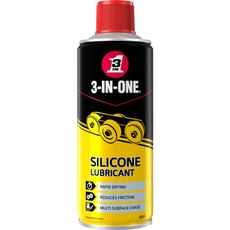
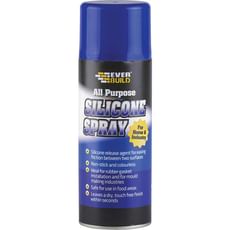
- Silicone Spray: A water-resistant lubricant that won't damage plastics, rubber, or painted surfaces. Commonly used on door seals, window runners, and non-metal moving parts.
- Cutting Oil: A specialist lubricant used in metalworking to reduce heat and friction during drilling, tapping, or machining operations, extending tool life and improving surface finish.
- Belt Dressing: A spray formulation that prevents slippage and squealing on drive belts by improving grip without damaging the belt material.
Who Uses Lubricants & Sprays?
Lubricants and sprays are indispensable across numerous trades and applications:
- Mechanics and Vehicle Technicians: For freeing seized bolts, lubricating moving parts, and protecting components from corrosion
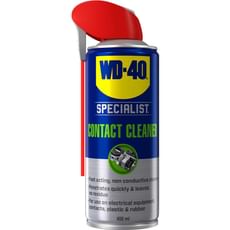
- Electricians: Using contact cleaners and lock lubricants for electrical enclosures and switchgear
- Plumbers and Heating Engineers: Applying anti-seize compounds to pipe fittings and penetrating oils to corroded valves
- General Builders and Joiners: Maintaining power tools, lubricating hinges, and protecting metalwork
- Industrial Maintenance Engineers: For routine machinery servicing, belt maintenance, and equipment protection
- Metalworkers and Fabricators: Using cutting oils for drilling, tapping, and machining operations
- Agricultural and Plant Operators: Maintaining machinery and equipment in demanding outdoor environments
- DIY Enthusiasts and Homeowners: For general household maintenance, tool care, and workshop tasks
How to Choose the Right Lubricants & Sprays
Application Type: Identify whether you need general lubrication (multi-purpose oils like 3 In 1), penetration for seized components (Plusgas or similar), protection against corrosion (PTFE sprays), or specialist applications like metalworking (cutting oils) or machinery maintenance (belt dressing).
Operating Environment: Consider temperature ranges, exposure to moisture, and contamination risks. High-temperature applications require anti-seize compounds rated for extreme conditions, whilst outdoor equipment benefits from water-resistant formulations. For food preparation areas or sensitive environments, ensure the product meets relevant COSHH requirements and safety standards.
Material Compatibility: Whilst most lubricants work well on metal components, check compatibility with plastics, rubber seals, and painted surfaces. Silicone sprays are generally safe for non-metal materials, whereas some petroleum-based products may cause deterioration.
Delivery Method: Aerosol sprays provide quick, even coverage over large areas, whilst flexi-can technology allows precision application in confined spaces. Paste or compound formulations offer longer-lasting protection for threaded fasteners and high-load applications.
Frequency of Use: For professional tradespeople using products daily, larger volumes or bulk packs from Tooled-Up offer better value. DIY users might prefer smaller cans for occasional maintenance tasks.
Popular Accessories
- Extension Nozzles: For reaching recessed areas and applying lubricant precisely
- Application Brushes: For controlled application of paste compounds and anti-seize products
- Wire Brushes: For preparing corroded surfaces before applying penetrating oils
- Cleaning Rags and Wipes: Essential for removing excess lubricant and maintaining clean working areas
- PPE: Safety glasses and nitrile gloves for protection during application
- Tool Maintenance Kits: Complementary products for complete power tool servicing
- Storage Cabinets: For organising and safely storing aerosol products on site or in the workshop
Safety Information
Many lubricants and sprays contain flammable propellants and solvents, requiring careful handling and storage. Always work in well-ventilated areas, particularly when using aerosol products in confined spaces. Keep lubricants away from ignition sources, naked flames, and hot surfaces. Wear appropriate PPE including safety glasses and gloves, especially when working with penetrating oils or anti-seize compounds that may cause skin irritation.
Aerosol cans are pressurised containers and must never be punctured, incinerated, or exposed to temperatures above 50°C. Store products in a cool, dry location away from direct sunlight. Comply with COSHH regulations by reviewing safety data sheets for products used in workplace environments, and ensure proper disposal of empty containers according to local authority guidelines. Keep all lubricants and sprays out of reach of children and pets.
Frequently Asked Questions
What's the difference between WD-40 type products and proper lubricants?
Multi-purpose penetrating sprays are excellent for water displacement and initial penetration but typically aren't long-lasting lubricants. For ongoing lubrication, use dedicated products containing PTFE or oils specifically formulated for the application. Penetrating fluids free seized parts, whilst lubricants maintain smooth operation over time.
Can I use the same lubricant on all my tools and equipment?
Whilst multi-purpose oils suit many general applications, specialist tasks require specific products. Use cutting oils for metalworking, silicone sprays for plastics and rubber, anti-seize compounds for threaded fasteners in harsh conditions, and PTFE lubricants for chains and precision mechanisms. Always check manufacturer recommendations for power tools and machinery.
How do I free a completely seized bolt or nut?
Apply a quality penetrating oil like Plusgas generously to the threaded area and allow it to soak in—ideally overnight for severely corroded fasteners. Reapply several times, and use gentle heat if safe to do so, as expansion can help the penetrant work deeper. Avoid excessive force that might shear the fastener.
Are PTFE lubricants better than traditional oils?
PTFE lubricants offer advantages in specific applications: they don't attract dust or dirt, work well in dry environments, and provide excellent low-friction properties. However, traditional oils may be more suitable for high-load applications or where complete surface coating is needed. Choose based on your specific requirements rather than assuming one type is universally superior.
How should I store aerosol lubricants on site?
Keep aerosols in a cool, dry location away from direct sunlight and heat sources. On construction sites, use a lockable storage box or van racking system to prevent unauthorised access and physical damage. Never leave aerosols in hot vehicles or near radiators, as excessive heat can cause dangerous pressure build-up in the cans.