

Machinery
Pay in 3 interest-free payments on purchases from £30-2000 with  . Learn more.
 Loading...
End of content
Error - No more pages to load
About Machinery
Heavy-duty machinery forms the backbone of construction, groundwork, and infrastructure projects across the UK. From mixing concrete on building sites to compacting hardcore on landscaping projects, specialist machinery enables tradespeople to complete physically demanding tasks with greater efficiency, consistency, and professional results. Tooled-Up.com stocks a comprehensive range of machinery designed for both commercial contractors and ambitious DIY enthusiasts tackling substantial home improvement projects.
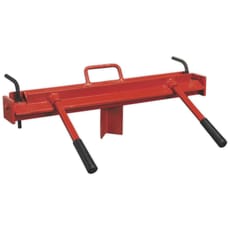
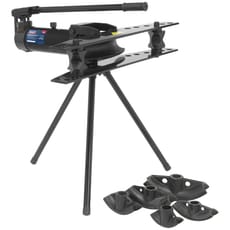
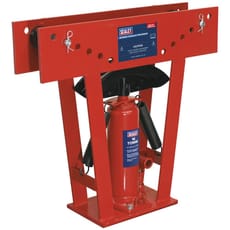
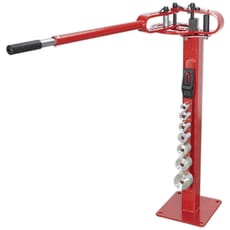
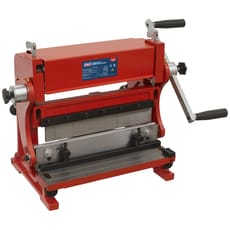
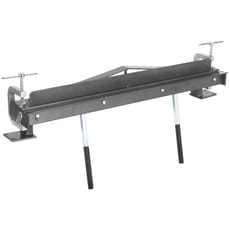
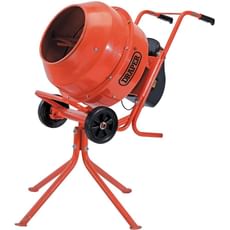
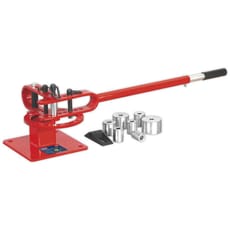
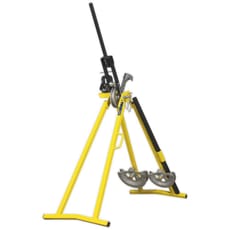
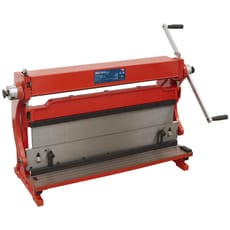
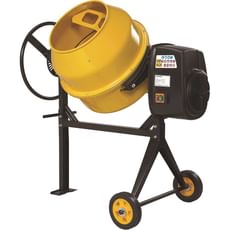
The machinery category encompasses essential equipment including cement mixers for blending mortar and concrete, compactor plates for ground preparation and paving work, industrial metal benders for fabrication tasks, pipe benders for plumbing installations, and transporters for moving heavy materials around site. Whether you're a groundworker preparing foundations, a builder mixing materials, or a landscaper laying patios, selecting the right machinery significantly impacts both productivity and the quality of finished work.
Modern machinery available from Tooled-Up combines robust construction with user-focused features such as vibration damping, ergonomic controls, and improved fuel efficiency. Many models now incorporate 240v electric motors as alternatives to petrol engines, offering quieter operation and lower emissions—particularly valuable for residential sites and enclosed working environments where noise and fumes must be minimised.
Jargon Buster
- Compaction Force (kN): Measured in kilonewtons, this indicates the downward force generated by a compactor plate. Higher kN ratings achieve greater soil density and are essential for load-bearing applications like driveways and foundations.
- Drum Capacity: For cement mixers, this refers to the total volume of the rotating drum, typically measured in litres. The usable mixing capacity is generally around 60-70% of the drum capacity to allow for proper material movement.
- Centrifugal Clutch: A mechanical system that automatically engages the drum or working mechanism only when the engine reaches sufficient speed, protecting components during starting and idling.
- Tamper/Rammer: An alternative to a compactor plate, using a jumping action rather than vibration to compact soil. Better suited to narrow trenches and confined spaces where plates cannot manoeuvre.
- Hydraulic Bending: Industrial pipe and metal benders that use hydraulic pressure to achieve precise, consistent bends without manual pumping. Essential for repetitive fabrication work and larger diameter materials.
- Base Plate Size: The dimensions of a compactor's vibrating plate, affecting both the coverage area per pass and the machine's suitability for confined spaces versus open ground.
Who Uses Machinery?
Professional tradespeople and contractors who regularly rely on heavy-duty machinery include:
- Groundworkers and Excavation Contractors: Using compactor plates for sub-base preparation, trench backfilling, and foundation work
- Builders and General Contractors: Operating cement mixers for mortar, concrete, and render on construction projects
- Landscapers and Paving Specialists: Compacting base materials for patios, driveways, and block paving installations
- Plumbers and Heating Engineers: Utilising pipe benders for copper, steel, and plastic pipework installations
- Steel Fabricators and Metalworkers: Operating industrial metal benders for structural steelwork, railings, and custom fabrication
- Plant Hire Companies: Maintaining fleets of robust machinery for rental to construction professionals
- Maintenance Teams and Facilities Managers: Using transporters and mixers for ongoing repair and improvement works
- Serious DIY Enthusiasts: Tackling substantial home projects including extensions, garden landscaping, and property renovations
How to Choose the Right Machinery
Power Source: Consider whether 240v electric, petrol, or diesel best suits your working environment. Electric machinery offers quieter operation and zero emissions for residential areas, while petrol engines provide portability for sites without electrical supply. Ensure sufficient generator capacity if using electric machinery with site generators.
Capacity and Output: Match the machine's capacity to your typical job requirements. Cement mixers range from compact 120-litre models for small batching to 180-litre professional mixers for continuous site work. Compactor plates vary from 45kg machines for paving jobs to 90kg+ models for serious ground preparation.
Transportation and Storage: Evaluate weight, dimensions, and wheel arrangements. Lighter machinery may be single-person manoeuvrable, whilst heavier industrial equipment requires vehicle loading ramps or mechanical handling. Folding handles and compact designs facilitate storage in vans and workshops.
Frequency of Use: Occasional users may prioritise value and ease of operation, whilst contractors working daily require commercial-grade construction with reinforced components, serviceable parts, and manufacturer support networks throughout the UK.
Site Conditions: Consider the working environment—tight urban sites may demand compact dimensions, whilst open groundwork allows larger, more productive machinery. Uneven terrain requires robust wheels and stable chassis design for safe operation.
Build Quality and Warranty: The Tooled-Up range includes trusted brands with established reputations for durability. Cast iron components, reinforced frames, and sealed bearings indicate professional construction. Verify warranty terms and the availability of spare parts for long-term serviceability.
Popular Accessories
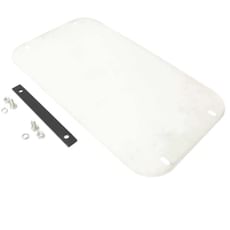
- Compactor Plate Accessories: Water tanks for asphalt work, protective paving pads, wheel kits for transportation, and replacement polyurethane mats
- Mixer Attachments: Replacement paddles, stand kits for increased stability, and cleaning brushes for post-job maintenance
- Bending Formers and Dies: Various radius formers for pipe benders, angle dies for metal benders, and material-specific tooling
- Fuel Containers and Funnels: Approved jerry cans for safe petrol storage and pouring spouts to prevent spillage during refuelling
- Protective Covers: Weatherproof tarpaulins for outdoor machinery storage, extending equipment lifespan
- Handling Equipment: Loading ramps, trolleys, and lifting straps for safe machinery transportation
- Maintenance Products: Engine oils, air filters, spark plugs, and general service consumables
Safety Information
Machinery operation presents significant hazards requiring proper training and precautions. Always read manufacturer instructions thoroughly before first use, and ensure all operators understand emergency stop procedures.
Personal Protective Equipment: Wear steel-toe-capped boots, hearing protection (particularly with petrol engines and compactor plates), safety glasses, and work gloves. High-visibility clothing is essential on construction sites.
Site Preparation: Ensure stable, level ground before operating machinery. Remove debris, identify underground services, and establish exclusion zones to prevent bystander injuries. Never operate compactor plates on slopes exceeding manufacturer specifications.
Manual Handling: Many machines exceed safe single-person lifting limits. Use mechanical aids or two-person lifts when loading/unloading. Maintain proper posture when guiding equipment to avoid back strain.
Fuel Safety: Refuel petrol machinery outdoors with the engine stopped and cooled. Store fuel in approved containers away from ignition sources. Keep fire extinguishers accessible on sites using petrol equipment.
Electrical Safety: Inspect 240v cables for damage before each use. Connect through RCD protection (residual current devices) to prevent electrocution. Position cables to avoid crushing by machinery or creating trip hazards.
Vibration Exposure: HSE guidelines limit daily vibration exposure. Rotate operators, take regular breaks, and maintain equipment properly to minimise vibration transmission. Keep engines properly tuned and replace worn anti-vibration mounts.
Frequently Asked Questions
What size cement mixer do I need for a typical building project?
For bricklaying and general building work, a 150-litre mixer provides sufficient capacity for most applications, producing approximately 100 litres of usable mix per batch. Smaller 120-litre models suit DIY projects and repair work, whilst 180-litre professional mixers are preferred by contractors mixing continuously throughout the day.
Can I use a compactor plate on freshly laid block paving?
Yes, but only with a protective polyurethane mat or rubber pad fitted to prevent surface damage. These accessories distribute pressure evenly across pavers whilst preventing scuffing. Make several passes with overlapping coverage to ensure consistent compaction without over-working any area.
What's the difference between a reversible and forward plate compactor?
Forward-only compactors move in one direction, requiring manual turning at the end of each pass. Reversible plates can travel both forwards and backwards, significantly improving productivity on large open areas and proving essential when compacting against walls or in cul-de-sacs where turning space is limited.
Do I need a petrol or electric cement mixer?
Electric 240v mixers are ideal when mains power is available—they're quieter, require less maintenance, produce no exhaust fumes, and suit residential environments. Petrol mixers provide portability for sites without electricity supply and typically offer larger drum capacities for heavy-duty commercial use, though they require regular engine maintenance.
How deep can compactor plates compact soil effectively?
Most standard compactor plates effectively compact in layers (lifts) of 100-150mm depth. For deeper excavations, compact in multiple layers rather than attempting to compact the full depth in one pass. Heavier machines with higher compaction forces can work slightly deeper layers, but proper technique involves systematic layer-by-layer compaction for reliable results.