

Mallets

Pay in 3 interest-free payments on purchases from £20-£3000 with  . Learn more.
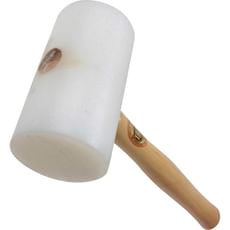
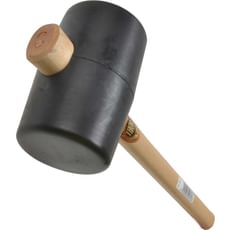
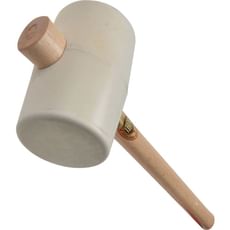
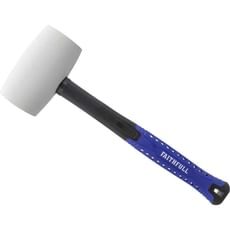
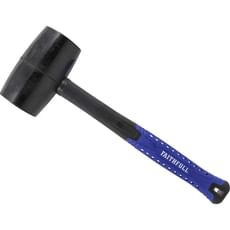
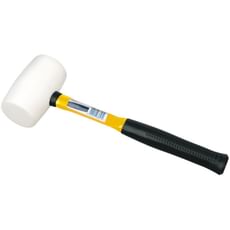
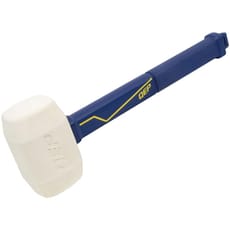
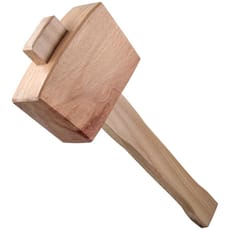
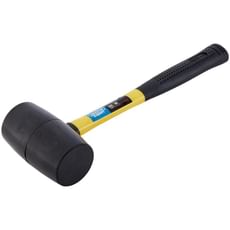
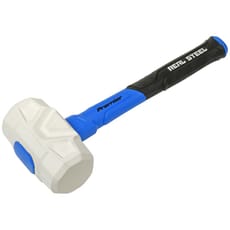
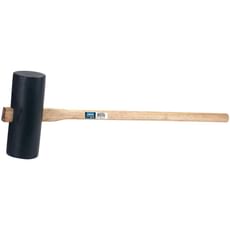
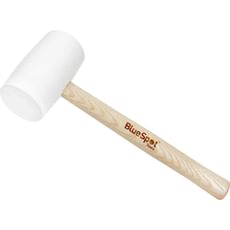
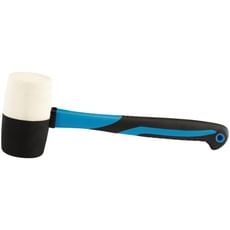
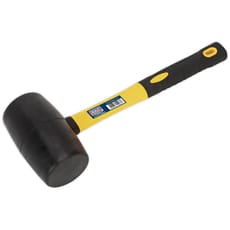

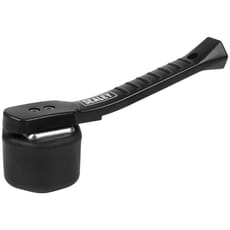
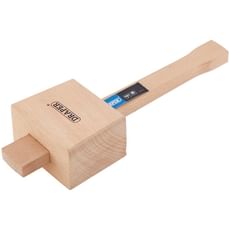
Loading...
End of content
Error - No more pages to load
About Mallets
Mallets are essential striking tools designed to deliver controlled force without damaging the workpiece or surface being struck. Unlike metal-headed hammers, mallets feature softer striking faces made from materials such as rubber, plastic, or wood, making them indispensable for assembly work, woodworking, metalworking, and construction tasks where a gentler impact is required. The softer head absorbs shock and distributes force over a wider area, preventing dents, scratches, and surface damage whilst still providing sufficient striking power for tasks like fitting joints, positioning materials, and driving chisels.
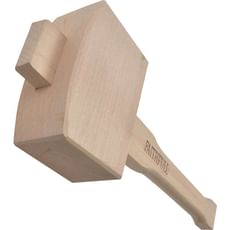
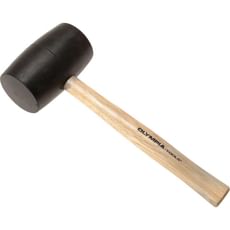
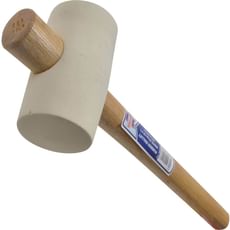
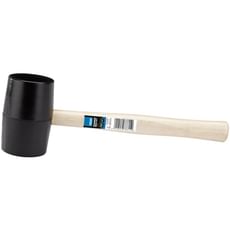
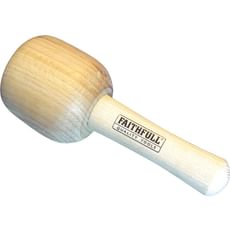
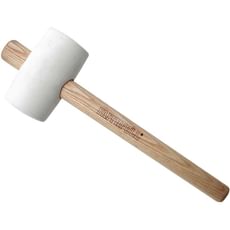
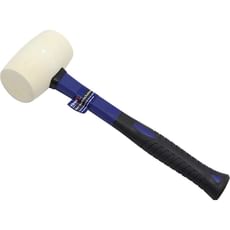
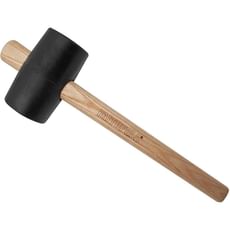
The mallets available at Tooled-Up.com include three main categories: plastic mallets for general assembly and engineering work, rubber mallets for flooring installation and panel work, and wooden mallets for traditional woodworking and chisel driving. Each type offers distinct advantages depending on the application. Plastic mallets provide excellent durability and resist splitting, rubber mallets offer non-marring strikes with good rebound control, whilst wooden mallets deliver a dead-blow effect ideal for joinery and carving work.
Modern mallets come in various head weights, typically ranging from 300g for delicate work up to 1500g for heavier striking tasks. Handle materials include traditional hardwood, fibreglass for enhanced durability, and steel with cushioned grips for reduced vibration. Premium models feature replaceable heads and ergonomically designed handles to reduce fatigue during extended use, making them suitable for both professional tradespeople and serious DIY enthusiasts.
Jargon Buster
- Dead Blow: A mallet design featuring a hollow head filled with sand or steel shot that prevents rebound and delivers maximum energy transfer to the workpiece with minimal bounce-back.
- Non-Marring: Describes a striking face material that won't leave marks, dents, or scratches on finished surfaces, metals, or delicate materials.
- Head Weight: The mass of the mallet head, measured in grams or ounces, which determines the striking force delivered with each blow.
- Face Diameter: The width of the striking surface on the mallet head, affecting the distribution of impact force across the workpiece.
- Hickory Handle: A premium hardwood handle material prized for its strength, shock absorption properties, and traditional feel, commonly used on quality wooden mallets.
- Durometer Rating: A measurement of the hardness of rubber or plastic mallet heads, with higher numbers indicating harder materials that deliver more forceful strikes.
Who Uses Mallets?
- Carpenters and Joiners: For assembling joints, tapping timber into position, and driving wooden-handled chisels without damaging the handles
- Flooring Installers: For fitting laminate, engineered wood, and tongue-and-groove flooring systems without surface damage
- Sheet Metal Workers: For forming and shaping metal panels without leaving marks or dents on finished surfaces
- Cabinet Makers: For precise assembly work, fitting dowels, and adjusting components during furniture construction
- Stone Masons and Tilers: For adjusting tiles and stone work into position whilst the adhesive is still workable
- Automotive Technicians: For bodywork, wheel trim fitting, and tasks requiring controlled strikes on painted or chrome surfaces
- Upholsterers: For tacking and assembly work where metal hammers might damage fabric or finished wood
- DIY Enthusiasts: For general household assembly, furniture construction, and home improvement projects
How to Choose the Right Mallets
Head Material: Select based on your primary application. Rubber mallets excel for flooring and panel work with excellent shock absorption. Plastic mallets offer superior durability for engineering and metalwork applications. Wooden mallets provide traditional feel and dead-blow characteristics ideal for woodworking and chisel work. Consider purchasing multiple types if you work across various trades.
Head Weight: Match the weight to your task requirements. Lighter mallets (300-500g) suit delicate assembly work and smaller chisels. Medium weights (600-900g) handle general-purpose striking and flooring installation. Heavier mallets (1000-1500g) deliver more force for driving large chisels, heavy assembly work, and stubborn components.
Handle Material and Length: Traditional wooden handles offer excellent feel and shock absorption but may split with heavy use. Fibreglass handles provide enhanced durability and consistent performance. Steel handles with cushioned grips reduce vibration transfer. Handle length affects leverage and control—shorter handles (250-300mm) suit confined spaces, whilst longer handles (350-400mm) generate more striking force.
Face Design: Some mallets feature dual faces with different hardness levels, allowing versatility for various materials. Flat faces suit general striking, whilst slightly domed faces concentrate force for specific applications. Replaceable face models from brands like Stanley and Bahco offer long-term economy for professional users.
Professional vs DIY Models: Professional-grade mallets from the Tooled-Up range feature premium materials, balanced design, and enhanced durability for daily use on site. Budget models suit occasional DIY use but may not withstand heavy professional applications.
Popular Accessories
- Replacement Mallet Heads: Spare rubber, plastic, or wooden heads for extending tool life
- Wood Chisels: Bevel-edge and mortice chisels designed for use with wooden mallets
- Flooring Installation Kits: Tapping blocks and pull bars used alongside rubber mallets for laminate fitting
- Panel Beating Tools: Dollies and forming tools used in conjunction with mallets for metalwork
- Work Benches and Vices: Essential for securing workpieces during mallet operations
- Tool Belts and Pouches: For keeping mallets accessible during site work and installations
- Protective Surfaces: Softwood blocks and protective pads to prevent damage when striking delicate components
Safety Information
Always inspect mallets before use, checking for loose heads, split handles, or damaged striking faces that could cause injury or damage workpieces. Ensure the head is securely attached to the handle, particularly with wooden-handled models that may loosen over time. Wear appropriate eye protection when striking chisels or working with materials that may chip or splinter.
Maintain proper striking technique by gripping the handle firmly near the end for maximum control and allowing the weight of the head to do the work rather than using excessive force. Position yourself securely with stable footing before striking. Keep your non-striking hand clear of the impact zone and behind the workpiece where possible.
Store mallets in a dry environment to prevent wooden handles from swelling or splitting and rubber heads from perishing. Clean striking faces regularly to remove debris that might transfer to workpieces. Replace worn or damaged mallets rather than continuing to use compromised tools that may not perform safely or effectively.
Frequently Asked Questions
What's the difference between a rubber mallet and a plastic mallet?
Rubber mallets feature softer, more flexible heads that provide excellent shock absorption and are ideal for flooring installation, panel work, and applications where maximum surface protection is needed. Plastic mallets have harder, more durable heads that resist splitting and wear, making them better suited for engineering work, metalworking, and applications requiring repeated heavy strikes. Rubber offers more "give" whilst plastic delivers firmer, more controlled strikes.
Can I use a wooden mallet for driving metal chisels?
Wooden mallets are specifically designed for driving wooden-handled chisels and should not be used with metal-struck chisels that require a metal hammer. The softer wooden head prevents damage to wooden chisel handles whilst providing sufficient force for cutting. For metal-struck chisels with impact caps, use an appropriate engineer's hammer instead.
Why does my rubber mallet bounce back instead of delivering force?
Excessive bounce-back indicates either too light a mallet for the task or a very hard rubber formulation. Consider a heavier mallet or one with a softer rubber compound for better energy transfer. Dead-blow mallets eliminate this problem by incorporating internal dampening mechanisms that prevent rebound whilst maximising force delivery to the workpiece.
How do I stop my wooden mallet handle from loosening?
Wooden handles can shrink in dry conditions, causing the head to loosen. Soak the head end of the handle in linseed oil to cause slight swelling and re-tighten the connection. Some traditional mallets use wedges that can be tapped tighter. Store wooden-handled tools in moderate humidity and avoid leaving them in very dry or damp conditions.
What weight mallet do I need for laminate flooring installation?
A rubber mallet weighing between 600-900g provides the ideal balance for laminate flooring work. This weight delivers sufficient force to engage the locking mechanisms without damaging the boards. Always use a tapping block between the mallet and the flooring to distribute force evenly and protect the tongue-and-groove edges from damage.