

Man Hole Keys

Pay in 3 interest-free payments on purchases from £20-£3000 with  . Learn more.
 Loading...
End of content
Error - No more pages to load
About Man Hole Keys
Manhole keys, also known as manhole cover lifting keys or drain cover lifters, are essential hand tools designed to safely lift and remove heavy manhole covers, drain gully covers, inspection chamber lids and access panels. These robust tools typically feature a T-shaped or hooked design that slots into the recessed lifting points found on most standard manhole covers, allowing tradespeople to lift covers weighing anywhere from 25kg to over 100kg without excessive strain or risk of injury. The keys are usually manufactured from hardened steel with zinc plating or other protective coatings to prevent rust and corrosion when working in wet or underground environments.
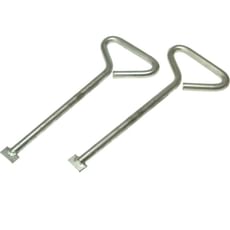
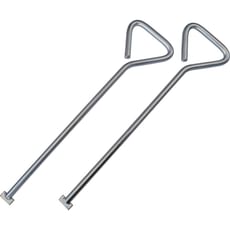
Available at Tooled-Up.com, manhole keys come in various configurations to suit different cover types and working conditions. Standard single keys work well for lighter covers, whilst double-handed versions provide better leverage and control for heavier industrial-grade covers. Universal manhole key kits offer multiple interchangeable heads and adaptors to accommodate the wide variety of cover designs found across UK infrastructure, from Victorian-era cast iron covers to modern composite access panels. Premium models feature ergonomic triangular or D-shaped handles that provide a secure grip even when wearing work gloves, and extended shaft lengths that reduce bending and back strain during repetitive lifting operations.
Quality manhole keys from trusted brands like Faithfull, Monument, Roughneck and Sirius are built to withstand the demanding conditions faced by utility workers, drainage engineers and groundwork contractors. Heavy-duty versions can handle covers with tight-fitting frames or those that have become seized through years of traffic compression and dirt accumulation. Tooled-Up stocks both individual keys for occasional use and comprehensive kits that provide complete solutions for professionals working regularly with drainage and utility access points.
Jargon Buster
- T-Bar Design: The most common manhole key configuration featuring a horizontal crossbar at the top for gripping and a vertical shaft with a rectangular or hook-shaped end that engages with the cover's lifting point.
- Lifting Lugs: The recessed metal loops, holes or indentations cast into manhole covers specifically designed to receive the key's lifting end, typically positioned diametrically opposite each other on the cover.
- Gully Cover: A smaller drainage access cover, usually square or rectangular, found at street level for accessing underground drainage channels and catch pits; these generally require lighter-duty keys than main manhole covers.
- Universal Key Kit: A comprehensive set containing multiple key heads, adaptors and extensions designed to work with various cover types, sizes and lifting point configurations found across different manufacturers and eras.
- Zinc Plating: A protective metal coating applied to steel manhole keys to prevent rust and corrosion when exposed to moisture, chemicals and the damp underground environment.
- Double-Handed Key: A longer manhole key designed for two-person operation, providing increased lifting capacity and better control when removing particularly heavy or seized covers.
Who Uses Man Hole Keys?
- Drainage Engineers: Specialists conducting CCTV surveys, blockage clearance and maintenance work on underground drainage systems
- Water Utility Workers: Professionals accessing water mains, stop taps and underground valve chambers for maintenance and emergency repairs
- Telecoms Engineers: Technicians working on underground cable networks and fibre optic installations housed beneath street-level access covers
- Gas and Electricity Utility Teams: Workers maintaining underground service pipes, cables and junction boxes accessed via manhole covers
- Highway Maintenance Contractors: Teams responsible for inspecting and maintaining road drainage systems and underground highway infrastructure
- Groundwork Contractors: Building and civil engineering firms installing or modifying underground services during construction projects
- Building Maintenance Operatives: Facilities managers and caretakers accessing drainage systems in commercial properties, industrial estates and housing developments
- Local Authority Workers: Council employees maintaining public drainage infrastructure, highways and street-level utility access points
- Landscape Gardeners: Professionals working around drainage systems and occasionally needing to access inspection chambers during landscaping projects
How to Choose the Right Man Hole Keys
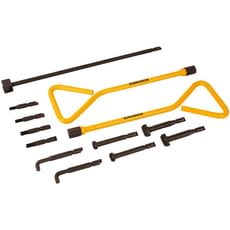
Selecting appropriate manhole keys depends primarily on the type and weight of covers you'll be lifting. For occasional domestic use or light gully covers, a standard single T-bar key from manufacturers like Faithfull or Monument provides adequate lifting capacity for covers up to 50kg. Professional tradespeople working regularly with drainage systems should consider universal key kits such as the Roughneck 13 Piece set, which includes multiple adaptors to handle the varied cover designs encountered across different sites and regions.
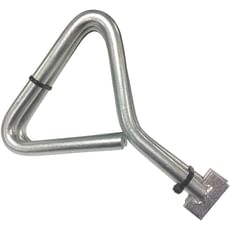
Handle design significantly impacts comfort and safety during use. Triangular or D-shaped handles offer superior grip compared to basic round shafts, particularly important when working in wet conditions or wearing protective gloves. The handle should be wide enough to accommodate both hands if needed, and long enough to provide good leverage without excessive bending. Heavy-duty models with reinforced handles are essential for seized covers or those requiring significant force to break free from dirt-compacted frames.
Key end configuration must match the lifting points on your covers. Rectangular ends suit most modern UK standard covers, whilst hook designs work better with older Victorian-era covers featuring simple lifting holes. Universal keys with interchangeable heads provide maximum versatility, particularly valuable for utility workers covering large geographical areas where cover designs vary considerably. Consider shaft length carefully – longer keys reduce back strain but may be impractical in confined spaces or for vehicle storage.
Material quality and corrosion resistance are crucial for longevity. Look for keys manufactured from hardened steel with zinc plating or powder coating to withstand constant exposure to moisture and underground chemicals. Premium brands like Sirius offer heavy-duty construction that resists bending even under extreme loads, essential for professional use. Check the stated weight capacity matches your typical requirements, remembering that seized covers may require significantly more force than their static weight suggests.
Popular Accessories
- Work Gloves: Heavy-duty protective gloves with reinforced palms for safe handling of dirty, sharp-edged manhole covers
- Hi-Vis Safety Clothing: High-visibility vests and trousers essential when working on highways or public access areas
- Traffic Cones and Barriers: Safety equipment for cordoning off work areas around open manholes on roads and footpaths
- Wire Brushes: For cleaning debris from lifting points and cover frames before attempting removal
- Penetrating Oil: WD-40 or similar products to help free seized covers that haven't been lifted for extended periods
- Drainage Rods: Complementary tools for clearing blockages once manhole access has been gained
- Safety Harnesses and Tripods: Confined space entry equipment for working within deep manholes and chambers
- Tool Bags and Storage Cases: Organised storage solutions for transporting manhole keys alongside other drainage equipment
- LED Torches and Inspection Lights: Essential for illuminating dark underground chambers during inspection work
Safety Information
Always assess manual handling risks before lifting manhole covers, as many exceed safe single-person lifting limits. The HSE recommends maximum individual lifting weights of 25kg, yet many covers weigh substantially more – use two-person lifting techniques or mechanical aids where necessary. Ensure stable footing on level ground before attempting to lift, and never stand directly over the opening as covers may slip or break unexpectedly. Wear steel toe-capped boots to protect feet from dropped covers and heavy-duty gloves to prevent hand injuries from sharp edges or trapped fingers.
When working on highways or public areas, proper traffic management is legally required. Position warning signs and barriers at appropriate distances according to traffic speed, and wear high-visibility clothing compliant with EN ISO 20471 standards. Never leave manhole covers open and unattended, as they present serious fall hazards to pedestrians and vehicles. Be aware of underground hazards including toxic gases, oxygen depletion and deep voids – gas detection equipment and confined space entry procedures may be required for entry into chambers.
Inspect manhole keys before each use for signs of damage, bending or excessive wear that could cause failure under load. Damaged tools should be withdrawn from service immediately. Store keys in dry conditions to prevent corrosion, and clean off debris after use to maintain grip surfaces. When lifting covers near live traffic, work quickly but never rush – a dropped cover presents extreme danger to road users. Consider the weight distribution as covers tilt during lifting, maintaining control throughout the movement to prevent the cover swinging or falling.
Frequently Asked Questions
What size manhole key do I need for standard UK covers?
Most standard UK manhole covers require a key with a rectangular end approximately 25mm wide and 170mm overall length. However, cover designs vary significantly, so a universal kit provides the best solution for professional use. Single standard keys from brands like Faithfull or Monument work well for typical domestic drainage covers, whilst utility workers benefit from comprehensive kits like the Roughneck 13 Piece set that accommodate different lifting point configurations.
How heavy are typical manhole covers?
Domestic gully covers typically weigh 15-30kg, whilst standard road manhole covers range from 40-70kg. Heavy-duty traffic-rated covers on main roads can exceed 100kg. Always check the weight rating before attempting single-person lifting, and use appropriate two-person techniques or mechanical lifting aids for covers exceeding 25kg to comply with HSE manual handling guidelines.
Can I use a manhole key to lift all types of covers?
Standard manhole keys work with most non-locking covers featuring accessible lifting points, but won't suit locked or security covers requiring specialist keys. Victorian-era covers, modern composite lids and proprietary designs may have unique lifting point configurations requiring specific key types. Universal key kits provide adaptors for the widest range of cover types, making them ideal for professionals encountering varied infrastructure.
Why won't my manhole cover lift even with the key properly engaged?
Covers often become seized through years of traffic compression forcing dirt into the frame, corrosion bonding the cover to its seating, or tarmac and road surface materials overlapping the edges. Try applying penetrating oil around the frame perimeter and leaving it for 15-30 minutes. Use a wire brush to clean debris from the frame, and consider using a longer key or two-person technique to increase leverage. Severely seized covers may require specialist equipment or professional assistance.
Do I need different keys for square gully covers versus round manholes?
The shape of the cover itself doesn't determine key requirements – it's the lifting point design that matters. Both square gully covers and round manholes typically use similar rectangular or hooked lifting points that accept standard keys. However, gully covers are generally lighter and may have smaller, shallower lifting recesses that work better with lighter-duty keys, whilst heavy manhole covers benefit from robust keys with reinforced construction and better leverage.