

Metal Working Tools

Pay in 3 interest-free payments on purchases from £20-£3000 with  . Learn more.


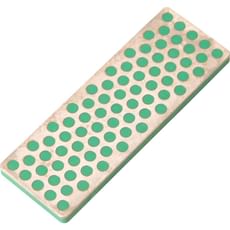
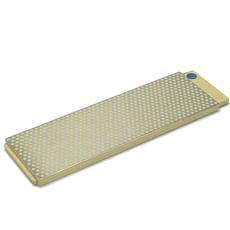
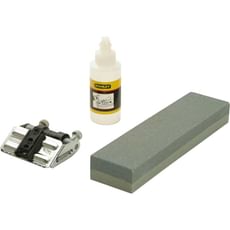
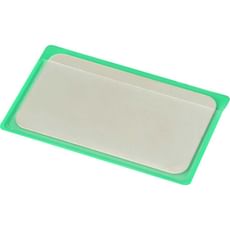

 Loading...
End of content
Error - No more pages to load
About Metal Working Tools
Metal working tools are essential equipment for any professional or DIY enthusiast who works with metal components and materials. From precision finishing and restoration to threading repairs and rod cutting, the right metal working tools ensure clean, accurate results across fabrication, engineering, and maintenance projects. These tools enable tradespeople to shape, cut, sharpen, and repair metal components with the accuracy and consistency demanded by modern standards.
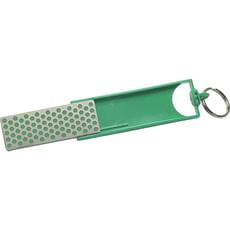
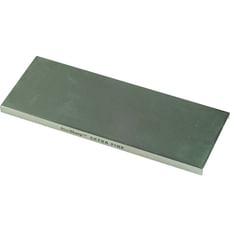
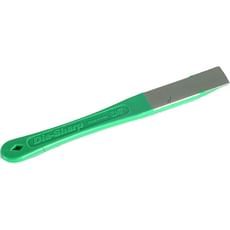
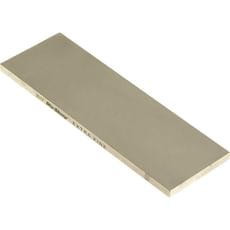
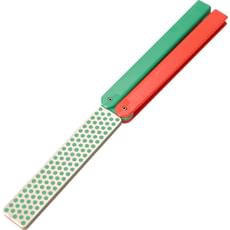
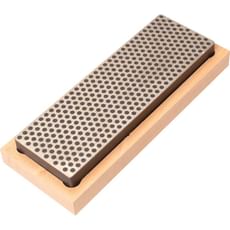
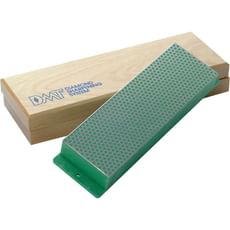
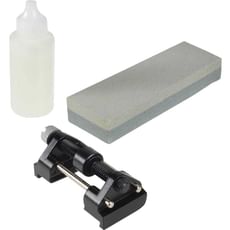
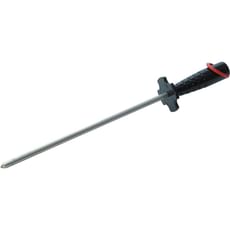
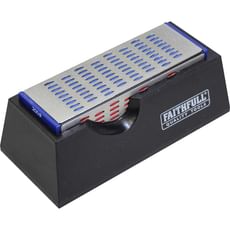
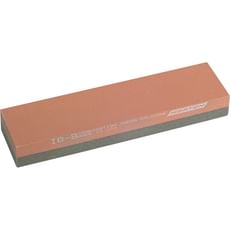
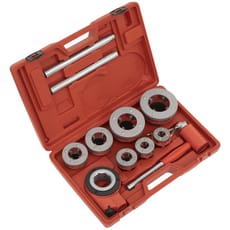
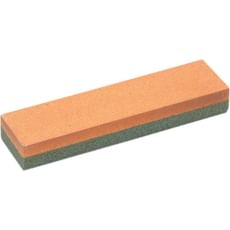
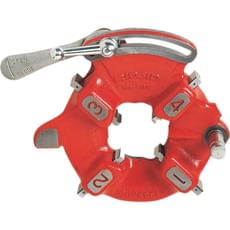
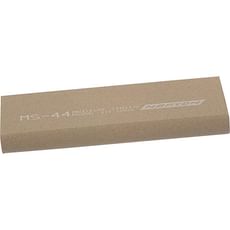
The metal working tools category at Tooled-Up.com encompasses specialised equipment designed for specific metalworking tasks including sharpening, thread repair, and cutting threaded rod. Sharpening stones maintain the cutting edges of chisels, plane blades, and other metal tools, whilst thread repair tools restore damaged threads in metal components without requiring complete replacement. Threaded rod cutters provide clean, burr-free cuts on studding and threaded bar, essential for construction and engineering applications.
Whether you're a professional fabricator working on complex engineering projects or a home workshop enthusiast maintaining your tool collection, having access to quality metal working tools makes the difference between professional results and compromised workmanship. These precision tools complement power equipment and hand tools, providing the finishing touches and specialist capabilities that ensure metalwork meets exacting specifications.
Jargon Buster
- Grit Rating: A numerical measurement indicating the coarseness or fineness of a sharpening stone surface. Lower numbers (200-600) indicate coarser stones for initial shaping, whilst higher numbers (1000-8000) represent finer stones for honing and polishing cutting edges.
- Thread Pitch: The distance between adjacent threads on a bolt, screw, or threaded rod, typically measured in millimetres for metric threads or threads per inch (TPI) for imperial fixings. Matching the correct pitch is essential for proper thread repair.
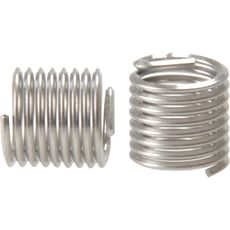
- Helicoil: A brand name that has become a generic term for wire thread inserts used to repair stripped or damaged internal threads. These coiled wire inserts create stronger threads than the original material.
- Honing: The process of refining and polishing a cutting edge after initial sharpening, using fine-grit stones or strops to achieve razor-sharp results and remove the burr created during sharpening.
- Die-Cast Construction: A manufacturing process creating durable tool bodies from molten metal poured into moulds, resulting in robust metal working tools that withstand regular professional use.
- Burr-Free Cut: A clean cut on threaded rod or metal bar that requires no additional filing or finishing, achieved with quality cutters that compress rather than tear the material during cutting.
Who Uses Metal Working Tools?
Metal working tools serve a diverse range of professionals and skilled enthusiasts across various sectors:
- Engineers and Fabricators: Professionals creating and maintaining metal components, frameworks, and assemblies requiring precision finishing and thread repair
- Automotive Mechanics: Technicians restoring damaged threads in engine blocks, gearboxes, and chassis components
- Plumbers and Heating Engineers: Tradespeople cutting threaded rod for pipe supports and fixing systems
- Electricians: Sparkies installing cable tray systems and equipment mounting brackets using threaded studding
- Construction Workers: Site professionals installing structural fixings, anchor points, and suspended systems
- Carpenters and Joiners: Chippies maintaining sharp chisels and plane blades for precision woodworking
- Machine Operators: Workshop professionals maintaining cutting tools and machinery components
- Maintenance Technicians: Facilities staff conducting repairs and maintaining equipment across industrial and commercial premises
- DIY Enthusiasts: Home workshop users maintaining tools and undertaking metalwork projects
How to Choose the Right Metal Working Tools
Selecting appropriate metal working tools depends on understanding your specific requirements and working conditions:
Task Requirements: Identify whether you need sharpening equipment for tool maintenance, thread repair capabilities for damaged fixings, or cutting tools for threaded rod. Each application demands different tool characteristics and specifications. Consider the materials you'll work with most frequently, as harder metals may require more robust tooling.
Thread Sizes and Standards: When selecting thread repair tools, ensure compatibility with both metric and imperial thread standards commonly encountered in UK applications. The range available from Tooled-Up includes comprehensive thread repair kits covering multiple sizes, providing flexibility for various repair scenarios without maintaining extensive individual tool stocks.
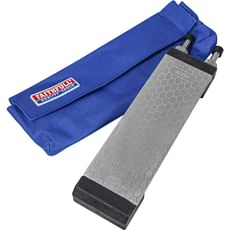
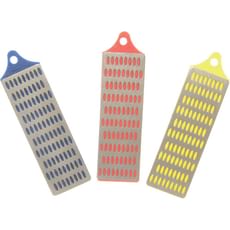
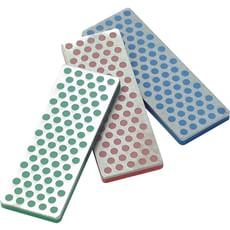
Sharpening Stone Types: Choose between oil stones, water stones, and diamond stones based on your sharpening preferences and the tools you maintain. Diamond stones offer consistent performance without requiring lubricants, whilst traditional oil and water stones provide excellent results for those preferring traditional sharpening methods. Consider grit progression from coarse to fine for complete sharpening capability.
Build Quality and Durability: Professional-grade metal working tools justify their investment through extended service life and consistent performance. Look for hardened steel construction in cutters, quality abrasive materials in sharpening stones, and robust cases for thread repair kits that protect components during transport and storage.
Ergonomics and Usability: Tools requiring manual operation benefit from comfortable handles and well-balanced designs that reduce fatigue during extended use. Threaded rod cutters with ratcheting mechanisms significantly reduce effort compared to basic designs, particularly important for site work where multiple cuts may be required.
Popular Accessories
Enhance your metal working capabilities with these complementary products:
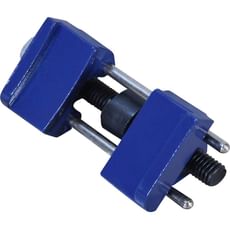
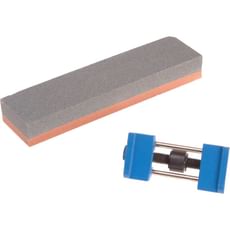
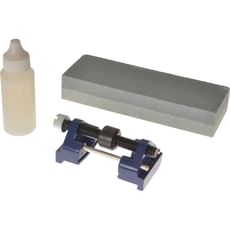
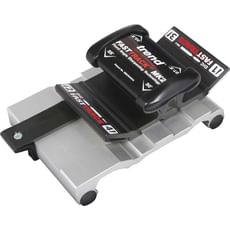
- Honing Guide Jigs: Maintain consistent angles when sharpening chisels and plane blades for optimal cutting performance
- Thread Gauges: Accurately identify thread pitch and size before commencing repair work
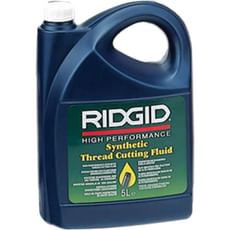
- Cutting Lubricants: Reduce friction and extend tool life when cutting threaded rod and metal bar
- Deburring Tools: Remove sharp edges from cut metal components for safe handling and professional finish
- Stone Flattening Plates: Maintain true, flat surfaces on sharpening stones for consistent results
- Tap and Die Sets: Create new threads and chase existing threads alongside repair capabilities
- Metal Files: Provide additional finishing options for metalwork projects
- Safety Glasses: Essential eye protection when cutting metal or using abrasive sharpening equipment
- Work Gloves: Protect hands when handling sharp metal edges and components
Safety Information
Metal working activities present specific hazards requiring appropriate precautions:
Personal Protective Equipment: Always wear safety glasses when cutting threaded rod or sharpening tools to protect against metal particles and abrasive dust. Cut-resistant gloves provide protection when handling sharp metal edges whilst maintaining sufficient dexterity for precision work. Follow HSE guidance regarding PPE selection for metalworking tasks.
Sharp Edge Awareness: Newly sharpened tools and freshly cut threaded rod create extremely sharp edges. Handle with care and store securely to prevent accidental contact. Deburr cut ends promptly to reduce injury risk during subsequent handling and installation.
Secure Workholding: Always secure workpieces properly before cutting or sharpening. Movement during operation can cause injury or damage tools. Use appropriate vices, clamps, or workbenches designed for metalworking tasks.
Tool Maintenance: Keep metal working tools clean and properly maintained. Contaminated sharpening stones produce poor results and may harbour sharp metal particles. Inspect thread repair tools for wear and replace damaged components promptly to maintain safe, effective operation.
Frequently Asked Questions
What's the difference between oil stones and water stones for sharpening?
Oil stones use light machine oil as lubricant and cutting medium, offering slower cutting action with excellent durability. Water stones cut faster using water as lubricant but require periodic flattening and careful storage to prevent damage. Diamond stones represent a third option, requiring no lubricant and maintaining flat surfaces indefinitely, though at higher initial cost. Your choice depends on personal preference and the sharpening frequency required.
Can thread repair inserts be used in aluminium components?
Yes, thread repair inserts work excellently in aluminium, often creating threads stronger than the original material. This makes them particularly valuable for automotive and engineering applications where aluminium's softness makes threads vulnerable to stripping. Ensure you select the correct insert size and follow installation procedures carefully for optimal results.
How do I cut threaded rod without creating burrs?
Quality threaded rod cutters compress the rod during cutting rather than shearing it, creating clean cuts that preserve thread integrity right to the end. Position the cutter to leave the final thread complete, apply steady pressure through the ratcheting mechanism, and the compressed cut will produce minimal burr compared to hacksaw methods. For best results, choose professional-grade cutters available at Tooled-Up.com designed specifically for this application.
What grit sharpening stone should I start with for dull tools?
Begin with a coarse stone around 200-400 grit for seriously dull or damaged edges requiring significant metal removal. Progress through medium stones (800-1000 grit) for general sharpening, then finish with fine stones (3000-8000 grit) for honing and polishing. Many tradespeople find a three-stone progression (coarse, medium, fine) covers most sharpening requirements efficiently.
Are metric and imperial thread repair kits interchangeable?
No, metric and imperial thread systems use different pitches and angles, requiring specific repair tools for each system. UK applications commonly encounter both standards, particularly when working with older equipment or imported machinery. Comprehensive thread repair kits include both metric and imperial sizes, providing flexibility for the varied threads encountered in professional work without maintaining separate tool sets.