

Multi Tool Attachments

Pay in 3 interest-free payments on purchases from £20-£3000 with  . Learn more.
 Loading...
End of content
Error - No more pages to load
About Multi Tool Attachments
Multi tool attachments dramatically expand the versatility of rotary tools and multi-function power tools, transforming a single base unit into a comprehensive workshop solution. These precision-engineered accessories enable tradespeople and DIY enthusiasts to tackle specialised tasks without investing in multiple dedicated tools. From detailed routing and precise line cutting to pet grooming and intricate sanding work, the right attachment can unlock entirely new capabilities from your existing multi tool system.
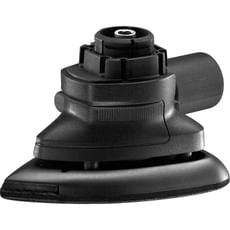
The multi tool attachment category encompasses two primary systems: rotary tool accessories designed for high-speed rotational work, and multi-function tool heads that convert a single power base into different tool types. Rotary tool attachments from manufacturers like Dremel include flexible shaft extensions for improved control in tight spaces, plunge router bases for woodworking precision, right-angle attachments for accessing awkward areas, and specialised workstations that convert handheld tools into bench-mounted units. Multi-function systems such as the Black and Decker MULTiEVO platform offer interchangeable heads including hammer drills, delta sanders, and various other configurations that share a common battery and motor unit.
Tooled-Up.com stocks attachments suitable for both professional workshop environments and home project applications, with options ranging from basic extension shafts to sophisticated shaping platforms and LED-lit work lights. These accessories are particularly valuable for trades requiring precision detail work, allowing craftspeople to maintain accuracy whilst working in confined spaces or on intricate projects where full-sized power tools would prove too cumbersome.
Jargon Buster
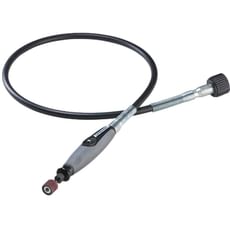
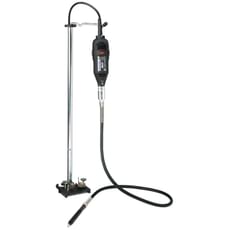
- Flexible Shaft Extension: A cable-like attachment that transfers rotational power from the multi tool body to a handheld grip, providing enhanced control and access to restricted areas whilst reducing hand fatigue during detailed work.
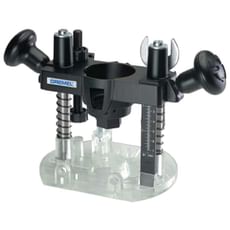
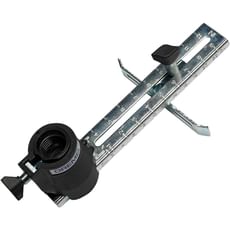
- Plunge Router Attachment: A base platform that converts a rotary multi tool into a miniature router, featuring depth adjustment mechanisms and guide systems for creating grooves, inlays, and decorative edge profiles in wood and other materials.
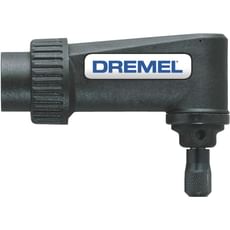
- Right Angle Attachment: A geared head that redirects the tool's rotational axis by 90 degrees, enabling work in confined spaces and perpendicular surfaces that would otherwise be inaccessible with the standard tool configuration.
- Orbital Action: The combined rotational and oscillating movement pattern found in attachments like delta sanders, measured in orbits per minute (OPM), which provides efficient material removal whilst minimising swirl marks on finished surfaces.
- Quick-Change System: Tool-free attachment mechanisms that allow rapid switching between different heads or accessories without requiring spanners or additional tools, maximising productivity on multi-stage projects.
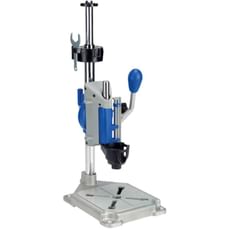
- Workstation Mount: A bench-mounted stand that secures the multi tool in a fixed position, converting it into a stationary machine for improved precision and safety when working on small components.
Who Uses Multi Tool Attachments?
- Woodworkers and Carpenters: For detailed routing, inlay work, and precision sanding on furniture, cabinetry, and joinery projects
- Model Makers and Hobbyists: Creating intricate details, cutting precise circles, and working with small-scale materials requiring exceptional control
- Electricians: Accessing tight spaces behind panels and within junction boxes where standard tools cannot reach
- Maintenance Engineers: Performing repair work and modifications in confined machinery spaces and awkward angles
- Signwriters and Engravers: Achieving detailed lettering, patterns, and decorative effects on various substrates
- Jewellers and Metalworkers: Precision grinding, polishing, and detailing work on small components
- Pet Groomers: Professional and home grooming of dogs and other animals using specialised rotary tool attachments
- Renovation Specialists: Working on period properties and restoration projects requiring delicate, precision tool work
- DIY Enthusiasts: Expanding the capabilities of existing tools for home improvement and craft projects
How to Choose the Right Multi Tool Attachments
Compatibility represents the most critical consideration when selecting multi tool attachments. Verify that any attachment specifically matches your tool's brand and model, as mounting systems, shaft diameters, and power specifications vary significantly between manufacturers. The Dremel accessory system, for example, uses different mounting mechanisms than Black and Decker MULTiEVO attachments, and these are not interchangeable.
Consider the specific tasks you'll be performing most frequently. Flexible shaft extensions prove invaluable for detailed engraving and polishing work where hand control outweighs the need for maximum power, whilst plunge router attachments suit woodworkers requiring repeatable depth settings and guided cuts. Right-angle attachments excel in plumbing and electrical installations where space constraints prevent standard tool orientation.
Evaluate the quality of adjustment mechanisms and locking systems. Professional-grade attachments from established manufacturers feature robust metal components and precise calibration systems, whilst budget alternatives may incorporate more plastic parts that can wear or flex under demanding use. For trade applications where accuracy and durability matter, investing in quality attachments delivers better long-term value.
Power transmission efficiency varies between attachment types. Direct-mount accessories maintain full motor power, whilst flexible shafts and right-angle heads introduce some power loss through mechanical transmission. Consider whether your base tool provides sufficient power reserves for the attachment and intended application – heavy-duty routing or sanding requires more torque than light engraving work.
Storage and organisation should influence purchasing decisions, particularly for workshops managing multiple attachments. Some systems include dedicated carrying cases or storage solutions that protect accessories and keep them organised, reducing setup time and preventing damage to precision components.
Popular Accessories
- Sanding Sheets and Pads: Consumable abrasives in various grits for delta sander and oscillating attachments
- Router Bits and Cutters: Carbide-tipped bits designed for use with plunge router attachments
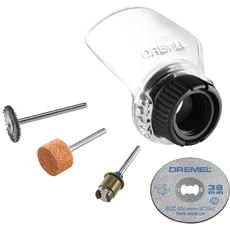
- Cutting Wheels and Discs: Reinforced abrasive discs and diamond-coated wheels for various materials
- Polishing Accessories: Felt wheels, buffing pads, and polishing compounds for finishing work
- Collet Sets: Multiple collet sizes enabling different shaft diameter accessories to fit your tool
- Drill Bits: Specialised bits compatible with hammer drill attachments for masonry and metal
- Dust Extraction Adaptors: Connectors for attaching vacuum systems to sander attachments
- Replacement Brushes and Wear Parts: Service components for maintaining attachment performance
- Carrying Cases: Protective storage solutions for transporting attachments to different job sites
Safety Information
Always disconnect the power tool from mains electricity or remove the battery before fitting or removing any attachment. Ensure attachments are securely fastened and all locking mechanisms fully engaged before operating the tool – loose attachments can detach during use, causing injury or damage.
Wear appropriate personal protective equipment including safety glasses or goggles, hearing protection for extended use, and dust masks when sanding or cutting materials that generate harmful particles. Flexible shaft attachments can become hot during prolonged use, so allow adequate cooling time before handling or storage.
Consult the HSE guidelines for power tool use and maintain awareness of specific hazards associated with different attachment types. Router attachments create kickback risks similar to full-sized routers, whilst sanding attachments generate dust that requires adequate ventilation or extraction. Never exceed the maximum speed rating specified for any attachment, as overspeeding can cause component failure.
When using workstation mounts, ensure the base is securely clamped to a stable surface before operation. Keep hands, loose clothing, and jewellery clear of rotating attachments, and maintain proper lighting in the work area. For 240v corded tools, verify that extension leads are rated appropriately and inspect cables regularly for damage.
Frequently Asked Questions
Are multi tool attachments interchangeable between different brands?
No, multi tool attachments are typically brand and model-specific. Dremel attachments fit Dremel rotary tools, whilst systems like Black and Decker MULTiEVO use proprietary mounting mechanisms unique to that platform. Always verify compatibility before purchasing to ensure proper fit and safe operation.
Can I use rotary tool attachments with cordless multi tools?
Most attachments work with both corded and cordless versions of the same tool model, provided the mounting system matches. However, consider that cordless tools may have less power reserve than 240v mains-powered equivalents, which can affect performance with power-hungry attachments like routers or heavy-duty sanders.
Do flexible shaft attachments reduce the tool's power?
Flexible shafts introduce some power transmission loss through friction and mechanical inefficiency, typically around 10-20% depending on shaft length and quality. However, the improved control and access they provide often outweighs this reduction for detailed work. They remain highly effective for engraving, polishing, and precision grinding tasks.
How do I maintain multi tool attachments for longevity?
Clean attachments after each use to remove dust and debris, paying particular attention to moving parts and adjustment mechanisms. Lubricate flexible shafts and gear assemblies according to manufacturer recommendations, typically every 20-30 hours of use. Store attachments in protective cases away from moisture, and inspect mounting components regularly for wear or damage.
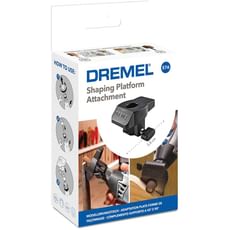
What's the difference between a workstation and a shaping platform attachment?
A workstation converts your handheld tool into a bench-mounted unit, holding the entire tool stationary whilst you move the workpiece – similar to a bench grinder setup. A shaping platform attaches to the tool itself and provides guide rails and depth control whilst the tool remains handheld, offering precision similar to a trim router. Workstations suit repetitive operations on multiple small items, whilst shaping platforms work better for larger pieces requiring guided cuts.