

Nozzles

Pay in 3 interest-free payments on purchases from £20-£3000 with  . Learn more.

Loading...
End of content
Error - No more pages to load
About Nozzles
Welding nozzles are essential components for MIG, TIG, and oxy-acetylene welding equipment, directing shielding gas flow and protecting contact tips during the welding process. These precision-engineered parts come in various configurations including conical, cylindrical, and spot welding designs, each suited to different welding applications and torch models. Quality nozzles ensure consistent gas coverage, reduce spatter build-up, and contribute to cleaner, more precise welds across automotive repair, fabrication, and general metalwork.
The range available from Tooled-Up.com includes replacement nozzles for popular torch systems such as MB15, MB25, and TB14/15 series, alongside specialist components like nozzle springs, shrouds, and cleaning tools. These consumable parts require regular replacement to maintain optimal welding performance, as damaged or worn nozzles can compromise gas shielding and lead to weld contamination. Whether you're running a professional fabrication workshop or maintaining equipment for occasional site work, having spare nozzles to hand minimises downtime and ensures consistent results.
From heavy-duty swaged nozzles for oxy-acetylene work to lightweight conical designs for MIG welding, the selection at Tooled-Up includes options from trusted manufacturers like Sealey and Draper. Many nozzles are designed as direct replacements for specific welder models, whilst others offer universal compatibility with standard torch systems. Regular inspection and replacement of nozzles, combined with proper cleaning using dedicated nozzle cleaners, extends equipment life and maintains the quality standards expected by professional tradespeople.
Jargon Buster
- Conical Nozzle: A tapered nozzle design that provides excellent visibility of the weld pool and suits general-purpose MIG welding applications, particularly effective for fillet welds and positional work.
- Swaged Nozzle: A heavy-duty nozzle with reinforced construction, typically used for oxy-acetylene welding where higher temperatures and more robust components are required.
- Shroud: The outer protective casing around a welding nozzle that directs shielding gas flow and shields the contact tip from spatter and debris accumulation.
- Contact Tip: The copper component inside the nozzle through which the welding wire passes, conducting electrical current to create the arc (nozzles protect and house these tips).
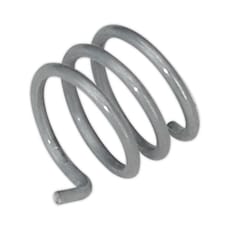
- Nozzle Spring: A small coil spring that holds the contact tip securely in position within the nozzle assembly, maintaining proper alignment during welding operations.
- Spot Welding Nozzle: A specialised nozzle design for creating precise spot welds on sheet metal, commonly used in automotive panel repair and thin gauge fabrication.
Who Uses Nozzles?
- Fabricators and Welders: Professional metalworkers requiring reliable replacement parts for daily production welding across structural steel, railings, and custom fabrication projects
- Automotive Body Repair Technicians: Panel beaters and crash repair specialists using MIG welding for vehicle restoration and accident damage repair work
- Agricultural Engineers: Farm machinery repair specialists maintaining and fabricating equipment in rural workshops and on-site repairs
- Maintenance Fitters: Industrial maintenance teams carrying out welding repairs on manufacturing equipment, pipework, and structural components
- General Engineers: Workshop-based engineers undertaking repair, modification, and prototype work across diverse engineering sectors
- DIY Enthusiasts: Home workshop users maintaining welding equipment for gates, garden furniture, vehicle repairs, and hobby projects
- Mobile Welders: Self-employed tradespeople offering on-site welding services who need to carry comprehensive spare parts for different torch systems
How to Choose the Right Nozzles
Torch Compatibility: Verify the specific torch model you're using (MB15, MB25, TB14/15, etc.) as nozzles are designed for particular systems. Check your welder's manual or existing nozzle markings to ensure correct fitment, as incompatible parts can compromise gas flow and welding quality.
Nozzle Profile: Select between conical and cylindrical designs based on your typical applications. Conical nozzles offer superior visibility for intricate work and corner welds, whilst cylindrical types provide better protection in confined spaces and when working close to vertical surfaces.
Internal Diameter: Match the nozzle bore size to your contact tip and wire diameter. Oversized nozzles waste shielding gas and reduce efficiency, whilst undersized options restrict gas flow and increase spatter accumulation around the tip.
Material Quality: Brass and copper alloy nozzles from established brands like Sealey and Draper offer better heat dissipation and longevity compared to basic alternatives. Quality construction resists cracking and thread damage, particularly important for high-amperage professional applications.
Application-Specific Designs: Consider specialist nozzles for particular tasks—spot welding nozzles for panel work, stud welding nozzles for fastener attachment, or heavy-duty swaged types for oxy-acetylene applications requiring enhanced durability.
Quantity and Spares: Purchase nozzles in multipacks for workshop use, as these consumable items require regular replacement. Keep spares for different torch systems if you operate multiple welders, ensuring you're never caught short during critical projects.
Popular Accessories
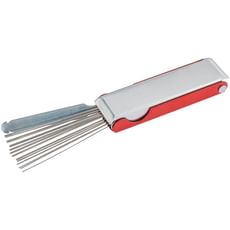
- Welding Nozzle Cleaners: Essential tools for removing spatter and maintaining nozzle condition between replacements, extending service life
- Contact Tips: Copper tips in various sizes to match wire diameter, working in conjunction with nozzles for complete torch maintenance
- Nozzle Springs: Replacement springs to secure contact tips properly within the nozzle assembly
- Anti-Spatter Spray: Coating products that prevent weld spatter from adhering to nozzles, reducing cleaning frequency
- MIG Shrouds: Replacement outer casings for complete nozzle assembly refurbishment
- Wire Brushes: For external nozzle cleaning and preparation before fitting new components
- Torch Consumables Kits: Comprehensive sets containing multiple nozzles, tips, and springs for complete torch servicing
Safety Information
Always disconnect welding equipment from the mains power supply and allow torches to cool completely before changing nozzles or performing maintenance. Worn or damaged nozzles can compromise shielding gas coverage, leading to porous welds with reduced structural integrity—inspect nozzles regularly and replace when spatter build-up becomes excessive or threads show wear.
Ensure replacement nozzles are correctly tightened to prevent gas leakage, but avoid over-tightening which can damage threads or distort the component. When using oxy-acetylene equipment, check swaged nozzles for cracks or damage that could affect gas mixing, as compromised nozzles present serious safety hazards including flashback risks.
Dispose of worn nozzles responsibly, as they may contain metal residues and spatter. Store spare nozzles in clean, dry conditions to prevent contamination that could affect gas flow characteristics. Always follow HSE guidance for welding operations and maintain adequate ventilation when working with shielding gases.
Frequently Asked Questions
How often should I replace welding nozzles?
Replace nozzles when spatter build-up restricts gas flow, threads become damaged, or you notice porosity in welds indicating poor gas coverage. Professional fabricators typically replace nozzles weekly or after approximately 40-50 hours of welding, though this varies with amperage settings and material type. Regular cleaning with a dedicated nozzle cleaner extends service life between replacements.
Are nozzles interchangeable between different welder brands?
Whilst some nozzles fit standard torch series (like Euro-style MB15 torches), many are manufacturer-specific. Always verify compatibility with your exact torch model rather than assuming universal fitment. Tooled-Up stocks nozzles for popular systems from Sealey and Draper, with product descriptions clearly indicating compatible torch models and welder series.
What causes excessive spatter build-up on nozzles?
Spatter accumulation results from incorrect wire feed speed, voltage settings too high for the material thickness, contaminated base metal, or inadequate shielding gas flow. Applying anti-spatter spray and ensuring proper welding parameters significantly reduces build-up. If spatter remains excessive despite correct settings, check for worn contact tips or gas flow restrictions within the torch.
Can I use conical nozzles for all MIG welding applications?
Conical nozzles suit most general-purpose applications and offer excellent weld pool visibility, making them popular for fillet welds and positional work. However, cylindrical nozzles prove more practical when welding in corners or tight spaces where the tapered design might limit access. Many professional welders keep both types available for different situations.
Do I need different nozzles for aluminium welding compared to steel?
The nozzle type remains the same, but aluminium welding typically requires larger nozzle bores to accommodate higher gas flow rates necessary for effective shielding of reactive aluminium. Ensure your nozzle size matches the increased gas flow requirements—typically 12-15 litres per minute for aluminium versus 8-12 litres for mild steel—to prevent oxidation and achieve quality welds.