

OMT Sanding Pads
Pay in 3 interest-free payments on purchases from £30-2000 with  . Learn more.


 Loading...
End of content
Error - No more pages to load
About OMT Sanding Pads
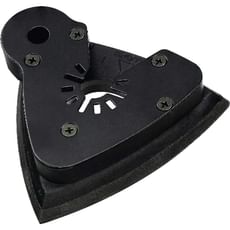
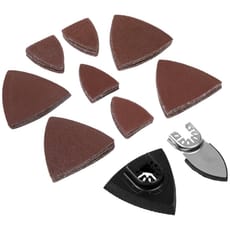
OMT sanding pads are specialised accessories designed for oscillating multi-tools, enabling precision sanding in tight spaces and awkward areas where traditional sanders cannot reach. These versatile attachments transform an oscillating multi-tool into a highly effective sanding solution for detailed work on timber, paint, varnish, and various other materials. Available in multiple profiles including delta, finger, and rectangular shapes, these sanding pads allow tradespeople and DIY enthusiasts to tackle everything from intricate furniture restoration to aggressive material removal on site.
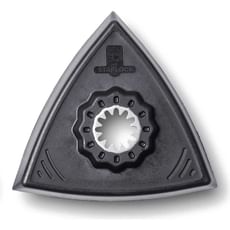
The range available from Tooled-Up.com includes compatibility with major fitting systems such as Starlock, Starlock Max, and universal OIS (Oscillating Interface System) attachments. Premium options from manufacturers like Bosch Professional, Fein, and Milwaukee feature advanced carbide technology and expert-grade abrasive surfaces that deliver superior performance and longevity compared to standard sanding accessories. Many pads utilise hook and loop (Velcro-style) fastening systems, allowing for quick and easy abrasive sheet changes during extended sanding sessions.
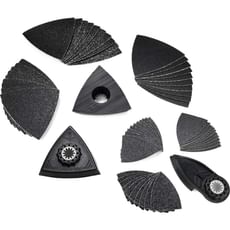
Whether working on decking boards, window shutters, skirting boards, or furniture joints, OMT sanding pads provide the control and access required for professional results. Tooled-Up stocks options ranging from individual replacement pads to comprehensive sanding sets containing multiple profiles and assorted grit abrasive sheets, catering to both occasional users requiring a single replacement accessory and professional tradespeople needing complete sanding solutions for their oscillating multi-tools.
Jargon Buster
- Starlock System: A professional tool-free fitting system developed by Bosch for oscillating multi-tool accessories, providing secure attachment and maximum power transfer. Starlock Max is the heavy-duty variant designed for more demanding applications.
- OIS (Oscillating Interface System): A universal fitting standard that allows accessories from different manufacturers to work across various brands of oscillating multi-tools, providing compatibility and flexibility.
- Hook and Loop Fastening: A Velcro-style attachment system that secures abrasive sheets to sanding pads, enabling rapid sheet changes without tools or clips. The hook surface on the pad grips the loop backing of compatible sanding sheets.
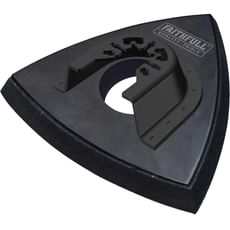
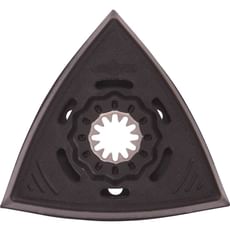
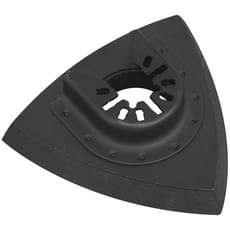
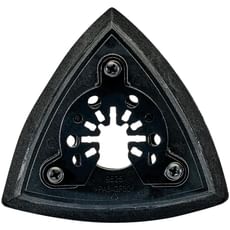
- Delta Sanding Pad: A triangular-shaped sanding pad profile that provides excellent access to corners and tight angles, making it ideal for sanding into 90-degree joints and confined spaces.
- Sanding Finger: An elongated, narrow sanding pad designed specifically for accessing extremely tight gaps such as between decking boards, shutter slats, or balusters where standard sanding tools cannot reach.
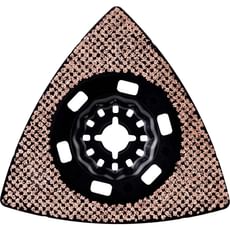
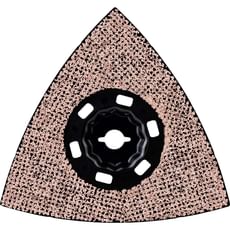
- Carbide Grit: An extremely hard and durable abrasive material bonded to premium sanding pads, offering significantly longer lifespan and more aggressive material removal compared to standard aluminium oxide abrasives.
Who Uses OMT Sanding Pads?
- Carpenters and Joiners: For sanding timber joints, fitted furniture, window frames, and detailed woodworking projects where precision finishing is essential.
- Painters and Decorators: Preparing surfaces by removing old paint and varnish from mouldings, skirting boards, and architectural details before redecorating.
- Kitchen and Bathroom Fitters: Finishing work around cabinets, worktops, and fitted units where standard sanding equipment cannot access tight corners and joints.
- Flooring Specialists: Sanding between floorboards, around pipes, and in corners where larger floor sanders cannot reach during installation and restoration work.
- Furniture Restorers: Detailed sanding of antique and reproduction furniture, removing old finishes from intricate carvings and mouldings without damaging delicate timber.
- Property Maintenance Professionals: General renovation and refurbishment work requiring versatile sanding capabilities across various materials and applications.
- DIY Enthusiasts: Home improvement projects involving woodwork, furniture upcycling, and renovation tasks where precision sanding in confined spaces is required.
How to Choose the Right OMT Sanding Pads
Fitting System Compatibility: Ensure the sanding pad matches your oscillating multi-tool's fitting system. Starlock and Starlock Max accessories only fit compatible Bosch, Fein, and other brand tools with these systems, whilst OIS fittings offer broader cross-brand compatibility. Check your tool's documentation or existing accessories to confirm the correct fitting type before purchasing.
Pad Profile and Shape: Select the pad profile based on your intended applications. Delta pads suit general sanding and corner access, finger pads excel in narrow gaps and slots, whilst larger rectangular plates cover more surface area for broader sanding tasks. Consider purchasing a multi-piece set if you regularly tackle varied sanding requirements.
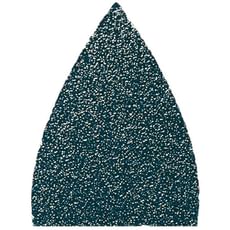
Abrasive Technology: Standard hook and loop pads accept replaceable abrasive sheets in various grits, offering economical operation for regular use. Carbide-coated pads, whilst more expensive initially, provide exceptional durability when working with abrasive materials or undertaking heavy material removal, potentially offering better long-term value for intensive professional applications.
Brand Quality Considerations: Professional-grade options from Bosch Professional, Fein, DeWalt, and Milwaukee typically feature superior build quality, more secure attachment systems, and better vibration damping compared to economy alternatives. For occasional DIY use, mid-range options from brands like Draper and Faithfull provide adequate performance at accessible price points.
Accessory Availability: Consider the ongoing availability and cost of replacement abrasive sheets when selecting a sanding pad system. Popular brands generally offer wider selections of compatible abrasive grits and larger pack quantities, which can prove more economical for regular professional use.
Popular Accessories
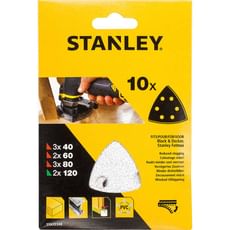
- Assorted Grit Sanding Sheets: Hook and loop backed abrasive sheets in various grits from coarse (40-60) for heavy material removal through to fine (180-240) for finishing work.
- Multi-Piece Sanding Sets: Comprehensive kits containing multiple pad profiles and assorted abrasive sheets, providing complete sanding solutions in convenient storage cases.
- Oscillating Multi-Tool Blades: Cutting accessories for timber, metal, and grout removal to complement sanding capabilities and maximise tool versatility.
- Dust Extraction Adaptors: Attachments enabling connection to workshop vacuum systems, reducing airborne dust during extended sanding sessions.
- Detail Scrapers: Rigid scraping accessories for removing adhesive residues, old finishes, and stubborn materials before sanding.
- Tool Storage Cases: Dedicated carry cases and organiser systems for storing oscillating multi-tools and their extensive accessory collections.
Safety Information
Always wear appropriate respiratory protection when sanding, particularly during extended sessions or when working with treated timber, old paint (which may contain lead), or MDF that produces fine, hazardous dust. Safety glasses or goggles protect eyes from abrasive particles, whilst hearing protection is advisable during prolonged use as oscillating tools can generate significant noise levels.
Ensure the oscillating multi-tool is disconnected from the 240v mains supply (for corded models) or the battery is removed (for cordless tools) before changing sanding pads or abrasive sheets. Check that accessories are securely fitted and undamaged before operation, as loose or worn attachments can detach during use, potentially causing injury.
Work in well-ventilated areas and consider connecting to dust extraction equipment where possible to minimise airborne particles. When sanding lead-based paint or other hazardous materials, follow HSE guidelines and COSHH regulations regarding appropriate respiratory protection, containment measures, and waste disposal procedures. Take regular breaks during extended sanding sessions to prevent vibration-related conditions such as hand-arm vibration syndrome (HAVS).
Frequently Asked Questions
Are Starlock sanding pads compatible with all oscillating multi-tools?
No, Starlock and Starlock Max accessories only fit oscillating multi-tools equipped with the corresponding Starlock fitting system. Older tools and some budget models use universal OIS fittings which require different accessories. Always verify your tool's fitting type before purchasing accessories to ensure compatibility.
How long do carbide sanding pads typically last compared to standard abrasive sheets?
Carbide-coated pads can last significantly longer than replaceable abrasive sheets—often 10 to 20 times longer depending on the materials being sanded. Whilst the initial investment is higher, they prove economical for intensive professional use or when working with particularly abrasive materials like old paint or hardwoods.
Can I use the same sanding pad for both wood and metal applications?
Whilst technically possible, it's advisable to dedicate separate pads to different materials. Metal particles embedded in abrasives can scratch timber on subsequent use, whilst wood resins can clog abrasives and reduce effectiveness on metal. Maintaining separate accessories for different materials ensures optimal results and prolongs pad life.
What grit abrasive should I start with for paint removal?
Begin with 60 or 80 grit for efficient paint removal without excessive aggression that might damage the underlying substrate. Progress to 120 grit for smoothing, then 180-240 grit for final finishing before repainting. Multiple passes with appropriate grits produce better results than attempting to remove everything with coarse abrasives.
Do I need a sanding finger pad or will a delta pad access tight gaps?
Delta pads work well for corners and moderate confined spaces, but sanding fingers are specifically designed for extremely narrow gaps such as between decking boards (typically 5-10mm spacing) or fence pickets where even delta pad points cannot fit. If your work regularly involves such tight access requirements, a finger pad proves invaluable.