

Other Air Compressor Accessories

Pay in 3 interest-free payments on purchases from £20-£3000 with  . Learn more.
 Loading...
End of content
Error - No more pages to load
About Other Air Compressor Accessories
Air compressor systems require more than just the main unit to deliver reliable, efficient compressed air for workshop and site applications. This category encompasses the essential components that keep compressor systems running smoothly but don't fit neatly into standard accessory categories. From replacement pump assemblies and cylinder units to anti-vibration mounting solutions and specialist fittings, these accessories are crucial for maintaining, upgrading, and protecting your compressed air equipment. Whether you're restoring an older compressor to full working order or enhancing a new system for quieter operation, the right accessories can significantly extend equipment life whilst reducing downtime and operational issues.
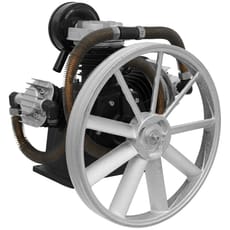
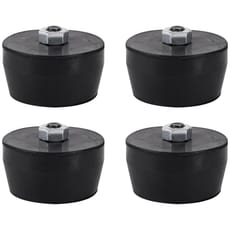
Replacement pump units represent one of the most valuable accessories in this category, allowing tradespeople to rebuild existing compressor systems rather than replacing entire units. When motors, tanks, and electrical components remain sound, fitting a new pump assembly restores full functionality at a fraction of the cost of a complete replacement. Anti-vibration feet and mounting kits address another common workshop concern—excessive noise and vibration transmission through floors and walls. These specialised rubber or composite mounts significantly reduce structure-borne sound, making compressors more suitable for noise-sensitive environments including domestic garages, shared workshop spaces, and residential areas where considerate operation matters.
Professional mechanics, construction workers, and serious DIY enthusiasts investing in quality compressed air systems need access to properly engineered replacement parts and enhancement accessories. Tooled-Up.com stocks components from trusted manufacturers like Sealey, whose products are specifically designed to integrate seamlessly with their compressor ranges. This ensures correct fitment, optimal performance, and the peace of mind that comes from using manufacturer-approved components rather than universal alternatives that may compromise system reliability or void warranties.
Jargon Buster
- Cylinder Pump Assembly: The core compression component consisting of one or more cylinders that draw in atmospheric air and compress it for delivery to the receiver tank. Multi-cylinder configurations (twin or three-cylinder) generally provide higher output volumes and smoother, more balanced operation compared to single-cylinder designs.
- Anti-Vibration Feet: Specialised rubber or composite mounting accessories that isolate the compressor from the supporting surface, dramatically reducing transmitted vibration and noise whilst protecting floor finishes from damage. Particularly effective on suspended timber floors and in buildings with shared walls.
- CFM (Cubic Feet per Minute): The standard measurement of air volume delivery that a compressor can produce. Understanding your system's CFM rating is essential when selecting replacement pumps to ensure maintained performance levels for pneumatic tools and equipment.
- Duty Cycle: The percentage of time within a given period that a compressor can operate continuously without overheating or requiring rest periods. Typically expressed as a percentage—a 60% duty cycle means the unit can run for six minutes in every ten. Replacement components should match or exceed original duty cycle specifications.
- Direct Drive vs Belt Drive: Two fundamental compressor configurations. Direct drive pumps connect directly to the motor shaft for compact designs, whilst belt-driven systems use pulleys and belts allowing different speed ratios. Each type requires different accessories, maintenance approaches, and replacement parts.
- Bar/PSI Pressure Ratings: Units measuring compressed air pressure. UK workshop compressors typically display pressure in bar, with most operating between 8-10 bar maximum pressure (approximately 116-145 PSI). Replacement pumps must match the pressure ratings of your existing system.
Who Uses Other Air Compressor Accessories?
- Vehicle mechanics and automotive technicians maintaining workshop compressor systems for pneumatic tools and spray equipment
- Construction site workers requiring reliable compressed air for nail guns, impact wrenches, and site equipment
- Manufacturing and production facility maintenance teams keeping industrial compressor systems operational
- Spray painting professionals depending on consistent air delivery for quality finishing work
- Workshop and garage owners minimising downtime through proactive maintenance and component replacement
- Plant maintenance engineers responsible for compressed air infrastructure across industrial facilities
- Woodworkers and joiners using air-powered nailers, staplers, and finishing equipment daily
- Agricultural workers maintaining farm workshop compressors for equipment servicing and repairs
- Mobile mechanics and onsite service engineers carrying replacement components for field repairs
- DIY enthusiasts maintaining home workshop compressors for projects and general use
How to Choose the Right Other Air Compressor Accessories
Verify Compatibility: Always confirm that replacement parts and accessories are specifically designed for your compressor make and model. For replacement pump assemblies, check cylinder bore diameter, stroke length, mounting bolt patterns, motor shaft diameter, and drive configuration. Brands available from Tooled-Up like Sealey engineer their accessories for specific compressor models, ensuring proper fitment without modification.
Match Performance Specifications: When selecting replacement pumps, ensure the CFM output, maximum pressure rating, and duty cycle meet or exceed your original unit's specifications. An undersized pump will struggle to maintain pressure during tool operation, whilst an oversized pump may overtax the motor or exceed tank pressure ratings. Consider whether your application requires single, twin, or three-cylinder configuration based on typical usage patterns and required air volume.
Address Vibration and Noise: Operating compressors in residential garages, shared workshops, or noise-sensitive environments requires effective vibration isolation. Quality anti-vibration foot kits significantly reduce transmitted noise through floors and walls, preventing neighbour disturbance and protecting surface finishes. This becomes increasingly important for larger compressors generating substantial vibration during operation, particularly those mounted on suspended timber floors.
Assess Build Quality: Look for accessories manufactured from durable materials suited to workshop environments. Replacement pump assemblies should feature cast iron cylinders for superior heat dissipation and longevity compared to aluminium alternatives. Anti-vibration feet should use high-density rubber compounds that maintain their damping properties over time without hardening, perishing, or losing effectiveness.
Check Electrical Requirements: Ensure any electrical components or complete pump assemblies are rated for UK mains voltage (240v) and comply with relevant BS/EN safety standards. Verify whether your compressor operates on standard 13A supply or requires dedicated wiring for higher-powered units. Professional installation may be necessary for larger replacement pumps to ensure safe electrical connection and proper earthing.
Consider Installation Requirements: Assess whether you have the technical capability, tools, and equipment needed for fitting replacement components. Some accessories like anti-vibration feet require only basic hand tools and can be DIY-installed, whilst replacement pump assemblies may need specialist knowledge, lifting equipment, and precise alignment. Factor in professional fitting costs if installation exceeds your capabilities or available workshop facilities.
Popular Accessories
- Air line hoses and retractable hose reels for connecting pneumatic tools
- Quick-release couplings and adaptors for rapid tool changes without air loss
- Pressure regulators and accurate gauges for precise air pressure control
- In-line filters and water traps removing moisture and contaminants from compressed air
- Specialist compressor lubricating oil for maintaining pump longevity
- Replacement drive belts and pulleys for belt-driven compressor maintenance
- Safety valves and pressure switches providing critical system protection
- Pneumatic tool kits including nailers, impact wrenches, and spray guns
- Sound-dampening enclosures for additional noise reduction in sensitive environments
- Wheel kits and mobility accessories improving compressor portability around workshops
- Pressure vessel drain valves for removing condensation from receiver tanks
- Intake air filters preventing dust and debris entering compression cylinders
Safety Information
Working with air compressor components requires strict adherence to safety procedures. Always disconnect the compressor from 240v mains power and fully release all air pressure from the system before attempting maintenance, repairs, or accessory installation. Compressed air systems can retain dangerous pressure levels even after switching off—use the manual drain valve to verify complete depressurisation before loosening any connections.
When fitting replacement pumps or major components, ensure all mounting bolts, pipe connections, and fittings are properly secured and tightened to manufacturer specifications. Loose connections can result in dangerous air leaks, reduced performance, or catastrophic component failure. Follow HSE guidelines for working with compressed air equipment and wear appropriate PPE including safety glasses and hearing protection when working near pressurised systems.
Anti-vibration mounting feet must be installed on stable, level surfaces capable of supporting the compressor's full operating weight. Verify the compressor remains stable during operation and cannot tip, rock, or move unexpectedly. Maintain adequate ventilation around the compressor unit to prevent motor overheating, and never operate equipment beyond its rated duty cycle or maximum pressure specifications.
Replacement electrical components must comply with UK electrical safety regulations and be installed by competent persons familiar with BS 7671 wiring requirements. If you're uncertain about any aspect of installation, maintenance, or component compatibility, consult a qualified compressor technician or contact the manufacturer's technical support service before proceeding.
Frequently Asked Questions
Can I replace just the pump unit on my compressor, or must I purchase a complete new system?
In many cases, replacing only the pump assembly represents a highly cost-effective alternative to purchasing an entirely new compressor. If your motor, receiver tank, pressure switch, and electrical components remain in good working order, a replacement pump can restore full functionality at typically 30-50% of the cost of a complete unit. However, ensure the replacement pump matches your compressor's specifications exactly, including mounting dimensions, motor shaft size and type (keyed or threaded), pressure ratings, and CFM output. The pump assembly available at Tooled-Up must be compatible with your specific compressor model for safe, reliable operation.
Will anti-vibration feet genuinely make a noticeable difference to compressor noise levels?
Yes, quality anti-vibration mounting feet can significantly reduce transmitted noise and vibration, particularly structure-borne sound travelling through floors, walls, and building frameworks. Whilst they won't eliminate the compressor's airborne operational noise entirely, they prevent the low-frequency vibration that often causes the most disturbance in workshops, domestic garages, and buildings with shared walls. The improvement is most dramatic with compressors mounted on suspended timber floors or in first-floor workshops where vibration transmission affects rooms below. Many users report substantial reductions in neighbour complaints after fitting proper vibration isolation.
How frequently should I expect to replace my compressor pump assembly?
With proper maintenance including regular compressor oil changes (typically every 500 hours), air filter cleaning, and correct operating procedures, quality compressor pumps can deliver many years of reliable service. Professional users operating compressors daily in demanding workshop environments might expect 5-10 years of service, whilst occasional DIY users may achieve 15-20 years or more. Replacement becomes necessary when you notice significant pressure loss, excessive oil consumption, unusual knocking or rattling noises, visible cylinder wear, or inability to reach rated pressure. Operating hours, duty cycle adherence, and working conditions all significantly affect pump longevity.
Are three-cylinder pump assemblies superior to twin-cylinder designs for workshop use?
Three-cylinder pumps generally provide smoother operation with reduced pulsation and vibration compared to twin-cylinder designs, as the compression strokes are more evenly distributed throughout the rotation cycle. They typically deliver higher CFM outputs and run cooler under sustained use, making them better suited to professional applications requiring extended run times. However, three-cylinder pumps are also more expensive and slightly more complex mechanically. For heavy-duty professional workshops, spray painting operations, or industrial applications, the performance benefits usually justify the additional investment. DIY users and light commercial applications may find twin-cylinder pumps perfectly adequate for their requirements.
What tools do I need to fit anti-vibration feet to my workshop compressor?
Most anti-vibration foot kits can be fitted using basic hand tools—typically just spanners or sockets matching your compressor's existing mounting bolt sizes. The main requirement is safely supporting the compressor's weight whilst changing the feet, which may require a trolley jack, wooden blocks, or assistance from another person depending on the unit's size and weight. Always ensure the compressor is disconnected from mains power and completely depressurised before beginning installation. For larger industrial compressors, proper lifting equipment and two-person handling may be necessary to comply with manual handling regulations.