

Packers & Spacers

Pay in 3 interest-free payments on purchases from £20-£3000 with  . Learn more.



 Loading...
End of content
Error - No more pages to load
About Packers & Spacers
Packers and spacers are essential precision tools used across construction, joinery, glazing, and general building work to create accurate gaps, level surfaces, and ensure proper alignment during installation. These versatile products range from simple plastic wedges and flat shims to precision steel shims and specialist U-shaped packers, each designed to solve specific spacing and levelling challenges on site. Whether you're installing windows and doors, laying flooring, erecting fencing, or levelling kitchen units, the right packer or spacer ensures professional results and prevents costly mistakes caused by uneven surfaces or improper alignment.
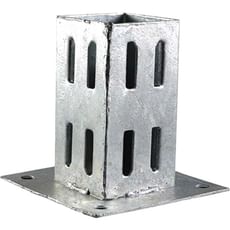
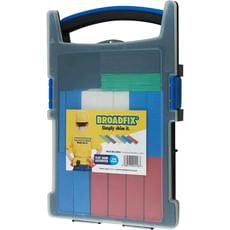
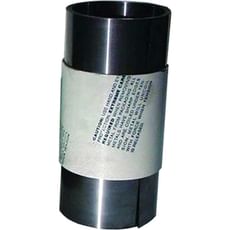
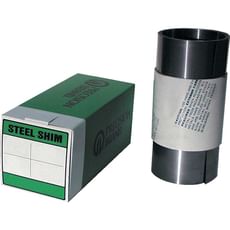
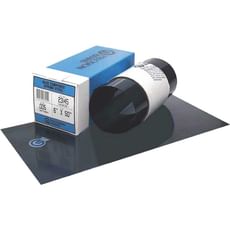
Tooled-Up.com stocks a comprehensive range of packers and spacers from trusted brands including Broadfix, Sirius, Timco, and Faithfull. The selection includes flat packers in various thicknesses for fine adjustments, wedge packers that provide tapered support for levelling, U-shaped packers ideal for pipe work and framing, and precision steel shims for accurate engineering applications. Many products are available in convenient mixed tubs or carry cases, providing tradespeople with an assortment of sizes readily accessible on site. Specialist items such as loft legs for creating safe storage spaces and bolt-down fence post shoes complete the range, offering solutions for specific installation challenges.
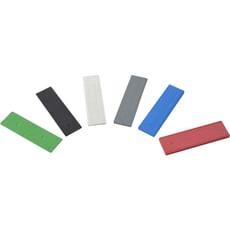
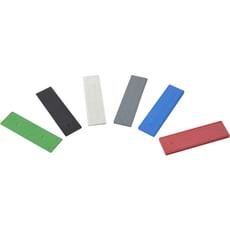
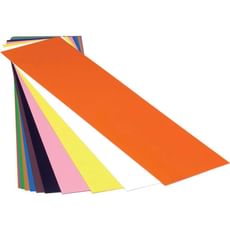
Modern packers and spacers are manufactured from durable materials including high-impact plastic, polymer composites, and precision-ground steel. Plastic varieties offer excellent resistance to moisture and chemicals, won't rot or corrode, and can be easily trimmed or shaped to suit specific applications. Steel shims provide superior strength and precision for engineering applications where exact tolerances are critical. Colour-coded systems help tradespeople quickly identify different thicknesses, speeding up workflow and reducing selection errors during installation work.
Jargon Buster
- Shim: A thin, tapered or flat piece of material used to fill small gaps or spaces between objects, typically to achieve level or plumb alignment. Available in various materials and thicknesses from 1mm upwards.
- Flat Packer: A non-tapered spacer with uniform thickness throughout, used to create consistent gaps or raise components by a specific measurement. Commonly available in thicknesses ranging from 1mm to 10mm or more.
- Wedge Packer: A tapered packer that gradually increases in thickness along its length, allowing fine adjustment for levelling by driving it further into position. Ideal for levelling window frames, door linings, and cabinets.
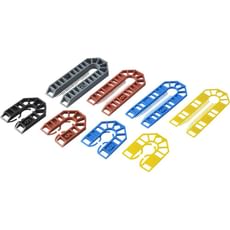
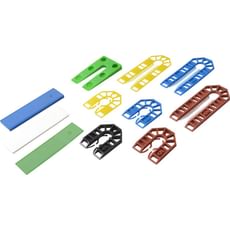
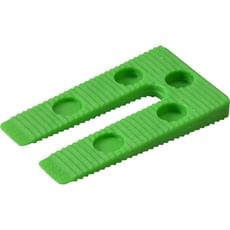
- U-Packer: A horseshoe-shaped packer designed to support pipes, cables, or framing members whilst maintaining a specific distance from walls or other surfaces. The U-shape prevents lateral movement whilst allowing easy installation.
- Tolerance: The acceptable range of variation in measurements or dimensions. Precision shims help achieve tight tolerances in engineering and high-specification joinery work.
- Load-Bearing: The ability of a packer to support weight without crushing or deforming. Critical when using packers beneath structural elements, kitchen units, or machinery.
Who Uses Packers & Spacers?
- Window and Door Fitters: Essential for achieving level and plumb installation of frames, ensuring proper operation and weather sealing
- Joiners and Carpenters: Used extensively for levelling kitchen units, worktops, fitted furniture, and timber framing work
- Glaziers: Rely on precision packers to correctly position glass units within frames and maintain specified clearances
- Plumbers and Heating Engineers: Use U-packers and flat packers to support pipework at correct distances from walls and floors
- Flooring Installers: Employ spacers and wedges to maintain expansion gaps and level subfloors before laying finished surfaces
- Electricians: Use packers when installing consumer units, mounting back boxes, and positioning electrical enclosures
- General Builders: Keep assorted packers on site for countless levelling and spacing applications throughout construction projects
- Fencing Contractors: Utilise fence post shoes and packers for quick, accurate fence installation without excavation
- DIY Enthusiasts: Home improvers tackling installation projects benefit from the professional results packers provide
How to Choose the Right Packers & Spacers
Material Selection: Consider the environment and load requirements. Plastic packers suit most general building applications and resist moisture, making them ideal for external use and wet areas. Steel shims provide superior strength and precision for engineering applications or where high loads are involved. Choose non-sparking materials for potentially explosive environments.
Thickness and Size Range: Assess the gaps you need to fill and the adjustment range required. Flat packers typically range from 1mm to 10mm thickness, whilst wedge packers offer variable adjustment. Mixed tubs or assortment cases from brands available at Tooled-Up provide multiple sizes in one convenient package, ensuring you have the right thickness to hand.
Packer Type: Match the packer shape to your application. Flat packers work best where consistent spacing is needed throughout. Wedge packers excel at levelling work where fine adjustment is required. U-packers are specifically designed for supporting pipes and cylindrical objects. Consider specialist products like loft legs for specific tasks.
Load-Bearing Capacity: Ensure packers can support the weight they'll bear without crushing. Kitchen units, structural glazing, and machinery require robust, load-rated packers. Check manufacturer specifications for weight ratings, particularly for critical applications.
Colour Coding: Many professional packer ranges use colour coding to indicate thickness, speeding up selection during installation. This system proves invaluable when working with mixed assortments or when multiple tradespeople are working on site.
Quantity and Packaging: For professional use, bulk packs or mixed tubs offer better value and ensure adequate stock for larger projects. Individual packs suit specific jobs or DIY projects. Carry cases keep assorted sizes organised and protected during transport.
Popular Accessories
- Spirit Levels and Laser Levels: Essential companions to packers for verifying level and plumb alignment during installation
- Packers Cutting Tools: Sharp utility knives or side cutters for trimming plastic packers flush after installation
- Installation Adhesives: PU foam, grab adhesive, or silicone sealants used alongside packers during frame installation
- Fixing Screws and Anchors: Appropriate fixings to secure frames and components once correctly packed and levelled
- Claw Hammers and Mallets: For driving wedge packers into position and tapping components during adjustment
- Measuring Tools: Digital callipers, feeler gauges, and measuring tapes for verifying gaps and packer thicknesses
- Tool Storage Solutions: Organisers, cases, and belt pouches for keeping assorted packers accessible during installation work
- Marking Tools: Pencils and markers for indicating packer positions before final fixing
Frequently Asked Questions
Can plastic packers be used for load-bearing applications?
Yes, high-quality plastic packers are designed to be load-bearing and can support substantial weight without crushing. Products from established brands like Broadfix are engineered for professional use beneath kitchen units, window frames, and similar applications. However, always check the manufacturer's specifications for weight ratings, and use sufficient packers distributed appropriately to spread the load. For extremely heavy loads or critical engineering applications, consider steel shims instead.
What's the difference between a shim and a packer?
The terms are often used interchangeably, though traditionally a shim refers to a very thin spacer (often tapered) used for fine adjustment, whilst a packer is typically thicker and used to fill larger gaps or provide substantial support. In practical terms, shims are associated with precision adjustment measured in fractions of millimetres, whereas packers handle gaps from 1mm upwards. Steel shims offer the finest tolerances, whilst plastic packers provide versatility for general building work.
How do I know which thickness packer I need?
Measure the gap you need to fill using a tape measure, ruler, or for precision work, digital callipers or feeler gauges. For levelling applications, use a spirit level to determine high and low points, then measure the difference. Many professionals keep mixed assortment tubs on site, allowing them to combine different thicknesses or select the exact size needed. When levelling, start with wedge packers for adjustment, then switch to flat packers once the correct height is achieved for more stable long-term support.
Can packers be stacked or combined?
Yes, packers can be stacked to achieve required thicknesses, though it's generally better to use fewer, thicker packers rather than many thin ones where possible for greater stability. When stacking, ensure packers are aligned and fully supporting the load above. For professional installations requiring precise tolerances, combining specific thicknesses from an assortment allows exact adjustment. Some applications benefit from using a wedge packer for initial levelling, then supplementing with flat packers for additional height.
Are packers suitable for external use?
Plastic packers are excellent for external applications as they resist moisture, won't rot like timber, and don't corrode like metal alternatives. They maintain their dimensional stability in wet conditions and across temperature variations typical in UK weather. Products specifically designed for external use, such as fence post shoes and exterior-grade shims, often feature UV-resistant materials or protective coatings. Steel shims used externally should be galvanised or stainless steel to prevent corrosion, particularly in coastal or industrial environments.