

Paint & Speciality Brushes
Pay in 3 interest-free payments on purchases from £30-2000 with  . Learn more.
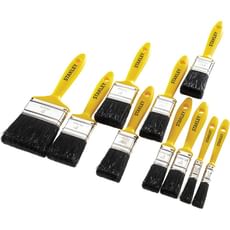
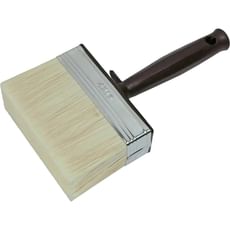
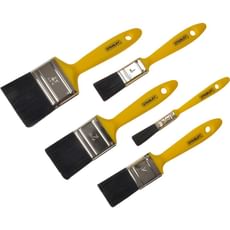
 Loading...
End of content
Error - No more pages to load
About Paint & Speciality Brushes
Achieving a professional finish in decorating projects demands the right brush for every application. Paint and speciality brushes represent a diverse category of essential tools designed for specific painting tasks that standard brushes cannot adequately handle. From cutting in around window frames with angled brushes to reaching behind radiators or applying preservative treatments to outdoor timber, specialist brushes enable tradespeople and DIY enthusiasts to tackle challenging painting scenarios with precision and efficiency.
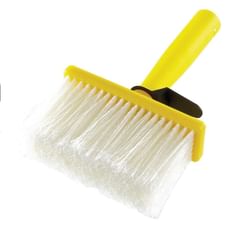
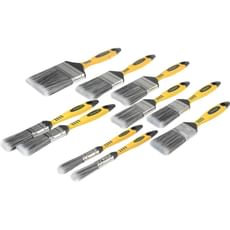
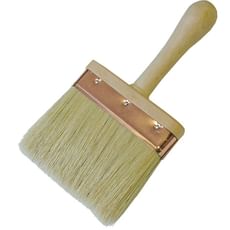
The range at Tooled-Up includes angled paint brushes for precision edging work, dusting brushes for surface preparation, masonry paint brushes engineered to handle rough exterior surfaces, radiator paint brushes with extended or angled heads for awkward access areas, and robust shed and fence brushes designed for rapid coverage of large exterior timber surfaces. Synthetic paint brushes offer excellent performance with water-based paints and modern coatings, whilst traditional natural bristle options remain popular for oil-based applications where superior paint flow is essential.
Quality construction distinguishes professional-grade paint brushes from budget alternatives. Premium brushes feature securely fastened bristles that resist shedding, ergonomically designed handles that reduce fatigue during extended use, and bristle configurations engineered to hold optimal paint volumes whilst maintaining precise control. Whether you're a professional decorator working on heritage restoration projects or a homeowner tackling weekend improvement tasks, selecting the appropriate speciality brush significantly impacts both working efficiency and final results.
Jargon Buster
- Bristle Filament: The individual fibres that form the brush head, available in natural materials like hog hair or synthetic options such as polyester and nylon. Natural bristles excel with oil-based paints, whilst synthetic filaments perform better with water-based emulsions and resist becoming waterlogged.
- Flagged Tips: Split or frayed bristle ends that increase paint-holding capacity and create smoother application by holding more coating material and releasing it gradually. Higher-quality brushes feature more flagged tips for superior finish quality.
- Cutting In: The technique of painting precise lines along edges, corners, and trim work where rollers cannot reach. Angled sash brushes specifically facilitate cutting in by providing better visibility and control along architectural details.
- Chisel Edge: A brush profile where bristles are trimmed to a tapered edge rather than flat, enabling more precise line work and better paint control for detailed decorating applications.
- Ferrule: The metal band that secures bristles to the brush handle. Quality ferrules resist corrosion and maintain firm bristle attachment even after repeated cleaning and solvent exposure.
- Stippling: A decorative painting technique using a speciality brush to create textured patterns by dabbing rather than brushing paint onto surfaces, commonly employed in heritage decoration and faux finishing work.
Who Uses Paint & Speciality Brushes?
- Professional Decorators: For precision work on domestic and commercial projects requiring specialised application techniques
- Painters and Decorators: Completing detailed trim work, cutting in, and specialty finishing on site projects
- Maintenance Contractors: Performing touch-up work and protective coating applications across facilities management contracts
- Restoration Specialists: Working on heritage properties where traditional techniques and specialist brushes are essential
- Property Developers: Preparing properties for sale with professional-standard decoration across multiple units
- Facilities Managers: Maintaining commercial premises including difficult-to-access areas like radiators and pipework
- Fencing Contractors: Applying preservative treatments and decorative finishes to exterior timber structures
- DIY Enthusiasts: Achieving professional results on home improvement projects without hiring tradespeople
- Scenic Artists: Creating theatrical and film set decoration requiring specialised painting techniques
- Shopfitters: Finishing retail interiors with precise detailing around fixtures and fittings
How to Choose the Right Paint & Speciality Brushes
Paint Type Compatibility: Match bristle material to your coating. Synthetic brushes work optimally with water-based emulsions, acrylics, and modern eco-friendly paints, resisting moisture absorption that causes natural bristles to swell and lose shape. Natural bristle brushes remain superior for oil-based paints, varnishes, and traditional finishes where the bristle structure facilitates smooth paint flow and levelling.
Application-Specific Design: Consider the specific task requirements. Angled brushes provide superior control for cutting in around architraves and ceiling lines, whilst radiator brushes with extended or cranked handles access confined spaces behind heating systems. Masonry brushes feature stiffer, more robust bristles that withstand abrasive exterior surfaces without premature wear, whilst shed and fence brushes offer wider profiles for rapid coverage of large timber areas.
Brush Size and Width: Select dimensions appropriate to your project scale. Smaller brushes between 25-50mm suit detailed work, window frames, and intricate trim. Medium brushes from 50-75mm handle general purpose painting and cutting in. Larger brushes exceeding 100mm width accelerate coverage on extensive flat surfaces like fence panels and cladding. Tooled-Up.com stocks comprehensive size ranges across all speciality brush categories.
Handle Comfort and Design: Ergonomic handles significantly reduce fatigue during extended painting sessions. Contoured grips provide better control and comfort than basic straight handles, particularly important for professional decorators working full days. Some specialist brushes feature extended handles for reaching difficult areas without ladders or scaffolding, improving both efficiency and safety on site.
Build Quality and Durability: Professional-grade brushes justify their higher initial cost through extended service life and consistent performance. Examine ferrule construction—stainless steel or epoxy-bonded ferrules resist corrosion from water-based paints and cleaning solvents. Check bristle security by tugging gently; quality brushes shed minimal filaments even when new. Securely attached handles that won't work loose during cleaning indicate superior manufacturing standards.
Popular Accessories
- Brush Cleaners and Solvents: Dedicated brush cleaning solutions for removing water-based and oil-based paints whilst preserving bristle condition
- Brush Combs and Scrapers: Tools for removing dried paint from bristles and maintaining proper bristle alignment during cleaning
- Brush Storage Solutions: Protective cases and hangers that maintain bristle shape during storage and transportation
- Paint Kettles and Scuttles: Portable containers for decanting paint quantities, reducing contamination of original tins
- Masking Tape and Film: Essential for protecting surfaces adjacent to speciality brush work during precision applications
- Dust Sheets and Floor Protection: Safeguarding surfaces from paint splashes during decorating projects
- Paint Stirrers and Mixers: Ensuring coating consistency before application for optimal results
- White Spirit and Thinners: Solvents for cleaning brushes used with oil-based paints and traditional finishes
- Decorators' Aprons and Overalls: Protective workwear from brands like Snickers and Scruffs for keeping clothing clean during painting work
Frequently Asked Questions
How do I properly clean and maintain paint brushes for long-term use?
For water-based paints, rinse brushes thoroughly under running water immediately after use, working solvent through the bristles from ferrule to tip until water runs clear. With oil-based paints, clean brushes using white spirit or dedicated brush cleaner, then wash with warm soapy water. Use a brush comb to align bristles and remove trapped paint from deep within the ferrule. Always reshape bristles to their original profile before drying flat or hanging with bristles downward. Never leave brushes standing on their bristles in cleaning solution, as this permanently deforms the filaments and ruins the brush.
What's the difference between angled and straight paint brushes for cutting in?
Angled paint brushes, also called sash brushes, feature bristles cut at an angle rather than straight across, providing better visibility of the cutting line and more natural wrist positioning during edge work. The angled profile allows painters to see exactly where bristles meet the surface, particularly useful when painting along ceiling lines, around window frames, and beside architraves. Straight brushes can achieve similar results but require more awkward hand positioning and offer less precise visibility. Most professional decorators prefer angled brushes for cutting in work due to these ergonomic and practical advantages.
Can I use the same brush for both water-based and oil-based paints?
Whilst thorough cleaning theoretically allows brush reuse across different paint types, dedicated brushes for each coating category deliver superior results. Synthetic brushes optimised for water-based paints may not provide adequate flow characteristics with oil-based products, whilst natural bristle brushes absorb water and become difficult to control with emulsions. Trace amounts of previous coatings can also cause compatibility issues—oil residue in bristles may repel water-based paint, whilst water residue can cause oil-based paints to lose adhesion. For best results and brush longevity, maintain separate brushes for water-based and solvent-based applications.
How do I prevent brush marks and achieve a smooth finish?
Brush mark prevention begins with selecting appropriate brush quality—higher bristle density with more flagged tips distributes paint more evenly. Avoid overloading the brush; dip only the bottom third of bristles into paint and remove excess against the tin edge rather than scraping harshly. Apply paint using long, smooth strokes in one direction, then lightly cross-brush at right angles without reloading. Finally, lay off with gentle, barely-touching strokes in the original direction. Work systematically to maintain a wet edge, preventing lap marks where dried and wet paint meet. Quality brushes combined with proper technique minimise visible brush strokes significantly.
What size brush should I choose for painting radiators?
Radiator painting requires specialised brushes rather than standard sizes. Choose brushes specifically designed for radiator work, featuring either angled heads approximately 25-40mm wide or extended handles with smaller heads around 25mm for accessing between panels and behind radiators mounted close to walls. Conventional straight brushes struggle to reach these confined spaces effectively. Many professional decorators keep multiple radiator brush styles available, selecting based on radiator design and wall clearance. For best results, consider removing radiators before painting when undertaking comprehensive redecoration, though speciality radiator brushes enable acceptable in-situ painting when removal isn't practical.