
Paints & Varnishes

Pay in 3 interest-free payments on purchases from £20-£3000 with  . Learn more.
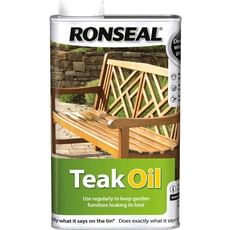
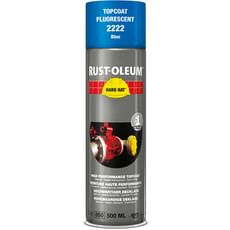
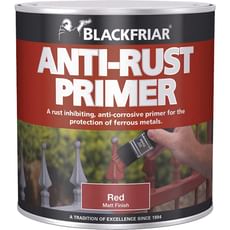
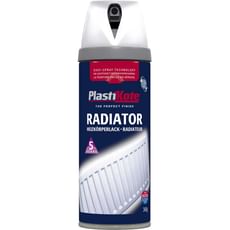
Loading...
End of content
Error - No more pages to load
About Paints & Varnishes
Whether you're restoring heritage joinery, protecting metalwork from the elements, or refreshing tired garden furniture, the right paint or varnish makes all the difference between a professional finish and a botched job. Tooled-Up.com stocks a comprehensive range of paints and varnishes encompassing everything from quick-drying aerosol sprays for touch-ups to specialist wood treatments, metal protectants, and durable exterior coatings designed to withstand the British weather.
From traditional solvent-based varnishes that penetrate deep into timber grain to modern water-based formulations with low VOCs, the selection available from Tooled-Up includes protective coatings for virtually every substrate and application. Whether you're working with wood, metal, masonry, or concrete, you'll find specialist products designed to prepare, protect, and beautify surfaces. This comprehensive range includes decorative finishes, industrial-strength protective coatings, and everything needed to tackle damp, stains, and surface degradation.
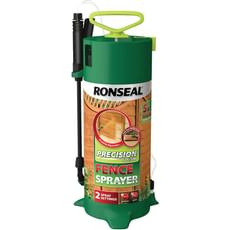
Beyond the coatings themselves, this category also encompasses the application equipment and accessories that make the job easier – from professional-grade paint and fence sprayers that save hours on large projects, to humble paint can openers that prove their worth on every tin. Whatever the scale of your decorating, restoration, or maintenance project, having access to quality paints, varnishes, and associated products ensures results that last.
Jargon Buster
- VOC (Volatile Organic Compounds) – Chemical solvents that evaporate during drying. Low-VOC products are healthier for indoor use and comply with environmental regulations. Modern water-based formulations typically contain significantly lower VOCs than traditional solvent-based alternatives.
- Opacity/Coverage – Refers to how well a coating hides the underlying surface. High-opacity paints provide better coverage in fewer coats, saving time and product. Coverage rates are typically measured in square metres per litre.
- Microporous/Breathable – Finishes that allow moisture vapour to escape from timber whilst preventing liquid water ingress. Essential for exterior woodwork to prevent trapped moisture causing rot and paint failure.
- Primer/Undercoat – Preparatory coatings applied before topcoats. Primers improve adhesion and seal porous surfaces, whilst undercoats provide opacity and a uniform base for decorative finishes.
- DFT (Dry Film Thickness) – The thickness of coating remaining after solvents have evaporated, measured in microns. Professional specifications often require minimum DFT for adequate protection, particularly for anti-corrosion coatings.
- Recoat Time – The minimum interval required between applying successive coats. Applying subsequent coats too early can cause wrinkling or poor adhesion, whilst waiting too long may require light sanding for proper intercoat bonding.
Who Uses Paints & Varnishes?
This range serves a diverse spectrum of professionals and enthusiasts:
- Painters and Decorators – Professional finishers requiring reliable coatings for interior and exterior projects, from residential redecoration to commercial maintenance contracts.
- Joiners and Carpenters – Craftsmen finishing bespoke joinery, staircases, doors, and timber installations who need durable wood finishes and protective treatments.
- General Builders – Multi-trade contractors handling complete refurbishments who require everything from damp treatments to final decorative coatings.
- Maintenance Engineers – Facility managers and maintenance teams protecting metalwork, machinery, and building fabric in industrial, commercial, and institutional settings.
- Metalworkers and Fabricators – Specialists finishing gates, railings, structural steelwork, and architectural metalwork who need anti-corrosive primers and durable topcoats.
- Landscapers and Fencing Contractors – Outdoor specialists treating decking, fences, pergolas, and garden structures against weathering and decay.
- Heritage and Restoration Specialists – Conservation professionals working on listed buildings and period properties requiring traditional finishes and specialist treatments.
- DIY Enthusiasts – Homeowners tackling garden furniture restoration, shed maintenance, interior decoration, and property improvements.
- Shopfitters and Retail Contractors – Commercial specialists finishing display units, fixtures, and retail environments to tight deadlines.
How to Choose the Right Paints & Varnishes
Selecting the appropriate coating depends on several critical factors:
Substrate Type: Different materials require specific products. Timber needs treatments that allow moisture movement whilst preventing water ingress. Ferrous metals require rust-inhibiting primers before topcoats. Masonry and render need breathable masonry paints that accommodate substrate movement. Always match the product specification to your substrate.
Interior or Exterior Use: External coatings must withstand UV degradation, temperature fluctuations, and British weather – from driving rain to occasional frost. Look for products specifically formulated for exterior use with superior weather resistance. Interior products can prioritise quick drying times, low odour, and easy application over extreme durability.
Environmental Conditions: Consider the service environment. Coastal locations require enhanced corrosion protection. High-traffic areas need abrasion-resistant floor coatings. Kitchens and bathrooms benefit from moisture-resistant, wipeable finishes. Industrial settings may require chemical-resistant or fire-retardant coatings meeting specific British Standards.
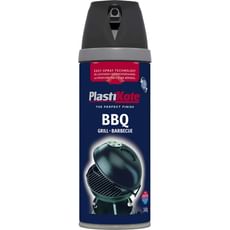
Application Method: Will you brush, roll, or spray? Aerosol spray paints are ideal for small items, touch-ups, and intricate metalwork. Electric paint sprayers dramatically reduce application time on large areas like fences, decking, and cladding, though they require more preparation to protect surrounding surfaces. Traditional brush and roller application offers maximum control and minimal overspray.
Finish and Appearance: From high-gloss yacht varnishes to flat matt masonry paints, the sheen level affects both aesthetics and practicality. Gloss finishes are more durable and wipeable but highlight surface imperfections. Matt finishes hide blemishes but may be harder to clean. Satin and eggshell finishes offer practical compromises for most applications.
Preparation Requirements: Some surfaces need specialist primers, damp treatments, or stain blockers before decoration. Knotting solution prevents resin bleed-through on softwood. Damp and stain blocking primers prevent discolouration showing through topcoats. Bare metal requires appropriate primers to prevent corrosion. Factor preparation products into your project planning.
Drying and Recoat Times: Consider your project timeline. Quick-drying formulations enable same-day recoating, whilst traditional oil-based products may require overnight drying between coats. Professional schedules often demand fast-track systems, whilst DIY projects can accommodate longer drying times for superior flow and levelling.
Popular Accessories
- Paint and Fence Sprayers – Powered application equipment that atomises coatings for rapid coverage on large areas. Ideal for decking, fencing, sheds, and exterior cladding, reducing application time by up to 75% compared to brushing.
- Paint Can Openers – Simple but essential tools that open paint tins without damaging lids, enabling proper resealing to prevent skinning and extend product life.
- Brushes and Rollers – Quality application tools appropriate to your coating type. Natural bristle brushes suit oil-based products, whilst synthetic filaments work better with water-based formulations. Different pile lengths and roller sleeve materials suit various surfaces and finishes.
- Masking Tape and Sheeting – Essential for protecting adjacent surfaces and achieving clean, professional lines. Low-tack decorator's tape prevents paint bleed whilst removing cleanly without damaging underlying surfaces.
- Stirrers and Mixing Paddles – Proper mixing ensures pigments, resins, and additives are uniformly distributed. Power drill-mounted mixing paddles suit large volumes, whilst wooden stirrers serve smaller projects.
- Thinners and Cleaners – Solvent-based coatings require appropriate thinners for adjusting viscosity and white spirit for brush cleaning. Water-based products clean up with water but may need specialist brush cleaners for dried-on material.
- Sandpaper and Abrasives – Surface preparation is fundamental to coating performance. Various grit grades enable everything from initial sanding of rough timber to fine denibbing between coats for piano-smooth finishes.
Safety Information
Working with paints, varnishes, and associated products requires appropriate safety precautions to protect your health and comply with COSHH regulations:
Ventilation: Always ensure adequate ventilation when applying coatings, particularly solvent-based products. VOCs can cause headaches, dizziness, and respiratory irritation. External work naturally provides ventilation, but internal applications may require open windows, doors, and mechanical extraction. Consider low-VOC water-based alternatives for enclosed spaces.
Respiratory Protection: Spray application, particularly with powered sprayers, generates fine aerosol mist. Wear appropriate respiratory protection – disposable dust masks are insufficient. Use organic vapour cartridge respirators for solvent-based products and particulate filters for water-based materials. Follow HSE guidance for respiratory protective equipment selection.
Skin and Eye Protection: Many coatings contain irritants and sensitisers. Wear chemical-resistant gloves (nitrile for most applications) and safety glasses or goggles. Some hardeners and isocyanate-containing products are particularly hazardous and require full protective equipment including coveralls.
Fire and Storage: Solvent-based products are flammable. Store away from ignition sources in cool, well-ventilated areas. Dispose of solvent-soaked rags safely – they can spontaneously combust if left bunched up. Follow waste disposal regulations for unused products and empty containers.
Product Information: Always read safety data sheets and technical data sheets before use. These documents contain essential information about hazards, safe handling, required PPE, first aid measures, and disposal requirements.
Frequently Asked Questions
What's the difference between interior and exterior varnish?
Exterior varnishes contain UV filters and superior weather-resistant resins to withstand sunlight, temperature fluctuations, and moisture cycling. They're formulated to remain flexible and prevent cracking as timber expands and contracts. Interior varnishes prioritise faster drying, harder finishes, and lower odour but will fail quickly if exposed to exterior conditions. Never use interior products outside – they'll break down within months.
How long do I need to wait before applying a second coat?
Recoat times vary dramatically between products. Quick-drying water-based coatings may be recoatable in 2-4 hours, whilst traditional oil-based varnishes might require 16-24 hours. Applying subsequent coats too early traps solvents causing wrinkling and extended drying. Temperature and humidity significantly affect drying – cold, damp conditions substantially extend recoat times. Always follow manufacturer's instructions and test a small area first.
Can I paint over existing coatings or must I strip back to bare wood?
Sound, well-adhered existing finishes can usually be overcoated after light sanding to provide a key. However, incompatible coatings (like water-based over silicone-containing products) may not adhere properly. Flaking, peeling, or multiple thick layers should be removed. For exterior work, taking back to bare wood provides the longest-lasting results. Use appropriate primers when changing coating types.
What's microporous paint and when should I use it?
Microporous (breathable) coatings allow water vapour to escape from timber whilst preventing liquid water ingress. They're essential for exterior joinery where trapped moisture would cause paint failure and timber rot. The microscopic pore structure enables timber to naturally regulate moisture content, preventing the blistering and peeling common with traditional impermeable gloss paints. Most modern exterior wood paints and stains use microporous technology.
How do I calculate how much paint I need?
Check the manufacturer's stated coverage rate, typically given in square metres per litre. Measure your surface area (length × width for flat surfaces) and divide by coverage rate, then multiply by the number of coats required. Always add 10-15% for wastage, irregular surfaces, and touch-ups. Porous or rough substrates absorb more coating and reduce coverage. First coats on bare timber or masonry typically cover less than subsequent coats on sealed surfaces.