

Pallet & Sack Trucks

Pay in 3 interest-free payments on purchases from £20-£3000 with  . Learn more.
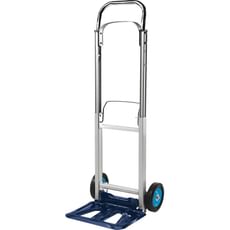
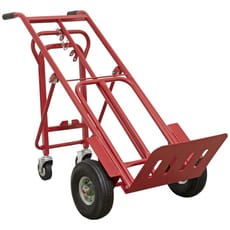
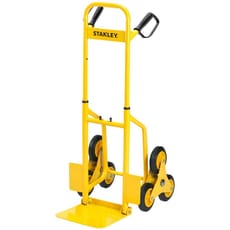
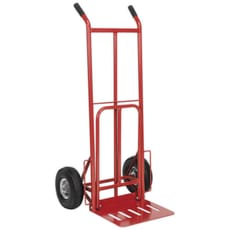
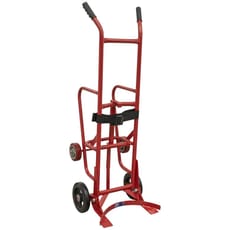
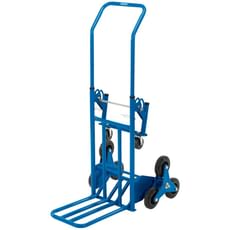
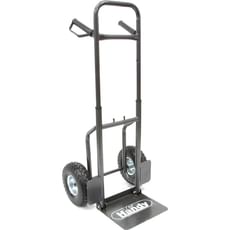
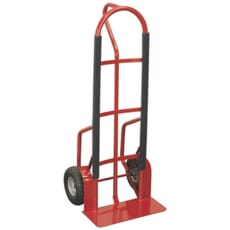
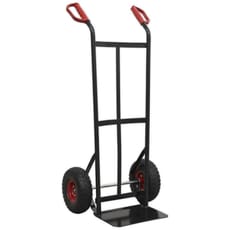
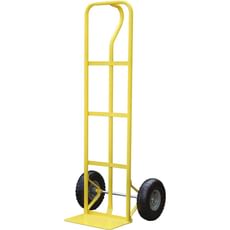
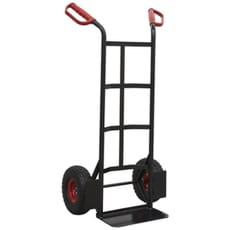
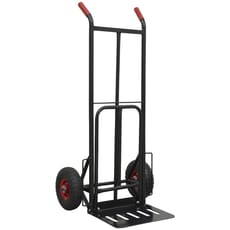
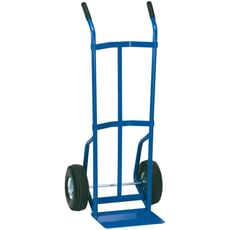
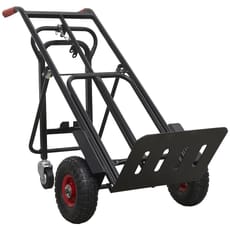
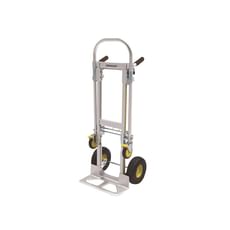
 Loading...
End of content
Error - No more pages to load
About Pallet & Sack Trucks
Pallet and sack trucks are essential material handling equipment designed to move heavy loads safely and efficiently across warehouses, workshops, delivery vehicles, and retail environments. These robust manual handling aids dramatically reduce the physical strain of transporting bulky items, helping to prevent workplace injuries whilst improving productivity. From compact sack trucks for parcel deliveries to heavy-duty pallet trucks capable of moving loads exceeding 2,500kg, Tooled-Up.com stocks a comprehensive range of manual handling solutions suitable for diverse commercial and industrial applications.
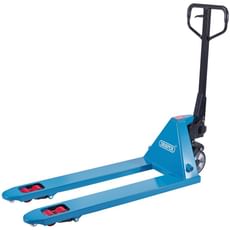
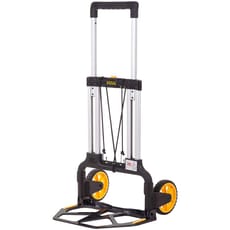
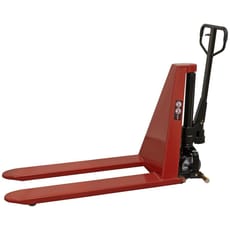
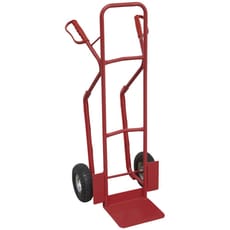
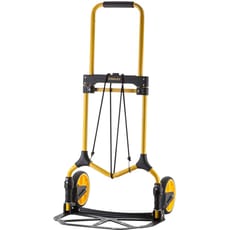
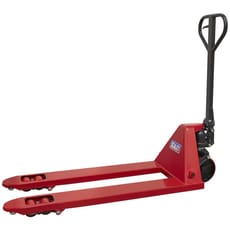
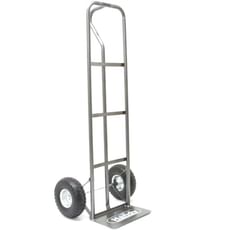
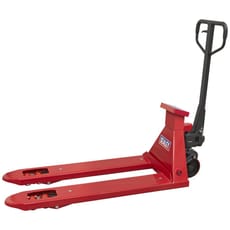
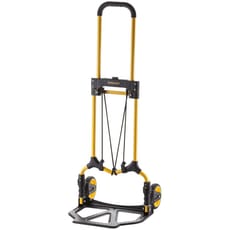
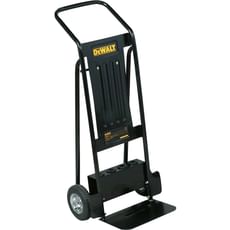
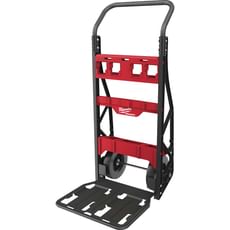
The category encompasses two primary types of equipment: pallet trucks (also known as pallet jacks or pump trucks) which feature two long forks that slide beneath palletised loads, and sack truck trolleys (hand trucks or box barrows) with an upright frame and wheels that tilt back to balance loads during transport. Both types utilise simple mechanical principles to multiply human effort, allowing a single operator to move loads that would otherwise require multiple people or powered equipment. Available in various capacities, wheel configurations, and frame materials, these tools represent one of the most cost-effective investments for any business handling goods regularly.
Modern designs incorporate ergonomic features such as cushioned handles, puncture-proof wheels, and precision steering mechanisms that make operation smoother and less fatiguing over extended periods. Galvanised steel, powder-coated mild steel, and lightweight aluminium construction options ensure durability across different working environments, from corrosive warehouse conditions to outdoor delivery routes where weather resistance proves essential.
Jargon Buster
- Load Capacity: The maximum weight a truck can safely handle, typically ranging from 150kg for lightweight sack trucks to 3,000kg for heavy-duty pallet trucks. Always check the rated capacity before use and never exceed manufacturer specifications.
- Fork Length: The measurement of the horizontal prongs on pallet trucks that slide under pallets. Standard lengths are 1150mm or 1220mm, designed to accommodate both Euro pallets (1200 x 800mm) and UK standard pallets (1200 x 1000mm).
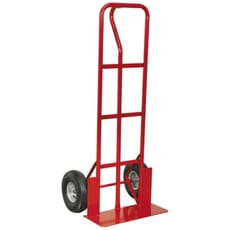
- Toe Plate: The flat platform at the base of a sack truck where loads rest during transport. Larger toe plates provide better stability for bulkier items, whilst folding toe plates offer enhanced versatility and compact storage.
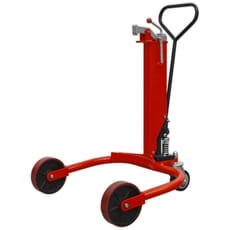
- Hydraulic Pump: The mechanism in pallet trucks that raises the forks through repeated pumping of the handle. Quality hydraulic systems require fewer pumps to achieve full height and maintain smooth, controlled lowering.
- Polyurethane Wheels: Non-marking wheels ideal for indoor use on finished floors, combining durability with floor protection. They offer quieter operation than pneumatic tyres whilst maintaining good load capacity and manoeuvrability.
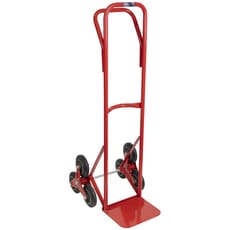
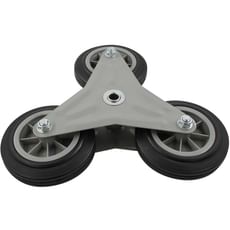
- Stair Climbers: Specialised sack trucks featuring tri-wheel configurations or tracked systems that enable loads to be transported up and down stairs safely, essential for delivery drivers and multi-storey warehouse operations.
Who Uses Pallet & Sack Trucks?
These versatile material handling tools serve an extensive range of trades and industries:
- Warehouse Operatives & Logistics Workers: Daily use for loading, unloading, and moving palletised goods throughout distribution centres
- Delivery Drivers & Couriers: Essential for transporting parcels, packages, and bulk deliveries from vehicles to customer premises
- Retail Staff: Moving stock from storage areas to shop floors, handling deliveries, and restocking shelves efficiently
- Tradespeople: Builders, electricians, plumbers, and other trades transporting tools, materials, and equipment across sites
- Manufacturing Workers: Handling raw materials, components, and finished products within production facilities
- Maintenance Engineers: Transporting heavy equipment, spare parts, and tools throughout facilities
- Event Coordinators: Moving staging, equipment, and supplies during setup and breakdown of exhibitions and events
- Agricultural Workers: Handling feed bags, seed sacks, and supplies around farms and smallholdings
- Hospitality Staff: Transporting catering supplies, beverages, and equipment in hotels and restaurants
- DIY Enthusiasts & Homeowners: Occasional use for home improvement projects, garden landscaping, and moving heavy household items
How to Choose the Right Pallet & Sack Trucks
Selecting appropriate equipment requires careful consideration of your specific handling requirements:
Load Weight and Type: Establish the maximum weight you'll regularly transport and choose equipment with a comfortable safety margin above this figure. Consider whether loads are palletised, boxed, cylindrical, or irregularly shaped, as this influences whether pallet trucks or sack trolleys prove more suitable.
Working Environment: Indoor use on smooth warehouse floors permits standard polyurethane or nylon wheels, whilst outdoor or rough terrain applications demand pneumatic tyres with greater shock absorption. Corrosive environments benefit from galvanised or stainless steel construction rather than painted mild steel frames.
Manoeuvrability Requirements: Tight working spaces necessitate compact designs with reduced turning circles. Consider the width between racking, doorways, and aisles when selecting fork width on pallet trucks or overall dimensions on sack trolleys.
Frequency of Use: Professional daily use justifies investment in premium models with sealed bearing systems, reinforced frames, and superior hydraulic pumps. Occasional domestic use may suit more economical options available from Tooled-Up without compromising safety for lighter applications.
Specialist Features: Stair-climbing capability, folding designs for vehicle storage, extended toe plates, or adjustable handle heights address specific operational challenges. Quick-lift mechanisms reduce pumping effort on pallet trucks, whilst braking systems enhance safety on inclines.
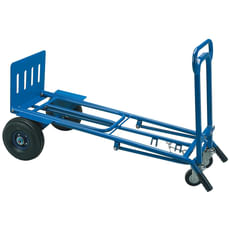
Wheel Configuration: Two-wheel sack trucks offer simplicity and affordability, four-wheel platform trucks provide stability for larger loads, and specialist stair-climbing designs feature multiple wheel sets for navigating steps safely.
Popular Accessories
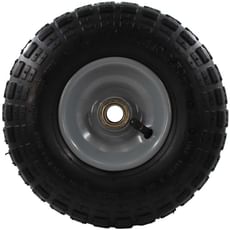
- Replacement Wheels: Polyurethane, pneumatic, and puncture-proof options to suit different surfaces and extend equipment lifespan
- Securing Straps & Bungee Cords: Prevent loads shifting during transport, particularly on sack trucks navigating uneven terrain
- Toe Plate Extensions: Increase the load-bearing surface area on sack trucks for handling wider or longer items
- Protective Gloves: Improve grip and protect hands during prolonged handling operations
- Load Stabilising Nets & Cages: Contain loose items and prevent loads toppling during movement
- Anti-Slip Mats: Place on toe plates to prevent loads sliding during transport
- Maintenance Kits: Lubricants, hydraulic fluid, and replacement seals to keep equipment operating smoothly
- Pallet Wrap & Stretch Film: Secure palletised loads before transport on pallet trucks
- Weighing Scales (Pallet Truck Mounted): Integrated or portable scales for weighing loads during handling
Safety Information
Safe operation of pallet and sack trucks requires adherence to HSE guidelines and proper handling techniques. Always inspect equipment before use, checking for damaged wheels, hydraulic leaks, worn handles, or structural defects. Never exceed the manufacturer's stated load capacity, as overloading compromises stability and can cause catastrophic equipment failure or serious injury.
Maintain proper posture when operating sack trucks: keep your back straight, bend at the knees when loading, and ensure loads are balanced and secured before tilting. Pull rather than push sack trucks when possible, maintaining clear visibility of your path and potential obstacles. When using pallet trucks, position forks centrally beneath loads, pump handles smoothly without jerking, and lower loads gradually using controlled descent mechanisms.
Wear appropriate PPE including safety footwear with reinforced toe caps, high-visibility clothing in warehouse environments, and protective gloves with good grip. Be particularly cautious on slopes, ramps, and uneven surfaces where loads can shift unexpectedly. Ensure adequate training for all operators, covering manual handling techniques, load assessment, and emergency procedures. Store equipment safely when not in use, with handles lowered and forks flat to prevent tripping hazards.
Frequently Asked Questions
What's the difference between a pallet truck and a sack truck?
Pallet trucks feature two long horizontal forks that slide beneath pallets and use a hydraulic pump to raise loads slightly off the ground for transport. Sack trucks have an upright vertical frame with a toe plate at the base; loads rest against the frame and the entire unit tilts backward onto wheels for movement. Pallet trucks suit palletised warehouse goods, whilst sack trucks excel at moving boxes, sacks, appliances, and non-palletised items.
Can I use a pallet truck on uneven outdoor surfaces?
Standard pallet trucks with small polyurethane wheels struggle on rough terrain, gravel, or grass. For outdoor use, choose models with larger diameter pneumatic tyres that absorb shocks and navigate uneven surfaces more effectively. However, even these have limitations – rough terrain pallet trucks or powered alternatives suit seriously challenging ground conditions.
How much weight can a typical sack truck handle?
Lightweight aluminium sack trucks typically handle 90-150kg, mid-range steel models manage 200-300kg, and heavy-duty industrial versions cope with 400kg or more. The selection at Tooled-Up includes options across this spectrum. Always check the specific load rating and remember that practical capacity depends on load distribution and handling conditions, not just the truck's theoretical maximum.
Do pallet trucks require maintenance?
Yes, regular maintenance extends lifespan and ensures safe operation. Periodically lubricate wheel bearings and steering pivots, check hydraulic fluid levels, inspect for leaks around seals, and examine wheels for damage or excessive wear. Clean the frame to prevent corrosion, particularly in damp environments, and ensure the release mechanism operates smoothly. Most issues are preventable through simple monthly checks.
Are stair-climbing sack trucks worth the extra cost?
If you regularly navigate stairs with heavy loads – common for delivery drivers, multi-storey warehouse operations, or servicing buildings without lifts – stair-climbing models justify their premium pricing through reduced physical strain and improved safety. The tri-wheel or tracked designs significantly ease the descent and ascent process. However, for predominantly flat-surface use, standard two-wheel models offer better value and lighter weight for easier handling.