

Palm Sanders

Pay in 3 interest-free payments on purchases from £20-£3000 with  . Learn more.
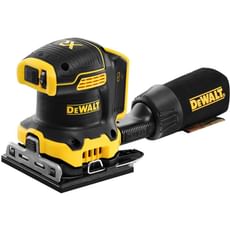


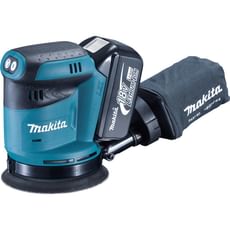
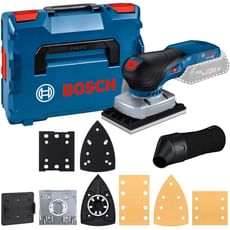
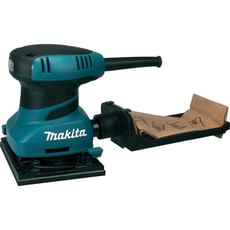
 Loading...
End of content
Error - No more pages to load
About Palm Sanders
Palm sanders are compact, handheld power tools engineered for smoothing and finishing wood, metal, plastic and painted surfaces with precision and control. Named for their ergonomic design that fits comfortably in the palm of your hand, these versatile machines excel at detailed work, edge finishing and overhead applications where larger orbital sanders would prove cumbersome. Whether you're preparing furniture for varnishing, smoothing down filled areas, keying paintwork for recoating, or tackling intricate restoration projects, palm sanders deliver professional results without the bulk and fatigue associated with full-size sanding equipment.
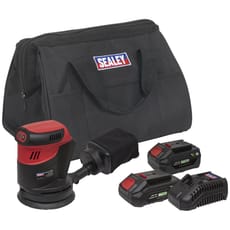
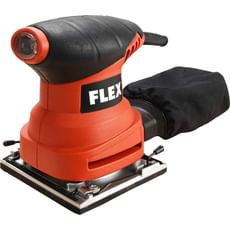
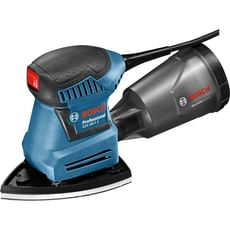
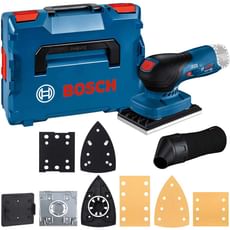
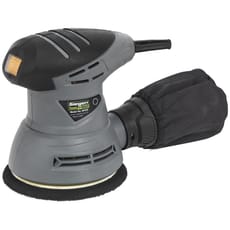
The category encompasses three distinct types, each suited to specific applications: random orbital palm sanders, which utilise circular sanding discs and employ a dual-action movement for superior, swirl-free finishes; standard orbital palm sanders featuring rectangular pads ideal for edge work, corners and getting into confined spaces; and delta (or detail) sanders with triangular-shaped pads specifically designed for precision work in tight spots and intricate profiles. The selection at Tooled-Up.com includes both corded 240v models offering consistent power for workshop environments, and cordless variants providing excellent portability for site work and overhead tasks without trailing cables.
Modern palm sanders from leading manufacturers including Bosch Professional, DeWalt, Makita and Flex incorporate advanced technologies such as brushless motors for extended runtime and longevity, variable speed control allowing users to match aggression to material and application, and efficient dust extraction systems for cleaner working conditions and HSE compliance. Their lightweight construction—typically between 1-2kg—combined with ergonomic grip designs makes palm sanders particularly suited to extended sanding sessions, furniture making, on-site fitting work and tasks requiring a delicate touch. Whilst they cover large flat surfaces more slowly than full-size sanders, their precision, manoeuvrability and ease of use make them indispensable tools for joiners, decorators, furniture restorers and DIY enthusiasts throughout the UK.
Jargon Buster
- Orbital Action: The circular oscillating motion of the sanding pad, which rotates in small orbits to produce a scratch-free finish. Random orbital sanders combine this orbital movement with simultaneous rotation for superior results and faster material removal.
- OPM (Orbits Per Minute): The speed at which the sanding pad oscillates, typically ranging from 7,000 to 14,000 OPM on palm sanders. Higher speeds remove material more aggressively but offer reduced control for delicate finishing work.
- Brushless Motor: A modern motor design without carbon brushes, delivering increased efficiency, approximately 30% longer runtime on cordless models, reduced maintenance requirements and extended tool lifespan compared to traditional brushed motors.
- Hook and Loop System: Quick-change sanding pad attachment method using Velcro-style fastening, allowing rapid replacement of abrasive sheets without tools. Now standard on virtually all modern palm sanders for improved productivity.
- Grit Size: The coarseness of abrasive paper, measured in numbers. Lower numbers (40-80) indicate coarse grades for heavy material removal; medium grits (100-150) for general smoothing; fine grits (180-240+) for finishing work and preparation before coating.
- Dust Extraction: Integrated systems collecting sanding dust through perforations in the sanding pad, either into an onboard collection box or via connection to a vacuum extractor. Essential for maintaining visibility, surface quality and complying with COSHH dust regulations.
Who Uses Palm Sanders?
Palm sanders are versatile tools employed across multiple trades and applications:
- Joiners and Carpenters: For smoothing timber joints, preparing wood for finishing treatments, detail work on bespoke furniture and finishing cabinetry installations
- Painters and Decorators: Surface preparation, removing old paint layers, keying surfaces for adhesion, light sanding between coats of varnish or paint, and smoothing filled areas
- Kitchen and Bathroom Fitters: Finishing exposed timber edges, smoothing filler work around installations, and preparing surfaces in confined spaces where larger sanders cannot reach
- Furniture Restorers: Detailed sanding work on antique pieces, refinishing projects, delicate restoration tasks requiring precision control, and preparing surfaces for French polishing
- Shop Fitters: Preparing display units, smoothing laminate edges, finishing work on on-site installations, and detail work in retail environments
- Vehicle Restorers: Preparing bodywork for painting, smoothing filler applications, detail work on classic car restoration projects, and finishing fibreglass repairs
- Boat Builders: Finishing fibreglass work, preparing timber components, maintenance sanding in tight marine environments, and refinishing interior joinery
- DIY Enthusiasts: Home improvement projects, upcycling furniture, woodworking hobbies, preparing surfaces for decoration, and general household maintenance tasks
How to Choose the Right Palm Sanders
Sander Type: Random orbital models offer the best all-round performance and finest finish, making them ideal for general woodworking and furniture projects. Standard orbital sanders with rectangular pads excel at edge work, corners and confined spaces. Delta sanders are specialists for tight spots, intricate profiles and detail work. Consider which tasks you'll perform most frequently when selecting your sander type.
Power Source: Corded palm sanders (typically 240v, 150-300 watts) provide consistent power for extended workshop use without battery limitations. Cordless models offer excellent portability for site work, overhead tasks and locations without mains access. If choosing cordless, consider 18v platforms from Makita, DeWalt or Bosch Professional that share batteries across your existing tool collection, reducing overall investment and ensuring you always have charged cells available.
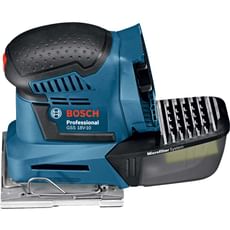
Motor Technology: Brushless motors are increasingly standard on professional-grade cordless sanders, delivering approximately 30% longer runtime, reduced maintenance, better performance under load and extended tool lifespan. Models available from Tooled-Up.com such as the Bosch GSS 18V-13 and DeWalt DCW200 incorporate this technology. Whilst initially more expensive, brushless sanders represent better long-term value for regular users.
Speed Control: Variable speed settings (typically 7,000-14,000 OPM) allow you to match the tool's aggression to the material and task at hand. Essential for working with different timber species, painted surfaces, delicate veneers, or when a gentle touch is required for final finishing work before coating applications.
Dust Management: Effective dust extraction is crucial for visibility, surface quality and health compliance with COSHH regulations. Look for models with high-capacity dust collection boxes and optional vacuum hose connections. Professional users working with MDF, hardwoods or painted surfaces should prioritise sanders compatible with Class M extractors for adequate dust capture and filtration.
Ergonomics and Weight: Palm sanders typically weigh between 1-2kg. For extended use or overhead work, lighter models significantly reduce fatigue and improve control. Rubberised grips, ergonomic palm rests and well-balanced designs improve comfort during prolonged sanding sessions. Handle the tool before purchasing if possible to assess comfort and grip suitability.
Sanding Pad Size: Most palm sanders feature 90-125mm pads. Smaller pads offer better manoeuvrability in confined spaces and around intricate profiles, while larger formats cover surface area more quickly. Consider the typical scale of your projects—furniture restoration benefits from smaller pads, whilst site carpentry may favour larger formats.
Budget Considerations: Entry-level models from Black and Decker or Sealey (£30-60) suit occasional DIY use and light household tasks. Mid-range options from Bosch, Makita and DeWalt (£60-120) offer improved performance, durability and features for regular users and semi-professional applications. Professional-grade sanders from Flex or premium Bosch Professional ranges (£120+) deliver superior build quality, advanced features, better dust extraction and extended warranties for daily site use and demanding trade applications.
Popular Accessories
- Sanding Sheets and Discs: Available in various grit sizes from coarse (40-80) through to ultra-fine (320+) for different applications. Purchase multi-packs sorted by grit for cost-effectiveness. Ensure you select the correct format (rectangular, circular or triangular) matching your specific sander type and pad size.
- Mesh Sanding Sheets: Abrasive mesh allows superior dust extraction through the entire surface rather than just perforations, extending sheet life and reducing clogging. Particularly effective when working with resinous woods, painted surfaces or materials that generate fine dust.
- Dust Extraction Hoses: Connect your palm sander to a workshop vacuum or dedicated dust extractor for maximum dust capture. Essential for larger projects, compliance with workplace dust regulations, and protecting long-term respiratory health.
- Spare Dust Collection Boxes: Having additional dust boxes allows continuous work without stopping to empty frequently, improving productivity on extensive sanding jobs and reducing downtime on site installations.
- Replacement Sanding Pads: Hook and loop backing pads wear over time with regular use. Replacement pads restore optimal sanding performance, abrasive sheet adhesion and ensure even pressure distribution across the work surface.
- Tool Bags and Cases: Protect your investment during transport and storage between jobs. Moulded cases from DeWalt, Makita and Bosch keep sanders and accessories organised, protected from impact damage, and readily accessible on site.
- Additional Battery Packs: For cordless sanders, spare batteries ensure uninterrupted work without waiting for recharging. Consider higher capacity packs (4.0Ah-6.0Ah) for extended runtime between charges on demanding applications.
Safety Information
Respiratory Protection: Always wear appropriate dust masks or respirators when sanding, particularly when working with MDF (which contains formaldehyde), hardwoods producing fine dust, or old painted surfaces that may contain lead. FFP2 or FFP3-rated masks are recommended for compliance with HSE guidelines and COSHH regulations governing workplace dust exposure.
Eye Protection: Safety glasses or goggles should be worn at all times during sanding operations to protect against airborne particles, even when using dust extraction systems. Flying debris can cause serious eye injury.
Hearing Protection: Whilst palm sanders are relatively quiet (typically 75-85dB), extended use in workshop environments or site locations may require hearing protection to prevent long-term hearing damage and comply with workplace noise regulations.
Dust Extraction: Use dust collection systems whenever possible to minimise airborne particles. This is particularly important when sanding materials that produce harmful dusts including MDF, treated timber and hardwoods. Note that when sanding metal, sparks can ignite fires in dust extraction systems—disconnect extractors and ensure adequate ventilation instead when working with ferrous materials.
Electrical Safety: Inspect cables regularly for damage, especially on site where they may be kinked or crushed. Use RCD protection (residual current device) when operating corded sanders, particularly on construction sites or in damp environments. Ensure your sander complies with UK 240v electrical standards and features BS/EN certification.
Secure Workpieces: Always clamp or secure items being sanded to prevent movement that could lead to loss of control or poor finish quality. Never hold small pieces in your hand whilst sanding—use a vice, clamps or purpose-built holding jigs.
Ventilation: Ensure adequate airflow in your workspace, particularly when sanding materials that produce fine dust or when working with finishes that emit fumes. Open windows and doors or use mechanical ventilation in confined spaces.
Cool-Down Periods: Allow sanders to cool between extended use periods. Overheating can damage motors, reduce tool lifespan and create discomfort during handling. Follow manufacturer guidance on duty cycles for continuous operation.
Frequently Asked Questions
What's the difference between a palm sander and a regular orbital sander?
Palm sanders are compact, handheld versions designed to fit comfortably in your palm, typically weighing 1-2kg with smaller sanding pads (90-125mm). They excel at detailed work, confined spaces, overhead tasks and applications requiring precise control. Full-size orbital sanders are larger, more powerful tools better suited to sanding extensive flat surfaces quickly such as floorboards, tabletops or large panels. Palm sanders sacrifice some speed and surface coverage for improved control, reduced fatigue and access to tight spots where larger sanders cannot reach.
Should I choose a random orbital or standard orbital palm sander?
Random orbital sanders use circular pads with a dual-action movement (simultaneous rotation and oscillation) that produces superior, swirl-free finishes ideal for general-purpose woodworking, furniture making and preparation for clear finishes. Standard orbital sanders with rectangular pads are better for edge work, getting into corners, sanding up to vertical surfaces, and light finishing between coats of varnish or paint. If you can only own one sander, a random orbital offers more versatility for most applications, though professional decorators often prefer rectangular models for their specific requirements.
How long do cordless palm sanders run on a single battery charge?
Runtime varies significantly based on battery capacity, motor efficiency (brushless vs brushed) and work intensity. An 18v brushless sander with a 5.0Ah battery typically provides 30-45 minutes of continuous, heavy use. For occasional, intermittent sanding during fitting or assembly work, expect several hours of practical use before recharging becomes necessary. Investing in brushless motor technology and higher capacity batteries (4.0Ah+) substantially extends working time between charges. Professional users working on site should consider purchasing spare battery packs to ensure uninterrupted productivity.
Can I use a palm sander for removing paint or varnish?
Yes, palm sanders are effective for removing old finishes, though the process can be time-consuming compared to chemical strippers or heat guns, particularly on extensive areas. Start with coarse grit paper (60-80) to remove the bulk of the finish, then progress through medium (100-120) and fine (180-220) grits for surface preparation before recoating. Ensure excellent dust extraction and wear appropriate respiratory protection (FFP3 rated), particularly when removing old paint that may contain lead. For large furniture pieces or extensive areas, consider using a more aggressive sanding tool initially before switching to your palm sander for finishing work.
What grit sandpaper should I start with for my project?
For rough, unfinished timber or heavy material removal, start with 60-80 grit. General smoothing and preparation of previously finished wood begins at 100-120 grit. For fine finishing and preparing surfaces for painting or varnishing, use 180-240 grit. Always progress through the grits sequentially—jumping from very coarse directly to very fine leaves visible scratch marks that may telegraph through your finish. As a general rule, don't skip more than one grit level in the sequence (for example: 80?120?180?240). Each grit removes the scratches left by the previous coarser grade, creating progressively smoother surfaces ready for coating applications.