
Panel Dryers

Pay in 3 interest-free payments on purchases from £20-£3000 with  . Learn more.
Loading...
End of content
Error - No more pages to load
About Panel Dryers
Panel dryers are essential workshop tools designed to dramatically accelerate the drying and curing process of paint, primers, adhesives, and filler materials in automotive refinishing and bodywork applications. These specialised devices use either forced air or infrared technology to apply controlled heat to vehicle panels, significantly reducing workshop turnaround times whilst improving productivity and finish quality. Whether operating a professional body shop or undertaking classic car restoration work, panel dryers help achieve professional results whilst maximising efficiency and minimising the risk of dust contamination during the curing process.
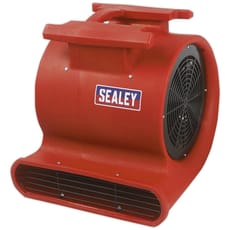
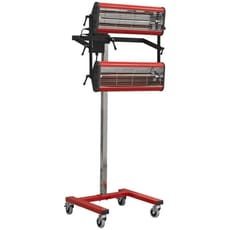
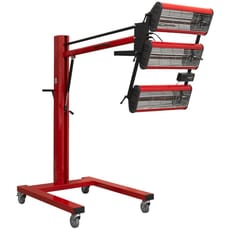
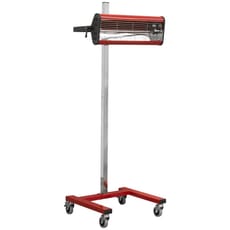
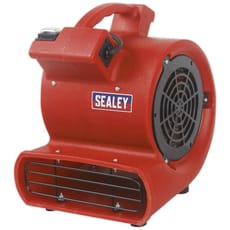
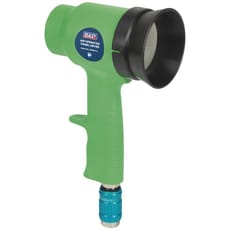
The technology falls into two main categories: air-operated blower models and infrared dryers. Air-operated panel dryers utilise compressed air to generate powerful heated airflow across painted surfaces, making them ideal for quick flash-off work between coats and offering excellent portability for spot repairs. Infrared panel dryers emit short wave radiation that penetrates deep into coating layers, curing from within rather than just surface drying. This makes infrared technology particularly effective for final topcoats, clear lacquers, and modern water-based paint systems. Tooled-Up.com stocks both technologies from trusted brands like Sealey, offering options suitable for everything from mobile smart repair work to high-volume professional body shops.
Modern panel dryers feature adjustable temperature settings, variable heat output, and essential safety features including thermal cut-outs and stable mounting systems. From compact handheld air dryers perfect for targeted drying work to professional-grade infrared units capable of curing entire panels simultaneously, these tools have become indispensable in any workshop focused on delivering quality paintwork efficiently. The ability to control drying times precisely allows technicians to work continuously without lengthy waiting periods between stages, dramatically improving workshop productivity and enabling same-day completion of repair work.
Jargon Buster
- Short Wave Infrared: A type of infrared radiation that penetrates deeper into paint layers, curing from the inside out rather than just surface drying. This technology ensures more thorough and even curing of modern water-based and solvent-based coatings, reducing the risk of solvent entrapment.
- Flash-off Time: The period required for solvents to evaporate from a freshly applied coat of paint or primer before applying the next layer. Panel dryers can reduce flash-off time from 30-60 minutes to just 5-10 minutes, significantly speeding up multi-coat application work.
- CFM (Cubic Feet per Minute): A measurement of air volume flow used to specify the output of air-operated panel dryers. Higher CFM ratings indicate more powerful airflow for faster drying, though adequate compressor capacity is essential to maintain performance.
- Forced Air Drying: A drying method that uses heated air blown across the painted surface to accelerate solvent evaporation and speed up the curing process. Particularly effective for flash-off between coats and working with heat-sensitive substrates.
- Curing: The chemical process by which paint hardens and reaches its full durability and resistance properties. Panel dryers speed up this process by providing consistent, controlled heat that activates the cross-linking of paint resins.
- Timer Function: An automatic shut-off feature found on many infrared panel dryers that prevents overheating and allows operators to work on other tasks whilst panels dry safely, improving workshop efficiency and reducing the risk of panel damage.
Who Uses Panel Dryers?
- Professional vehicle body shop technicians and automotive spray painters
- Classic car restoration specialists and enthusiasts
- Commercial vehicle repair workshops handling fleet maintenance
- Motorcycle repair and custom paint shops
- Smart repair technicians performing mobile paintwork services
- Industrial coating and refinishing professionals
- Marine repair specialists working on boat and yacht refinishing
- Collision repair centres and accident damage workshops
- Agricultural machinery repair facilities
- DIY enthusiasts undertaking vehicle restoration projects
- Training colleges and apprenticeship programmes teaching automotive refinishing
- Aviation maintenance facilities working on aircraft paintwork
How to Choose the Right Panel Dryers
When selecting a panel dryer, first consider the technology type that best suits your working methods and workshop setup. Air-operated panel dryers require a compressed air supply but offer excellent portability and versatility, making them ideal for quick drying between coats and mobile repair work. Infrared models, particularly short wave variants, provide superior curing performance for final finishes and are essential for professional results with modern paint systems, though they require a 240v electrical supply and are typically less portable.
Power output is crucial to your selection. For air dryers, consider the CFM rating and ensure your compressor can supply adequate air pressure—typically 6-8 bar for continuous operation. Check that your compressor's tank size and motor output can maintain this pressure without excessive cycling. For infrared dryers, output is measured in watts, with models ranging from 1000W to 3000W commonly available at Tooled-Up. Higher wattage units can dry larger panel areas more quickly and penetrate thicker coating systems more effectively, though they may require dedicated electrical circuits to avoid overloading standard workshop sockets.
Coverage area and working distance determine how versatile the dryer will be in daily use. Check the manufacturer's recommended operating distance from the panel surface and the effective drying zone at that distance. Larger workshops handling complete respray jobs benefit from higher-powered units with wider coverage areas, whilst smaller operations or mobile technicians may prioritise compact, lightweight options that can be easily transported between job sites. Consider whether adjustable stands or mounting brackets are included or available separately.
Essential safety and control features should include adjustable heat settings, built-in timers for unattended operation, thermal overload protection, and stable mounting or stand systems that prevent accidental tipping. Quality infrared dryers should include protective guards around heating elements and clear safety markings regarding operating distances. Models with digital displays and precise temperature control offer better consistency and prevent damage to heat-sensitive substrates like plastic bumpers and flexible components.
Consider build quality and warranty support carefully, as panel dryers represent a significant workshop investment. Professional-grade units from established brands like Sealey offer robust construction designed for daily workshop use, with replacement parts availability and comprehensive after-sales support. Check whether heating elements, bulbs, or other consumable components are readily available and reasonably priced for long-term cost of ownership.
Popular Accessories
- Replacement heating elements and bulbs for infrared panel dryers
- Adjustable stands and mounting brackets for hands-free operation
- Extension leads rated for high-power electrical equipment (minimum 13A)
- Infrared thermometers for monitoring panel surface temperatures during curing
- Paint thickness gauges to ensure proper coating application before drying
- Workshop air compressors suitable for powering air-operated dryer models
- Air line filters and regulators for clean, controlled air supply
- Protective covers for equipment storage and dust protection
- Masking materials and heat-resistant tape for protecting surrounding areas
- Temperature data loggers for quality assurance documentation
- PPE including heat-resistant gloves and protective eyewear
- Portable RCD units for additional electrical safety on site work
Safety Information
Panel dryers generate significant heat and must be operated with appropriate safety precautions to prevent injury and damage. Always maintain the manufacturer's recommended distance from painted surfaces to prevent scorching, blistering, or panel distortion—this is particularly critical when working with plastic components, flexible bumpers, or thin gauge panels. Never leave operating panel dryers unattended, even when using timer functions, and ensure adequate workshop ventilation to disperse fumes from accelerated paint curing and solvent evaporation.
When using infrared panel dryers, be aware that heating elements become extremely hot during operation and remain so for considerable time after switching off. Position equipment away from flammable materials, aerosol cans, and solvent containers, maintaining clear space around the unit. Ensure electrical equipment is properly earthed and connected to appropriate 240v outlets—high-wattage infrared dryers drawing 10A or more may require dedicated circuits to prevent overloading. Consider using portable RCD protection for additional safety, particularly in older workshop installations.
Operators should wear appropriate PPE including heat-resistant gloves when adjusting equipment during operation and eye protection when working near infrared sources, as prolonged exposure can cause eye strain. Follow HSE guidelines for working with heat-generating equipment and ensure workshop staff receive proper training in safe operation procedures, including emergency shutdown procedures. Always inspect equipment before use for damaged cables, cracked housings, or faulty switches, and remove from service immediately if defects are found. Keep a suitable fire extinguisher nearby and ensure workshop fire safety procedures are understood by all staff.
Frequently Asked Questions
What's the difference between air dryers and infrared panel dryers?
Air dryers use heated compressed air blown across the surface to evaporate solvents and speed drying times, making them excellent for flash-off between coats and offering superior portability. Infrared dryers emit radiant heat that penetrates the paint layers more deeply, curing from within for superior results on final coats. Infrared technology generally provides more thorough curing and is preferred for professional finish work with modern paint systems, whilst air dryers offer greater flexibility for various workshop tasks and require no electrical supply beyond the workshop compressor.
How much faster do panel dryers work compared to air drying?
Panel dryers can reduce drying times by 70-90% compared to ambient air drying, dramatically improving workshop productivity. A coat that might take 30-60 minutes to flash off naturally can be ready for the next stage in just 5-10 minutes with forced air drying. Infrared dryers can fully cure topcoats in 15-30 minutes that would otherwise require several hours or overnight drying, allowing same-day completion of repair work and reducing the risk of dust contamination during extended drying periods.
Can I use a panel dryer on plastic bumpers and trim?
Yes, but with careful temperature control and monitoring. Plastic components require lower temperatures and greater working distances to prevent warping, distortion, or melting. Always start with the lowest heat setting and maintain the maximum recommended distance specified by the manufacturer. Many modern panel dryers feature adjustable temperature controls specifically for working with heat-sensitive substrates. Test on an inconspicuous area first and monitor the surface temperature carefully with an infrared thermometer, keeping temperatures below 60°C for most plastic components.
What size compressor do I need for an air-operated panel dryer?
Air-operated panel dryers typically require a compressor capable of delivering 6-8 bar pressure with adequate CFM output to match the dryer's consumption. Check the specific requirements of your chosen model, but generally a workshop compressor of 50 litres or larger with a 2-3 HP motor will provide sufficient air supply for continuous operation without excessive pressure cycling. Ensure your air lines are properly sized (minimum 8mm internal diameter) and fitted with moisture traps to deliver clean, dry air, as moisture contamination can affect paint finish quality.
Are panel dryers suitable for water-based paints?
Absolutely. Panel dryers are particularly beneficial when working with modern water-based automotive coatings, which can be considerably slower to dry than traditional solvent-based systems. The controlled heat application accelerates water evaporation whilst allowing proper film formation and flow-out. However, follow the paint manufacturer's technical data sheets regarding maximum drying temperatures, as excessive heat can affect the final finish quality, colour accuracy, and durability of water-based products. Infrared dryers are especially effective with water-based systems as they promote even curing throughout the paint film.