

Patio Knives

Pay in 3 interest-free payments on purchases from £20-£3000 with  . Learn more.
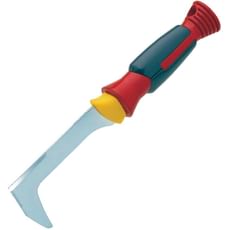
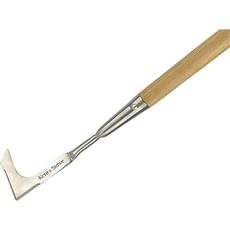
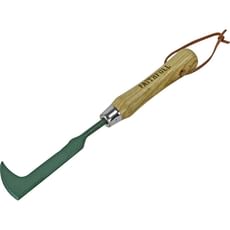
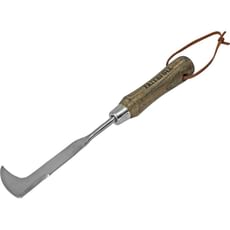
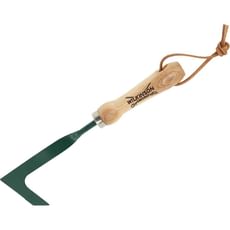
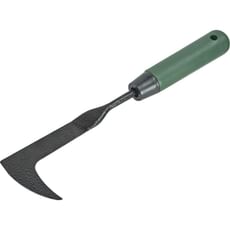
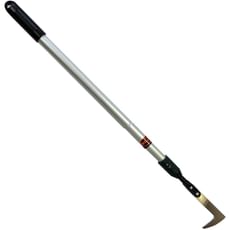
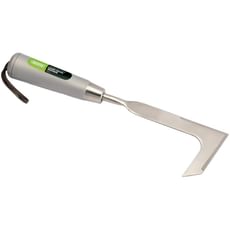
 Loading...
End of content
Error - No more pages to load
About Patio Knives
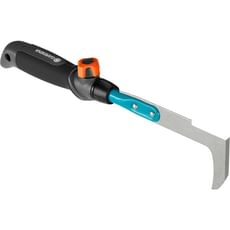
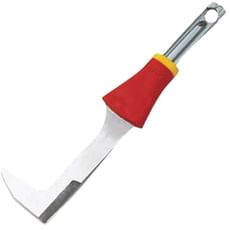
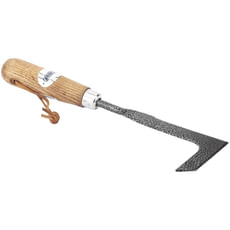
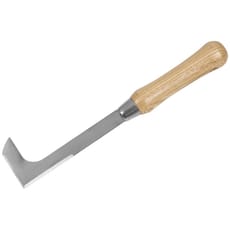
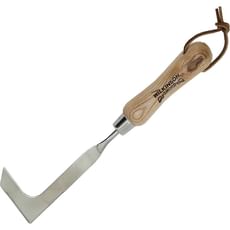
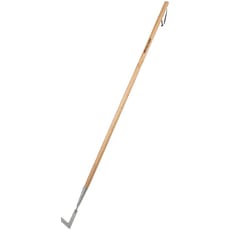
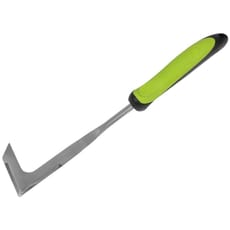
Patio knives, also known as patio weeders or weeding knives, are essential hand tools designed specifically for removing weeds, moss, and debris from between paving slabs, block paving, and other hard landscaping surfaces. These specialised gardening tools feature narrow, sharp blades that can reach deep into gaps and crevices where conventional garden tools cannot, making light work of maintaining pristine patios, driveways, and pathways. The selection at Tooled-Up.com includes both traditional hand-held models and long-handled versions to suit different working preferences and physical requirements.
Available in carbon steel and stainless steel variants, patio knives come with various handle options including solid ash, hardwood, and modern synthetic materials. Hand-held patio weeders typically measure 250-300mm in length and offer precision control for detailed work, whilst long-handled and telescopic models extend your reach to over a metre, reducing back strain during extended weeding sessions. Many premium models feature double-riveted construction for enhanced durability, with fully hardened and tempered blades that maintain their edge through repeated use.
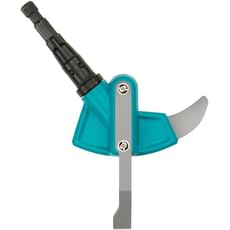
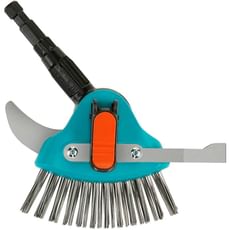
Tooled-Up stocks patio knives from respected brands including Gardena, Draper, Faithfull, Kent and Stowe, Wilkinson Sword, Wolf Garten, and Spear and Jackson. Some manufacturers offer modular systems like the Gardena COMBISYSTEM range, where interchangeable heads attach to a single handle, providing versatile solutions for various garden maintenance tasks whilst minimising storage requirements.
Jargon Buster
- Carbon Steel Blade: A traditional blade material offering excellent sharpness and edge retention. Carbon steel is harder than stainless steel but requires more maintenance to prevent rust, particularly when exposed to moisture.
- Stainless Steel Blade: A corrosion-resistant blade material that requires minimal maintenance and won't rust when left damp. Whilst slightly softer than carbon steel, stainless steel blades are ideal for gardeners seeking low-maintenance tools.
- Double-Riveted Socket: A construction method where the blade is secured to the handle using two rivets through a metal socket, providing superior strength and longevity compared to single-rivet designs.
- Ash Handle: A traditional handle material made from hardwood ash, prized for its combination of strength, flexibility, and comfortable grip. Ash handles absorb shock well and develop a natural patina with use.
- Telescopic Handle: An extendable handle mechanism that allows users to adjust the tool's length to suit different tasks and user heights, typically ranging from approximately 750mm to 1500mm.
- COMBISYSTEM: A modular tool system where multiple interchangeable heads attach to compatible handles, allowing gardeners to build a comprehensive toolkit whilst reducing storage space and cost.
Who Uses Patio Knives?
- Homeowners and DIY Enthusiasts: Maintaining domestic patios, driveways, and garden paths
- Professional Gardeners and Landscapers: Regular maintenance of client properties and commercial landscaping projects
- Groundskeepers: Upkeep of public spaces, parks, educational facilities, and corporate grounds
- Property Maintenance Professionals: Managing multiple residential or commercial properties requiring regular exterior care
- Garden Designers: Ensuring finished projects remain pristine and weed-free
- Allotment Holders: Maintaining pathways and hard surfaces in community growing spaces
- Care Home and Sheltered Housing Staff: Keeping outdoor spaces safe and well-presented for residents
How to Choose the Right Patio Knives
Blade Material: Carbon steel blades offer superior sharpness and edge retention, making them ideal for frequent use and tough weeds. Stainless steel blades resist corrosion and require less maintenance, perfect for occasional users or those who prefer low-maintenance tools. Consider your storage conditions and maintenance commitment when choosing.
Handle Length: Hand-held models (250-300mm) provide excellent control for detailed work around delicate plants and garden features. Long-handled versions (900-1200mm) reduce back strain significantly during extended sessions, whilst telescopic models offer adjustable length for different tasks and users. Consider your physical capabilities and the scale of areas requiring maintenance.
Handle Material: Traditional ash handles offer comfort, shock absorption, and durability, developing character with age. Modern synthetic handles may provide better grip in wet conditions and require no maintenance. Consider your aesthetic preferences and working conditions.
Construction Quality: Look for fully hardened and tempered blades that will maintain their edge. Double-riveted construction provides superior longevity compared to single-rivet or welded designs. Premium models from established brands typically offer better long-term value despite higher initial costs.
Modular Systems: If you require multiple garden tools, consider COMBISYSTEM or similar modular ranges where multiple heads share compatible handles. This approach reduces cost, storage requirements, and environmental impact whilst providing versatility.
Blade Design: Some patio knives feature hooked or angled blades for pulling weeds, whilst others offer straight blades for scraping. Multi-function heads combining weeding with scraping or cleaning functions provide added versatility.
Popular Accessories
- Replacement Handles: Compatible handles for modular tool systems
- Tool Sharpening Stones: Diamond or whetstone sharpeners to maintain blade edges
- Protective Blade Covers: Sheaths for safe storage and transport
- Garden Kneelers and Pads: Cushioned support for extended ground-level work
- Stiff Brushes: For sweeping loosened debris from paving joints
- Weed Prevention Products: Joint sealants and polymeric sand to prevent regrowth
- Garden Tool Oil: For maintaining carbon steel blades and preventing rust
- Gardening Gloves: Protective gloves for comfortable, blister-free operation
- Tool Storage Solutions: Wall-mounted racks or garden tool organisers
Safety Information
Sharp Blade Hazards: Patio knife blades are extremely sharp and can cause serious cuts. Always direct blade movement away from your body and keep hands behind the cutting edge. Store tools with blade covers fitted and keep out of children's reach.
Repetitive Strain: Extended weeding sessions can cause wrist, hand, and back strain. Take regular breaks, vary your working position, and consider long-handled models to reduce bending. Use garden kneelers to protect knees during ground-level work.
Eye Protection: Debris can flick upwards when removing deep-rooted weeds. Consider wearing safety glasses when working vigorously or in windy conditions.
Surface Damage: Excessive force can chip or scratch paving materials. Use controlled movements and appropriate pressure, particularly around softer stone surfaces.
Tool Maintenance: Keep blades sharp for efficient cutting with less force required. Clean tools after use and apply oil to carbon steel blades to prevent rust. Check handle security regularly and tighten or replace components as needed.
Frequently Asked Questions
What's the difference between carbon steel and stainless steel patio knives?
Carbon steel blades are harder, hold a sharper edge longer, and are generally more effective for tough weeds, but they require regular maintenance to prevent rust. Stainless steel blades resist corrosion without maintenance, making them more convenient for occasional users, though they may require more frequent sharpening.
Should I choose a hand-held or long-handled patio knife?
Hand-held models offer superior control for detailed work and are easier to store, but require bending or kneeling. Long-handled versions significantly reduce back strain during extended use and are better for large areas or users with mobility limitations. Telescopic models provide the best of both options with adjustable length.
How do I maintain my patio knife?
Clean the blade after each use to remove soil and plant material. For carbon steel blades, apply a thin coat of oil to prevent rust, particularly before storage. Sharpen the blade regularly using a sharpening stone or file, maintaining the original bevel angle. Check that handles remain secure and treat wooden handles occasionally with linseed oil.
Can patio knives be used on block paving?
Yes, patio knives are ideal for block paving maintenance. Their narrow blades fit perfectly between blocks to remove weeds, moss, and debris. Take care not to disturb jointing sand excessively, and consider reapplying kiln-dried sand or polymeric sand after thorough cleaning to stabilise the surface and prevent future weed growth.
Are modular COMBISYSTEM patio weeders worth the investment?
Modular systems offer excellent value if you need multiple garden tools, as heads are typically 30-50% cheaper than complete tools. They reduce storage requirements and allow you to build a comprehensive toolkit gradually. However, if you only need a patio knife, a traditional complete tool may be more economical initially.