

Pipe Joining Tools & Blow Torches
Pay in 3 interest-free payments on purchases from £30-2000 with  . Learn more.

 Loading...
End of content
Error - No more pages to load
About Pipe Joining Tools & Blow Torches
Pipe joining tools and blow torches are essential equipment for plumbing, heating, and metalworking professionals who need to create secure, leak-free connections in pipework systems. This category encompasses everything from high-performance blow torches and gas burners to specialist pipe joiners, soldering accessories, and safety equipment. Whether you're working with copper, brass, steel, or other metals, having the right tools ensures clean joints, professional results, and efficient workflow on both domestic and commercial projects.
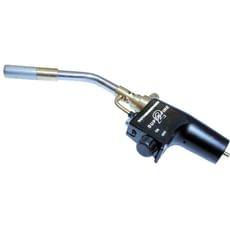
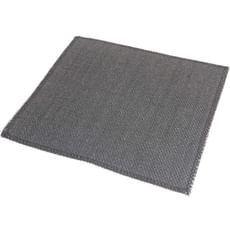
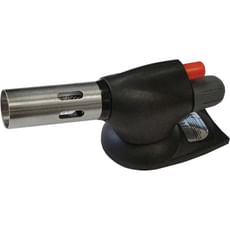
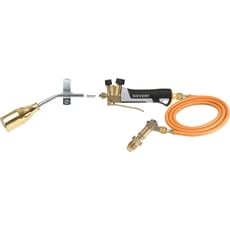
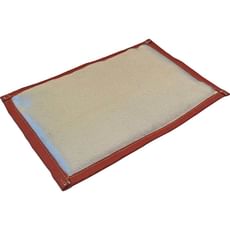
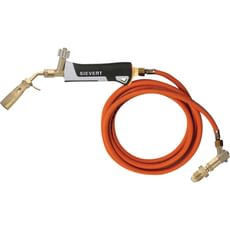
Tooled-Up.com stocks a comprehensive range of pipe joining equipment suitable for various applications, from delicate soldering work on small-diameter pipes to heavy-duty brazing on industrial installations. The selection includes butane and propane-powered blow torches with adjustable flame control, self-igniting models for quick operation, and traditional flint-ignition torches favoured by experienced tradespeople. Complementing these are essential accessories including blow torch mats for surface protection, gas canisters in various sizes, flux and solder, pipe cleaners, and wire wool for surface preparation.
Modern blow torches feature ergonomic designs with anti-flare technology, piezo ignition systems for reliable starting, and adjustable flame patterns from pencil-point precision to broad heating coverage. The pipe joining tools available from Tooled-Up include both manual and powered options, with compression fittings, push-fit systems, and traditional soldering equipment catering to different installation methods and skill levels. Safety equipment such as heat-resistant mats and fire blankets provides crucial protection when working with naked flames on site or in confined spaces.
Jargon Buster
- Brazing: A metal-joining process using a filler metal with a melting point above 450°C but below that of the base metals being joined. Creates stronger joints than soft soldering and is commonly used for copper pipe installations in heating systems.
- Soft Soldering: Joining method using solder with a melting point below 450°C, typically for water supply pipework. Requires less heat than brazing and is suitable for smaller diameter copper pipes up to 54mm.
- Flux: A chemical cleaning agent applied to pipe surfaces before soldering or brazing. It removes oxidation, promotes solder flow, and prevents further oxidation during heating. Available in paste, liquid, or solid forms.
- Capillary Action: The process by which molten solder is drawn into the small gap between a pipe and fitting through surface tension, creating a complete seal around the joint circumference.
- Piezo Ignition: An electronic spark ignition system built into modern blow torches, eliminating the need for matches or separate lighters. Creates a reliable spark at the press of a button.
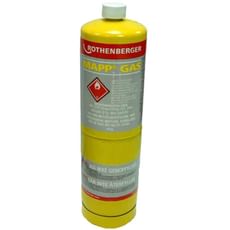
- MAPP Gas: Methylacetylene-propadiene propane, a fuel gas that burns hotter than standard propane (up to 2,020°C). Useful for faster heating and working with larger diameter pipes or thicker materials.
Who Uses Pipe Joining Tools & Blow Torches?
- Plumbers and Heating Engineers: Daily use for installing and repairing water supply systems, central heating, and radiator pipework
- Gas Engineers: Creating secure joints in gas supply pipework to British Standards specifications
- HVAC Technicians: Installing air conditioning and refrigeration pipework requiring brazing for pressure-tight connections
- Roofers: Joining and sealing lead flashings, valleys, and weatherproofing details
- Automotive Engineers: Repairing brake lines, fuel lines, and fabricating custom pipework
- Maintenance Engineers: Conducting repairs and modifications to existing pipework systems in commercial and industrial settings
- Jewellers and Silversmiths: Precision soldering work on precious metals requiring fine flame control
- DIY Enthusiasts: Tackling home plumbing repairs, radiator installations, and hobby metalworking projects
How to Choose the Right Pipe Joining Tools & Blow Torches
Fuel Type and Availability: Butane torches offer portability and convenience for lighter-duty work, whilst propane provides higher heat output for larger pipes and outdoor use in cold conditions. MAPP gas delivers the hottest flame for professional applications requiring rapid heating. Consider canister availability and compatibility with your existing equipment.
Ignition System: Piezo ignition torches eliminate the need for separate ignition sources and work reliably even in damp conditions. Traditional flint-ignition models are simple, robust, and easily maintained, though they require manual lighting. Self-igniting torches speed up workflow when making multiple joints throughout the day.
Flame Control and Adjustability: Look for torches with variable flame adjustment, allowing you to switch from a fine pencil flame for 15mm pipes to a broader heating pattern for 28mm or larger diameters. Swirl flame technology distributes heat more evenly around pipe circumferences, reducing the risk of overheating and improving joint quality.
Ergonomics and Build Quality: Professional tradespeople should prioritise comfortable grip designs with anti-slip materials and balanced weight distribution for extended use. Brass burner heads offer superior durability compared to aluminium alternatives, whilst quality valves ensure precise control and prevent gas leaks.
Application-Specific Requirements: The Tooled-Up range includes specialist equipment for different scenarios. Confined space work may require compact torch designs, whilst site work demands robust construction. Consider whether you need standing burners for paint stripping or roofing work, or handheld torches for precision pipe joining.
Safety Features: Anti-flare valves prevent dangerous flame surges, whilst built-in flame failure devices shut off gas flow if the flame extinguishes. Heat shields protect hands from radiant heat during prolonged use, and stable bases on standing torches prevent accidental tipping.
Popular Accessories
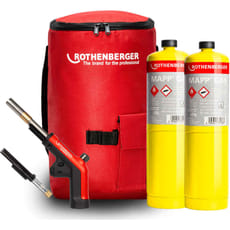
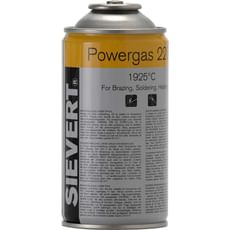
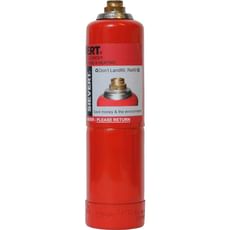
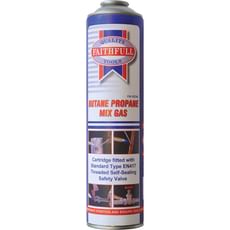
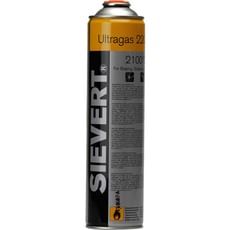
- Gas Canisters: Butane, propane, and MAPP gas in various sizes from compact 170g disposables to larger workshop cylinders
- Solder and Flux: Lead-free solder wire, flux paste, and flux brushes for surface preparation
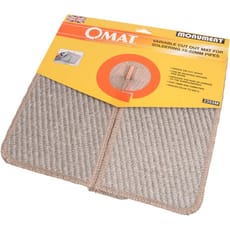
- Blow Torch Mats: Heat-resistant silicone and fibreglass mats protecting surfaces from flame damage and solder splashes
- Pipe Cleaners and Preparation Tools: Wire wool, abrasive cloths, internal/external pipe cleaners, and deburring tools
- Safety Equipment: Heat-resistant gloves, safety glasses, fire blankets, and spark-proof clothing
- Pipe Cutters and Formers: Ensuring clean, square cuts for optimal joint quality
- Inspection Mirrors: For checking joint quality in awkward locations
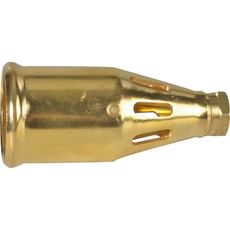
- Spare Burner Heads and Nozzles: Replacement parts and specialist tips for different applications
Safety Information
Fire Prevention: Always use heat-resistant mats behind pipes when soldering near walls, joists, or combustible materials. Keep a suitable fire extinguisher or fire blanket within reach, and never leave lit torches unattended. Allow sufficient cooling time before leaving the work area, as joints remain dangerously hot for several minutes after completion.
Ventilation Requirements: Work in well-ventilated areas to prevent the build-up of combustion gases and flux fumes. This is particularly critical when working in confined spaces such as under-floor voids or cupboards. Flux fumes can be harmful if inhaled in concentration, and incomplete combustion produces carbon monoxide.
Gas Handling and Storage: Store gas canisters upright in cool, dry locations away from direct sunlight and heat sources. Check connections for leaks using soapy water before ignition—never use naked flames for leak detection. Ensure canisters are fully sealed when not in use, and transport them securely to prevent damage or valve activation.
Personal Protective Equipment: Wear safety glasses or goggles to protect against molten solder splashes and bright flame light. Heat-resistant gloves prevent burns when handling pipes or adjusting work during soldering. Ensure clothing is non-flammable and avoid loose sleeves that could contact the flame.
Regulatory Compliance: Gas work must comply with Gas Safety (Installation and Use) Regulations, requiring appropriate qualifications for work on gas supply pipework. Follow HSE guidance for hot work permits when working on occupied premises or industrial sites. Ensure all work meets relevant British Standards including BS EN 1057 for copper tubes and BS EN 29453 for soft soldering.
Frequently Asked Questions
What's the difference between butane and propane for blow torches?
Butane has a lower boiling point and performs poorly below 5°C, making it unsuitable for outdoor winter work. Propane vaporises at much lower temperatures (down to -42°C) and produces a hotter flame, making it the preferred choice for professional tradespeople working year-round. Propane canisters operate at higher pressure, requiring compatible torch regulators and connections.
Can I use the same torch for both plumbing and DIY projects?
Yes, most general-purpose blow torches are versatile enough for various applications including soldering copper pipes, brazing, heat-shrinking, paint stripping, and even culinary uses. However, precision work like jewellery making benefits from specialist micro-torches with finer flame control, whilst heavy industrial applications may require larger burner heads or oxy-acetylene equipment.
How do I know if a soldered joint is properly made?
A correctly soldered joint shows a continuous ring of solder around the entire fitting mouth with no gaps or excess blobs. The solder should have flowed completely into the capillary gap—you'll see a slight fillet where solder has been drawn in by capillary action. The joint should cool to a dull copper colour, and when pressure-tested, show no signs of weeping or moisture.
Do I need different equipment for lead-free solder?
Lead-free solder requires slightly higher temperatures to flow properly compared to traditional lead-based solder, but the same torches and techniques apply. Ensure you use flux specifically formulated for lead-free solder, as this compensates for the different flow characteristics. Lead-free solder is mandatory for potable water systems under UK Water Supply Regulations.
How long should gas canisters last?
Usage varies considerably depending on torch size, flame setting, and application. A typical 170g butane canister provides approximately 1.5-2 hours of continuous burning at medium flame, sufficient for around 30-50 joints on 15mm copper pipe. Professional tradespeople often prefer larger refillable propane cylinders for extended use and better value, whilst disposable canisters suit occasional users and provide convenient portability.