

Plugs & Fuses

Pay in 3 interest-free payments on purchases from £20-£3000 with  . Learn more.
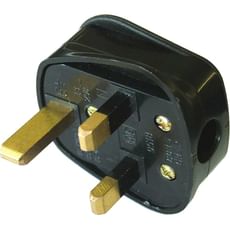
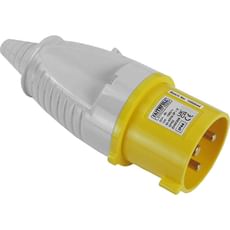
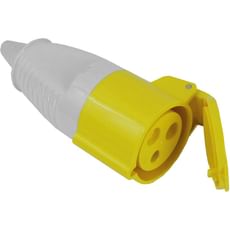
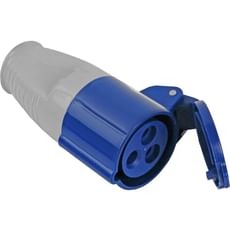
 Loading...
End of content
Error - No more pages to load
About Plugs & Fuses
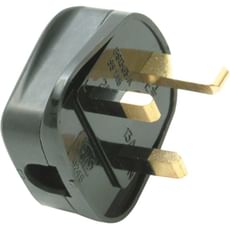
Plugs and fuses are essential electrical safety components for both professional tradespeople and DIY enthusiasts working with 240v mains power. From standard 13A plugs for everyday appliances to specialised industrial plugs for high-draw power tools, having the correct electrical connections is crucial for safe operation. Fuses provide vital overcurrent protection, preventing electrical fires and equipment damage by breaking the circuit when current exceeds safe levels. Whether you're wiring a new plug for a workshop tool, replacing a blown fuse cartridge, or upgrading site equipment with heavy-duty plugs, selecting the correct specification is essential for safety and compliance with UK electrical regulations.
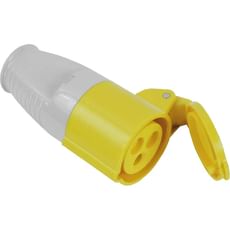
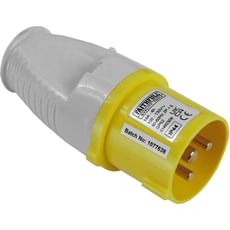
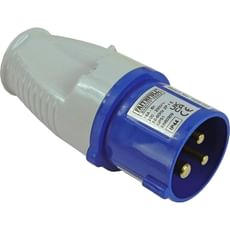
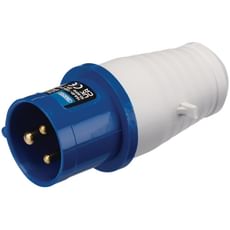
The range available at Tooled-Up.com includes standard domestic 13A plugs with 3A, 5A and 13A fuse ratings, alongside more robust industrial plugs designed for workshop and construction site environments. Fuses come in various formats including cartridge fuses, ceramic fuses, and blade-style automotive fuses, each designed for specific applications and current ratings. High-quality plugs feature robust construction with sleeved pins for enhanced safety, whilst rewireable options allow flexibility for custom cable lengths and professional installations.
Understanding the correct amperage, voltage rating and plug type for your application ensures safe electrical connections that comply with BS 1363 and BS 1362 standards. Whether maintaining power tool equipment, carrying out electrical repairs, or setting up temporary site power distribution, having reliable plugs and the correct fuses to hand prevents downtime and protects valuable equipment from electrical faults.
Jargon Buster
- Amperage (A): The measure of electrical current flow. UK domestic plugs are typically rated at 13A maximum, with fuses commonly available in 3A, 5A, 10A and 13A ratings to match appliance requirements.
- Fuse Rating: The maximum current a fuse can carry before it deliberately fails to protect the circuit. The fuse rating should slightly exceed the normal operating current of the appliance but remain well below the cable capacity.
- BS 1363: The British Standard specification for 13A plugs, socket-outlets and adaptors used throughout the UK for 240v domestic and light commercial applications.
- Cartridge Fuse: A cylindrical fuse with metal end caps, commonly found in UK 13A plugs. These are non-rewireable and must be replaced when blown, ensuring consistent protection ratings.
- RCD Protection: Residual Current Device - a life-saving device that quickly breaks an electrical circuit to prevent serious harm from an electric shock. Often integrated into modern plug designs for power tools.
- Sleeved Pins: Plug pins with partial insulation covering to prevent accidental contact with live pins during insertion or removal, a safety feature now standard on quality UK plugs.
Who Uses Plugs & Fuses?
- Electricians: For professional installations, repairs and maintenance of electrical systems requiring compliant plug fittings and correct fuse protection
- Maintenance Engineers: Replacing damaged plugs and blown fuses on industrial equipment, machinery and workshop tools
- Construction Site Workers: Requiring robust plugs and appropriate fusing for power tools and temporary site lighting in demanding environments
- Workshop Owners: Maintaining benchtop equipment, extraction systems and power tool fleets with correct electrical connections
- Landlords and Property Managers: Ensuring rental properties and commercial premises have compliant, safe electrical fittings
- DIY Enthusiasts: Rewiring plugs on appliances, replacing blown fuses, and maintaining home workshop equipment
- Carpenters and Joiners: Maintaining and replacing plugs on site power tools subjected to harsh working conditions
- Facilities Managers: Responsible for electrical safety compliance and maintenance across commercial buildings
How to Choose the Right Plugs & Fuses
Current Rating: Match the fuse rating to the appliance power consumption. As a general rule, divide the wattage by 240v to calculate amperage. For example, a 720W appliance requires a 3A fuse, whilst a 2400W heater needs 10A or 13A protection. Always consult the appliance manufacturer's recommendations.
Plug Type and Construction: Standard 13A plugs suit most domestic and light commercial applications. For workshop and site use, consider heavy-duty plugs with impact-resistant housings and cable grips designed for frequent connection cycles. Rubber-bodied plugs offer enhanced durability in harsh environments compared to standard plastic types.
Fuse Type and Standard: UK 13A plugs require BS 1362 cartridge fuses. These are available in ceramic or glass body construction - ceramic types offer superior breaking capacity for high-fault currents. Never substitute with incorrect fuse types or ratings, and avoid makeshift repairs like wire wrapping.
Cable Compatibility: Ensure the plug's cable grip and terminal capacity matches your cable size. Professional installations may require larger cable entries for heavy-duty flex. Tooled-Up stocks plugs suitable for standard flex from 0.75mm² to 2.5mm² and beyond for industrial applications.
Safety Features: Modern plugs incorporate sleeved pins to prevent accidental contact. For power tool use, consider plugs with integrated RCD protection or thermal cut-out features. Site applications may benefit from colour-coded plugs for different voltage or circuit identification.
Compliance and Standards: Ensure all plugs and fuses meet current UK electrical safety standards including BS 1363 for plugs and BS 1362 for fuses. Non-compliant products pose serious safety risks and may invalidate insurance in the event of electrical fires.
Popular Accessories
- Extension Leads: Site-grade extension reels and leads for power distribution in workshops and construction environments
- RCD Adaptors: Plug-through RCD protection devices providing personal protection against electric shock
- Socket Testers: For verifying correct wiring polarity and earth connections in sockets before use
- Cable Reels: Professional cable management for site power distribution with thermal overload protection
- Electrical Tape: Insulation tape for cable identification and temporary repairs
- Wire Strippers: Precision tools for preparing cable ends when fitting plugs
- Multimeters: For testing voltage, current and continuity when diagnosing electrical faults
- Terminal Screwdrivers: Correctly sized screwdrivers for plug terminal connections
Safety Information
Electrical Work Competence: Whilst fitting a plug to a flexible cable is not notifiable work under Building Regulations Part P, anyone carrying out electrical work should be competent to do so safely. If in doubt, always consult a qualified electrician, particularly for fixed wiring or complex installations.
Correct Fusing: Never fit a higher-rated fuse than specified by the appliance manufacturer. Oversized fuses may allow excessive current to flow, causing cable overheating and fire risk. Similarly, undersized fuses will blow repeatedly and may be inappropriately replaced with higher ratings.
Visual Inspections: Regularly inspect plugs for signs of damage, overheating (discolouration), loose connections or cracked casings. Replace damaged plugs immediately - they present serious shock and fire hazards. Check fuses haven't been substituted with incorrect ratings or makeshift conductors.
PAT Testing: Commercial and site equipment should undergo regular Portable Appliance Testing (PAT) to verify electrical safety. This includes inspection of plugs, cables and fuses as part of comprehensive safety checks required by workplace safety regulations and HSE guidance.
Water and Moisture: Standard plugs and fuses are not weatherproof. For outdoor or damp location use, employ appropriate IP-rated equipment with RCD protection. Never handle electrical connections with wet hands or in damp conditions without proper protection and isolation.
Frequently Asked Questions
What fuse rating should I use for my power tool?
Check the tool's rating plate for wattage or amperage. Most power tools drawing under 700W require a 3A fuse, whilst larger tools up to 3000W need a 13A fuse. The manufacturer's instructions will specify the correct rating - never exceed this specification.
Why do fuses keep blowing on my equipment?
Repeated fuse failure indicates an underlying problem such as an internal fault in the appliance, damaged cable, or moisture ingress causing short circuits. Don't simply fit higher-rated fuses - investigate the cause or have the equipment professionally inspected before continued use.
Can I rewire a moulded plug?
Moulded plugs are designed as sealed, non-serviceable units. If damaged, replace the entire plug with a rewireable type. Attempting to modify moulded plugs compromises safety and may expose live conductors.
What's the difference between ceramic and glass fuses?
Ceramic fuses offer higher breaking capacity and are more robust for repeated thermal cycling, making them preferable for power tools and equipment subject to high inrush currents. Glass fuses are adequate for low-power applications but may shatter under high-fault conditions.
Do I need RCD protection for power tools?
HSE guidance strongly recommends RCD protection for all portable power tools used outdoors, on construction sites, or in other high-risk environments. RCD protection at 30mA sensitivity can be life-saving by disconnecting power within milliseconds of detecting earth leakage faults.