

Podger Spanners
Pay in 3 interest-free payments on purchases from £30-2000 with  . Learn more.
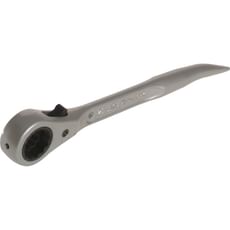
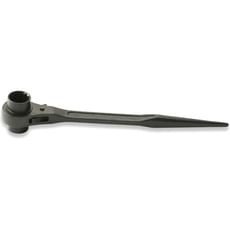
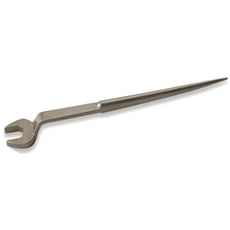
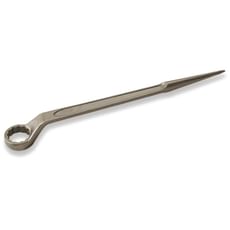
 Loading...
End of content
Error - No more pages to load
About Podger Spanners
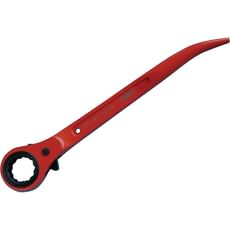
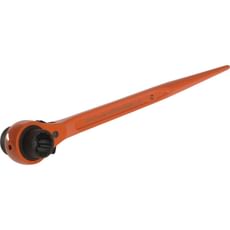
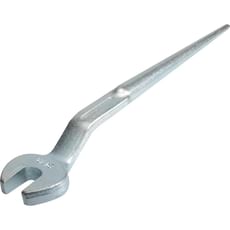
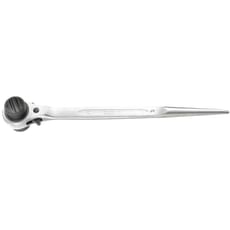
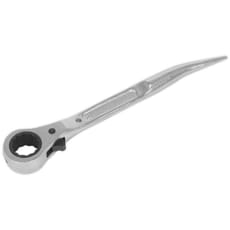
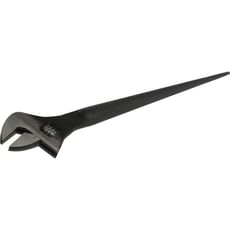
Podger spanners are essential tools for construction and scaffolding work, combining a tapered drift pin (the "podger") with a wrench head to create a versatile two-in-one tool. The podger end is used to align bolt holes in scaffolding frames and structural steelwork, whilst the spanner end secures the nuts and bolts once aligned. This dual functionality makes them indispensable on construction sites where speed and efficiency are paramount. Tooled-Up.com stocks a comprehensive range of podger spanners from leading manufacturers including Priory, King Dick, Sirius, and Expert by Facom, ensuring professional tradespeople have access to quality tools that meet rigorous industry standards.
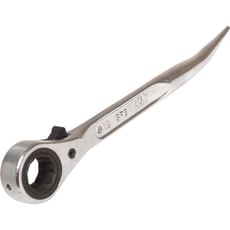
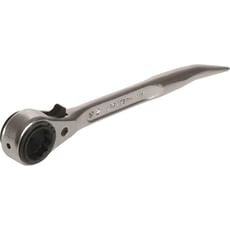
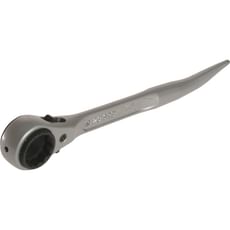
Available in both metric and imperial sizes, podger spanners come in several configurations including open end, ring, bi-hexagon, and ratchet designs. Ratcheting podger spanners are particularly popular as they allow continuous tightening without removing the tool from the fastener, significantly speeding up work on scaffolding towers and structural frameworks. Some models feature insulated handles for work around electrical installations, whilst lightweight aluminium versions reduce fatigue during extended use at height. Whether you require standard Whitworth sizes for traditional scaffolding or metric variants for modern structural work, the selection at Tooled-Up includes options suitable for every application.
Quality podger spanners are manufactured from hardened and tempered steel to withstand the demanding conditions of construction sites. Many feature drop-forged construction for superior strength and durability, with chrome vanadium steel being a popular choice for its excellent wear resistance. Professional-grade models from brands like Priory and King Dick are designed to meet British and European standards, ensuring they deliver reliable performance in the toughest working environments.
Jargon Buster
- Podger Pin: The tapered drift section of the tool used to align bolt holes in scaffolding tubes and structural components, allowing bolts to be easily inserted through misaligned holes.
- Bi-Hexagon: A twelve-point ring design that engages fasteners at more angles than standard six-point spanners, providing greater flexibility when working in confined spaces or at awkward angles.
- Ratchet Mechanism: An internal pawl and gear system allowing the spanner to tighten fasteners with a back-and-forth motion without removing the tool from the nut, measured by the number of teeth (typically 32-72 teeth for finer increments).
- Whitworth: A traditional British thread standard commonly used in older scaffolding systems, with sizes typically specified in fractions of an inch (e.g., 7/16" or 13/16").
- Tethered Tools: Spanners fitted with attachment points for lanyards or tool tethers, essential for preventing dropped objects when working at height in compliance with HSE guidelines.
- Chrome Vanadium (CrV): A steel alloy combining chromium and vanadium that provides excellent strength, toughness, and resistance to wear and corrosion, making it ideal for construction hand tools.
Who Uses Podger Spanners?
- Scaffolders: The primary users of podger spanners, requiring them daily for erecting and dismantling scaffolding systems on construction sites.
- Steel Erectors: Structural steelworkers who assemble building frameworks and steel structures, using podger spanners to align and secure bolt connections.
- Construction Site Managers: Supervisors and foremen who keep essential tools on hand for adjustments and minor repairs during site operations.
- Maintenance Engineers: Industrial and facilities maintenance professionals working on steel structures, frameworks, and heavy-duty mechanical installations.
- Rigging Professionals: Specialists who set up temporary structures, staging, and rigging systems for events, construction, and industrial applications.
- Plant Fitters: Engineers who install and maintain heavy machinery, often requiring podger spanners for alignment and assembly of large bolted connections.
- Steel Fabricators: Workshop-based professionals who manufacture structural steelwork and require quality tools for assembly and testing.
How to Choose the Right Podger Spanners
Size and Thread Standard: Determine whether you need metric or imperial (Whitworth) sizes based on your scaffolding or structural system. Common scaffolding sizes include 7/16", 13/16", 17mm, and 19mm. Check your most frequently used fastener sizes before purchasing.
Head Type: Open end spanners are lightweight and allow lateral access to fasteners but can slip under high torque. Ring and bi-hexagon designs provide better grip and torque transfer but require overhead access. Ratcheting models from brands like Priory and Expert by Facom significantly speed up repetitive fastening work and are worth the investment for professional scaffolders.
Handle Length and Weight: Standard podger spanners range from 250mm to 600mm in length. Longer handles provide greater leverage but add weight—important when working at height for extended periods. Aluminium-handled models like the Priory 604AL and 605AL offer reduced weight whilst maintaining strength, minimising fatigue during all-day use.
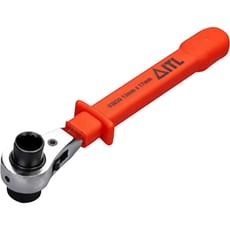
Insulation Requirements: If working near electrical installations or live conductors, choose insulated models such as the ITL Insulated Ratchet Podger Spanner, which meets IEC 60900 standards for live line working. These provide crucial protection whilst maintaining tool functionality.
Working at Height Considerations: For work on scaffolding towers or elevated structures, select tethered podger spanners with integrated attachment points. This allows connection to tool lanyards, preventing dangerous dropped objects and ensuring HSE compliance on regulated sites.
Build Quality and Brand: Professional-grade tools from established manufacturers like Priory, King Dick, and Sirius offer superior durability and performance compared to budget alternatives. Look for drop-forged construction, hardened steel, and quality surface finishes that resist corrosion in outdoor conditions.
Popular Accessories
- Tool Lanyards and Tethers: Essential safety accessories for securing tools when working at height, preventing dropped objects that could cause serious injury.
- Tool Belts and Holsters: Leather or fabric pouches designed to carry podger spanners and other hand tools safely whilst keeping hands free for climbing and positioning.
- Scaffold Spanners: Complementary tools including box spanners, combination spanners, and adjustable wrenches for complete scaffolding toolkit coverage.
- Spirit Levels: Essential for checking scaffolding plumb and level during erection, ensuring safe and compliant installations.
- Tape Measures: Heavy-duty measuring tools for setting out scaffolding dimensions and checking structural spacing.
- Tool Storage Solutions: Robust toolboxes and bags from ranges like Stanley FatMax and DeWalt TSTAK for organised transport and storage of hand tools on site.
- Work Gloves: Impact-resistant and grip-enhanced gloves providing hand protection whilst maintaining dexterity for fastener manipulation.
- Thread Cutting Oil: Lubricants that ease assembly and prevent seizing on threaded scaffolding connections, particularly in outdoor environments.
Safety Information
Working at Height: Always use tethered tools or tool lanyards when working on scaffolding or elevated platforms. Dropped tools pose serious injury risks to those below and can result in prosecution under HSE regulations. Ensure podger spanners are securely attached before commencing work at height.
Correct Tool Selection: Never use a podger spanner on fasteners that are undersized or oversized for the tool. Incorrect fit can lead to slippage, rounding of fastener heads, and potential injury. Always select the correct size spanner for the job.
Electrical Safety: When working near electrical installations, cables, or live conductors, use only properly insulated podger spanners rated to IEC 60900 standards. Standard non-insulated tools must never be used in proximity to live electrical equipment.
Tool Condition: Regularly inspect podger spanners for wear, damage, or deformation. Worn jaws, bent shanks, or damaged ratchet mechanisms reduce effectiveness and increase accident risk. Remove damaged tools from service immediately.
Proper Technique: Always push rather than pull on spanners where possible to maintain better control and reduce injury risk if slippage occurs. Ensure secure footing and stable positioning before applying force, particularly when working on scaffolding structures.
PPE Requirements: Wear appropriate personal protective equipment including safety boots, hard hats, high-visibility clothing, and impact-resistant gloves when using podger spanners on construction sites. Eye protection is advisable when working overhead or with corroded fasteners.
Frequently Asked Questions
What's the difference between a podger spanner and a regular spanner?
A podger spanner features a tapered drift pin (podger) on one end for aligning bolt holes in scaffolding and structural work, whilst the other end functions as a standard spanner. This dual-purpose design eliminates the need to carry separate alignment pins and spanners, improving efficiency on construction sites.
Do I need metric or imperial podger spanners for scaffolding work?
This depends on your scaffolding system. Traditional British scaffolding uses Whitworth (imperial) sizes, typically 7/16" and 13/16". Modern systems may use metric fasteners requiring 17mm, 19mm, or 21mm spanners. Many scaffolders keep both types available as sites often feature mixed systems. Tooled-Up stocks both standards across multiple brands.
Are ratcheting podger spanners worth the extra cost?
For professional scaffolders and steel erectors working with numerous fasteners daily, ratcheting models significantly increase productivity by allowing continuous tightening without removing the tool from the nut. The initial investment is quickly recovered through time savings, particularly on large-scale projects. However, for occasional use, standard open-end or ring podger spanners may prove more economical.
Can I use a podger spanner as a pry bar or hammer?
No. Whilst podger spanners are robust tools, using them for purposes other than their intended function (aligning holes and turning fasteners) can damage the tool and create safety hazards. The striking of podger spanners with hammers or using them to pry apart components can cause fractures in the steel, leading to catastrophic failure under normal use.
What maintenance do podger spanners require?
Keep tools clean and dry to prevent corrosion, particularly after use in wet conditions. Periodically apply a light machine oil to ratchet mechanisms to ensure smooth operation. Inspect regularly for wear, particularly jaw faces and ratchet teeth. Store in a dry location and avoid leaving tools lying on wet ground on site. Quality chrome vanadium steel tools require minimal maintenance but benefit from proper care to maximise service life.