

Pointing Trowels

Pay in 3 interest-free payments on purchases from £20-£3000 with  . Learn more.
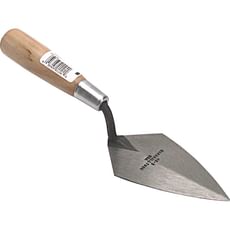
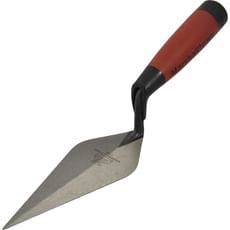
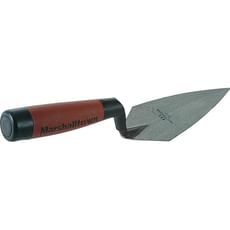
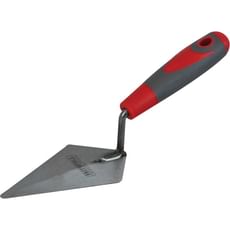
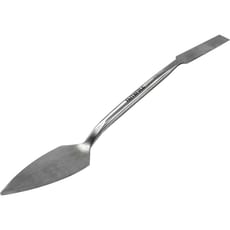
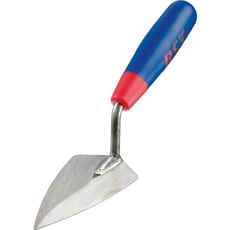
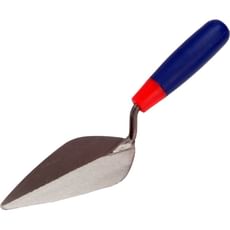
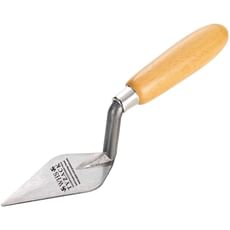
 Loading...
End of content
Error - No more pages to load
About Pointing Trowels
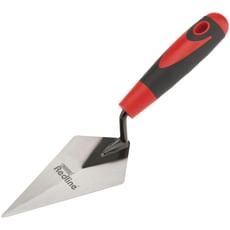
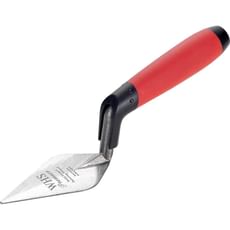
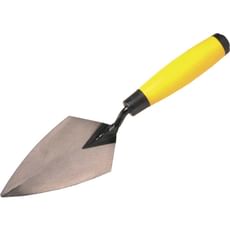
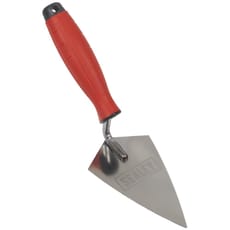
Pointing trowels are specialised hand tools essential for bricklaying, masonry work, and detailed mortar applications. Characterised by their narrow, elongated blades typically measuring between 100mm and 180mm in length, these trowels are designed for precision work where larger bricklaying trowels would be too cumbersome. The compact blade profile allows tradespeople to apply, shape, and finish mortar in tight spaces such as vertical joints between bricks, stone repair work, and decorative pointing.
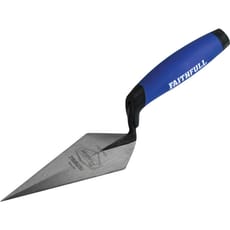
The selection at Tooled-Up.com includes pointing trowels in two principal blade patterns: the London pattern, which features a symmetrical diamond-shaped blade ideal for general pointing work, and the Philadelphia pattern, which has a more angular, asymmetric design suited to specific regional techniques and personal preferences. Manufactured from hardened and tempered carbon steel, these tools offer durability and maintain their edge through repeated use. Many models feature soft-grip handles from brands like Marshalltown, RST, and Faithfull, providing enhanced comfort during extended periods of use on site.
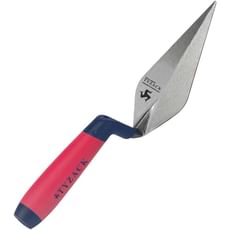
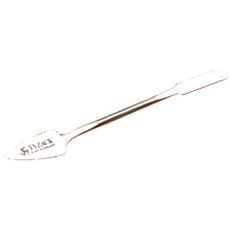
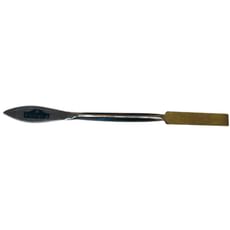
Professional-grade pointing trowels available from Tooled-Up feature lacquered or polished finishes that resist rust and prevent mortar adhesion to the blade. Specialist variants include archaeology trowels from Tyzack, designed with sharper edges for excavation work, and leaf and square trowels for corner work and detailed applications. Whether you're a professional bricklayer, stonemason, or DIY enthusiast tackling repointing work, selecting the appropriate pointing trowel significantly impacts the quality and efficiency of mortar work.
Jargon Buster
- London Pattern: A traditional blade shape featuring a symmetrical diamond profile, widely used throughout the UK for general pointing and mortar application work.
- Philadelphia Pattern: An asymmetrical blade design originating from American bricklaying traditions, preferred by some tradespeople for specific pointing techniques and angles of approach.
- Hardened and Tempered Steel: A heat treatment process that increases the blade's durability and resistance to bending whilst maintaining sufficient flexibility to prevent brittle fracture during use.
- DuraSoft Handle: A proprietary handle design featuring cushioned grip material that reduces hand fatigue and provides better control, particularly during prolonged pointing work.
- Tang: The portion of the blade that extends into the handle, with full-tang construction offering superior strength and longevity compared to partial-tang designs.
- Leaf and Square: Specialised pointing trowels designed specifically for working mortar into internal corners and creating crisp, professional edges where two surfaces meet.
Who Uses Pointing Trowels?
- Bricklayers and blocklayers for filling vertical joints and detailed mortar work on masonry projects
- Stonemasons working on natural stone installations and heritage restoration projects
- Repointing specialists who focus specifically on mortar joint repair and restoration
- General builders requiring versatile tools for various masonry and mortar applications
- Heritage conservation professionals working on listed buildings and historical structures
- Landscapers constructing garden walls, planters, and decorative stonework features
- Archaeologists using specialised trowels for excavation and artefact recovery work
- DIY enthusiasts undertaking home maintenance, garden projects, or restoration work
- Plasterers occasionally requiring pointing trowels for detailed finishing work
How to Choose the Right Pointing Trowels
Blade Pattern: Consider whether a London pattern or Philadelphia pattern suits your working style and the specific applications you encounter most frequently. London pattern trowels offer versatility for general work, whilst Philadelphia patterns provide advantages for certain pointing angles and techniques.
Blade Length: Common sizes range from 100mm (4 inches) to 180mm (7 inches). Smaller blades offer greater precision in confined spaces, whilst longer blades cover more area and suit deeper joints. Most tradespeople working on standard brickwork find 150mm (6 inch) blades provide the optimal balance.
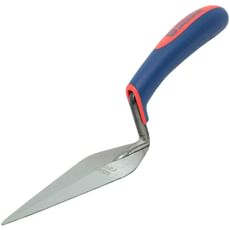
Handle Comfort: Soft-grip rubber handles significantly reduce hand fatigue during extended use. Brands like Marshalltown DuraSoft, RST Soft Touch, and Faithfull Soft Grip designs provide ergonomic benefits worth considering if you regularly perform pointing work throughout the day.
Blade Material and Finish: Hardened and tempered carbon steel offers excellent durability, whilst stainless steel options like the Sealey model provide superior corrosion resistance when working in damp conditions or with aggressive mortar mixes. Lacquered finishes help prevent rust and make cleaning easier.
Build Quality: Professional-grade trowels from established brands such as Marshalltown, Faithfull, and Spear and Jackson typically feature full-tang construction and precision-forged blades that maintain their shape and edge through years of site work. Budget options suit occasional DIY use but may not withstand daily professional demands.
Specialised Requirements: Consider whether you need specialist variants such as archaeology trowels with sharp edges for excavation, or leaf and square trowels for corner work and detailed applications.
Popular Accessories
- Brick jointers and jointing irons for creating professional finish profiles in mortar joints
- Mortar mixing boards and spots for preparing and holding small quantities of mortar on site
- Wire brushes for cleaning trowel blades and preparing joints before repointing
- Gauging trowels for measuring and mixing small batches of mortar and lime
- Spirit levels and line pins for ensuring accurate joint alignment during pointing work
- Mortar rakes and joint preparation tools for removing old mortar before repointing
- Tool belts and pouches from brands like Snickers for organising pointing tools on site
- Trowel guards and cases for protecting blade edges during transport and storage
- Knee pads and work gloves for comfort and protection during masonry work
Safety Information
Whilst pointing trowels are relatively simple hand tools, proper use helps prevent workplace injuries. Maintain blades in good condition with smooth edges free from burrs or chips that could cause cuts during use. Always wear appropriate work gloves when handling trowels, particularly when cleaning hardened mortar from blades.
Store pointing trowels securely in toolboxes or pouches rather than loose in pockets where sharp edges could cause injury. When working at height on scaffolding or platforms, secure tools properly to prevent them falling and causing injury to workers below, in accordance with HSE guidelines for site safety.
Be mindful of repetitive strain injuries from prolonged trowel use. Take regular breaks and vary tasks throughout the day to reduce the risk of conditions like carpal tunnel syndrome or tennis elbow. Ergonomic soft-grip handles help reduce strain but don't eliminate the need for proper work practices and adequate rest periods.
Frequently Asked Questions
What's the difference between a pointing trowel and a brick trowel?
Pointing trowels feature narrower, smaller blades (typically 100-180mm) specifically designed for precision mortar work in joints and tight spaces. Brick trowels have much larger, wider blades suited to picking up and spreading mortar across larger areas when laying bricks. Most bricklayers carry both types for different aspects of their work.
How do I prevent mortar from sticking to my pointing trowel?
Keep the blade clean and slightly damp during use by periodically dipping it in water. High-quality trowels with polished or lacquered finishes naturally resist mortar adhesion better than unfinished blades. At the end of each working day, thoroughly clean and dry the blade before storage to maintain its non-stick properties and prevent rust.
Can I use a pointing trowel for plastering work?
Whilst pointing trowels can apply plaster in very small areas or for repairs, they're not designed for general plastering work. Plastering requires specialised finishing trowels with larger, flatter blades that provide the surface area and flexibility needed for smooth finishes. Using the wrong tool compromises results and makes the work unnecessarily difficult.
How often should I replace my pointing trowel?
Professional-grade pointing trowels from quality manufacturers can last many years with proper care. Replace your trowel when the blade becomes excessively worn, bent, or develops damage that affects its performance. Budget models used for heavy professional work may need replacement annually, whilst premium trowels often provide five years or more of reliable service.
Are soft-grip handles worth the extra cost?
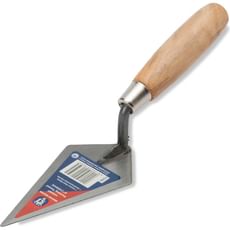
For professional tradespeople or anyone performing regular pointing work, soft-grip handles significantly improve comfort and reduce hand fatigue during extended use. The modest additional cost is worthwhile given the ergonomic benefits. For occasional DIY users tackling small projects, standard wooden handles may prove perfectly adequate and represent better value.