

Polishers
Pay in 3 interest-free payments on purchases from £30-2000 with  . Learn more.
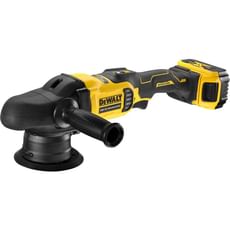
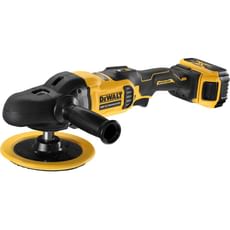
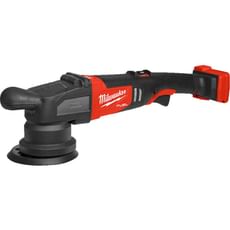
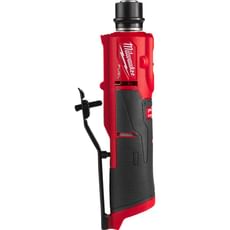
Milwaukee M18 FROP15 Fuel 18v Cordless Brushless Random Orbit Polisher 125mm
in stock
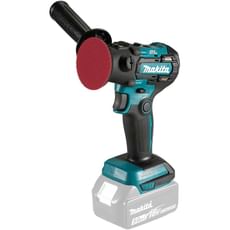
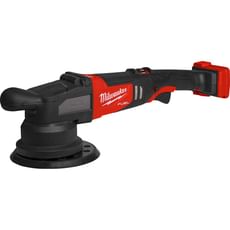


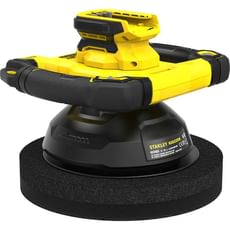
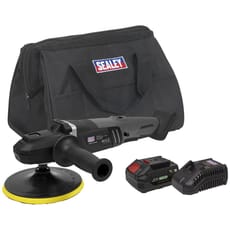
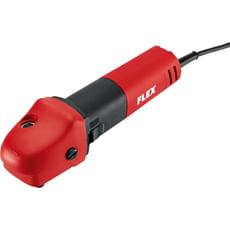
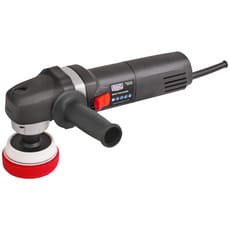

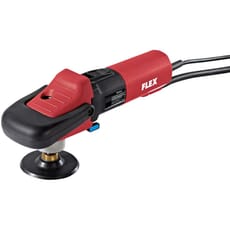
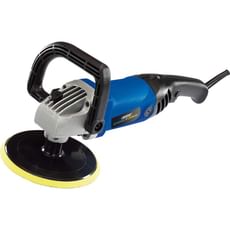
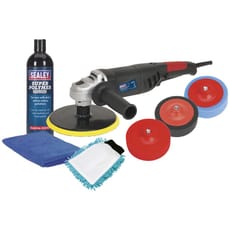

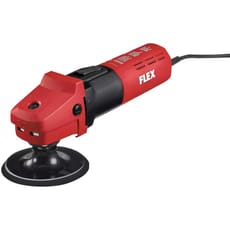
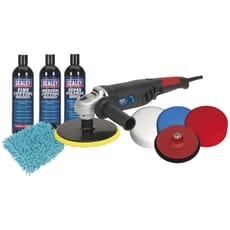
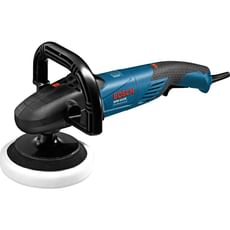

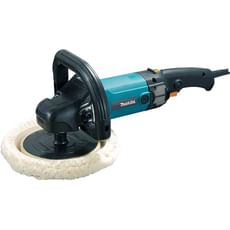
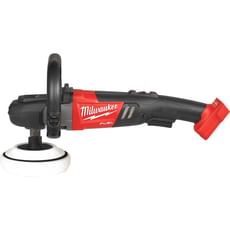
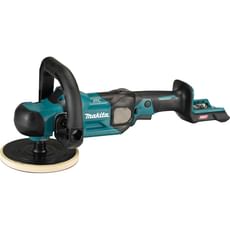
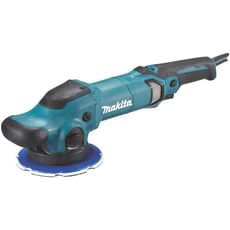
 Loading...
End of content
Error - No more pages to load
About Polishers
Electric polishers and buffing machines enable painted surfaces and bare metals to be finished or refreshed to a professional standard without the intensive manual labour required when working by hand. From automotive bodywork and marine applications to metalworking and furniture restoration, polishers deliver consistent, high-quality results across a diverse range of materials including paintwork, gelcoat, chrome, aluminium, and composite surfaces.
The polisher category encompasses several distinct machine types, each suited to specific applications. Handheld polishers dominate the market and are typically powered by either 240v mains electricity or lithium-ion battery systems. These machines generally fall into two main categories: rotary polishers, which spin in a single circular motion and offer aggressive cutting power for heavy correction work, and random orbital polishers (also called dual-action or DA polishers), which combine rotation with an oscillating movement to create a safer, more forgiving action ideal for finishing work and less experienced users. Tooled-Up.com stocks both types alongside bench-mounted buffing machines designed for workshop use on smaller components and individual parts.
Recent developments in cordless technology have revolutionised polishing applications, with manufacturers like DeWalt, Makita, Milwaukee, and Bosch now offering battery-powered models that deliver professional performance without trailing cables. These cordless polishers typically operate on 12v, 18v, or 20v platforms, providing exceptional portability for mobile detailing businesses, boat yards, and site-based bodywork repair.
Jargon Buster
- Rotary Polisher: A polisher where the pad spins in a continuous circular motion around a single axis. Offers aggressive cutting power but requires skill to avoid paint damage or holograms. Typically used for heavy paint correction, compound work, and removing deep scratches or oxidation.
- Random Orbital Polisher (DA): A dual-action machine where the pad both rotates and oscillates simultaneously, creating a random pattern that reduces the risk of burning through paint or leaving swirl marks. More forgiving for beginners and ideal for applying waxes, sealants, and final polishing stages.
- OPM (Orbits Per Minute): Measures the oscillating action of random orbital polishers, typically ranging from 2,500 to 10,000 OPM. Higher OPM values indicate more aggressive cutting action, whilst lower speeds suit delicate finishing work.
- Throw: The diameter of the orbital action on a dual-action polisher, commonly 8mm, 12mm, or 15mm. A longer throw covers more surface area quickly and provides more aggressive correction, whilst a shorter throw offers greater control for intricate areas and final finishing.
- Forced Rotation: A feature on some random orbital polishers where the motor drives both the rotation and oscillation under load, preventing the pad from stalling when pressure is applied. Standard free-spinning DA polishers can bog down under pressure.
- Backing Plate: The rigid or semi-flexible disc that attaches to the polisher spindle and supports the foam or wool polishing pad. Available in various diameters (typically 75mm, 125mm, 150mm, or 180mm) and with hook-and-loop (Velcro) or screw-thread attachment systems.
Who Uses Polishers?
- Automotive Detailers: Professional valeting businesses and mobile detailing services use polishers daily for paint correction, swirl mark removal, and applying protective coatings
- Body Shop Technicians: Accident repair centres rely on polishers to refine paintwork after respraying and achieve factory-finish results on repaired panels
- Vehicle Restorers: Classic car enthusiasts and restoration specialists use polishers to bring oxidised paintwork and chrome back to showroom condition
- Marine Engineers: Boat yards and marine maintenance professionals polish gelcoat, remove oxidation from hulls, and maintain stainless steel and chrome fittings
- Metalworkers: Fabricators, blacksmiths, and jewellery makers use bench-mounted polishers to finish metal components and achieve mirror-like surfaces on aluminium, brass, and steel
- Furniture Restorers: Wood finishing specialists and antique restorers use polishers with appropriate pads to apply and buff oils, waxes, and lacquers
- Aviation Maintenance Teams: Aircraft detailing requires specialist polishing to maintain aluminium skins and remove oxidation without damaging protective coatings
- DIY Enthusiasts: Home users maintain their own vehicles, caravans, and motorcycles to professional standards using entry-level and mid-range polishing machines
How to Choose the Right Polisher
Experience Level: Beginners should start with a random orbital polisher, as the dual-action movement is far more forgiving than a rotary machine. The selection at Tooled-Up includes excellent entry-level DA polishers from brands like Draper and Einhell that offer variable speed control and won't break the bank. Experienced users tackling heavy correction work may prefer the aggressive cutting power of rotary machines from Makita, DeWalt, or Bosch Professional.
Power Source: Consider whether 240v mains-powered or cordless operation better suits your working environment. Corded polishers deliver consistent power for extended sessions and are ideal for workshop use, whilst 18v and 20v cordless models from Milwaukee, DeWalt, and Makita offer unmatched portability for mobile work, boat yards, or locations without convenient power access. Battery runtime varies significantly, so check amp-hour (Ah) ratings if choosing cordless.
Pad Size and Throw: Larger backing plates (150mm-180mm) cover more surface area quickly, making them efficient for bonnets, roofs, and boat hulls. Smaller diameter machines (75mm-125mm) provide better control around curves, wing mirrors, and intricate bodywork. For random orbital machines, consider the throw distance—15mm or 21mm throws offer aggressive correction, whilst 8mm throws excel at finishing work.
Speed Control: Variable speed adjustment is essential for different polishing stages and materials. Look for models with electronic speed dials or trigger controls that allow you to start slowly and increase speed as needed. Typical speed ranges run from 600-3,000 RPM on rotaries and 2,500-6,800 OPM on random orbitals.
Ergonomics and Weight: Extended polishing sessions can be physically demanding, so consider machine weight and handle design. Side handles, D-handles, and bale handles each offer different leverage and comfort levels. Machines between 1.5kg and 2.5kg provide a good balance of control and manoeuvrability without excessive fatigue.
Professional Features: Advanced users should look for forced rotation (prevents pad stalling), soft-start functions, constant electronics (maintains speed under load), and overload protection. Brands like Flex, Bosch Professional, and Milwaukee incorporate these features in their premium models for consistent professional results.
Popular Accessories
- Polishing Pads: Foam pads in varying densities (cutting, polishing, and finishing grades) plus wool pads for aggressive correction work
- Backing Plates: Replacement or alternative size backing plates with hook-and-loop fastening systems
- Polishing Compounds: Cutting compounds, polishes, and finishing glazes matched to specific paint systems and correction levels
- Waxes and Sealants: Protective coatings applied with finishing pads to seal and protect polished surfaces
- Microfibre Towels: High-quality buffing cloths for removing residue and final buffing
- Extension Cables: Heavy-duty 13A rated leads for reaching around larger vehicles or working away from fixed power points
- Spare Batteries and Chargers: Additional battery packs for extended cordless runtime
- Carry Cases: Protective storage for machines and accessories, particularly useful for mobile detailing work
- Safety Equipment: Dust masks, safety glasses, and ear defenders for prolonged polishing sessions
Safety Information
Polishers can cause serious injury or damage if used incorrectly. Always wear appropriate PPE including safety glasses to protect against flying debris and compound spray. Dust masks are essential when polishing generates airborne particles, particularly with older paint that may contain harmful substances. Secure loose clothing, jewellery, and long hair before operating any polishing machine.
When using rotary polishers on painted surfaces, excessive pressure, incorrect pad speeds, or dwelling too long in one area can burn through paint layers, requiring expensive respraying. Practice on scrap panels or inconspicuous areas before tackling visible surfaces. Random orbital machines are more forgiving but can still cause damage if misused.
Ensure 240v mains-powered polishers are connected through properly rated extension leads with intact insulation. RCD (Residual Current Device) protection is strongly recommended, particularly when working outdoors or in damp environments such as boat yards. Regularly inspect power cables for damage and never use machines with frayed or exposed wiring.
Allow polishers to reach full speed before contacting the work surface, and switch off before lifting away to prevent pad damage and surface marking. Never operate polishers near flammable materials or in explosive atmospheres—polishing compounds and solvents are often flammable. Work in well-ventilated areas to avoid inhaling compound vapours and fine dust particles.
Frequently Asked Questions
What's the difference between a rotary and random orbital polisher?
A rotary polisher spins the pad continuously in one direction, delivering aggressive cutting power ideal for heavy paint correction but requiring skill to avoid damage. A random orbital (dual-action) polisher combines rotation with oscillation, creating a safer, more forgiving action perfect for beginners and finishing work. Rotaries excel at removing deep scratches and oxidation, whilst random orbitals are better suited to final polishing stages and applying waxes.
Can I use a polisher on my car if I've never polished before?
Yes, but start with a random orbital polisher rather than a rotary machine. DA polishers are significantly more forgiving and unlikely to burn through paint with normal use. Practice on an inconspicuous area first, use moderate pressure, and start with a finishing polish rather than aggressive cutting compound. Many entry-level machines from brands like Draper and Einhell include variable speed controls that allow you to work cautiously until you build confidence.
Do I need a cordless polisher or will a corded model be better?
Corded 240v polishers provide consistent power for extended sessions without battery anxiety and are ideal if you're primarily working in a garage or workshop with convenient power access. Cordless models offer superior portability for mobile detailing, working on boats, or reaching all areas of larger vehicles without cable management issues. Modern 18v and 20v cordless polishers from Milwaukee, DeWalt, and Makita now deliver professional performance, though runtime remains a consideration for full-day use.
What size polisher should I buy for my car?
For general automotive detailing, a 125mm or 150mm polisher offers the best balance between coverage and manoeuvrability. Larger 180mm machines work efficiently on flat panels like bonnets and roofs but struggle around curves and tight areas. Smaller 75mm spot repair polishers excel at wing mirrors, door handles, and intricate bodywork but are too small for efficient whole-vehicle work. Many professionals own multiple sizes for different applications.
How do I prevent swirl marks and holograms when polishing?
Use a random orbital polisher rather than a rotary for finishing stages, as the oscillating action naturally reduces swirl marks. Always use clean pads and work in good lighting so you can see your progress. Reduce polisher speed for final passes, use minimal pressure, and finish with a fine-grade finishing polish. Cross-hatch your passes (work horizontally, then vertically) and make several light finishing passes with decreasing pressure. Remove all compound residue promptly with quality microfibre towels.