

Polishes

Pay in 3 interest-free payments on purchases from £20-£3000 with  . Learn more.
 Loading...
End of content
Error - No more pages to load
About Polishes
Polishes are specialist formulations designed to restore, protect and enhance the appearance of a wide range of surfaces and materials. From vehicle bodywork and metal components to wooden furniture and brass fixtures, the right polish can dramatically improve finish quality while providing lasting protection against weathering, oxidation and everyday wear. Tooled-Up.com stocks polishes suitable for automotive applications, metalwork restoration, wood finishing and general surface care, catering to both professional tradespeople and DIY enthusiasts who demand high-quality results.
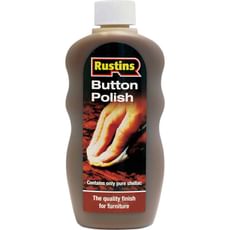
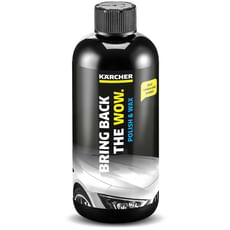
Modern polishes combine cleaning agents with protective compounds that not only enhance appearance but also create barriers against moisture, dirt and UV damage. Vehicle polishes typically incorporate waxes or synthetic polymers that deliver a deep, lustrous shine whilst repelling water and contaminants. Metal polishes contain fine abrasives and chemical cleaners that remove tarnish and oxidation, restoring the original brilliance to brass, copper, chrome and other metallic surfaces. Wood polishes, including traditional shellac-based button polishes, provide protective coatings that highlight natural grain patterns whilst guarding against moisture damage and surface scratches.
The polishes available from Tooled-Up.com range from all-in-one formulations that clean, polish and protect in a single application, to specialist products designed for specific materials and finishing requirements. Whether you're maintaining commercial vehicle fleets, restoring antique metalwork, finishing bespoke joinery or simply keeping tools and equipment in pristine condition, selecting the appropriate polish ensures optimal results and long-lasting surface protection.
Jargon Buster
- Button Polish: A traditional shellac-based polish used in French polishing and wood finishing, providing a classic high-gloss finish with excellent clarity and grain enhancement.
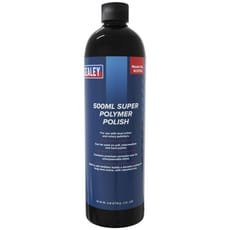
- Polymer Polish: Modern synthetic formulations using advanced polymer technology to create durable, protective coatings with superior water-repelling properties and extended longevity compared to traditional waxes.
- Cutting Compound: A polish containing fine abrasives designed to remove surface imperfections, scratches and oxidation before applying finishing polishes or protective coatings.
- Water-Repellent Coating: A protective layer formed by certain polishes that causes water to bead and run off surfaces, reducing water spotting and making subsequent cleaning easier.
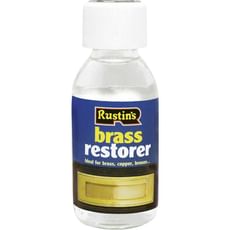
- Tarnish Remover: Chemical agents within metal polishes that dissolve oxidation and discolouration, restoring the original appearance of brass, copper, silver and other metals.
- Shellac: A natural resin secreted by lac insects, dissolved in alcohol to create traditional wood polishes that dry quickly and produce warm, amber-toned finishes.
Who Uses Polishes?
- Vehicle Valeters and Detailers: Professional automotive specialists maintaining showroom finishes on cars, vans and commercial vehicles
- Joiners and Cabinetmakers: Woodworkers applying protective finishes to furniture, joinery and bespoke timber installations
- Restoration Specialists: Tradespeople restoring antique furniture, metalwork and heritage architectural features
- Vehicle Fleet Managers: Maintenance professionals keeping commercial vehicles and equipment presentable and protected
- Metal Fabricators: Engineers and metalworkers finishing components and removing oxidation from brass, copper and other metals
- Property Maintenance Teams: Facilities managers and maintenance operatives caring for fixtures, fittings and equipment
- Marine Engineers: Boat builders and maintainers protecting surfaces exposed to harsh marine environments
- DIY Enthusiasts: Home improvers maintaining vehicles, furniture and household fixtures
- French Polishers: Specialist craftspeople applying traditional shellac finishes to fine furniture and woodwork
How to Choose the Right Polishes
Selecting the correct polish depends primarily on the material you're treating and the desired finish. Automotive polishes suited to painted surfaces won't be appropriate for wood finishing, whilst metal restorers formulated for brass contain different active ingredients to general-purpose polishes. Always verify that the polish is specifically designed for your intended application to avoid surface damage or disappointing results.
Consider whether you need a combined cleaning and polishing product or a dedicated finishing polish. All-in-one formulations like polymer polishes offer convenience for regular maintenance, cleaning away dirt whilst simultaneously applying protective coatings. For heavily weathered or oxidised surfaces, you may need a two-stage approach: first using a cutting compound or restorer to remove damage, then applying a finishing polish for protection and lustre.
Evaluate the level of protection required based on exposure conditions. Exterior surfaces subjected to UV radiation, temperature fluctuations and moisture benefit from polishes with weather-resistant properties and water-repellent coatings. Interior applications may prioritise appearance over extreme durability, with traditional polishes like button polish offering superior aesthetics for fine furniture.
Application method influences product selection. Some polishes require machine application with buffers or polishers for professional results, whilst others are designed for simple hand application with cloths. Consider the scale of your project and available equipment when choosing between professional-grade and DIY-friendly formulations. The Tooled-Up range includes options suitable for both hand application and machine polishing techniques.
Popular Accessories
- Microfibre Cloths: Lint-free cloths for applying polish and buffing to a high shine without scratching
- Polishing Pads and Bonnets: Machine-compatible pads in various grades for mechanical polishing applications
- Applicator Sponges: Foam applicators ensuring even distribution of polish across surfaces
- Buffing Wheels: Rotary attachments for power tools to accelerate polishing on larger areas
- Surface Cleaners: Pre-polish cleaning products removing heavy contamination before finishing
- Protective Gloves: Chemical-resistant gloves protecting hands during application
- Brushes: Detail brushes for working polish into intricate areas and mouldings
- Masking Tape: Protecting adjacent surfaces during selective polishing work
- Storage Containers: Properly sealed containers maintaining polish quality during storage
Safety Information
Many polishes contain solvents, chemical cleaners or fine abrasives that require careful handling. Always work in well-ventilated areas when using solvent-based products, particularly shellac-based polishes dissolved in methylated spirits, as vapours can be harmful if inhaled in enclosed spaces. Wear appropriate protective gloves when handling metal restorers or chemical polishes to prevent skin irritation, and use safety glasses if there's any risk of splashing during application.
Store polishes securely away from heat sources and naked flames, as many formulations are flammable. Keep containers tightly sealed to prevent evaporation and maintain product effectiveness. Dispose of used cloths safely, as some polish-soaked materials can spontaneously combust if left bunched together—spread used cloths flat to dry or store them in water-filled metal containers.
When using polishes on food-contact surfaces or children's furniture, verify that the product is suitable for such applications. Read manufacturer's safety data sheets for detailed COSHH information, particularly when using products in commercial environments where workplace safety regulations apply. Never mix different polish formulations, as chemical reactions may produce hazardous fumes or reduce effectiveness.
Frequently Asked Questions
Can I use car polish on other painted surfaces?
Automotive polishes are specifically formulated for vehicle paintwork and may not be suitable for other applications. Whilst the basic principle is similar, different paints require different chemical formulations. Always check manufacturer recommendations before using polishes on surfaces other than their intended application to avoid damage or poor results.
How often should I apply polish to maintain protection?
Application frequency depends on exposure conditions and polish type. Vehicle polishes typically require reapplication every three to six months, or more frequently for vehicles exposed to harsh weather or regular washing. Traditional wood polishes may need touching up annually, whilst synthetic polymer polishes can last considerably longer. Monitor surface condition and water-repellent properties to determine when reapplication is necessary.
What's the difference between polish and wax?
Polish typically contains mild abrasives or chemical cleaners that actively work on the surface to remove imperfections and enhance appearance. Wax is purely protective, creating a barrier layer without cleaning or correcting. Many modern products combine both functions, offering cleaning, polishing and protection in a single formulation for convenience and time-saving.
Can polishes remove deep scratches?
Standard polishes remove only very minor surface imperfections and fine scratches. Deep scratches that penetrate through to base layers require more aggressive cutting compounds or professional refinishing. Polish works best for enhancing already-reasonable surfaces rather than major restoration work, though specialist metal restorers can tackle heavier oxidation and tarnishing effectively.
Are traditional shellac polishes better than modern alternatives?
Traditional button polish produces beautiful, warm finishes highly valued in furniture restoration and period joinery, offering exceptional clarity and classic aesthetics. Modern synthetic polishes provide superior durability and moisture resistance for practical applications. The choice depends on whether authenticity and appearance or long-term protection and ease of maintenance are your priorities.