

Polishing Heads & Pads
Pay in 3 interest-free payments on purchases from £30-2000 with  . Learn more.
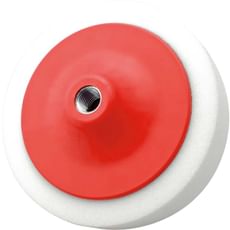
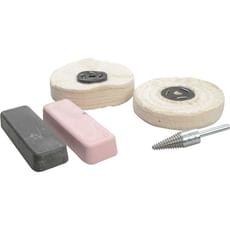
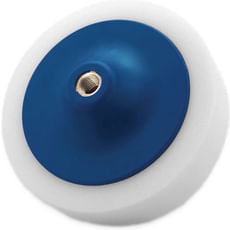
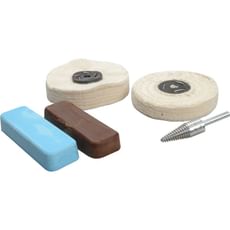
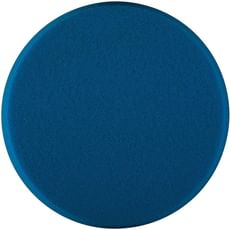
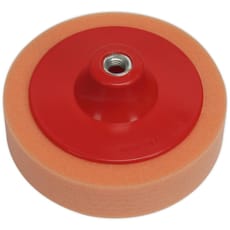
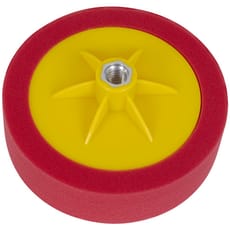
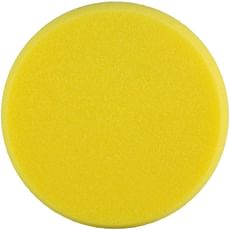
 Loading...
End of content
Error - No more pages to load
About Polishing Heads & Pads
Polishing heads and pads are essential accessories for achieving professional-quality finishes on a wide range of surfaces, from automotive paintwork and metal fabrication to worktops, composite materials and weathered paintwork. These versatile attachments transform angle grinders, drills and dedicated polishing machines into precision finishing tools, enabling tradespeople and DIY enthusiasts to remove scratches, restore lustre and apply protective sealants with consistent results. Available in various densities, diameters and backing configurations, polishing pads are engineered to work with specific compounds and polishes to deliver everything from aggressive cutting action to ultra-fine finishing touches.
The selection at Tooled-Up.com includes polishing pads ranging from 80mm compact sponges ideal for detailed work through to 180mm backing pads designed for larger surface areas. Different foam densities serve distinct purposes: coarse and firm pads provide the cutting action needed to remove oxidation and deeper scratches, medium-density options offer versatile all-round performance, whilst soft and ultra-soft pads excel at final finishing and applying waxes or sealants. Quality brands such as Bosch Professional, Festool, Makita, Draper and Sealey manufacture pads with precise foam cell structures that resist heat build-up, maintain their shape under pressure and deliver consistent results across extended polishing sessions.
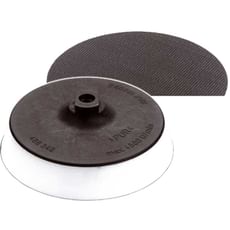
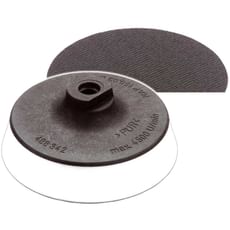
Modern polishing pads feature various attachment methods to suit different tools and applications. Hook-and-loop (Velcro-style) backing provides quick pad changes and secure attachment during operation, whilst threaded adaptors such as M14 fittings offer robust connections for heavy-duty polishing tasks. Backing pads serve as the crucial interface between your power tool and the polishing sponge, with flexible designs that allow pads to conform to contoured surfaces whilst maintaining even pressure distribution. Understanding the compatibility between your polishing machine, backing pad and finishing sponge ensures optimal performance and prevents damage to both your equipment and the surface being polished.
Jargon Buster
- Backing Pad: The rigid or semi-flexible disc that attaches to your polishing machine and provides the mounting surface for hook-and-loop polishing sponges. Quality backing pads feature balanced construction to prevent vibration and may include cooling ventilation.
- Hook-and-Loop: The attachment system (similar to Velcro) that allows quick changes between different polishing pads. The hook side attaches to the backing pad, whilst the loop side is integrated into the polishing sponge.
- Foam Density: The firmness rating of polishing sponges, typically categorised as coarse, firm, medium, soft or ultra-soft. Firmer foams cut more aggressively, whilst softer foams are used for final finishing and applying protective coatings.
- M14 Thread: A common European threaded spindle connection standard measuring 14mm diameter, widely used on angle grinders and polishing machines to secure backing pads and other accessories.
- Cutting Compound: An abrasive polishing product designed to remove oxidation, scratches and surface imperfections. Used with firmer polishing pads before progressing to finer finishing stages.
- Rotary vs Dual-Action: Rotary polishers spin in a single circular motion and work faster but require more skill, whilst dual-action (DA) machines combine rotation with orbital movement for safer, more forgiving operation on paintwork.
Who Uses Polishing Heads & Pads?
- Vehicle Detailers and Valeters: Restoring paintwork, removing swirl marks and applying protective ceramic coatings and waxes to cars, vans and commercial vehicles
- Automotive Body Shops: Refining paintwork after respraying, removing orange peel texture and achieving showroom-quality finishes on repaired panels
- Metal Fabricators and Polishers: Finishing stainless steel, aluminium and non-ferrous metals for architectural metalwork, kitchen equipment and decorative fabrications
- Kitchen and Worktop Fitters: Polishing composite materials, solid surfaces and stone worktops to restore lustre or prepare surfaces for sealing
- Boat Builders and Marine Engineers: Maintaining gelcoat finishes on fibreglass hulls, polishing metalwork and restoring weathered surfaces exposed to marine environments
- Furniture Restorers and French Polishers: Achieving mirror finishes on lacquered and sealed wood surfaces, removing blemishes and applying finishing compounds
- General Maintenance Contractors: Restoring various surfaces in commercial and domestic properties, from UPVC window frames to composite cladding panels
- DIY Enthusiasts: Maintaining vehicle paintwork, renovating household fixtures and achieving professional-quality finishes on home improvement projects
How to Choose the Right Polishing Heads & Pads
Match Pad Size to Your Machine and Application: Smaller pads (80-125mm) suit drills, compact polishers and detailed work around curves or intricate areas, whilst larger pads (150-180mm) cover more surface area efficiently on bonnets, panels and flat surfaces. Ensure your machine has sufficient power for the pad diameter – larger pads require more torque to maintain consistent speed under pressure.
Select Appropriate Foam Density for Each Stage: Professional polishing typically involves multiple stages with progressively softer pads. Begin with coarse or firm pads combined with cutting compounds to remove defects, progress to medium-density pads with polishing compounds to refine the surface, then finish with soft or ultra-soft pads to apply glazes, waxes or sealants. Tooled-Up stocks complete pad sets from manufacturers like Draper that provide the full density range for systematic finishing.
Consider Your Attachment Method: Hook-and-loop backing offers convenience for frequent pad changes and suits most polishing applications, particularly where multiple foam densities are used in sequence. Threaded connections like M14 fittings provide more secure attachment for sustained heavy-duty work but require unscrewing to change pads. Verify your machine's spindle thread or backing pad compatibility before purchasing.
Brand Compatibility and Quality: Premium brands such as Festool, Bosch Professional and Makita engineer their polishing pads with precise foam cell structures that resist tearing, maintain consistent density under heat and provide reliable performance across hundreds of applications. Whilst budget options exist, quality pads deliver better results, last significantly longer and reduce the risk of surface damage from pad deterioration or detachment.
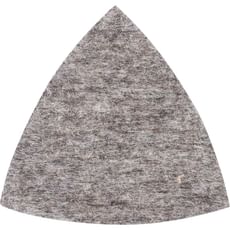
Specialised Pad Designs: Consider application-specific options such as delta-shaped pads for detail sanders working in corners, waffle-pattern foam for improved compound distribution and cooling, or interface pads that provide additional cushioning between backing pad and polishing sponge for contoured surfaces. These specialised designs can significantly improve results in particular applications.
Popular Accessories
- Polishing Compounds and Cutting Pastes: Essential consumables available in various grades from aggressive cutting compounds through to fine finishing polishes and glazes
- Backing Pads and Adaptor Plates: Replacement or alternative backing pads in different flexibilities, plus thread adaptors to fit various machine spindles
- Polishing Machines: Rotary and dual-action polishers from Makita, Bosch, Festool and Einhell designed specifically for finishing work with variable speed control
- Angle Grinders: Versatile 240v corded and cordless models that accept polishing accessories for metalwork finishing and surface preparation
- Microfibre Cloths and Buffing Towels: For removing compound residue and final buffing to achieve maximum gloss and clarity
- Masking Tape and Protective Film: To protect adjacent trim, rubber seals and plastic components from polish splatter and accidental contact
- Extension Leads and Cable Management: For comfortable movement around larger items like vehicles without power interruption
- Dust Extraction Accessories: Adaptors and hoses to connect polishers to vacuum systems, particularly useful when working indoors or with dry compounds
Safety Information
Machine Speed and Control: Always verify the maximum operating speed rating of your polishing pads and never exceed the manufacturer's specified RPM. Start at lower speeds to gain control, particularly when using larger diameter pads or working on vertical surfaces where loss of control could result in surface damage or personal injury. Variable speed controls on quality polishers allow precise adjustment for different pad types and compounds.
Secure Attachment and Inspection: Before operation, ensure backing pads are tightly secured to the machine spindle and that polishing sponges are properly centred on hook-and-loop backing. Inspect pads before each use for tears, deterioration or contamination with debris that could scratch surfaces. Replace damaged pads immediately – a disintegrating pad at operating speed presents both a projectile hazard and risk of surface damage.
Heat Management: Prolonged pressure or excessive speed generates heat that can damage both the polishing pad and the surface being worked. Keep the machine moving steadily, avoid concentrating in one area, and allow pads to cool between intensive polishing sessions. Heat can also cause compounds to dry and cake within the foam structure, reducing effectiveness and potentially scratching surfaces.
Personal Protective Equipment: Wear safety glasses or goggles to protect against polish splatter, and consider respiratory protection when using solvent-based compounds in enclosed spaces. Polish residue can make floors slippery, so maintain good housekeeping around your work area. When polishing overhead or vertical surfaces, protect against dripping compounds and maintain secure footing on stable platforms.
Frequently Asked Questions
What's the difference between polishing sponges and polishing bonnets?
Polishing sponges are foam pads with varying densities designed for use with liquid compounds and polishes, offering precise control and consistent results. Polishing bonnets are fabric covers (typically cotton or microfibre) that slip over backing pads and are generally used for final buffing and wax removal rather than compound application. Sponges have largely superseded bonnets for professional polishing work due to their superior performance and durability.
Can I use the same pad for different types of polish?
It's best practice to dedicate specific pads to particular products and stages. Using a pad that previously held cutting compound with a fine finishing polish will contaminate the finer product and potentially scratch your surface. Many professionals at Tooled-Up colour-code their pads or purchase complete sets to maintain separation between cutting, polishing and finishing stages.
How do I clean polishing pads for reuse?
During use, periodically clean accumulated compound from pads using a pad cleaning brush or compressed air whilst the machine is switched off. After completing work, hand wash pads in warm water with mild detergent, gently working the foam to release embedded compound. Rinse thoroughly, squeeze out excess water without twisting, and allow to air dry completely before storage. Never use solvents or machine wash polishing pads as this degrades the foam structure.
Why does my polishing pad keep flying off during use?
This typically indicates either insufficient hook-and-loop engagement, a worn backing pad with degraded hooks, or contamination preventing proper adhesion. Ensure both the backing pad hooks and pad loops are clean and undamaged. Press the pad firmly onto the backing in a rotating motion to achieve full contact. If the backing pad shows significant wear with flattened hooks, replacement is necessary for safe operation.
What speed should I run my polisher at for best results?
Speed requirements vary by pad size, foam density and compound type, but general guidance suggests 1000-1500 RPM for cutting stages with firm pads and coarse compounds, increasing to 1500-2500 RPM for finishing work with softer pads. Dual-action polishers typically operate at higher speeds (4000-6000 OPM) due to their smaller orbital movement. Always start slower to assess results and increase gradually – excessive speed generates unnecessary heat without improving finish quality.