

Precision Measuring
Pay in 3 interest-free payments on purchases from £30-2000 with  . Learn more.

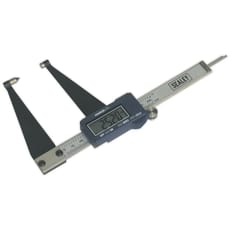
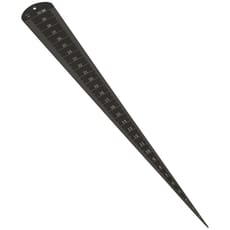
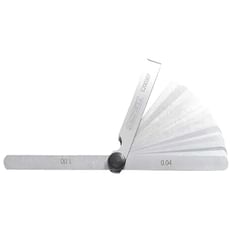
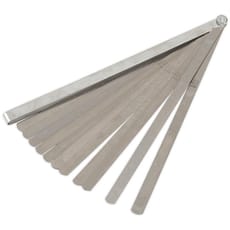
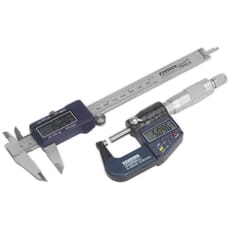
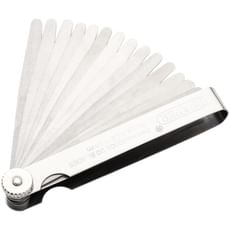
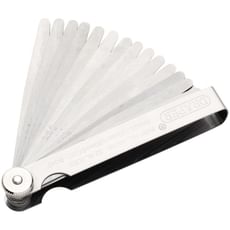
 Loading...
End of content
Error - No more pages to load
About Precision Measuring
Precision measuring tools are fundamental instruments that enable engineers, machinists, and skilled tradespeople to achieve accuracy down to fractions of a millimetre. Whether you're inspecting manufactured components, setting up machine tools, or verifying critical dimensions in quality control, these specialised instruments provide the accuracy and repeatability that standard measuring tools simply cannot deliver. From vernier callipers and micrometers to dial indicators and engineer's squares, precision measuring equipment forms the backbone of accurate metalworking, engineering, and quality assurance processes across British industry.
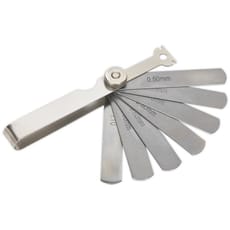
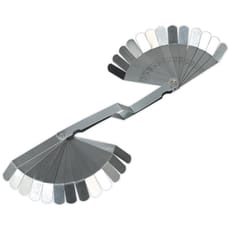
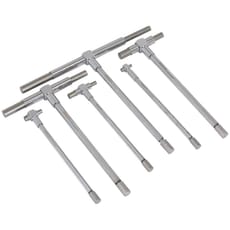
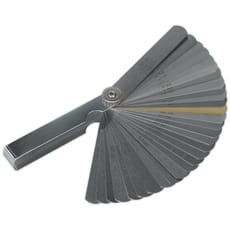
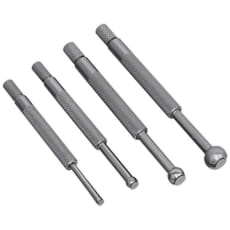
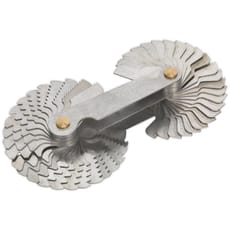
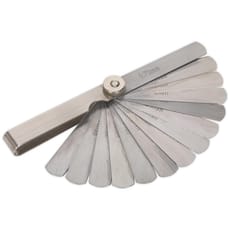
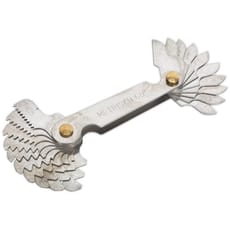
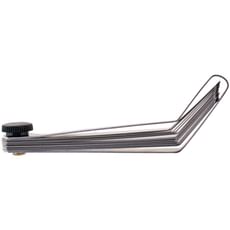
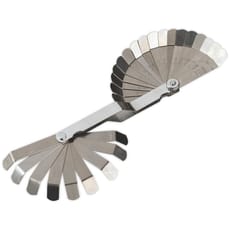
The comprehensive range at Tooled-Up.com includes everything from fundamental tools like combination sets and feeler gauges through to more specialised equipment such as height gauges, telescopic gauges, and screw pitch gauges. These instruments are manufactured to exacting standards, often calibrated to BS EN ISO specifications, ensuring measurements you can trust for critical applications. Whether you're working in a workshop environment, on-site, or in a quality control laboratory, having the right precision measuring tools means the difference between acceptable tolerances and costly rework.
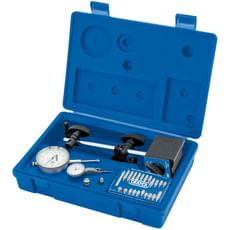
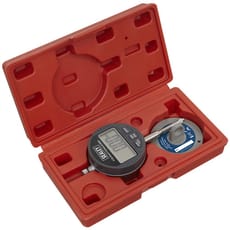
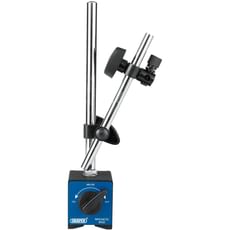
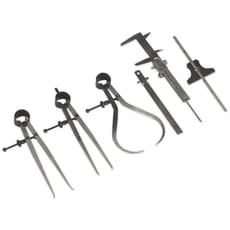
Many of these tools work together as part of a complete measurement system. Magnetic stands hold dial indicators securely whilst measuring runout or surface variations, dividers transfer dimensions accurately, and spring callipers provide quick checks on turned components. Understanding which tools suit your specific applications ensures efficient, accurate work and helps maintain the high standards expected in modern manufacturing and engineering sectors throughout the UK.
Jargon Buster
- Vernier Scale: A secondary scale that slides alongside the main scale, allowing measurements to be read to a higher degree of precision – typically to 0.02mm or 0.001 inches. Named after French mathematician Pierre Vernier, this ingenious system enables accurate interpolation between graduation marks on callipers and height gauges.
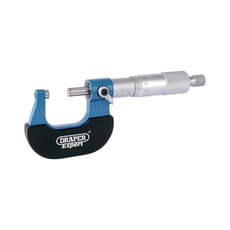
- Micrometer Resolution: The smallest increment a micrometer can measure, typically 0.01mm (10 microns) for standard metric micrometers. Digital versions may offer even finer resolution, though actual accuracy depends on the instrument's quality and calibration status.
- DRO (Digital Read Out): Electronic display systems that provide instant numerical readings, eliminating the need to interpret graduated scales. Particularly useful in poor lighting conditions or when speed is essential, with many offering data output capabilities for quality records and traceability.
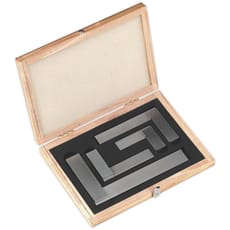
- Parallelism: The condition where two surfaces remain equidistant at all points. Engineer's squares and height gauges are essential for verifying parallelism in machined components, critical for proper assembly and function in precision engineering work.
- TIR (Total Indicator Reading): Also called Total Indicator Runout, this measurement describes the full range of variation shown by a dial indicator when checking rotating components or surfaces. Essential for assessing shaft straightness, bearing concentricity, and spindle accuracy in machine tool setup.
- Datum Surface: A precisely flat reference surface from which all measurements are taken. Surface plates, engineer's squares, and properly prepared machine beds serve as datum surfaces, ensuring measurement consistency and accuracy throughout inspection processes.
Who Uses Precision Measuring?
Precision measuring equipment serves a diverse range of skilled professionals and applications across British industry:
- Machinists and CNC Operators: Daily use of micrometers, vernier callipers, and dial indicators for setting up machines and verifying machined dimensions to tight tolerances in production and jobbing workshops.
- Tool and Die Makers: Require the full range of precision instruments for creating and maintaining moulds, dies, jigs, and fixtures where accuracy is paramount to component quality.
- Quality Control Inspectors: Use calibrated measuring equipment throughout manufacturing processes to ensure components meet specification and industry standards, maintaining ISO compliance and customer requirements.
- Automotive Engineers: Measure engine components, verify clearances, and check tolerances during rebuilds, performance modifications, and restoration projects on vehicles from classic cars to modern machinery.
- Fabricators and Welders: Use engineer's squares, combination sets, and height gauges for accurate marking out and verifying fabrication accuracy in structural steelwork and bespoke metalwork projects.
- Mould Makers: Depend on precision instruments to achieve the exacting tolerances required for injection moulding and die-casting applications in plastics manufacturing.
- Model Engineers and Hobbyists: Scale modelling and precision hobby work demands the same accuracy as industrial applications, just on smaller scales for steam engines, clocks, and intricate mechanisms.
- Apprentices and Trainees: Learning proper measurement techniques with quality instruments forms the foundation of engineering skills in technical colleges and apprenticeship programmes across the UK.
- Maintenance Engineers: Assess wear, check bearing clearances, and verify component dimensions during equipment servicing and repair in factories, facilities, and industrial plants.
How to Choose the Right Precision Measuring
Accuracy Requirements: Consider the tolerances you're working to. General engineering work to ±0.1mm suits standard vernier callipers, whilst precision toolmaking demanding ±0.01mm accuracy requires quality micrometers or digital instruments. Always choose tools with resolution finer than your required tolerance – a good rule is measurement equipment accurate to one-tenth of your tolerance specification.
Measurement Range: Micrometers typically cover 25mm ranges (0-25mm, 25-50mm, etc.), requiring multiple instruments for varied work. Vernier callipers offer greater versatility with single instruments measuring up to 300mm or more. Consider your typical workpiece sizes and whether fixed-range precision or versatile coverage better suits your needs.
Digital vs. Analogue: Digital instruments provide instant, clear readings and often include data output for quality records, whilst traditional vernier and dial instruments never need batteries and some tradespeople find them more intuitive. Digital tools excel in production environments and poor lighting, but analogue instruments often prove more robust in harsh workshop conditions with coolant and swarf present.
Build Quality and Calibration: Professional-grade instruments manufactured from hardened steel with carbide or ceramic measuring faces resist wear and maintain accuracy over years of use. Look for instruments supplied with calibration certificates traceable to UKAS standards – essential for quality-critical applications and ISO compliance in regulated industries. Budget tools may suffice for occasional DIY use, but daily professional work justifies investment in quality instruments from established manufacturers.
Environmental Considerations: Workshop temperature variations, coolant exposure, and swarf contamination affect instrument longevity. IP-rated digital instruments resist moisture and dust, whilst instruments with protective cases ensure safe storage between jobs. Magnetic stands need strong, stable bases for vibration-prone environments near lathes and milling machines.
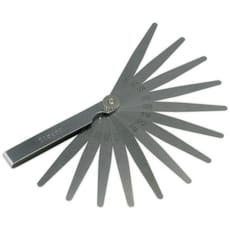
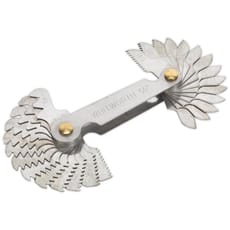
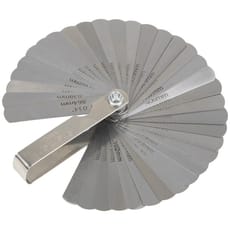
Specific Application Needs: Internal measurements require inside micrometers or telescopic gauges; depth measurements need depth micrometers or vernier depth gauges; angular measurements demand protractors or combination sets. Feeler gauges remain unmatched for checking small gaps and clearances, whilst screw pitch gauges quickly identify thread specifications on existing components. Match your toolkit to your actual measurement tasks rather than buying unnecessary equipment.
Popular Accessories
- Surface Plates: Precision-ground flat reference surfaces, typically cast iron or granite, providing the datum from which accurate measurements begin. Essential for serious measurement work and instrument calibration checks in workshops and quality control departments.
- Instrument Cases: Protective storage prevents damage to delicate measuring faces and maintains calibration accuracy. Many quality instruments include fitted cases, but additional protection helps when tools move between workshop locations or site work.
- Calibration Standards: Gauge blocks (slip gauges) and setting standards allow periodic accuracy verification and micrometer zeroing. Critical for maintaining measurement confidence in quality-controlled environments and ensuring traceability to national standards.
- Marker Fluids and Layout Dye: Engineer's blue and quick-drying layout fluids provide contrasting surfaces for scribed lines, making marked-out dimensions clearly visible on steel, aluminium, and other metal surfaces during fabrication.
- Scribers and Centre Punches: Work alongside measuring tools for accurate marking out. Spring-loaded automatic centre punches provide consistent marking depth without hammer strikes, ideal for drilling locations and layout work.
- Digital Calliper Interface Cables: Connect digital instruments to computers or printers for automated data collection, eliminating transcription errors and creating quality records for batch inspection and process control applications.
- Indicator Backs and Extensions: Additional stems, contact points, and mounting accessories expand dial indicator versatility for specialised measurement setups on machine tools and inspection fixtures.
- Cleaning Materials: Lint-free cloths, precision cleaning fluids, and light oils maintain instrument accuracy and protect against corrosion in the often damp British workshop environment. Regular cleaning prevents swarf buildup affecting measurements.
Safety Information
Whilst precision measuring instruments don't pose the same hazards as power tools, proper handling protects both users and expensive equipment:
Sharp Edges: Scribers, divider points, and some measuring faces feature sharp edges or points. Handle carefully to avoid puncture injuries, and always replace protective caps when instruments aren't in use. Store pointed tools securely to prevent accidental contact, particularly in shared workshop environments.
Proper Handling Technique: Never force measuring instruments – excessive pressure damages delicate components and produces inaccurate readings. Ratchet stops on micrometers and gentle pressure on callipers ensure consistent, safe measuring force. Dropped instruments often suffer permanent damage affecting accuracy, so always work over benches or soft surfaces when possible.
Temperature Considerations: Precision measurements require thermal stability. Handle instruments by insulated sections where provided, as body heat causes expansion affecting readings. Allow workpieces and instruments to stabilise to workshop temperature (ideally 20°C) before critical measurements. Be aware that rapid temperature changes can cause condensation on precision surfaces, potentially causing corrosion on unprotected steel components.
Workshop Environment: Keep measuring instruments away from machine tools during operation – swarf, coolant, and vibration cause damage. Establish a dedicated clean measurement area separate from machining zones. Never place instruments where they might fall or be struck by moving components or overhead crane loads.
Frequently Asked Questions
What's the difference between accuracy and resolution in measuring instruments?
Resolution refers to the smallest increment an instrument can display – for example, 0.01mm on a digital calliper. Accuracy describes how close measurements are to the true value, affected by calibration, build quality, and measurement technique. An instrument might display to 0.01mm (high resolution) but only be accurate to ±0.03mm due to manufacturing tolerances. Always check manufacturer specifications for both figures, and remember that proper calibration maintains accuracy over time. For critical quality control work, instruments should be calibrated to UKAS traceable standards annually.
How often should precision measuring equipment be calibrated?
Calibration frequency depends on usage intensity and accuracy requirements. Quality-critical environments following ISO 9001 typically calibrate annually, whilst heavy daily use may warrant six-monthly checks. Instruments that have been dropped, exposed to extreme temperatures, or show inconsistent readings require immediate recalibration. Many companies offer calibration services traceable to UKAS standards, essential for regulated industries including aerospace, medical devices, and automotive manufacturing. Light hobby use might only need occasional verification against known standards or gauge blocks.
Can I use digital callipers in a workshop environment with coolant and swarf?
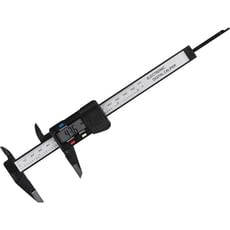
Standard digital callipers aren't designed for harsh environments – coolant ingress damages electronics and swarf scratches measuring faces. IP67-rated digital instruments offer water and dust resistance suitable for machine shop use, though they command premium prices. For general workshop measurement, traditional vernier callipers prove more robust and reliable, functioning perfectly in damp conditions typical of British workshops. Alternatively, browse the selection at Tooled-Up.com for dedicated digital instruments for inspection work away from machine tools, using hardened steel rules or basic callipers for rough workshop measurements.
Why do micrometers come in specific range increments rather than one adjustable tool?
Micrometers achieve superior accuracy through their fixed anvil design and fine-pitch screw threads. A 25mm range provides the optimum balance between measuring capacity and mechanical precision. Longer ranges would require longer spindles prone to flexing and wear, compromising the accuracy essential for precision engineering work. Whilst this means purchasing multiple micrometers for different size ranges, each instrument maintains the precision necessary for accurate measurement to 0.01mm or better. Vernier callipers offer greater range versatility where ultimate accuracy isn't critical, making them ideal for general workshop duties.
What maintenance do precision measuring tools require?
After each use, clean instruments with a lint-free cloth to remove fingerprints, oils, and debris. Apply a thin film of light instrument oil to steel components before storage, preventing corrosion in damp workshop conditions whilst avoiding thick greases that attract dirt and swarf. Store instruments in their protective cases away from temperature extremes and humidity. Never dismantle instruments – internal adjustments require specialist knowledge and equipment. Periodically verify accuracy against known standards or gauge blocks, and arrange professional calibration when discrepancies appear. Proper care ensures decades of reliable service from quality instruments.