

Pruning Saw Blades

Pay in 3 interest-free payments on purchases from £20-£3000 with  . Learn more.
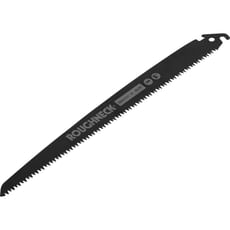
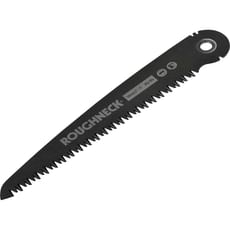
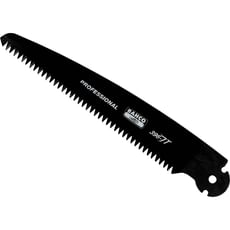
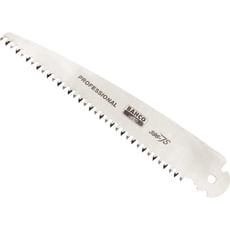
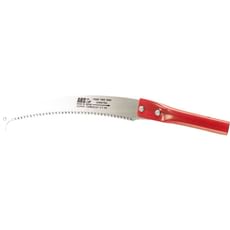
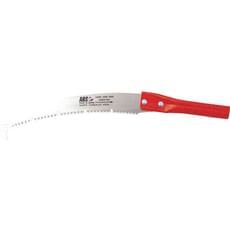
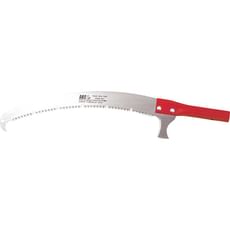
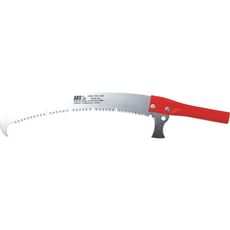



 Loading...
End of content
Error - No more pages to load
About Pruning Saw Blades
Pruning saw blades are essential replacement components designed to restore cutting performance to worn or damaged pruning saws and pole saws. Whether you're maintaining a professional arboricultural tool or refreshing a well-used garden pruning saw, having access to quality replacement blades ensures your equipment continues to deliver clean, efficient cuts through branches, limbs, and woody growth. Tooled-Up.com stocks replacement blades compatible with popular pruning saw systems from leading manufacturers including ARS, Bahco, DeWalt, Draper, and Roughneck, catering to both professional arborists and keen gardeners.
Available in various configurations including curved and straight profiles, these blades feature different tooth patterns optimised for specific cutting applications. Curved blades excel at cutting on the pull stroke and are particularly effective for overhead work with pole saws, whilst straight blades offer versatility for general pruning tasks. Tooth designs such as Turbocut and impulse-hardened patterns provide aggressive cutting action with reduced binding, making light work of green wood and seasoned timber alike. Blade lengths typically range from 340mm to 470mm, with compatibility for both hand-held pruning saws and extendable pole saw systems.
Regular blade replacement is crucial for maintaining cutting efficiency and reducing operator fatigue. A sharp blade requires less force, produces cleaner cuts that promote better tree healing, and significantly reduces the risk of accidents caused by excessive pressure or blade deflection. Investing in quality replacement blades from manufacturers like ARS and Bahco ensures consistent performance and extends the working life of your pruning equipment.
Jargon Buster
- Turbocut Tooth Pattern: An aggressive tooth design featuring specially shaped cutting edges that provide faster cutting action with reduced effort, particularly effective on green wood and allowing sawdust to clear efficiently from the kerf.
- Impulse Hardening: A heat treatment process applied to individual teeth that increases hardness and wear resistance whilst maintaining blade flexibility, resulting in longer-lasting cutting edges that retain sharpness through extended use.
- Tooth Pitch: The distance between teeth on a blade, typically measured in millimetres. Common pitches range from 3mm to 5mm, with larger pitches (fewer teeth per inch) suited to cutting green wood and smaller pitches providing smoother cuts on dry timber.
- Curved Blade Profile: A blade design that follows an arc, optimised for pull-stroke cutting and particularly advantageous when working overhead with pole saws, as it naturally engages the wood and requires less downward pressure.
- Chemical Nickeling: A corrosion-resistant surface treatment applied to blades that protects against rust and reduces friction during cutting, extending blade life and maintaining smooth operation in damp outdoor conditions.
- Kerf: The width of the cut made by the saw blade, determined by tooth set and blade thickness. A wider kerf reduces binding in green wood but requires more effort, whilst a narrower kerf cuts more efficiently but may bind in resinous timber.
Who Uses Pruning Saw Blades?
- Professional Arborists: Tree surgeons and climbing arborists who depend on reliable cutting equipment for daily tree maintenance, removal, and crown reduction work.
- Landscapers: Groundscare professionals maintaining estates, parks, and commercial properties who require efficient pruning tools for seasonal cutback and shaping work.
- Gardeners and Horticulturalists: Both professional and enthusiastic amateur gardeners who undertake regular pruning of fruit trees, ornamental shrubs, and hedgerows.
- Forestry Workers: Professionals involved in woodland management, coppicing, and timber production who need robust cutting equipment for various forestry applications.
- Groundskeepers: Maintenance staff responsible for parkland, golf courses, and large grounds who perform routine tree and shrub management.
- Agricultural Workers: Farm staff maintaining hedgerows, windbreaks, and orchard trees as part of land management activities.
- Local Authority Workers: Council teams responsible for maintaining public spaces, street trees, and communal green areas.
How to Choose the Right Pruning Saw Blades
Compatibility: The most critical factor is ensuring the replacement blade matches your existing saw system. Check the manufacturer and model number of your pruning saw – for example, ARS CT-34 blades fit EXP pole systems, whilst Bahco blades are model-specific to 396 HP or 396 JT saws. The Tooled-Up range includes blades for popular systems from major manufacturers, but always verify compatibility before purchasing.
Blade Length: Consider the typical diameter of branches you cut. Longer blades (400mm+) handle thicker limbs more efficiently but may be cumbersome in confined spaces, whilst shorter blades (300-350mm) offer better manoeuvrability for detail work and smaller growth. Match blade length to your most common applications.
Tooth Pattern and Pitch: Turbocut patterns with 4-5mm pitch excel at cutting green, sappy wood with minimal clogging, making them ideal for spring and summer pruning. Finer tooth pitches around 3-4mm provide smoother cuts on dry, seasoned wood and are better suited to winter pruning of dormant trees. Consider the seasonal nature of your work when selecting.
Blade Profile: Curved blades are specifically designed for pole saw work and overhead cutting, as they cut efficiently on the pull stroke. Straight blades offer more versatility for varied cutting angles when hand-held. If you primarily use pole-mounted systems, curved profiles will deliver superior performance and reduced fatigue.
Material and Treatment: Look for blades manufactured from high-carbon strip steel with appropriate surface treatments. Chemical nickeling provides excellent corrosion resistance for outdoor storage, whilst impulse-hardened teeth maintain sharpness significantly longer than untreated alternatives. Quality materials justify the investment through extended service life.
Brand Heritage: Established manufacturers like ARS, Bahco, and DeWalt have developed blade technologies through decades of professional use. Their replacement blades maintain the same quality standards as original equipment, ensuring consistent performance. Avoid generic alternatives that may compromise cutting efficiency and safety.
Popular Accessories
- Extension Poles: Telescopic and fixed-length poles that convert hand-held pruning saws into long-reach systems, available at Tooled-Up in various lengths from 2 to 5 metres.
- Pole Saw Heads: Complete blade and head assemblies that attach to standard extension poles, offering quick-change capability for different cutting applications.
- Blade Guards and Covers: Protective sheaths that safeguard blade teeth during storage and transport whilst preventing accidental injury.
- Pruning Saw Holsters: Belt-mounted carriers designed for safe storage whilst climbing or moving between cutting locations.
- Sharpening Files: Specialist saw files and sharpening tools for maintaining tooth sharpness and extending blade life between replacements.
- Cutting Loppers and Secateurs: Complementary cutting tools for smaller growth that doesn't require saw capacity.
- Safety Gloves: Cut-resistant work gloves providing hand protection during pruning operations and blade changes.
- Branch Hook Attachments: Accessories that help position and control branches during cutting, particularly useful for overhead work.
Safety Information
Pruning saw blades feature extremely sharp teeth capable of causing serious lacerations. Always wear appropriate cut-resistant gloves when handling or replacing blades, and ensure the saw is completely disconnected from any pole system before attempting blade changes. Store replacement blades in their protective packaging or guards to prevent accidental contact.
When installing new blades, verify that all securing mechanisms – whether screws, clips, or locking nuts – are properly tightened before use. Loose blades can detach during operation, creating significant injury risk. Inspect blade mounting points for wear or damage that might compromise secure attachment.
For overhead work with pole-mounted pruning saws, always wear appropriate head protection, safety glasses, and maintain awareness of falling debris. Ensure stable footing and consider the trajectory of cut branches before commencing work. The HSE recommends comprehensive risk assessment for all tree work, particularly when working at height or near powerlines.
Dispose of worn blades responsibly – teeth remain sharp even when cutting performance has degraded. Wrap exhausted blades in heavy cardboard or cloth before disposal to protect waste handlers. Never attempt to sharpen damaged or bent blades, as this compromises structural integrity and creates unpredictable cutting behaviour.
Frequently Asked Questions
How often should I replace my pruning saw blade?
Replacement frequency depends on usage intensity, but professional arborists typically replace blades every 3-6 months during active seasons. Key indicators include difficulty cutting green wood that previously cut easily, rough cuts that tear rather than slice cleanly, and visible damage to teeth such as bending or breaking. For occasional users, annual replacement at the start of pruning season ensures optimal performance.
Can I sharpen pruning saw blades instead of replacing them?
Whilst traditional hand saw blades can be sharpened, modern pruning saw blades featuring impulse-hardened teeth and complex tooth geometries like Turbocut patterns are designed as consumable items. The hardening process makes teeth extremely difficult to sharpen effectively with standard files, and attempting to do so often damages the precise tooth geometry that provides efficient cutting. Replacement rather than sharpening is the recommended approach.
Are curved blades better than straight blades for pole saws?
Curved blades are specifically engineered for pole saw applications and overhead work. The curved profile naturally pulls into the cut on the backstroke, requiring less downward pressure and reducing operator fatigue during extended overhead use. This design also helps prevent the blade jumping out of the cut. For pole-mounted systems, curved blades consistently outperform straight profiles, whilst straight blades offer advantages for hand-held use at varied angles.
Will blades from different manufacturers fit my pruning saw?
Pruning saw blades are generally manufacturer and model-specific, with proprietary mounting systems that prevent cross-compatibility. An ARS blade designed for EXP poles will not fit Bahco or Roughneck systems, and vice versa. Always verify the exact model compatibility before purchasing. The product descriptions at Tooled-Up clearly identify which saw models each replacement blade fits, ensuring you select the correct component.
What's the difference between tooth pitches, and which should I choose?
Tooth pitch (the spacing between teeth) significantly affects cutting performance. Larger pitches around 4-5mm feature fewer, more aggressive teeth that cut quickly through green, sappy wood with excellent sawdust clearance – ideal for spring and summer pruning. Finer pitches around 3-4mm provide smoother cuts with less tearing, better suited to dry or seasoned wood typically encountered during winter dormant pruning. Consider your primary cutting season and wood condition when selecting blade pitch.