

Ratchet Repair Kits
Pay in 3 interest-free payments on purchases from £30-2000 with  . Learn more.
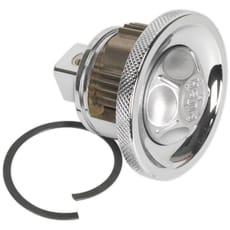
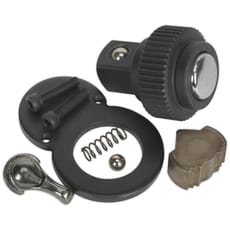
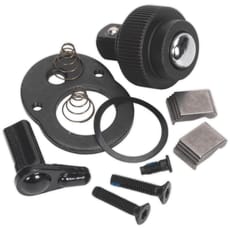
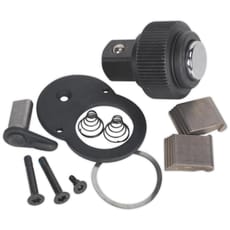
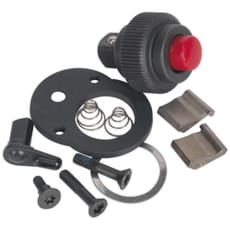
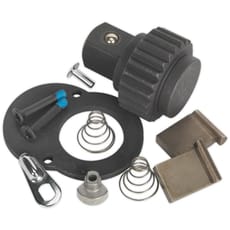
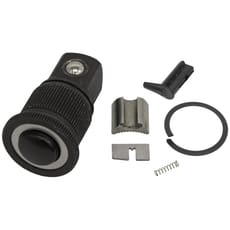
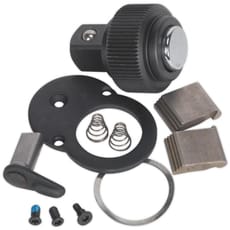
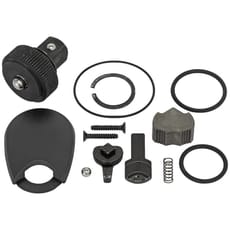
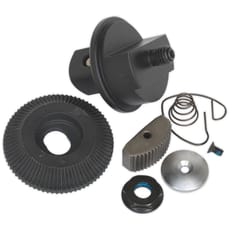
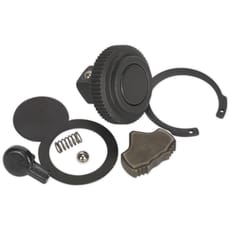
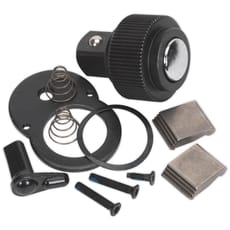
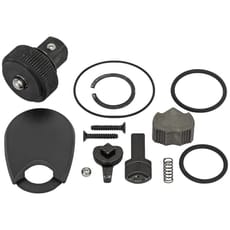
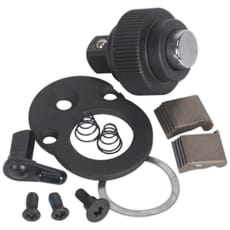
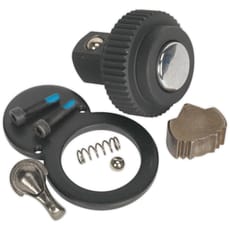
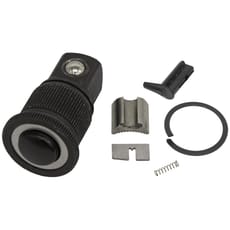
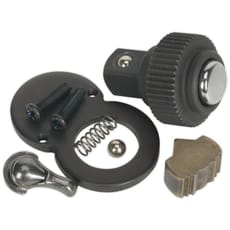
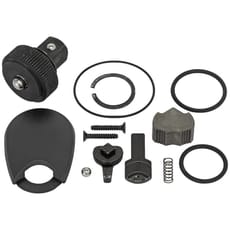
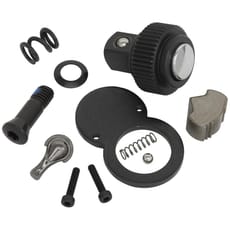
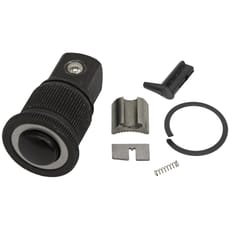
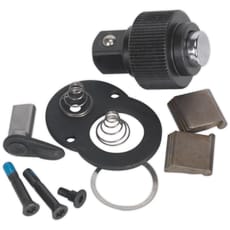
 Loading...
End of content
Error - No more pages to load
About Ratchet Repair Kits
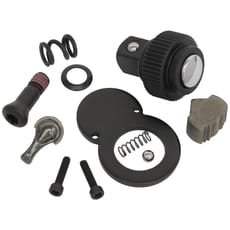
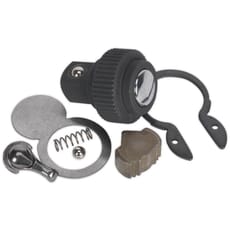
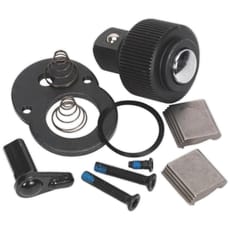
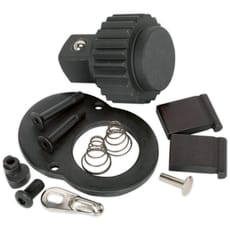
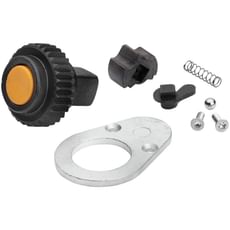
Ratchet repair kits are essential maintenance solutions designed to restore worn or damaged ratchet mechanisms back to full working order. Rather than replacing an entire ratchet wrench when the internal mechanism fails, these purpose-built kits contain all the necessary components to rebuild the tool, including springs, pawls, retaining rings, and other critical internal parts. This approach not only saves money but also reduces waste, making it an economical and environmentally responsible choice for professionals and serious DIY enthusiasts who rely on their tools daily.
The selection available from Tooled-Up.com features repair kits designed for specific ratchet models, primarily covering 1/4", 3/8", and 1/2" square drive sizes. Each kit is manufactured to match the exact specifications of particular ratchet models, ensuring precise fitment and reliable performance once installed. With brands like Sealey and Elora represented, these kits cater to a wide range of popular ratchet wrenches commonly found in professional tool collections across UK workshops, garages, and construction sites.
Understanding which repair kit corresponds to your specific ratchet model is crucial for successful maintenance. Most kits are clearly labelled with compatible model numbers, taking the guesswork out of the selection process. Whether you're maintaining a pear-head ratchet, a flexi-head design, or a standard fixed-head model, having the correct repair kit on hand means minimal downtime when your ratchet inevitably needs servicing after extensive use.
Jargon Buster
- Square Drive: The square-shaped socket attachment point on a ratchet, available in standard sizes of 1/4", 3/8", and 1/2". This measurement refers to the width of the square and determines which sockets will fit the ratchet.
- Pawl: The small pivoting tooth or lever inside a ratchet mechanism that engages with the gear teeth to allow movement in one direction while preventing reverse motion. When pawls wear out, the ratchet slips and requires replacement.
- Pear-Head Ratchet: A ratchet design featuring an oval or teardrop-shaped head that provides a slimmer profile than standard ratchets, allowing access to tighter spaces whilst maintaining strength.
- Flexi-Head Ratchet: A ratchet with a pivoting head that can be angled to access fasteners at awkward angles. The pivot mechanism contains additional components that may require specific repair kit parts.
- Gear Teeth: The internal toothed ring inside the ratchet head that the pawl engages with to create the ratcheting action. The number of teeth affects the swing arc required to advance the fastener.
- Retaining Ring: A spring clip or circlip that holds internal components in place within the ratchet head assembly. These often need replacing during repairs as they can become stretched or damaged during disassembly.
Who Uses Ratchet Repair Kits?
- Motor mechanics and automotive technicians who use ratchets extensively for vehicle maintenance and repair work
- Plant fitters and industrial maintenance engineers servicing machinery and equipment in manufacturing environments
- Agricultural engineers maintaining farm equipment and machinery in rural workshops
- HGV and plant maintenance technicians working with heavy vehicles and construction equipment
- Professional tradespeople including plumbers, heating engineers, and general maintenance contractors
- Tool hire companies and equipment rental businesses maintaining their tool inventory for commercial hire
- Motorcycle mechanics servicing bikes and maintaining precision tools
- Aviation and marine engineers who require reliable ratchets for specialist maintenance work
- Serious DIY enthusiasts and home mechanics who invest in quality tools and prefer to maintain rather than replace them
- Tool room managers and workshop supervisors responsible for maintaining professional tool collections
How to Choose the Right Ratchet Repair Kits
The most critical factor when selecting a ratchet repair kit is identifying your exact ratchet model number. Check the marking stamped or engraved on your ratchet body, typically found on the handle or head. Match this precisely to the kit's compatibility information, as internal components vary significantly even between similar-looking ratchets from the same manufacturer. Using an incorrect kit can result in poor fitment, continued malfunction, or potential safety hazards.
Consider the square drive size of your ratchet – 1/4", 3/8", or 1/2" – as this immediately narrows down your options. Larger drive sizes typically experience more stress and may require more frequent servicing, particularly in professional environments where tools see daily use. The repair kits at Tooled-Up stock components engineered to withstand the torque levels appropriate for each drive size.
Evaluate the quality and reputation of the repair kit manufacturer. Premium brands like Sealey produce kits with precisely manufactured components that meet or exceed original equipment specifications. Whilst genuine manufacturer repair kits might cost slightly more than generic alternatives, they ensure proper fitment and longevity, making them more economical in the long term for professional users who cannot afford tool failures on site.
Check what components are included in the kit before purchasing. Comprehensive kits contain all necessary parts including pawls, springs, retaining rings, and any washers or pins required for complete rebuild. Some basic kits may only include the most commonly worn components, which is adequate if you're addressing a specific known fault but less suitable for complete preventive maintenance.
Think about purchasing multiple kits if you maintain a fleet of identical ratchets, common in professional workshops or for contractors who equip multiple team members with matching tool sets. Having spare repair kits readily available minimises downtime and allows for planned preventive maintenance rather than reactive repairs when tools fail at inconvenient moments.
Popular Accessories
- Socket sets in matching square drive sizes to complement your maintained ratchets
- Ratchet handle extensions and adaptors to increase versatility of repaired tools
- Tool maintenance sprays and lubricants for cleaning and protecting ratchet mechanisms
- Precision screwdriver sets for disassembling ratchet heads during repair work
- Circlip pliers and retaining ring tools essential for removing and installing internal components
- Parts trays and magnetic bowls to organise small components during repair procedures
- Bench vices with soft jaws for securely holding ratchets during maintenance without damaging finishes
- Torque wrenches to complement your socket drive tool collection
- Tool storage solutions including foam inserts and socket organisers for workshop organisation
- Cleaning brushes and degreasing agents for preparing components before reassembly
Frequently Asked Questions
How do I know when my ratchet needs repairing?
Common signs include the ratchet slipping under load, failing to hold in one direction, producing grinding noises during operation, or feeling loose and imprecise when engaging. If the ratchet requires excessive force to change direction or the mechanism feels gritty, it's time for maintenance. Regular inspection and servicing before complete failure prevents being caught without a working tool during critical jobs.
Can I repair any ratchet with a generic kit?
No, ratchet repair kits are model-specific and must match your exact ratchet. Internal dimensions, tooth counts, spring tensions, and component shapes vary considerably between models and manufacturers. Using an incorrect kit results in poor performance or complete failure. Always verify your ratchet's model number and purchase the corresponding repair kit to ensure proper fitment and reliable operation.
How difficult is it to repair a ratchet using these kits?
With basic mechanical aptitude and the right tools, most ratchet repairs are straightforward. The process typically involves removing a retaining ring, disassembling the head, replacing worn components, and reassembling in reverse order. Working in a clean environment with good lighting is essential, as the parts are small and can be easily lost. Many manufacturers provide exploded diagrams or instructions. If you're uncomfortable with precision work, consider having a tool repair specialist perform the service.
How often should professional ratchets be serviced?
This depends on usage intensity and working conditions. Professional mechanics using ratchets daily in demanding environments should inspect them every 3-6 months and rebuild annually or when performance degrades. Weekend DIY users might only need servicing every few years. Exposure to dirt, moisture, or corrosive environments accelerates wear. Regular cleaning and light lubrication extends service intervals, whilst keeping spare repair kits on hand ensures quick turnaround when maintenance becomes necessary.
Are repair kits more economical than replacing the entire ratchet?
Absolutely. Quality ratchets from brands like Sealey represent significant investments, often costing £20-£60 or more depending on specification. Repair kits typically cost a fraction of this amount whilst restoring the tool to like-new condition. For professional users with multiple identical ratchets, maintaining tools through repairs rather than replacement delivers substantial cost savings over time whilst reducing waste and maintaining familiar, proven tools that tradespeople trust.