

Rebar Cutters
Pay in 3 interest-free payments on purchases from £30-2000 with  . Learn more.
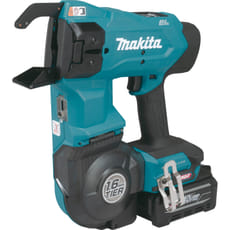
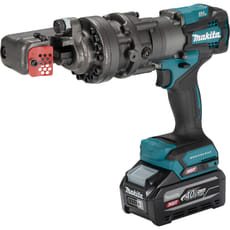
 Loading...
End of content
Error - No more pages to load
About Rebar Cutters
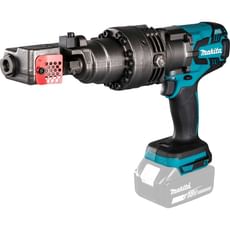
Rebar cutters and steel rod cutting tools are indispensable equipment for construction professionals working with reinforced concrete, structural steelwork, and metal fabrication across the UK. Modern cordless rebar cutters have transformed site operations, eliminating the need for cumbersome hydraulic equipment or labour-intensive manual cutting methods that demand considerable physical effort and time. These specialised power tools deliver clean, precise cuts through steel reinforcement bar and threaded rod with minimal effort, significantly enhancing productivity on construction sites whilst reducing operator fatigue during extended cutting sessions.
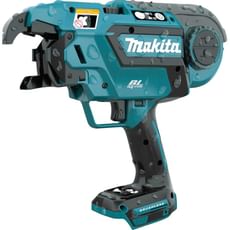
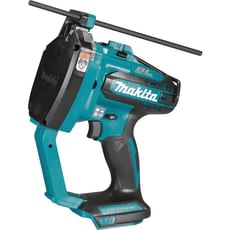
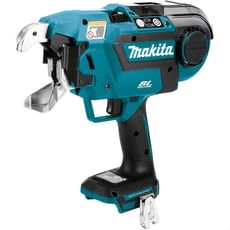
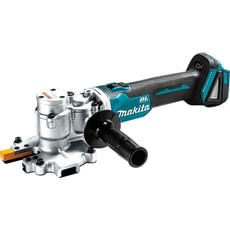
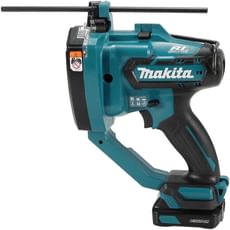
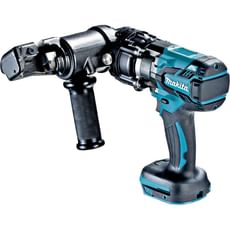
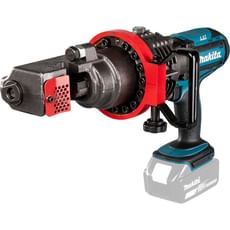
The selection at Tooled-Up.com includes various configurations to suit different applications: dedicated rebar cutters for thick steel reinforcement bar up to 16mm diameter, threaded rod cutters specifically designed for mechanical fixing applications that preserve thread integrity, and versatile rebar tying tools that can secure steel reinforcement quickly and consistently before concrete pouring. Most professional-grade models operate on 18V lithium-ion battery platforms, offering excellent portability and eliminating trailing leads on busy construction sites, whilst newer 40V XGT models from Makita provide even greater cutting power for the most demanding applications.
Leading manufacturers like Makita and DeWalt have developed comprehensive ranges featuring brushless motor technology for enhanced efficiency and extended runtime. Many models include LED work lights for improved visibility in poorly lit conditions, ergonomic handles designed to reduce operator fatigue during repetitive cutting operations, and tool-free blade changes that minimise downtime when maintenance is required. Whether you're working on foundations, structural frames, concrete reinforcement, or mechanical installations requiring threaded rod, investing in a quality rebar cutter delivers substantial time savings and reduces the physical strain associated with manual cutting methods or traditional bolt croppers.
Jargon Buster
- Brushless Motor: Advanced motor technology that eliminates carbon brushes, resulting in approximately 50% longer tool life, improved efficiency, reduced maintenance requirements, and better battery runtime compared to traditional brushed motors. Brushless tools generate less heat and deliver more consistent power throughout the battery discharge cycle.
- LXT (Lithium-ion eXtreme Technology): Makita's established 18V battery platform offering high capacity, faster charging times, and compatibility across their extensive cordless tool range. LXT batteries feature built-in protection against overloading, over-discharging, and overheating, with capacities ranging from 3.0Ah to 6.0Ah for extended runtime.
- XGT (Next Generation Technology): Makita's 40V battery platform engineered for maximum power output and superior runtime, designed for the most demanding professional applications. XGT tools deliver power comparable to 240v corded equivalents whilst maintaining cordless convenience.
- Cutting Capacity: The maximum diameter of steel rebar or threaded rod that a cutter can sever in a single operation, typically measured in millimetres. Common capacities range from M6 threaded rod up to 16mm diameter rebar for professional cordless models, with cutting capacity directly affecting battery consumption per cut.
- XR (eXtreme Runtime): DeWalt's premium range of brushless cordless tools engineered for maximum efficiency, extended battery life, and enhanced durability in demanding site conditions. XR tools incorporate intelligent electronics that optimise performance and protect against overload conditions.
- Rebar Tying Tool: Specialised equipment that automatically twists wire around intersecting rebar to secure reinforcement in position before concrete pouring, replacing manual tying with pliers and saving considerable time on larger projects. Professional tying tools can complete ties in under one second, dramatically improving productivity for steel fixers.
Who Uses Rebar Cutters?
Rebar cutters and steel rod cutting tools are invaluable across various construction trades and applications:
- Steel Fixers: Professionals specialising in placing and securing reinforcement bar in concrete structures rely heavily on rebar cutters and tying tools for their daily work, processing hundreds of cuts per project
- General Builders: Construction firms working on foundations, ground beams, and reinforced concrete elements benefit from the speed and precision these tools provide when preparing reinforcement schedules
- Groundworkers: Teams installing foundations, retaining walls, and concrete bases use rebar cutters regularly for preparing reinforcement cages and cutting bar to exact specifications on site
- Structural Engineers: Site-based engineers and contractors working with steel reinforcement in structural applications, particularly when modifications are required during construction
- Mechanical & Electrical Contractors: Tradespeople installing heavy equipment, cable management systems, and structural supports using threaded rod fixings for secure mounting applications
- Demolition Contractors: Professionals who need to cut through exposed rebar during dismantling and renovation projects, often in confined spaces where manual methods prove impractical
- Facilities Maintenance Teams: Building maintenance personnel who occasionally work with reinforced concrete repairs or structural modifications requiring steel reinforcement cutting
- Serious DIY Enthusiasts: Homeowners undertaking substantial building projects such as extensions, foundations, or structural renovations requiring steel reinforcement preparation
How to Choose the Right Rebar Cutters
Cutting Capacity: Determine the maximum diameter of steel you'll be cutting regularly. Professional cordless models typically handle 10mm to 16mm rebar, which covers most UK construction applications including standard reinforcement schedules. If you're primarily cutting smaller threaded rod or studding (M6 to M12), a dedicated threaded rod cutter will deliver cleaner cuts whilst preserving thread integrity, which is essential for mechanical fixings.
Battery Platform: Consider which cordless system you already use. If you have existing Makita LXT or DeWalt XR batteries and chargers, staying within the same platform eliminates additional investment in new battery systems and simplifies on-site logistics. The 18V platforms offer the best balance of power and runtime for professional use, whilst 12V CXT tools suit lighter-duty applications with reduced weight for overhead work. For maximum power, Makita's 40V XGT platform delivers performance equivalent to 240v corded tools.
Motor Technology: Brushless motors deliver superior efficiency, approximately 50% longer runtime per battery charge, and extended tool life compared to brushed alternatives. Whilst brushless models command a premium price, they're worthwhile investments for professional tradespeople who depend on their tools daily. The reduced maintenance requirements and improved durability offset the initial cost difference within the first year of regular use.
Frequency of Use: Daily professional use demands robust construction, brushless technology, and higher capacity batteries (5.0Ah or above) to ensure uninterrupted workflow. Tooled-Up stocks models suitable for occasional users or those working on smaller projects, where more affordable options with standard batteries provide adequate performance without the premium price tag associated with flagship models.
Cutting Speed and Productivity: Professional-grade models complete cuts through 12mm rebar in 2-4 seconds, dramatically improving productivity when processing large quantities of reinforcement. Check manufacturer specifications for cuts-per-charge figures to gauge real-world performance and battery requirements for your typical workday. High-capacity 6.0Ah batteries significantly extend operating time between charges.
Ergonomics and Weight: Rebar cutting often involves repetitive operations throughout the day, sometimes in awkward positions within formwork or reinforcement cages. Tools with well-balanced designs, comfortable grips, and reasonable weight (typically 3-5kg with battery) reduce operator fatigue and improve cutting accuracy. Side handles and trigger positioning affect control and comfort during extended use, particularly when cutting overhead or in confined spaces.
Additional Features: LED work lights prove invaluable in poorly lit conditions or when working inside formwork and excavations. Tool-free blade changes minimise downtime and don't require special tools on site, whilst lock-off switches prevent accidental activation during transport. Some models include belt hooks or carry handles for improved portability around busy sites, and reversible cutting heads that extend blade life.
Popular Accessories
- Spare Batteries: Additional high-capacity batteries (4.0Ah to 6.0Ah) ensure uninterrupted workflow on larger projects. Having charged spares eliminates downtime waiting for batteries to recharge during the working day, essential for productivity on commercial sites.
- Replacement Cutting Blades: Cutting blades wear with use and require periodic replacement to maintain clean cutting performance and prevent excessive battery drain. Keep spare blades on hand to avoid project delays when blades become dull, particularly when cutting galvanised or harder steel grades.
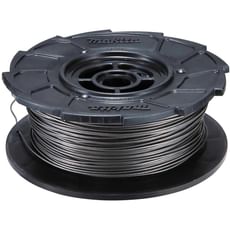
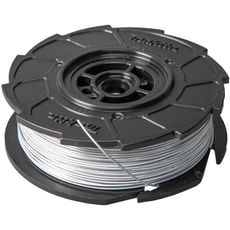
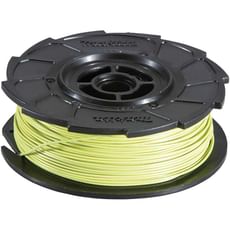
- Rebar Tie Wire: Essential consumable for rebar tying tools, available at Tooled-Up in standard, galvanised, and poly-coated variants. Wire spools are designed for specific tying tool models and come in various lengths for different project requirements, with coated wire offering improved corrosion resistance.
- Battery Chargers: Fast chargers and multi-bay charging stations keep batteries ready for use throughout the working day. Dual-port chargers prove particularly valuable for busy contractors who need multiple batteries charged simultaneously, whilst DC chargers enable charging from vehicle power supplies on remote sites.
- Tool Bags and Cases: Purpose-designed carry cases protect your investment during transport and storage whilst keeping batteries, chargers, and accessories organised together. Many cases feature customised foam inserts that secure tools and prevent damage during transit.
- Cutting Oil and Lubricants: Regular maintenance with appropriate lubricants extends blade life and ensures smooth operation, particularly important when cutting galvanised or stainless steel materials. Proper lubrication reduces friction and heat build-up during cutting operations.
- High-Capacity Battery Packs: Premium 6.0Ah batteries provide maximum runtime for demanding applications, delivering up to 400 cuts through 12mm rebar on a single charge. These batteries incorporate advanced cell technology for improved performance in cold weather conditions.
Safety Information
Personal Protective Equipment: Always wear appropriate safety glasses or goggles conforming to EN166 standards to protect against metal fragments and debris generated during cutting. Steel-toed safety boots meeting EN ISO 20345 standards and heavy-duty work gloves provide essential protection when handling cut rebar ends, which can be extremely sharp and cause serious lacerations. High-visibility clothing conforming to EN ISO 20471 is essential when working on active construction sites.
Work Area Safety: Ensure adequate space around your working area and keep bystanders at a safe distance during cutting operations. Metal fragments can travel several metres when cutting under tension, particularly when severing reinforcement in existing structures. Check that rebar is properly supported and won't spring or move unexpectedly when cut, especially when severing pieces under load. Never attempt to cut energised electrical conduit or materials that may contain concealed services.
Tool Maintenance: Inspect cutting blades before use and replace any that show signs of damage, excessive wear, cracking, or deformation. Damaged blades can shatter during operation, creating serious hazards from flying metal fragments. Follow manufacturer guidelines for blade installation and ensure all guards and safety features are in place and functioning correctly before use. Regular cleaning and lubrication maintains optimal performance and safety.
Electrical Safety: Although cordless tools eliminate many electrical hazards associated with 240v equipment, ensure batteries are in good condition without damage to casings or contacts. Only use chargers in dry locations away from site water and weather exposure, and never charge damaged batteries. Follow HSE guidelines for power tool use on construction sites, and ensure electrical equipment used for charging meets current regulations.
Manual Handling: Rebar cutters typically weigh 3-5kg with batteries fitted. Use proper lifting techniques conforming to HSE manual handling guidance and take regular breaks during extended cutting sessions to prevent muscle strain and repetitive strain injuries. Position work at comfortable heights wherever possible to reduce bending and awkward postures, particularly when processing large quantities of reinforcement.
COSHH Considerations: Cutting galvanised steel generates zinc oxide fumes that can be harmful if inhaled. Ensure adequate ventilation when cutting galvanised materials, particularly in confined spaces, and consider respiratory protection where ventilation is insufficient. Cutting operations may also generate metal dust and particulates that should be managed appropriately.
Frequently Asked Questions
Can I use a rebar cutter to cut threaded rod and studding?
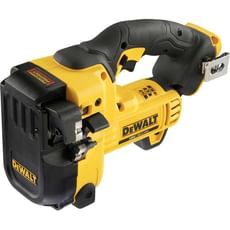
Whilst some rebar cutters can handle threaded rod, dedicated threaded rod cutters are specifically designed for this application and deliver cleaner cuts without damaging the threads. Threaded rod cutters feature shearing mechanisms optimised for preserving thread integrity, which is essential for mechanical fixings that must accept nuts without requiring thread cleaning. The DeWalt DCS350 and Makita DSC102, available from Tooled-Up, are purpose-built for threaded rod applications. Check your specific model's capabilities in the manufacturer's specifications before attempting to cut threaded materials.
How many cuts can I expect from a single battery charge?
Battery performance varies depending on battery capacity (measured in Ah), material diameter, and steel grade being cut. Professional 18V models with 5.0Ah batteries typically deliver 200-400 cuts through 12mm rebar on a single charge under optimal conditions. Larger diameter materials (16mm) consume significantly more power and reduce the number of cuts per charge by approximately 40-50%. Cold weather conditions also reduce battery performance compared to specifications tested at room temperature, with capacity potentially dropping by 20-30% in winter site conditions. Harder steel grades and galvanised materials also consume more power per cut.
Do I need different tools for rebar and threaded rod?
Dedicated threaded rod cutters and rebar cutters are optimised for their specific applications, delivering superior results in their intended use. Threaded rod cutters preserve thread integrity and produce clean cuts on studding and threaded bar without burrs that would prevent nuts from threading on smoothly, whilst rebar cutters handle the greater shearing forces required to sever solid steel reinforcement bar efficiently. Some contractors working regularly with both materials invest in both types for optimal performance, though many rebar cutters can handle occasional threaded rod cutting. Review your typical workload to determine whether specialised tools are justified by the volume of work.
Are brushless rebar cutters worth the extra cost?
For professional tradespeople using these tools daily, brushless technology delivers significant advantages including approximately 50% longer runtime per charge, extended tool life often exceeding twice that of brushed equivalents, reduced maintenance with no brush replacement required, and improved cutting speed. The premium typically pays for itself within the first year through increased productivity and reduced downtime. Occasional users may find brushed motor alternatives provide adequate performance at lower initial cost, though brushless technology has become the standard for professional cordless tools and offers better long-term value.
Can cordless rebar cutters handle stainless steel reinforcement?
Most professional cordless rebar cutters are designed primarily for mild steel reinforcement bar conforming to BS 4449 standards. Stainless steel is significantly harder and more challenging to cut, potentially reducing blade life by 60-70% and battery runtime substantially compared to mild steel. Check manufacturer specifications before attempting to cut stainless steel, as some models explicitly exclude harder materials from their warranty coverage. For regular stainless steel cutting, specialised blades or alternative cutting methods such as abrasive cutting may be more appropriate and cost-effective.