
Replacement Parts

Pay in 3 interest-free payments on purchases from £20-£3000 with  . Learn more.
Loading...
End of content
Error - No more pages to load
About Replacement Parts
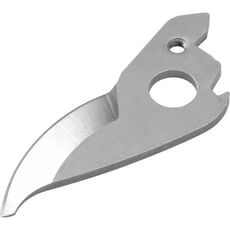
Maintaining gardening tools in peak condition is essential for achieving professional results and prolonging the lifespan of quality equipment. Replacement parts for secateurs and pruning tools enable gardeners and professionals to restore worn or damaged implements to factory-fresh performance without the expense of purchasing entirely new tools. From precision-ground blades to tension springs and complete repair kits, these components ensure that essential cutting tools continue to deliver clean, accurate cuts that promote healthy plant growth.
The selection at Tooled-Up.com includes genuine replacement parts from leading manufacturers including Gardena, Bosch Home and Garden, Spear and Jackson, Wilkinson Sword, and Kew Gardens. These OEM (Original Equipment Manufacturer) components are designed to exact specifications, guaranteeing perfect compatibility with their corresponding secateurs and pruning shears. Whether replacing a dulled blade on Gardena 8701 or 8702 secateurs, fitting a new spring to Wilkinson Sword Razorcut Pro models, or installing complete blade and spring kits for Spear and Jackson tools, genuine parts maintain the precision engineering and cutting performance that professional gardeners and horticulturists depend upon.
Investing in replacement parts rather than disposing of quality tools represents both environmental responsibility and economic sense. High-quality secateurs and pruning shears feature robust frames and mechanisms that outlast their consumable components. By replacing worn blades and springs as needed, gardeners can continue using familiar, well-balanced tools for decades whilst reducing waste and maintaining consistent cutting performance across seasons.
Jargon Buster
- Bypass Blade: A cutting blade that passes closely alongside a fixed counter-blade, creating a scissor-like cutting action. This design produces clean cuts ideal for live stems and branches, minimising tissue damage and promoting faster healing.
- Anvil Blade: A single sharp blade that closes onto a flat anvil surface, crushing whilst cutting. Particularly effective for dead wood and harder materials, though can cause more tissue damage on live growth than bypass designs.
- OEM Parts: Original Equipment Manufacturer components produced by or for the brand that manufactured the tool. OEM parts guarantee exact fitment and performance specifications compared to aftermarket alternatives.
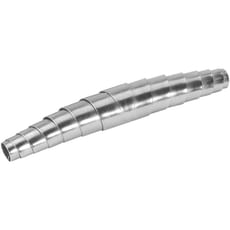
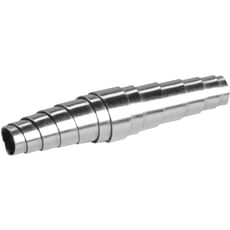
- Tension Spring: The spring mechanism that returns secateur blades to the open position after each cut. Spring tension affects cutting comfort and control, with worn springs causing sluggish operation and hand fatigue.
- Blade Hardness: Measured on the Rockwell scale, blade hardness determines edge retention and durability. Quality secateur blades typically range from 52-58 HRC (Hardness Rockwell C-scale), balancing sharpness retention with chip resistance.
- PTFE Coating: A low-friction coating applied to some replacement blades that reduces sap adhesion and corrosion whilst allowing smoother cutting action through dense or resinous plant material.
Who Uses Replacement Parts?
- Professional Gardeners and Landscapers: Maintaining tool performance across demanding daily workloads where blade sharpness directly impacts productivity and cut quality
- Commercial Horticulturists: Managing large plant collections in nurseries, garden centres, and botanical gardens where precise, clean cuts prevent disease transmission
- Arborists and Tree Surgeons: Keeping hand pruning tools in optimal condition for detailed crown work and precision trimming
- Parks and Grounds Maintenance Teams: Servicing fleet tools used across municipal landscapes, ensuring consistent performance across multiple operatives
- Vineyard and Orchard Managers: Maintaining specialist pruning equipment used in fruit production where cut quality affects crop yields
- Allotment Holders and Serious Amateur Gardeners: Extending the life of quality tools through proper maintenance and timely component replacement
- Garden Restoration Specialists: Working on heritage gardens and estates where attention to proper pruning technique preserves valuable specimen plants
How to Choose the Right Replacement Parts
Verify Model Compatibility: Always cross-reference part numbers and model designations before purchasing. Gardena springs, for example, are manufactured for specific secateur ranges (343, 600-604, 607, 608, etc.), and using incorrect components can compromise tool performance and safety. Consult manufacturer documentation or check existing part markings to ensure exact matches.
Choose Genuine OEM Components: Whilst aftermarket parts may appear economical, genuine manufacturer components available from Tooled-Up guarantee precise tolerances, correct material specifications, and reliable performance. OEM blades maintain the exact angles, hardness ratings, and coatings that the tool was designed around, ensuring optimal cutting action and longevity.
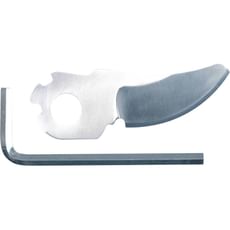
Consider Complete Repair Kits: When replacing blades, evaluate whether accompanying springs and fixings also require renewal. Complete repair kits like those available for Spear and Jackson and Kew Gardens secateurs provide all necessary components in one package, ensuring balanced performance and eliminating the need for multiple orders as related parts wear.
Assess Blade Condition Indicators: Replace blades when they no longer hold a sharp edge after honing, show visible chips or cracks, or create ragged cuts that tear plant tissue. Don't wait until blades fail completely—degraded cutting performance increases effort required and can damage valuable plants.
Match Replacement Frequency to Usage Intensity: Professional users working daily may require blade replacement several times per season, whilst occasional gardeners might maintain performance for years. Monitor cut quality rather than adhering to arbitrary schedules, replacing components based on actual performance degradation.
Popular Accessories
- Sharpening Stones and Diamond Files: Maintain blade edges between replacements, extending component life and maintaining cut quality
- Tool Maintenance Oil: Lubricates pivot points and protects replacement blades from corrosion, particularly important when tools are stored between seasons
- Cleaning Brushes and Sap Removers: Keep replacement blades free from resinous deposits that interfere with cutting action and accelerate wear
- Replacement Bolts and Fasteners: Secure new blades properly with correct specification fixings that maintain precise blade alignment
- Tool Pouches and Holsters: Protect refurbished tools during transport and site work, preventing damage to newly installed components
- Blade Guards and Sheaths: Safeguard sharp replacement blades when tools are not in use, preventing injury and edge damage
Frequently Asked Questions
How often should I replace secateur blades?
Replacement frequency depends on usage intensity and maintenance practices. Professional gardeners working daily may need new blades every few months, whilst occasional users might achieve several years of service. Replace blades when they no longer produce clean cuts after sharpening, show visible damage, or require excessive force during cutting. Regular cleaning and proper storage significantly extend blade life.
Can I fit replacement parts from different manufacturers?
Generally no—secateur components are manufacturer and often model-specific. Blade dimensions, fixing hole positions, spring tensions, and pivot mechanisms vary considerably between brands and even within product ranges from the same manufacturer. Always use genuine replacement parts designed for your specific tool model to ensure proper fit, safe operation, and optimal cutting performance.
Are replacement parts more economical than buying new tools?
For quality secateurs and pruning tools, replacement parts represent excellent value. Premium tools from manufacturers like Gardena, Bosch, and Wilkinson Sword feature durable frames and mechanisms that far outlast their consumable blades and springs. A £5-15 replacement blade restores a £40-80 tool to factory condition, whilst also maintaining the familiar balance and feel that experienced users prefer.
Do I need special tools to fit replacement parts?
Most replacement blades and springs can be fitted using basic tools—typically just a screwdriver or Allen key to remove retaining bolts. However, some models require specific techniques to correctly tension springs or align blade mechanisms. Consult manufacturer fitting instructions, and if uncertain, consider having parts professionally fitted at tool servicing centres to avoid damaging components or compromising safety.
Will replacement blades affect tool warranty?
Fitting genuine OEM replacement parts typically maintains warranty coverage, as this constitutes normal maintenance. However, using aftermarket components or incorrect parts may void warranties. Always verify warranty terms before undertaking repairs, and retain proof of purchase for both original tools and replacement components to support any future warranty claims.