

Replacement Parts

Pay in 3 interest-free payments on purchases from £20-£3000 with  . Learn more.
Loading...
End of content
Error - No more pages to load
About Replacement Parts
Keeping tools and equipment in optimal working condition is essential for both professional tradespeople and dedicated DIY enthusiasts. Rather than replacing entire tools when components wear out or become damaged, replacement parts offer a cost-effective and sustainable solution. From blades and belts to switches and seals, having access to genuine manufacturer replacement parts ensures tools continue to perform as intended whilst extending their operational lifespan considerably.
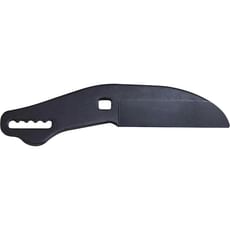
Tooled-Up.com stocks replacement parts for a comprehensive range of power tools, hand tools, garden equipment, and machinery from leading manufacturers. Whether you need a replacement blade for loppers, cutting discs for angle grinders, carbon brushes for power tools, or bearings for workshop machinery, sourcing the correct replacement component maintains tool performance and safety standards. Using manufacturer-approved parts is particularly important for maintaining warranties and ensuring compatibility with existing equipment.
Quality replacement parts represent a sound investment that prevents unnecessary waste and reduces the total cost of ownership for professional-grade tools. For tradespeople whose livelihoods depend on reliable equipment, maintaining a selection of commonly needed replacement components minimises downtime on site. Similarly, DIY enthusiasts can breathe new life into well-loved tools by replacing worn components rather than discarding otherwise functional equipment.
Jargon Buster
- OEM Parts - Original Equipment Manufacturer parts are genuine components made by the same company that manufactured the original tool, ensuring perfect compatibility and quality standards.
- Universal Fit - Replacement parts designed to work across multiple tool models or brands, offering versatility though potentially not the exact specification of original components.
- Carbon Brushes - Small carbon blocks that conduct electrical current to the rotating parts of power tools; these wear down over time and require periodic replacement to maintain motor performance.
- Consumable Parts - Components designed to wear out during normal use and require regular replacement, such as blades, filters, belts, and sandpaper.
- Service Kit - A pre-packaged collection of replacement parts commonly needed for routine maintenance, often including seals, springs, gaskets, and other small components.
- Model Number Compatibility - The specific tool model designation that confirms whether a replacement part will fit correctly; essential information when ordering components to avoid incorrect purchases.
Who Uses Replacement Parts?
Replacement parts are essential for a wide range of professionals and users:
- Carpenters and joiners who regularly replace saw blades, router bits, and planer blades
- Electricians requiring replacement components for power tools and testing equipment
- Groundskeepers and landscapers needing blades, belts, and cutting components for garden machinery
- Plumbers maintaining pipe cutters, threading equipment, and power tools
- Tool hire companies keeping rental equipment in serviceable condition
- Workshop and maintenance technicians servicing machinery and equipment across various industries
- DIY enthusiasts maintaining home workshop tools and garden equipment
- Construction contractors keeping site equipment operational and minimising project delays
- Manufacturing facilities with preventative maintenance programmes requiring scheduled component replacement
How to Choose the Right Replacement Parts
Selecting the correct replacement part requires careful attention to several key factors:
Identify the exact model number of your tool or equipment, typically found on the rating plate or manufacturer's label. This ensures the replacement part will fit correctly and function as intended. Even minor variations between model years can affect compatibility.
Choose genuine manufacturer parts whenever possible, particularly for critical safety components or items affecting tool performance. Whilst pattern parts may offer cost savings, genuine OEM components guarantee quality standards and maintain warranty coverage.
Consider the part's function and wear characteristics - some components like blades and filters are consumables requiring frequent replacement, whilst others such as motors and gearboxes should last for years. The range at Tooled-Up includes both regular maintenance items and more specialist components.
Check electrical specifications carefully for powered components. In the UK, ensure replacement switches, motors, and electrical parts are rated for 240v operation and comply with relevant BS/EN safety standards.
Assess whether a service kit might be more economical than individual parts. When performing maintenance, replacing multiple wear items simultaneously often proves more cost-effective than piecemeal repairs.
Verify dimensions and specifications match your requirements exactly. Pay particular attention to measurements (in millimetres), thread sizes, shaft diameters, and any mounting hole spacing to avoid ordering incompatible components.
Popular Accessories
Complementary items frequently purchased alongside replacement parts include:
- Assembly grease and lubricants for fitting components
- Thread-locking compounds and adhesives for secure installation
- Cleaning solutions and degreasers for preparing surfaces
- Precision measuring tools for verification
- Specialist tools and keys for disassembly
- Protective coatings and rust prevention treatments
- Storage cases and organisers for spare parts inventory
- Maintenance manuals and technical documentation
- Safety equipment including gloves and eye protection for installation work
Frequently Asked Questions
How do I find the correct replacement part for my tool?
Locate the model number on your tool's rating plate or housing, then consult the manufacturer's parts diagram or contact technical support. Most manufacturers provide exploded diagrams showing individual components with corresponding part numbers, making identification straightforward.
Are pattern parts as good as genuine manufacturer replacements?
Quality varies considerably between pattern part suppliers. Genuine OEM parts guarantee compatibility and performance standards, whilst reputable third-party alternatives can offer good value. For critical safety components or items affecting tool performance, genuine parts remain the recommended choice.
Will fitting replacement parts myself void my warranty?
This depends on the manufacturer's terms and the component involved. Replacing consumable items like blades typically doesn't affect warranties, but dismantling sealed units or electrical components might. Always check warranty terms before undertaking repairs, particularly on newer equipment.
How often should I replace carbon brushes in power tools?
Carbon brushes typically require replacement after 50-100 hours of use, though this varies by tool and application. Many tools feature automatic cut-off when brushes wear down to minimum safe length. Signs include reduced power, increased sparking visible through ventilation slots, or intermittent operation.
Can I use replacement parts from different tool brands interchangeably?
Generally no, as manufacturers use proprietary designs and specifications. However, some universal accessories like certain saw blades, sanding discs, or drill bits may fit multiple brands if they share standard fittings. Always verify compatibility before purchasing to avoid disappointment.