

Roofing Tools

Pay in 3 interest-free payments on purchases from £20-£3000 with  . Learn more.
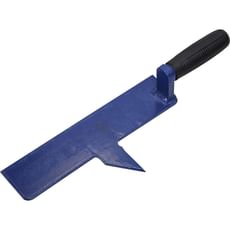
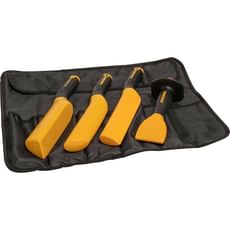
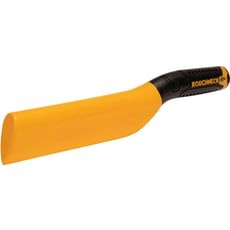
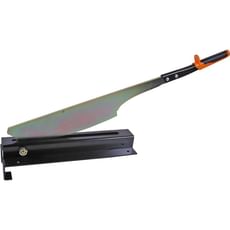
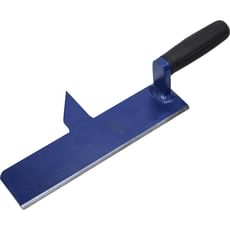
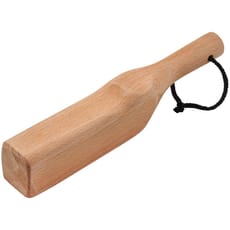
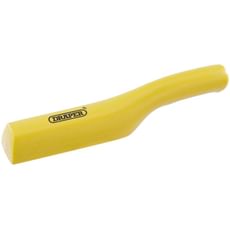
 Loading...
End of content
Error - No more pages to load
About Roofing Tools
Roofing work demands specialist tools designed to cut, shape, and manipulate traditional roofing materials with precision and efficiency. Whether working with natural slate, lead flashing, or clay tiles, having the right equipment is essential for achieving professional results whilst working safely at height. The range of roofing tools at Tooled-Up.com includes everything from traditional hand tools that have served roofers for generations to modern innovations that make difficult tasks more manageable.
Traditional slate roofing remains popular across the UK, particularly in conservation areas and period properties, requiring specific tools for cutting, ripping, and fitting. Lead work is another skilled trade requiring dedicated dressers and bossing tools to shape flashings, valleys, and weatherings. These specialist roofing tools are built to withstand the demanding conditions of site work, featuring robust construction and ergonomic designs that reduce fatigue during repetitive tasks.
Professional roofers understand that investing in quality tools not only improves the finish of their work but also increases productivity and reduces the risk of material wastage. From preparing reclaimed slates to creating neat lead soakers, the right tool for each specific task makes all the difference between adequate workmanship and true craftsmanship.
Jargon Buster
- Slate Ripper
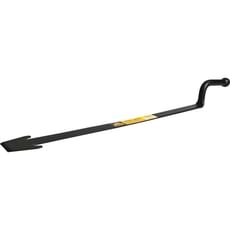
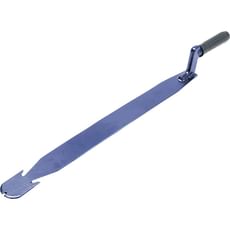
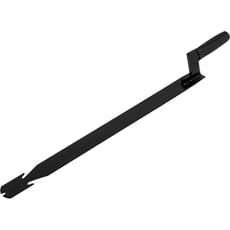
- A long-handled tool with a hooked blade used to remove broken or damaged slates from a roof by cutting through the fixing nails without disturbing surrounding slates.
- Lead Dresser
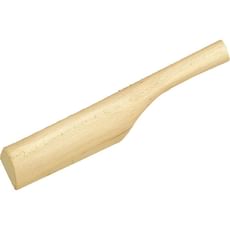
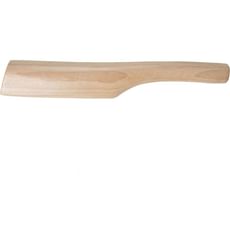
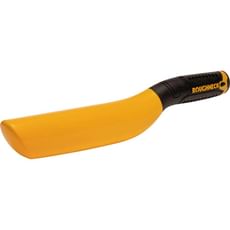
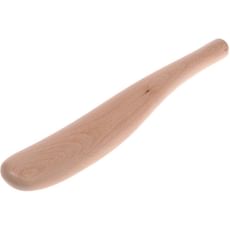
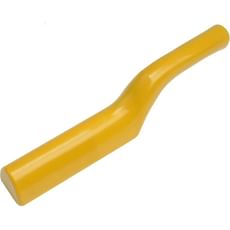
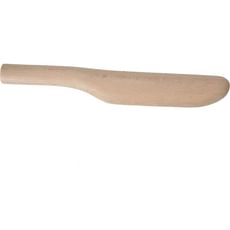
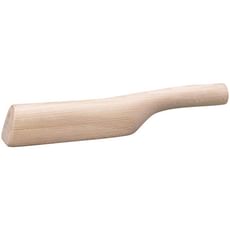
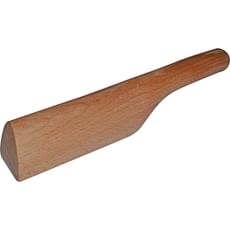
- A wooden or plastic mallet-like tool used to shape and dress lead sheet into corners, angles, and profiles without damaging or splitting the material.
- Slate Cutter
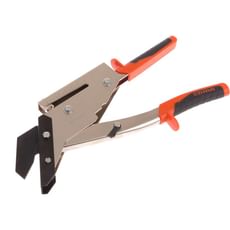
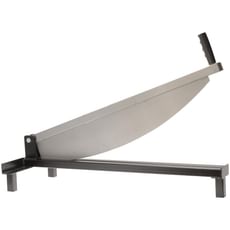
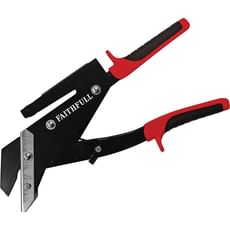
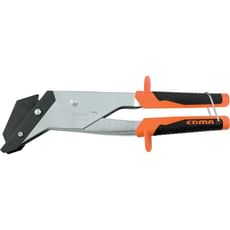
- A specialised cutting tool, either guillotine-style or punch-type, designed to cut natural or artificial slate to size with clean, accurate edges.
- Lead Bossing Mallet
- A traditional wooden mallet used for shaping and working lead sheet, typically made from boxwood or similar dense timber to provide the right amount of force without marking.
- Tingles
- Metal strips or clips used to secure replacement slates when the original fixing holes are no longer accessible or when working with reclaimed materials.
Who Uses Roofing Tools?
Roofing tools are essential equipment for a diverse range of construction professionals and skilled tradespeople:
- Roofing Contractors – Specialists in all aspects of pitched and flat roofing work
- Heritage Restoration Specialists – Craftspeople working on listed buildings and conservation projects
- General Builders – Contractors undertaking extension and renovation work involving roofing elements
- Plumbers – For lead flashing work around chimneys, dormers, and penetrations
- Property Maintenance Teams – Council and housing association maintenance crews carrying out roof repairs
- Architectural Salvage Businesses – Professionals reclaiming and preparing salvaged roofing materials
- Competent DIY Enthusiasts – Homeowners tackling their own roof repairs and maintenance on smaller projects
How to Choose the Right Roofing Tools
Selecting appropriate roofing tools depends on several practical considerations that affect both performance and value for money:
Material Type: Different roofing materials require specific tools. Natural slate cutters differ from those designed for fibre cement or synthetic slates. Lead work demands dedicated dressers and bossing tools, whilst clay tiles may need different cutting equipment altogether. Match your tools to the materials you work with most frequently.
Build Quality and Durability: Roofing tools take considerable punishment from repetitive use and exposure to the elements. Look for solid construction with hardened cutting edges, robust handles, and weather-resistant finishes. Tools from established manufacturers typically offer better longevity, making them more cost-effective over time despite higher initial investment.
Ergonomics and Comfort: Working on roofs is physically demanding, and poor tool design can lead to fatigue and strain. Consider handle comfort, tool weight, and balance, particularly for equipment you'll use repeatedly throughout the day. Tools with cushioned grips and well-designed leverage points reduce hand fatigue significantly.
Professional vs Occasional Use: Tradespeople working daily need professional-grade tools with the durability to withstand constant use. Occasional users or those handling smaller repair jobs may find mid-range options offer adequate performance at better value. However, safety-critical equipment should never be compromised on quality.
Blade Design and Adjustment: For cutting tools, examine blade quality, sharpness, and replaceability. Some slate cutters offer adjustable cutting angles or thickness settings, whilst others are fixed. Consider what adjustment features benefit your typical work patterns.
Popular Accessories
Complement your roofing tools with these essential accessories available from Tooled-Up:
- Replacement Blades – Spare cutting blades for slate cutters and rippers to maintain cutting performance
- Tool Lanyards and Tethers – Essential safety equipment for preventing dropped tools when working at height
- Measuring and Marking Tools – Tape measures, chalk lines, and marking gauges for accurate material preparation
- Safety Harnesses and Fall Protection – Critical PPE for safe working on pitched roofs
- Tool Pouches and Belts – Keep essential tools accessible whilst working on the roof
- Roofing Squares and Set Squares – For marking accurate angles and cuts
- Workwear and Gloves – Specialist roofing gloves and knee pads for protection and comfort
- Storage Solutions – Tool bags, boxes, and organisers from Stanley, DeWalt, and Milwaukee for secure tool transportation
Safety Information
Roofing work presents significant safety risks that must be carefully managed. Always observe HSE guidance for working at height, including proper fall protection equipment and edge protection systems. Never work on roofs in wet, icy, or windy conditions that increase slip risks.
When using cutting tools like slate cutters and rippers, wear appropriate eye protection to guard against flying fragments. Cut-resistant gloves protect hands from sharp edges on slate, lead, and metal fixings. Ensure all tools are properly maintained with sharp, undamaged cutting edges – blunt tools require excessive force and increase accident risk.
Use tool lanyards or tethers to prevent tools falling from height, which poses serious risks to people below. Store tools securely when not in use and never leave equipment loose on roof surfaces. Lead work requires awareness of lead safety – avoid creating dust, use barrier cream, and wash hands thoroughly before eating or drinking.
Frequently Asked Questions
What's the difference between a slate ripper and a slate cutter?
A slate ripper is used for removing damaged slates by cutting through the fixing nails whilst they're still on the roof, featuring a long handle with a hooked blade. A slate cutter is used to cut new or salvaged slate to size before installation, operating like a guillotine or punch to create clean edges. Both are essential tools serving completely different purposes in roofing work.
Can I use regular mallets for lead work?
Standard construction mallets are unsuitable for leadwork as they can damage, split, or mark the lead sheet. Proper lead dressers and bossing mallets are made from specific materials like boxwood or high-density plastic that shape the lead through controlled force without causing harm. Using the correct tool ensures professional results and prevents costly material wastage.
How do I maintain slate cutting tools?
Keep cutting blades clean and free from resin build-up using a wire brush or blade cleaner. Check for blade sharpness regularly and replace blunt blades promptly – forcing cuts with dull blades damages both the tool and materials. Store tools in dry conditions to prevent rust, and apply a light oil to metal components. Inspect handles and pivot points for wear, tightening any loose fixings before use.
Are roofing tools suitable for DIY use?
Competent DIY enthusiasts can successfully use roofing tools for smaller repair projects, though working at height always requires proper safety precautions and equipment. Start with straightforward tasks like replacing individual damaged slates before attempting more complex lead work. However, extensive roofing work, structural repairs, or work on steep pitches should be left to professional roofing contractors with appropriate training, insurance, and safety equipment.
Which roofing tools do I need for basic slate repairs?
For basic slate repair work, you'll need a slate ripper for removing damaged slates, a slate cutter for sizing replacements, a claw hammer for nailing, and tingles or clips for securing slates where original fixings are inaccessible. Add a tape measure, chalk line, and appropriate safety equipment including a harness, and you'll be equipped for straightforward slate replacement jobs. More extensive work may require additional specialist tools.