

Rubber Mallets

Pay in 3 interest-free payments on purchases from £20-£3000 with  . Learn more.
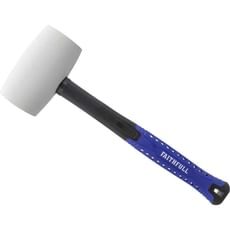
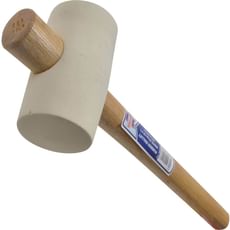
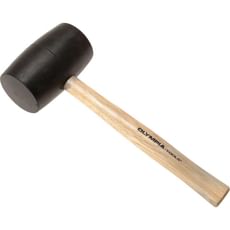
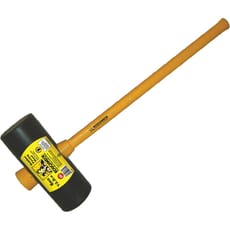

 Loading...
End of content
Error - No more pages to load
About Rubber Mallets
Rubber mallets are essential non-marring striking tools designed to deliver controlled force without damaging delicate surfaces or workpieces. Unlike traditional metal hammers, rubber mallets feature soft, resilient heads that absorb impact energy, making them indispensable for assembly work, positioning materials, and applications where surface protection is paramount. The rubber head compresses on impact, distributing force across a wider area whilst minimising rebound, giving the user better control and reducing fatigue during repetitive striking tasks.
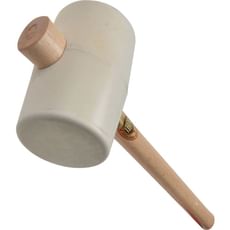
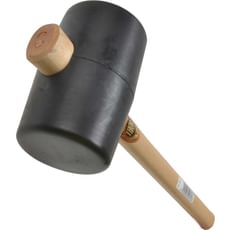
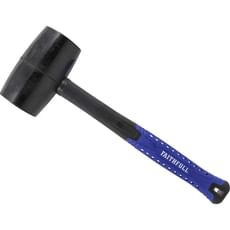
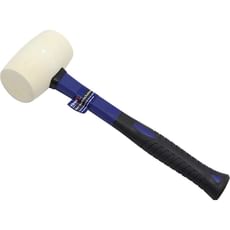
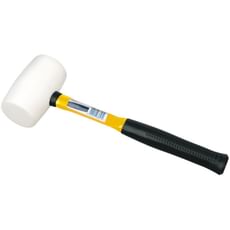
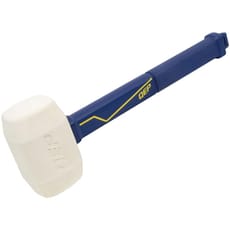
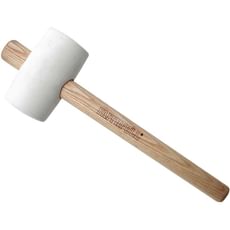
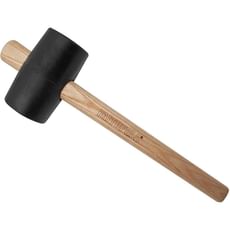
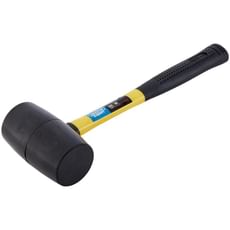
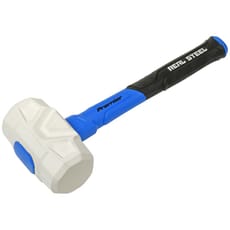
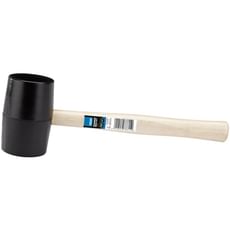
Tooled-Up.com stocks rubber mallets from leading manufacturers including Faithfull, Draper, Sealey, and Thor, offering a comprehensive selection to suit both professional tradespeople and DIY enthusiasts. Available in various head weights ranging from lightweight 8oz models for delicate work through to heavy-duty 32oz versions for more demanding applications, these mallets come with different handle materials including traditional hardwood shafts and modern fibreglass handles that offer enhanced durability and shock absorption. Both black and white rubber heads are available, with white rubber being particularly popular for applications where marking or staining must be avoided.
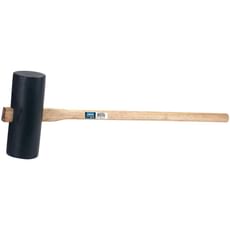
The range at Tooled-Up includes specialist variants such as combination mallets featuring dual black and white heads, paving mallets with larger striking surfaces for landscaping work, and professional-grade models with FSC-certified wooden handles for environmentally conscious purchasers. Whether you're fitting laminate flooring, positioning paving slabs, assembling furniture, or working with sheet metal, there's a rubber mallet suited to your specific requirements.
Jargon Buster
- Non-Marring: A material property that prevents the tool from leaving marks, scratches, or dents on the workpiece surface. Rubber mallets are classic non-marring tools, making them ideal for finishing work and delicate materials.
- Rebound: The bounce-back effect when a hammer strikes a surface. Rubber mallets have minimal rebound compared to metal hammers, allowing more energy to transfer into the workpiece and giving the user better control over each strike.
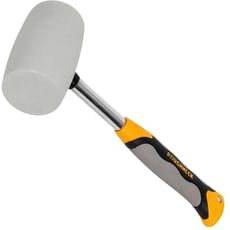
- Fibreglass Shaft: A modern handle material that offers superior strength-to-weight ratio compared to wood, with excellent shock absorption properties and resistance to weathering, splitting, and breaking under heavy use.
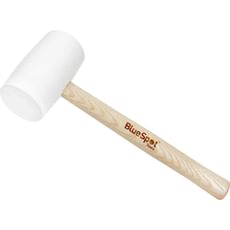
- White Rubber Head: A lighter-coloured rubber that won't leave black marks on pale surfaces such as tiles, worktops, or painted materials. Essential for decorative work where surface appearance is critical.
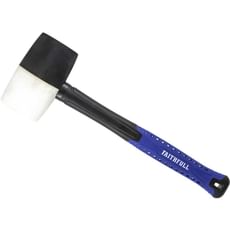
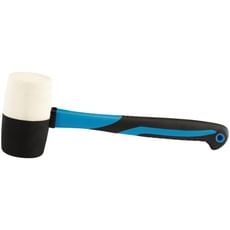
- Combination Mallet: A double-ended mallet featuring different materials on each face, typically black rubber on one side and white rubber on the other, providing versatility without needing to switch tools.
- FSC Certified: Forest Stewardship Council certification indicates the wooden handle comes from responsibly managed forests that meet strict environmental and social standards.
Who Uses Rubber Mallets?
- Flooring Fitters: For positioning laminate, engineered wood, and vinyl planks without damaging edges or decorative surfaces
- Furniture Assemblers: Essential for tapping dowels, cam locks, and joining components during flat-pack assembly
- Landscapers and Groundworkers: For bedding paving slabs, adjusting block paving, and positioning edging stones
- Sheet Metal Workers: To shape and position metal without leaving dents or hammer marks
- Carpenters and Joiners: For assembling timber joints, positioning chisels, and general woodworking tasks
- Automotive Technicians: For fitting trim, repositioning panels, and working with bodywork without causing damage
- Tile Setters: To bed tiles into adhesive and adjust positioning without cracking or marking surfaces
- Upholsterers: For fitting frames and components where metal hammers would be too aggressive
- DIY Enthusiasts: General home improvement, garden projects, and assembly work
- Jewellers and Craftspeople: Lightweight models for delicate forming and assembly work
How to Choose the Right Rubber Mallets
Head Weight: Consider the force required for your typical applications. Lighter mallets (8-16oz) suit delicate assembly work and small-scale projects, whilst heavier models (24-32oz) are better for paving, heavy timber work, and applications requiring more striking force. A mid-weight 16oz mallet represents a versatile all-rounder for general use.
Head Colour: White rubber heads are essential when working with light-coloured materials such as white tiles, painted surfaces, or pale timber where black marking would be unacceptable. Black rubber is perfectly adequate for most general applications and typically offers slightly greater durability. Combination mallets with both colours provide maximum versatility.
Handle Material: Traditional hardwood handles offer good shock absorption and a familiar feel appreciated by many tradespeople, whilst fibreglass shafts deliver superior durability, weather resistance, and won't split or work loose over time. Fibreglass handles are particularly recommended for heavy daily use or site work in demanding conditions.
Handle Length: Standard handle lengths around 300-350mm suit most applications, providing a good balance of control and striking power. Consider your typical working environment—longer handles generate more force but require more clearance space, whilst shorter handles offer better control in confined areas.
Head Attachment Method: Look for mallets where the head is securely fixed to the shaft, either through a fixed pin design or threaded attachment. Cheaper mallets may have heads that work loose over time, reducing effectiveness and creating a safety hazard.
Brand Quality: Professional-grade mallets from established manufacturers like Faithfull, Draper Expert, and Thor offer superior rubber compounds that maintain their properties over thousands of strikes, whilst budget options may harden or degrade more quickly. For regular professional use, investing in quality tools available from Tooled-Up will prove more economical long-term.
Popular Accessories
- Tool Belts and Pouches: Keep your rubber mallet within easy reach during flooring or assembly work
- Knee Pads: Essential comfort protection when fitting floors or paving where you're using a mallet whilst kneeling
- Tapping Blocks: Used in conjunction with rubber mallets for fitting laminate and engineered wood flooring
- Chisels and Bolsters: Often used together with rubber mallets for masonry and woodworking tasks
- Spirit Levels: Check positioning accuracy when bedding paving or tiles with a mallet
- Safety Glasses: Protect eyes from debris when striking chisels or working with masonry
- Work Gloves: Reduce vibration transmission and improve grip during extended mallet use
- Tool Bags and Storage: Protect your mallet and keep your toolkit organised on site or in the workshop
Safety Information
Inspect Before Use: Always check your rubber mallet before use. Look for cracks, splits, or chunks missing from the rubber head, as damaged heads can shed debris or deliver uneven strikes. Examine the handle for splits, cracks, or looseness where it joins the head. A loose head presents a significant hazard and should be repaired or the tool replaced immediately.
Wear Appropriate PPE: When using rubber mallets with chisels, on masonry, or in any application that may generate flying debris, always wear safety glasses or goggles. Work gloves can help reduce vibration fatigue during extended use and improve grip, particularly important if handles become slippery.
Strike Correctly: Always strike squarely with the flat face of the mallet head. Glancing blows or striking with the edge can damage both the tool and workpiece. Ensure you have stable footing and adequate clearance for your swing, particularly important when using heavier mallets that could cause injury if you lose control.
Use the Right Tool: Don't exceed the design limitations of your rubber mallet. These tools are not designed for striking metal tools with hardened faces (use a metal hammer instead) or for demolition work requiring greater impact force. Using the wrong tool increases risk of injury and tool failure.
Frequently Asked Questions
What's the difference between black and white rubber mallet heads?
The primary difference is marking potential. White rubber heads are specifically designed for use on light-coloured surfaces where black rubber might leave marks—such as white tiles, painted surfaces, or pale timber. Black rubber is perfectly suitable for general applications and often offers marginally better wear resistance. Both types deliver the same non-marring striking performance, so your choice depends mainly on what materials you work with regularly.
Can I use a rubber mallet for striking chisels?
Yes, rubber mallets work well with wooden-handled chisels and are particularly suitable for bench chisels used in furniture making and joinery. However, for heavy-duty masonry chisels and bolsters, a club hammer or lump hammer is more appropriate as it delivers greater force. The rubber mallet's softer impact makes it ideal for controlled paring cuts and delicate woodworking applications.
How long should a rubber mallet last?
With proper use and care, a quality rubber mallet should provide years of service. Professional-grade models from reputable manufacturers feature rubber compounds designed to resist hardening, cracking, and degradation over thousands of strikes. Lifespan depends heavily on usage intensity—a tradesperson using a mallet daily will naturally replace tools more frequently than an occasional DIY user. Store mallets out of direct sunlight and extreme temperatures to maximise rubber head longevity.
Are fibreglass handles better than wooden ones?
Both handle types have merits. Fibreglass handles offer superior durability, won't split or rot, require no maintenance, and provide excellent shock absorption. They're particularly advantageous for site work in variable weather conditions. Traditional wooden handles offer a familiar feel many tradespeople prefer and good natural shock absorption, though they can eventually work loose or split with heavy use. For professional daily use, fibreglass typically offers better long-term value, whilst wooden handles remain popular for lighter use and traditional workshop environments.
What weight rubber mallet do I need for laminate flooring?
For laminate and engineered wood flooring installation, a medium-weight mallet around 16oz (454g) is ideal. This provides sufficient force to close joints securely when used with a tapping block, without being so heavy that you risk damaging the plank edges or locking mechanisms. White rubber heads are preferable to avoid any possibility of black marking on lighter-coloured flooring. Many professional flooring fitters keep both a standard rubber mallet and a dedicated flooring mallet in their toolkit.