

Sack Truck Trolleys

Pay in 3 interest-free payments on purchases from £20-£3000 with  . Learn more.
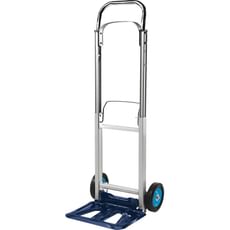
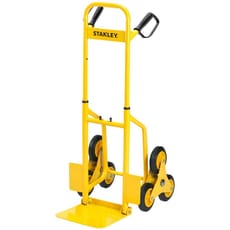
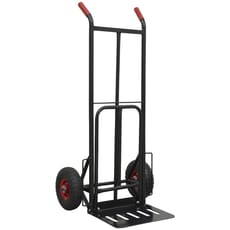
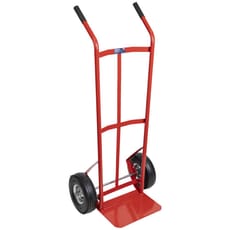
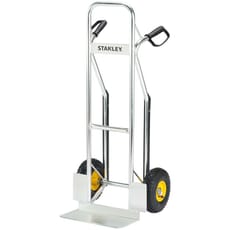
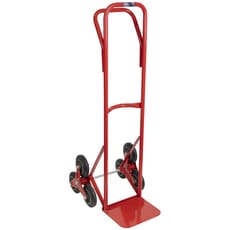
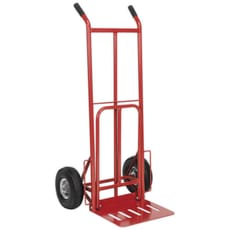
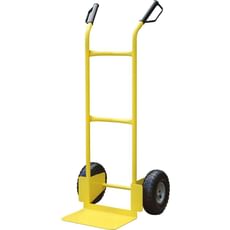
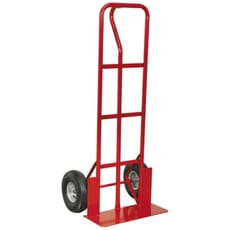
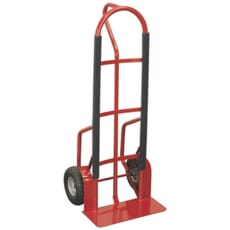
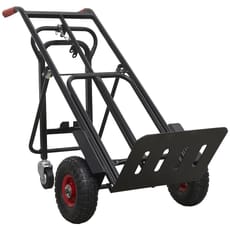
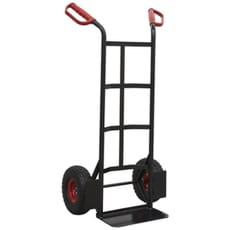
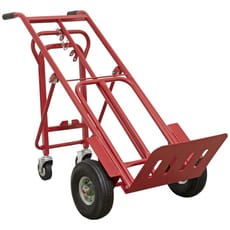
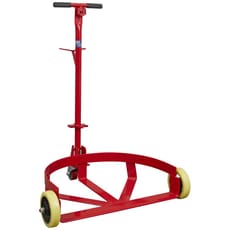
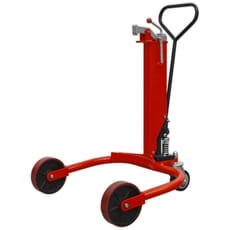
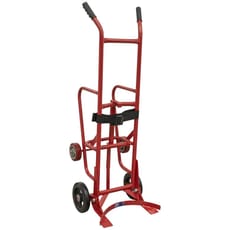
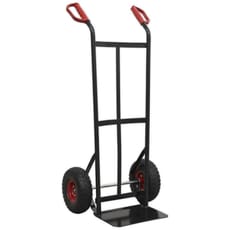
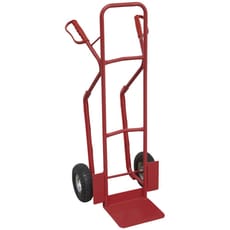
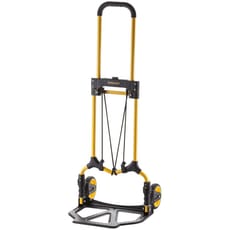
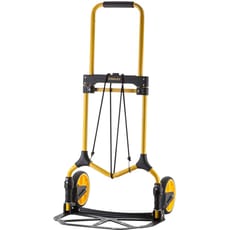
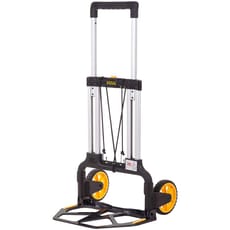
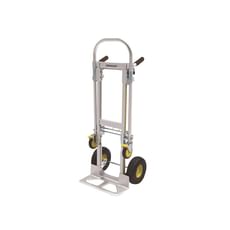
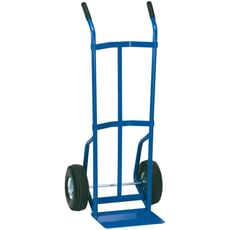
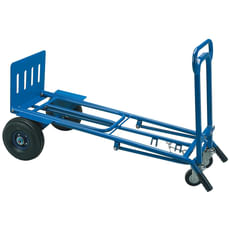
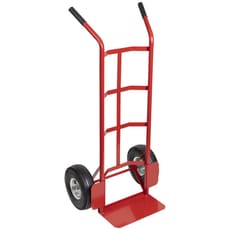
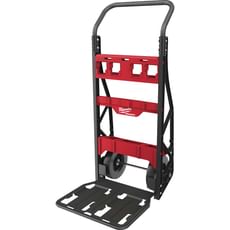
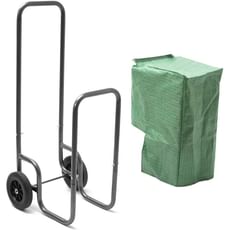
 Loading...
End of content
Error - No more pages to load
About Sack Truck Trolleys
Sack truck trolleys are essential material handling tools that enable safe and efficient transportation of heavy loads across warehouses, building sites, workshops, and retail environments. These versatile pieces of equipment significantly reduce the physical strain associated with manual lifting whilst improving productivity and workplace safety. Available in a wide range of configurations, from lightweight folding models to heavy-duty stair-climbing variants, sack truck trolleys have become indispensable for anyone who regularly moves boxes, appliances, building materials, or general cargo.
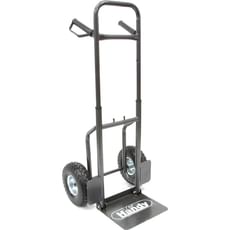
The selection at Tooled-Up.com includes everything from traditional P-handle sack trucks to innovative 3-in-1 convertible designs that can be configured as an upright truck, flat platform trolley, or angled barrow. With load capacities ranging from 70kg for compact folding models up to several hundred kilograms for industrial-grade units, there's a solution for every application. Leading brands such as Sealey, Draper, Faithfull, and DeWalt offer models featuring pneumatic or solid wheels, adjustable handles, and robust steel or aluminium construction to withstand demanding work environments.
Specialist variants cater to specific challenges, including stair-climbing sack trucks with tri-wheel mechanisms for navigating steps, folding trolleys for space-conscious storage, and purpose-built transport carts designed for heavy machinery and power tools. Whether you're a delivery driver, warehouse operative, tradesperson, or DIY enthusiast, investing in the right sack truck trolley can transform challenging manual handling tasks into manageable operations whilst helping to prevent workplace injuries.
Jargon Buster
- Load Capacity: The maximum weight a sack truck can safely transport, typically measured in kilograms. Always check this specification matches your typical loads, and never exceed the manufacturer's stated capacity as this compromises safety and can damage the equipment.
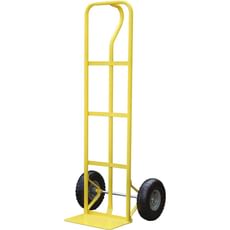
- P-Handle: The traditional curved handle design shaped like the letter 'P', providing ergonomic grip and good leverage for tilting and maneuvering loads. This classic configuration remains popular for general-purpose applications.
- Toe Plate: The flat platform at the base of the sack truck that slides beneath loads for lifting. Larger toe plates provide better stability for bulky items, whilst narrow plates can navigate tighter spaces more easily.
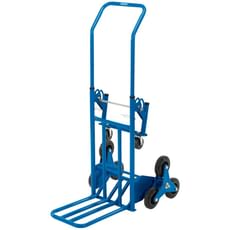
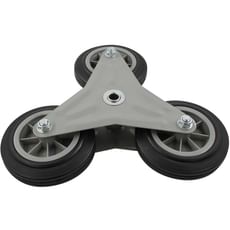
- Stair Climber: A sack truck featuring a tri-wheel or multi-wheel mechanism on each side that rotates as the trolley is pulled up or down steps, distributing weight and reducing the effort required to navigate stairs safely.
- 3-in-1 Convertible: A versatile design that can be reconfigured between an upright sack truck, flat platform trolley, and angled transport position, offering maximum flexibility for different load types and working conditions.
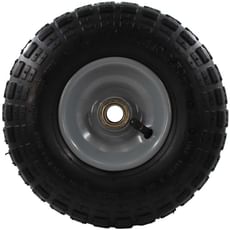
- Pneumatic Wheels: Air-filled tyres that provide excellent shock absorption and smooth rolling over uneven surfaces, ideal for outdoor use on building sites or rough terrain, though they require occasional inflation maintenance.
Who Uses Sack Truck Trolleys?
- Delivery Drivers: For transporting parcels, appliances, and goods from vehicle to customer premises efficiently and safely
- Warehouse Operatives: Essential for moving stock, palletised goods, and inventory throughout distribution centres and storage facilities
- Builders and General Tradespeople: Transporting building materials, cement bags, tools, and equipment around construction sites
- Plumbers and Heating Engineers: Moving heavy boilers, cylinders, radiators, and pipework to installation locations
- Electricians: Transporting cable drums, distribution boards, and bulk materials to different areas of a site
- Retail Staff: Moving stock from storage areas to shop floors, particularly in grocery, DIY, and garden centres
- Removals Companies: Essential equipment for house and office relocations, protecting both goods and operatives' backs
- Facilities Management: Transporting cleaning supplies, maintenance equipment, and general materials throughout commercial buildings
- DIY Enthusiasts: Home improvement projects often involve moving heavy materials like paving slabs, bags of aggregate, or large purchases from suppliers
- Event Organisers: Setting up and breaking down venues requires efficient transportation of staging, audio equipment, and furniture
How to Choose the Right Sack Truck Trolleys
Load Capacity Requirements: Begin by assessing the typical weight you'll be transporting. Lightweight folding trolleys handle up to 70-100kg and suit occasional use, whilst heavy-duty models from brands like Draper and Faithfull manage 200kg or more for demanding professional applications. Always build in a safety margin rather than operating at maximum capacity continuously.
Working Environment: Consider where you'll primarily use the equipment. Pneumatic wheels provide superior performance on rough ground, building sites, and outdoor environments, absorbing vibrations and rolling smoothly over debris. Solid rubber or polyurethane wheels require no maintenance and excel on smooth warehouse floors, paved surfaces, and indoor locations where punctures would cause inconvenient downtime.
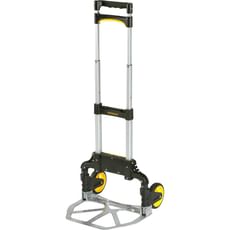
Storage and Portability: If vehicle space or storage areas are limited, folding sack trucks offer tremendous advantages. Models from manufacturers like Handy and Sealey collapse to compact dimensions for easy storage in vans, under workbenches, or in cupboards. However, fixed-frame designs generally provide greater rigidity and durability for intensive daily use.
Stairs and Steps: Regular navigation of stairs demands specialist stair-climbing sack trucks featuring tri-wheel mechanisms. These distribute weight across multiple contact points and reduce the physical effort required compared to bumping standard wheels up steps. Tooled-Up stocks dedicated stair climber models from Faithfull and Draper that make this challenging task significantly easier and safer.
Versatility Considerations: If you handle varied load types, 3-in-1 convertible designs provide exceptional flexibility. These transform between upright sack truck configuration for boxes and sacks, flat platform mode for larger items like furniture or sheet materials, and angled positions for specific applications. This versatility can eliminate the need for multiple separate trolleys.
Build Quality and Materials: Steel construction offers maximum strength and durability for heavy industrial use, whilst aluminium alloy frames provide excellent strength-to-weight ratios, making them easier to maneuver and ideal for delivery drivers who lift trolleys in and out of vehicles frequently. Check weld quality, frame thickness, and overall construction standards, particularly if purchasing for commercial applications where reliability is critical.
Handle Design: Adjustable handles accommodate different user heights and provide ergonomic benefits for extended use. Some models feature multiple height positions, whilst others offer continuous adjustment. Consider grip comfort, particularly if you'll be using the equipment for prolonged periods throughout the working day.
Popular Accessories
- Bungee Cords and Straps: Essential for securing loads during transport, preventing movement and potential damage
- Replacement Wheels: Both pneumatic and solid wheels wear over time; keeping spares ensures minimal downtime
- Inner Tubes: For pneumatic-wheeled models, replacement inner tubes are invaluable for quick puncture repairs
- Protective Covers: Weather-resistant covers protect equipment during outdoor storage and transportation
- Stair Climbing Attachments: Retrofit kits can convert some standard sack trucks to stair-climbing capability
- Load Straps with Ratchets: Professional-grade securing systems for particularly heavy or awkward loads
- Wheel Chocks: Prevent unwanted movement when loading or unloading on slopes
- Toe Plate Extensions: Increase the base area for larger or more awkwardly shaped items
Safety Information
Manual Handling Considerations: Whilst sack truck trolleys significantly reduce physical strain, they don't eliminate manual handling risks entirely. Always assess loads before attempting to move them, and ensure the trolley's capacity exceeds the load weight. The HSE recommends proper training in manual handling techniques, including how to tilt loads onto trolleys safely, maintain control during movement, and navigate obstacles without losing balance or dropping items.
Load Securing: Inadequately secured loads present serious hazards both to operators and bystanders. Always use appropriate straps, bungees, or other restraints to prevent loads shifting during transport. Pay particular attention when navigating slopes, ramps, or uneven surfaces where loads are more likely to become unstable. Never stack items higher than you can safely control or that obstruct your forward vision.
Footwear and PPE: Wear steel toe-capped safety boots when operating sack truck trolleys, particularly in commercial environments. These protect against crush injuries if loads shift or fall. High-visibility clothing is essential on building sites and in warehouse environments where vehicle movements occur. Consider work gloves with good grip for better control, especially in wet conditions.
Inspection and Maintenance: Regularly inspect your sack truck for wear, damage, or defects before each use. Check wheel condition, frame integrity, welds for cracks, and handle security. Pneumatic wheels require proper inflation - under-inflated tyres compromise stability and make maneuvering more difficult. Lubricate moving parts periodically and address any issues immediately rather than continuing to use compromised equipment.
Ramps and Slopes: Exercise extreme caution when using sack trucks on gradients. Always position yourself on the uphill side to maintain control. Descend slopes slowly and deliberately, and never allow the trolley to run ahead of you. For steep ramps or stairs without stair-climbing capability, seek assistance from a colleague rather than attempting solo movement of heavy loads.
Frequently Asked Questions
What's the difference between a sack truck and a hand truck?
These terms are largely interchangeable in the UK, both referring to the same two-wheeled upright trolley design. "Sack truck" is the more traditional British term, originating from their use transporting sacks of grain, coal, and produce, whilst "hand truck" is more commonly used in North America. Some suppliers use "sack barrow" as an alternative name for the same equipment.
Can I use a standard sack truck on stairs?
Whilst it's technically possible to use a standard sack truck on stairs, it's not recommended for safety and practical reasons. Standard two-wheeled designs require significant physical effort to bump up steps and offer poor control, particularly when descending. Specialist stair-climbing sack trucks with tri-wheel mechanisms are purpose-built for this application and make the task dramatically easier and safer, reducing injury risk and protecting both the load and the staircase from damage.
What load capacity do I actually need?
Calculate the heaviest items you regularly transport and add at least 20-30% as a safety margin. For example, if you typically move loads around 80kg, choose a trolley rated for at least 100kg. This prevents operating at maximum capacity, which accelerates wear and increases failure risk. Remember that uneven load distribution or dynamic forces during movement effectively increase the stress on the trolley beyond the static weight.
Are folding sack trucks as strong as fixed models?
Quality folding sack trucks from reputable brands like Draper and Sealey can be extremely robust, with many rated for 150kg or more. However, the folding mechanism does introduce additional joints that can potentially become wear points with intensive use. For occasional use or applications requiring portability and compact storage, folding models are excellent. For daily heavy-duty commercial use in a single location, fixed-frame designs generally offer superior long-term durability.
Do pneumatic wheels need much maintenance?
Pneumatic wheels require periodic inflation checks, similar to bicycle tyres, and occasional replacement if punctured. Check pressure monthly and before particularly demanding jobs. Whilst this represents additional maintenance compared to solid wheels, the superior shock absorption and smooth rolling over rough terrain often justify the minimal extra effort, particularly for outdoor applications or building site work where comfort and control make significant differences to productivity and operator fatigue.