
Safety Eye Wear

Pay in 3 interest-free payments on purchases from £20-£3000 with  . Learn more.

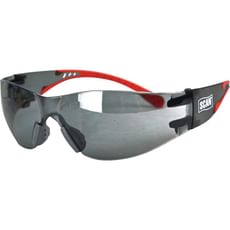
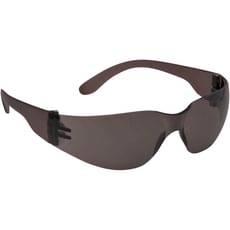
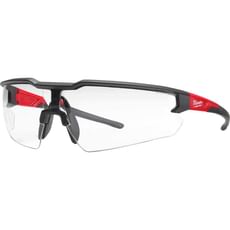
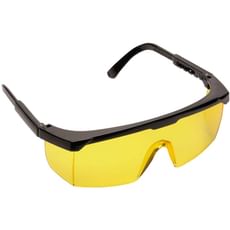
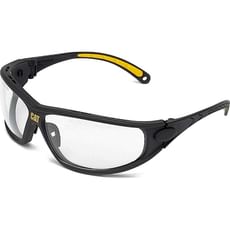
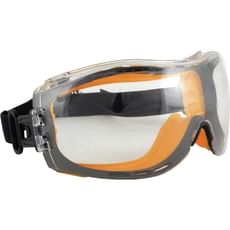
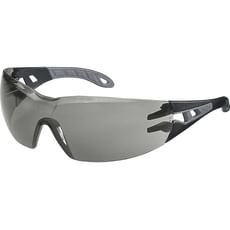
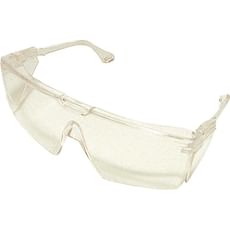
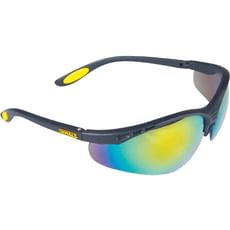
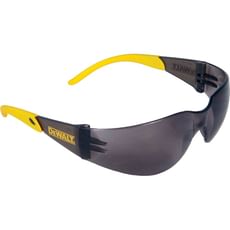
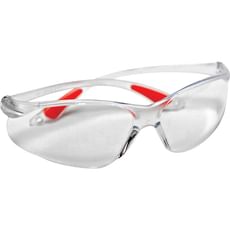
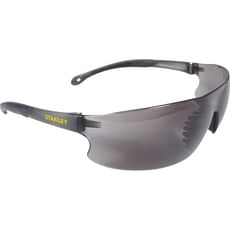
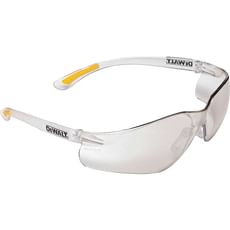
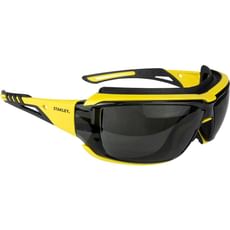
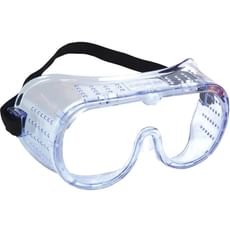
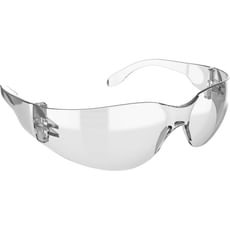
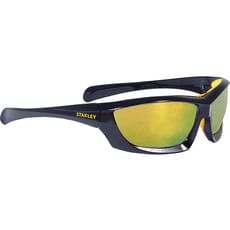
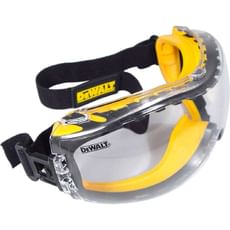
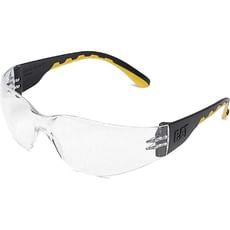
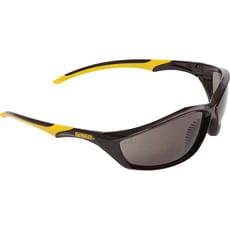
Loading...
End of content
Error - No more pages to load
About Safety Eye Wear
Safety eye wear represents one of the most critical categories of personal protective equipment (PPE) for both professional tradespeople and DIY enthusiasts. Whether you're operating angle grinders, working with timber on site, handling chemicals, or simply tackling weekend projects in the workshop, protecting your eyes from flying debris, dust particles, chemical splashes and harmful vapours is absolutely essential. Eye injuries account for thousands of workplace accidents each year in the UK, yet the majority are entirely preventable with the correct safety eye wear.
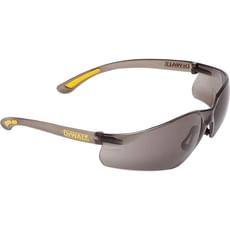
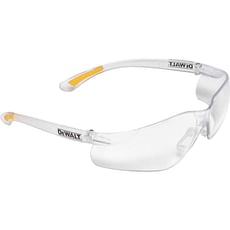
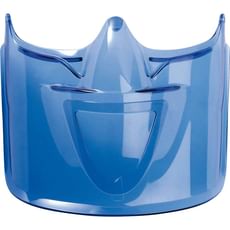
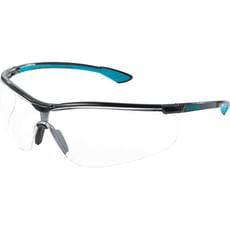
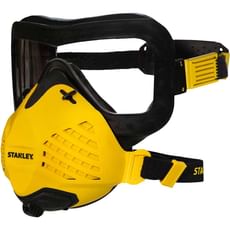
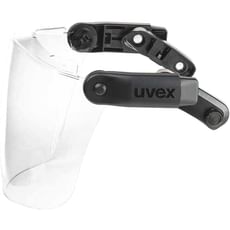
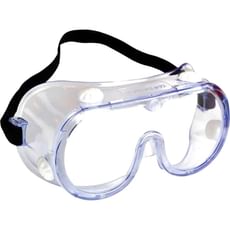
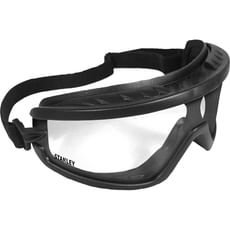
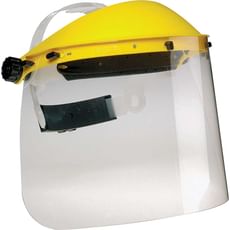
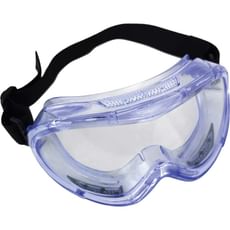
The safety eye wear category at Tooled-Up.com encompasses three main types of protection: safety glasses for general-purpose impact protection, safety goggles that create a sealed barrier against fine particles and liquids, and full-face safety shields for maximum protection during high-risk operations. Each type serves specific applications and offers different levels of protection, comfort and visibility. Modern safety eye wear has evolved significantly from the bulky, uncomfortable designs of the past, with today's products featuring anti-fog coatings, adjustable frames, scratch-resistant lenses and ergonomic designs that make all-day wear considerably more comfortable.
Complying with British and European safety standards including EN166 and EN170, quality safety eye wear provides certified impact resistance whilst maintaining optical clarity. Premium brands such as DeWalt, Portwest and Bosch offer extensive ranges that balance protection with comfort, ensuring that tradespeople and DIY users alike can find eyewear suited to their specific tasks without compromising on safety or usability.
Jargon Buster
- EN166 Rating: The European standard for personal eye protection, specifying requirements for optical, mechanical, and other protective properties. Products meeting EN166 have passed rigorous impact and safety testing.
- Anti-Fog Coating: A special lens treatment that prevents condensation from forming on the inside of safety glasses or goggles, maintaining clear vision in humid environments or during physically demanding work.
- Impact Resistance Classification: Safety eye wear is classified by letters (F, B, A) indicating the energy level of impacts they can withstand. 'F' offers low-energy impact protection suitable for most applications, whilst 'B' and 'A' provide higher levels for more hazardous environments.
- UV Protection: The ability of lenses to block harmful ultraviolet radiation, essential for outdoor work or tasks involving welding and arc lights. Look for 99-100% UV400 protection for comprehensive coverage.
- Ventilated vs Non-Ventilated: Goggles either feature ventilation holes to reduce fogging (suitable for dust protection but not liquids) or are fully sealed for complete protection against both particles and liquid splashes.
- Side Shields: Extended frame sections or attachments that protect the peripheral areas of the eyes from side-angle impacts and debris entry points.
Who Uses Safety Eye Wear?
Safety eye wear is essential PPE across numerous trades and industries:
- Carpenters and Joiners: Protection from wood chips, sawdust and splinters when cutting, routing or sanding
- Electricians: Eye protection when drilling, cutting metal conduit or working in dusty ceiling voids
- Plumbers and Heating Engineers: Protection from metal filings, soldering flux and chemical splashes
- Bricklayers and Stonemasons: Defence against stone chips, mortar dust and cutting debris
- Mechanics and Vehicle Technicians: Shielding from metal particles, chemical splashes and brake dust
- Groundworkers and Landscapers: Protection when using strimmers, hedge cutters and chippers
- Welders and Metal Fabricators: Specialised eye protection against sparks, spatter and grinding debris
- Laboratory Technicians: Chemical splash protection during testing and handling procedures
- Painters and Decorators: Defence against solvent splashes and overhead spray particles
- DIY Enthusiasts: Essential protection for home workshop activities and garden maintenance
How to Choose the Right Safety Eye Wear
Assess Your Risk Level: Different tasks require different protection levels. Light DIY work might only need basic safety glasses, whilst operating angle grinders or chainsaws demands goggles or face shields. Consider what hazards you'll encounter—flying debris, fine dust, chemical splashes or liquid spray—and select accordingly.
Consider the Fit: Poorly fitting safety eye wear won't be worn consistently. Look for adjustable nose bridges, flexible temple arms and lightweight designs. If you wear prescription spectacles, choose models designed to fit over glasses or consider prescription safety inserts. The extensive selection at Tooled-Up includes various sizes and adjustment options to suit different face shapes.
Lens Specifications: Clear lenses suit most indoor applications, whilst tinted or polarised lenses benefit outdoor work by reducing glare. Anti-scratch coatings extend lens life, particularly important in abrasive environments. Anti-fog treatments are essential for physically demanding work or when moving between temperature zones. Check that lenses meet EN166 standards with appropriate impact ratings for your intended use.
Glasses, Goggles or Shields?: Safety glasses provide excellent visibility and comfort for general protection against large particles and impacts. They're ideal for drilling, sawing and most power tool operations. Goggles offer superior protection when you need a sealed barrier against fine dust, grinding particles or liquid splashes. Full-face shields are necessary for high-risk tasks like chainsaw work, heavy grinding or when working with hazardous chemicals—often worn over goggles for maximum protection.
Comfort for Extended Wear: If you'll be wearing eye protection throughout your working day, prioritise comfort features. Soft rubber seals, padded frames, adjustable straps and well-balanced weight distribution all reduce fatigue. Ventilated designs help with airflow, though remember that ventilation ports reduce protection against fine particles and liquids.
Standards Compliance: Always verify that products meet relevant British and European standards. Look for EN166 certification as a minimum, with additional markings indicating specific protection levels. HSE guidance recommends selecting the lowest protection level that adequately covers your risks, as higher-specification equipment may reduce comfort and compliance.
Popular Accessories
- Lens Cleaning Solutions and Wipes: Specialist cleaners that won't damage anti-fog or anti-scratch coatings
- Microfibre Cleaning Cloths: Soft, non-abrasive cloths for maintaining optical clarity
- Storage Cases and Pouches: Protective storage preventing lens scratches when not in use
- Anti-Fog Sprays and Gels: Additional treatments to enhance or restore anti-fog properties
- Replacement Lenses: Spare lenses for extending the life of quality frames
- Spectacle Retaining Cords: Prevents loss or damage when eye wear is temporarily removed
- Prescription Inserts: Optical inserts that fit inside certain safety eyewear models
- Foam Gaskets: Replacement seals for goggles to maintain comfort and protection
- Hard Hats with Integrated Visors: Combined head and eye protection for specific applications
Safety Information
Regular Inspection: Examine safety eye wear before each use for scratches, cracks, distortion or damaged components. Compromised lenses or frames significantly reduce protection and should be replaced immediately. Scratched lenses can obscure vision and create dangerous working conditions.
Proper Maintenance: Clean lenses regularly using appropriate solutions—never use solvents or abrasive materials that might damage protective coatings. Store eye wear in protective cases when not in use to prevent accidental damage. Replace foam seals and elastic straps as they wear to maintain proper fit and protection.
HSE Compliance: Employers have legal obligations under the Personal Protective Equipment at Work Regulations 1992 to provide appropriate eye protection where risks cannot be eliminated by other means. The Health and Safety Executive (HSE) provides detailed guidance on selecting suitable eye protection for various workplace hazards.
Limitations: Understand what your eye wear can and cannot protect against. Safety glasses don't provide sealed protection against fine dust or liquids. Ventilated goggles won't protect against liquid splashes. If you're working with chemicals, check compatibility with lens materials—some chemicals can damage polycarbonate lenses.
Emergency Procedures: Despite wearing appropriate eye protection, always know the location of eyewash stations and emergency procedures. If any substance enters the eyes, irrigate immediately with clean water for at least 15 minutes and seek medical attention.
Frequently Asked Questions
What's the difference between safety glasses and goggles?
Safety glasses resemble regular spectacles with wraparound frames providing impact protection from the front and sides, but they don't form a seal around your face. They're comfortable for extended wear and suitable for protection against large particles and impacts from power tool operations. Safety goggles create a sealed barrier around the eyes using foam or rubber gaskets, offering superior protection against fine dust, grinding particles and liquid splashes. Goggles are more prone to fogging and can be less comfortable, but they're essential when complete eye isolation is required.
Can I wear safety glasses over my prescription spectacles?
Yes, many safety glasses and most safety goggles are specifically designed to fit over prescription spectacles. Look for models labelled "OTG" (Over The Glasses) which feature larger frames and additional depth to accommodate regular eyewear underneath. Alternatively, consider prescription safety inserts that fit inside compatible safety eyewear, or invest in prescription safety glasses which combine your optical correction with certified impact protection.
How do I prevent my safety goggles from fogging up?
Fogging occurs when warm, moist air meets cooler lens surfaces. Choose goggles with anti-fog coatings as standard, and consider models with indirect ventilation that allows airflow whilst maintaining particle protection. Anti-fog sprays and gels can enhance or restore anti-fog properties. Ensure goggles fit properly—gaps that allow air circulation reduce fogging. For demanding applications, premium models from brands like DeWalt and Portwest feature advanced anti-fog technology and superior ventilation designs.
What do the markings on safety eye wear mean?
Safety eye wear conforming to EN166 displays markings indicating the manufacturer, standard compliance, optical class (1 being best), mechanical strength (F for low energy, B for medium, A for high), and additional properties like chemical resistance or anti-fog treatment. For example, "EN166 1 F" indicates compliance with EN166, optical class 1, and low-energy impact protection suitable for most general applications. Always check these markings to ensure the eye wear meets requirements for your specific tasks.
How often should I replace my safety eye wear?
Replace safety eye wear immediately if lenses become scratched, cracked or distorted, or if frames are damaged—compromised eye protection is dangerous. With proper care and storage, quality safety glasses and goggles can last months or even years, but inspect them before each use. Replace foam seals and straps as they deteriorate. If anti-fog or anti-scratch coatings degrade significantly, replacement is advisable. Many professionals replace safety eye wear annually as part of their PPE maintenance schedule, regardless of visible wear, to ensure optimal protection.