

Sandblasting Accessories

Pay in 3 interest-free payments on purchases from £20-£3000 with  . Learn more.
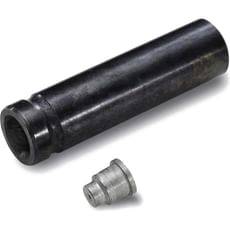
 Loading...
End of content
Error - No more pages to load
About Sandblasting Accessories
Sandblasting accessories encompass the essential consumables, attachments, and replacement components needed to maintain and operate sandblasting equipment effectively. From abrasive media in various grades and materials to specialist nozzles, flow control attachments, and pressure washer adaptors, these accessories ensure your sandblasting operations deliver consistent, professional results. Whether you're stripping rust from metalwork, removing paint from surfaces, or preparing substrates for coating, the right accessories make all the difference to efficiency and finish quality.
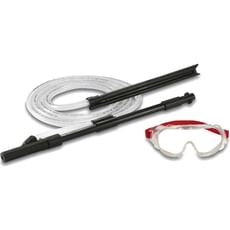
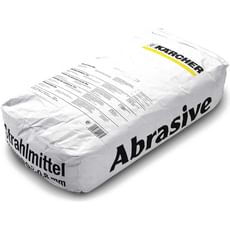
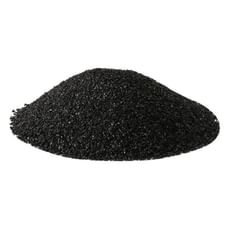
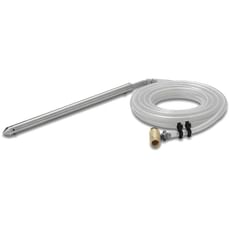
The selection at Tooled-Up.com includes blasting media ranging from aggressive iron silicate grit for heavy-duty rust removal to gentle walnut shell media for delicate surface preparation. You'll also find ceramic nozzles designed to withstand the abrasive nature of sandblasting, wet sandblasting attachments that integrate with Kärcher pressure washers, and glass shot beads for achieving smooth, peened finishes. Different particle sizes and media types allow tradespeople to match the abrasive to the task, whilst replacement nozzles and flow control accessories help maintain optimal performance as equipment experiences wear.
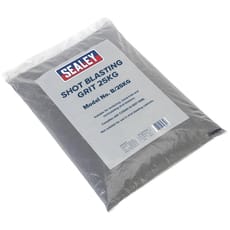
Sandblasting accessories are typically consumable items that require regular replenishment, particularly abrasive media which is often used in 25kg bags or larger tubs. Choosing compatible accessories for your specific sandblasting equipment—whether a dedicated blast cabinet, portable shot blaster, or pressure washer sandblasting kit—ensures safe operation and prevents damage to both the equipment and the workpiece being treated.
Jargon Buster
- Abrasive Media
- The material propelled at high velocity during sandblasting to remove coatings, rust, or contaminants. Common types include iron silicate, aluminium silicate, glass beads, and organic materials like walnut shells.
- Grit Size/Particle Size
- The diameter of individual abrasive particles, typically measured in microns or mesh numbers. Finer grits (200-400 microns) provide smoother finishes, whilst coarser grits (800+ microns) remove material more aggressively.
- Ceramic Nozzles
- Wear-resistant blast nozzles manufactured from ceramic materials that withstand the erosive effects of abrasive media far longer than standard metal nozzles, reducing replacement frequency.
- Wet Sandblasting
- A blasting technique that mixes water with abrasive media to reduce dust generation and heat build-up, often implemented via attachments compatible with pressure washers.
- Easy!Lock
- A quick-connection system used on professional-grade Kärcher pressure washers that allows rapid attachment and removal of accessories including wet sandblasting equipment.
- Flow Control
- Adjustable mechanisms that regulate the rate at which abrasive media is fed into the blast stream, allowing operators to fine-tune aggressiveness and media consumption.
Who Uses Sandblasting Accessories?
- Automotive Body Repair Technicians – removing rust, paint, and corrosion from vehicle panels and chassis components
- Metal Fabricators and Welders – preparing steel and aluminium surfaces for welding or coating applications
- Restoration Specialists – stripping paint from vintage vehicles, machinery, and architectural metalwork without damaging underlying surfaces
- Marine Engineers – cleaning propellers, hulls, and equipment exposed to saltwater corrosion
- Industrial Maintenance Teams – removing scale, rust, and old coatings from manufacturing equipment and structural steelwork
- Stone Masons and Façade Cleaners – using gentler media to clean brickwork, stone, and concrete without erosion
- DIY Enthusiasts and Home Restorers – tackling garden furniture renovation, automotive projects, and metalwork restoration
- Engineering Workshops – preparing components for powder coating, galvanising, or other surface treatments
- Agricultural Equipment Technicians – maintaining and refurbishing farm machinery subjected to harsh outdoor conditions
How to Choose the Right Sandblasting Accessories
Match Media to Material: Different substrates require appropriate abrasive media. Iron silicate and aluminium silicate handle heavy rust removal on steel, glass beads create smooth finishes on softer metals, whilst walnut shell media suits delicate surfaces like aluminium or fibreglass where you want to avoid substrate damage.
Consider Particle Size: Fine grades (200-400 microns) deliver smoother, more controlled material removal suitable for finishing work, whilst medium to coarse grades (500-800+ microns) aggressively strip thick coatings and heavy corrosion. Tooled-Up stocks various grades to match your specific application requirements.
Equipment Compatibility: Verify that accessories are compatible with your sandblasting equipment. Kärcher wet sandblasting attachments, for example, are designed for specific pressure washer models with Easy!Lock connections, whilst ceramic nozzles must match the thread and bore size of your blast gun.
Volume Requirements: Calculate your media consumption based on project size. Smaller DIY jobs might suit 10-15kg bags, whilst professional workshops typically purchase 25kg bags or bulk tubs for economy and continuity of supply.
Dust Generation Concerns: If working in occupied areas or where dust control is critical, consider wet sandblasting kits that significantly reduce airborne particles, or select enclosed blast cabinets with appropriate media suited to recirculation.
Nozzle Durability: Ceramic nozzles cost more initially but last considerably longer than standard nozzles when blasting with aggressive media, reducing downtime and replacement costs for high-volume users.
Popular Accessories
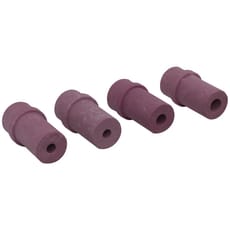
- Replacement Ceramic Nozzles – in various bore sizes to control blast pattern and media flow rate
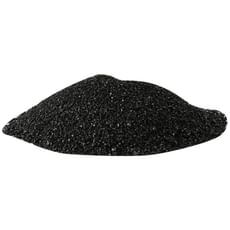
- Iron Silicate Grit – available in fine, medium, and coarse grades for general-purpose rust and paint removal
- Aluminium Silicate Media – alternative abrasive with different cutting characteristics and particle size options
- Glass Shot Beads – for achieving smooth, peened finishes on metal surfaces
- Walnut Shell Media – biodegradable, low-dust option for delicate surface preparation
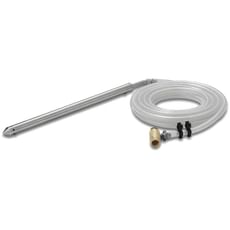
- Wet Sandblasting Attachments – for integration with compatible pressure washers
- Flow Control Valves – to adjust media feed rates and conserve consumables
- Nozzle Kits – offering multiple sizes for different applications and blast patterns
- Abrasive Storage Containers – sealed tubs and buckets to keep media dry and free-flowing
- Replacement Hoses and Couplings – for maintaining blast equipment in working order
Safety Information
Respiratory Protection: Sandblasting generates hazardous dust containing silica particles. Always wear appropriate respiratory protection—a disposable dust mask is insufficient for sandblasting operations. Use approved respirators or supplied-air systems as required by HSE guidance and COSHH assessments.
Eye and Face Protection: High-velocity abrasive particles pose serious risks to eyes and exposed skin. Wear full-face visors or sandblasting helmets with impact-resistant viewing panels, never rely on standard safety glasses alone.
Hearing Protection: Sandblasting equipment operates at high noise levels. Wear appropriate hearing protection, particularly during extended blasting sessions in enclosed spaces.
Ventilation Requirements: Ensure adequate ventilation when sandblasting, especially in workshops or enclosed areas. Dust extraction systems are essential for indoor operations to prevent dangerous accumulation of airborne silica dust.
Skin Protection: Wear heavy-duty gloves, long sleeves, and protective clothing to prevent abrasive particles from causing skin damage. Ricocheting media can cause injuries at close range.
Media Handling: Store abrasive media in dry conditions to prevent clumping and ensure consistent flow. Some media types can become slippery when spilled—clean up promptly to prevent slip hazards on workshop floors.
Frequently Asked Questions
Can I reuse sandblasting media?
It depends on the media type and application. Glass beads can often be recycled multiple times in enclosed blast cabinets with effective dust separation. Iron silicate and aluminium silicate break down during use, becoming progressively less effective, though they can be sieved and reused for less critical work. Organic media like walnut shells typically breaks down too quickly for practical reuse. Always check media condition before reuse—contaminated or moisture-affected media should be discarded.
What's the difference between wet and dry sandblasting?
Dry sandblasting propels abrasive media using compressed air alone, creating significant dust but removing material quickly. Wet sandblasting introduces water into the process, either by mixing it with the media stream or using pressure washer-based systems. Wet methods dramatically reduce airborne dust, lower surface temperatures, and can be gentler on substrates, but require appropriate drainage and may not suit all environments or materials that shouldn't get wet.
Which grit size should I use for removing rust from steel?
For heavy rust removal on structural steel or thick plate, medium to coarse grit (500-800 microns) works efficiently. For automotive panels or thinner materials where you want to avoid warping or excessive material removal, fine to medium grit (200-500 microns) provides better control. Always start with finer media and move to coarser grades only if necessary—you can always remove more material, but you can't put it back.
How long do ceramic nozzles last compared to standard nozzles?
Ceramic nozzles typically last 10-20 times longer than standard metal nozzles when using aggressive abrasive media like iron silicate or aluminium oxide. The exact lifespan depends on media type, particle size, operating pressure, and usage patterns. For professional workshops with regular sandblasting work, ceramic nozzles represent a worthwhile investment despite higher initial costs, significantly reducing downtime for nozzle changes.
Are Kärcher wet sandblasting attachments compatible with all pressure washers?
No, compatibility depends on the specific attachment and pressure washer model. Some Kärcher sandblasting kits are designed for K-series domestic pressure washers, whilst others suit HD and XPERT professional models with Easy!Lock connections. Always verify compatibility with your specific pressure washer model before purchasing, and ensure your machine provides sufficient pressure and flow rate for effective sandblasting—typically 120+ bar for wet sandblasting applications.