

Saw Files

Pay in 3 interest-free payments on purchases from £20-£3000 with  . Learn more.

Loading...
End of content
Error - No more pages to load
About Saw Files
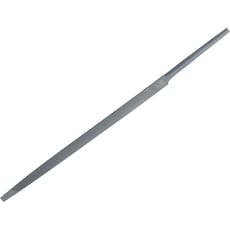
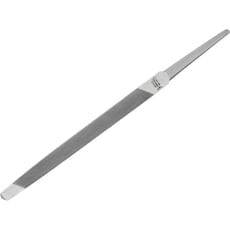
Saw files are specialised hand tools designed specifically for sharpening and maintaining the cutting teeth of various types of saws. Unlike conventional files used for general metalwork, saw files feature precise tapers, specific tooth patterns, and carefully engineered angles that match the geometry of saw teeth. Available in various profiles including triangular, double-ended, and slim taper designs, these essential maintenance tools help tradespeople and woodworkers restore cutting performance to hand saws, crosscut saws, and even chainsaw blades without the need for expensive professional sharpening services.
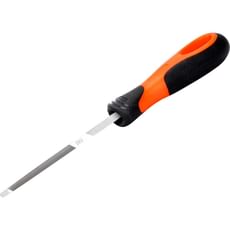
The selection at Tooled-Up.com includes professional-grade saw files from leading manufacturers such as Bahco, recognised for their ERGO™ handled designs that provide superior comfort during repetitive filing tasks. These files are manufactured with single-cut tooth patterns that work from specific directions to create the precise bevel angles required for efficient cutting. Whether you're maintaining traditional hand saws with fine cross-toothing or sharpening chainsaw chains in the field, the right saw file ensures your cutting tools remain sharp, safe, and effective throughout their working life.
Proper saw maintenance with quality files not only extends tool lifespan but also improves cutting efficiency and safety. A sharp saw requires less force to cut, reducing user fatigue and the risk of the blade binding or jumping during use. Regular filing maintains consistent tooth geometry, ensuring clean cuts and reducing the likelihood of workplace accidents caused by dull, unpredictable cutting edges.
Jargon Buster
- Single Cut: A file tooth pattern with parallel rows of teeth running in one direction, ideal for precision work on saw teeth as it removes material in a controlled manner and produces a smoother finish than double-cut files.
- Taper: The gradual reduction in file thickness from handle to tip, allowing the file to fit into gullets (the gaps between saw teeth) of varying sizes. Slim tapers suit fine-toothed saws whilst standard tapers work for general purpose saws.
- Double-Ended: Files that taper towards both ends rather than having a tang for handle attachment, providing two working surfaces and often featuring different profiles or grades at each end for versatile sharpening applications.
- Teeth Per Centimetre (TPC): A measurement indicating the file's coarseness, which should correspond to the saw being sharpened. Higher TPC numbers indicate finer files suitable for saws with more teeth per inch.
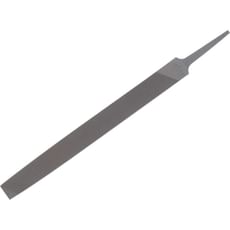
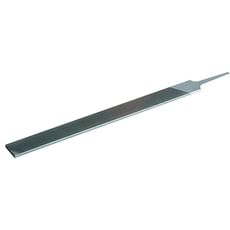
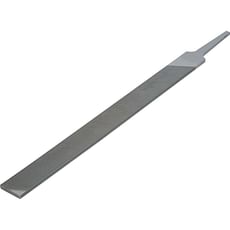
- Mill File: A specific file profile with one or two rounded edges and flat faces, designed for sharpening mill saws and other cutting tools requiring curved gullet profiles between teeth.
- Gullet: The curved valley between two adjacent saw teeth where sawdust collects during cutting. The file must match this profile to properly sharpen the tooth face and maintain correct geometry.
Who Uses Saw Files?
- Carpenters and Joiners: Maintaining hand saws, tenon saws, and dovetail saws for precision woodworking projects
- Forestry Workers and Arborists: Field sharpening of chainsaw chains to maintain cutting performance throughout the working day
- Cabinetmakers: Keeping fine-toothed saws in optimal condition for detailed joinery and finish work
- Groundworkers and Estate Managers: Maintaining bow saws and pruning saws for land management tasks
- Tool Restoration Enthusiasts: Restoring and maintaining vintage hand saws and traditional woodworking tools
- DIY Enthusiasts: Extending the life of hand tools and avoiding replacement costs through proper maintenance
- Workshop Technicians: Providing tool maintenance services for educational workshops and community facilities
- Timber Frame Builders: Maintaining traditional hand saws for timber framing and heritage construction projects
How to Choose the Right Saw Files
Selecting the appropriate saw file depends primarily on the type and size of saw you're maintaining. The file profile must match your saw's tooth geometry—triangular files suit crosscut saws with angled teeth, whilst mill files with rounded edges are essential for rip saws with curved gullets. Measure your saw's teeth per inch (TPI) and select a file with corresponding fineness; fine-toothed saws (12+ TPI) require slim taper files, whereas coarser saws (4-8 TPI) need standard or double-ended files with more aggressive cutting action.
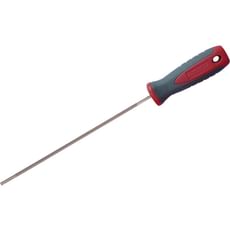
Handle design significantly affects comfort and control during filing. Tooled-Up stocks Bahco's ERGO™ range, which features scientifically designed two-component handles that reduce hand fatigue during extended sharpening sessions. The handle should provide a secure grip and allow precise control of filing angle, which is critical for maintaining correct tooth geometry. Double-ended files offer excellent value as they provide two working surfaces, though they require more skill to use without handle support.
Consider the file's length in relation to your saw teeth—the file should span at least two to three teeth during each stroke to ensure consistent sharpening angles. For professional use, investing in multiple files for different saw types prevents cross-contamination of metal particles and maintains optimal cutting performance. Quality files from established manufacturers like Bahco, Draper, and Faithfull will outlast budget alternatives and provide consistent results across hundreds of sharpening sessions.
Popular Accessories
- Saw Sets: Tools for adjusting the set (sideways bend) of saw teeth to create proper kerf width
- File Card Brushes: Wire brushes for cleaning metal particles from file teeth, maintaining cutting efficiency
- Saw Vices: Specialist clamps that hold saws securely at the correct height and angle for comfortable filing
- Engineers' Squares: Precision tools for checking tooth angles and ensuring consistent sharpening geometry
- Magnifying Lamps: Illuminated magnifiers for inspecting tooth condition and filing accuracy on fine-toothed saws
- Tool Oil: Light lubricating oil for protecting file surfaces and saw blades from corrosion
- Depth Gauges: For chainsaw file users, ensuring correct depth gauge height relative to cutter teeth
- File Handles: Separate handles for tang-style files, providing comfortable grip and better control
Safety Information
Always secure saws firmly in a vice or proper saw sharpening clamp before filing to prevent movement that could cause injury or damage tooth geometry. Files should only cut on the forward stroke—lifting the file clear on the return stroke prevents premature wear and maintains tooth sharpness. Wear safety glasses to protect eyes from metal particles, which can be released during filing, particularly when working on hardened steel saw blades.
Store files separately or with protective covers to prevent tooth damage from contact with other tools. Files with damaged or clogged teeth should be cleaned with a file card or replaced, as they can slip during use and cause hand injuries. When filing chainsaw chains, ensure the chain is properly tensioned and the saw is disabled—remove the spark plug or battery to prevent accidental starting. Work in good lighting conditions and maintain awareness of hand position relative to the saw's sharp teeth throughout the filing process.
Frequently Asked Questions
How often should I sharpen my hand saw?
Sharpen your saw whenever you notice increased resistance during cutting, rough cut surfaces, or the need to apply excessive pressure. For professional carpenters using saws daily, this might be weekly, whilst occasional DIY users may only need sharpening several times per year. The key indicator is cutting performance—a sharp saw should cut smoothly with moderate, consistent pressure.
Can I use a regular file to sharpen saw teeth?
Standard engineers' files lack the precise taper and tooth pattern required for proper saw sharpening. Saw files are specifically designed with angles and profiles that match saw tooth geometry, ensuring correct bevel angles and gullet shapes. Using incorrect files will damage tooth geometry, reducing cutting efficiency and potentially ruining the saw.
What's the difference between single-cut and double-cut files for saw sharpening?
Single-cut files have parallel teeth running in one direction and are essential for saw sharpening, as they remove material smoothly and allow precise control of tooth angles. Double-cut files have a crosshatch pattern designed for rapid material removal on flat metalwork but produce rough finishes unsuitable for the precision required in saw tooth maintenance.
Do I need different files for different saw types?
Yes, different saws require specific file profiles. Crosscut saws need triangular files to sharpen angled teeth, rip saws require mill files with rounded edges for curved gullets, and fine-toothed saws need slim taper files whilst coarser saws use standard or double-ended files. Chainsaw chains require round files matched to the specific chain pitch and cutter diameter.
How do I know when my saw file needs replacing?
Replace files when they no longer cut effectively, indicated by sliding over the saw teeth without removing material or requiring excessive pressure. Files naturally wear smooth with use, typically after sharpening 20-50 saws depending on blade hardness and filing technique. Store files properly and clean them regularly with a file card to maximise lifespan.