

Knives

Pay in 3 interest-free payments on purchases from £20-£3000 with  . Learn more.
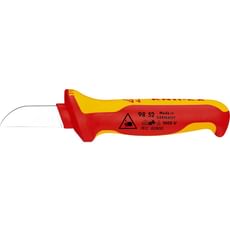
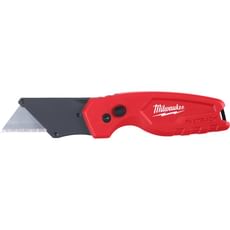
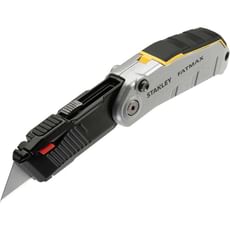
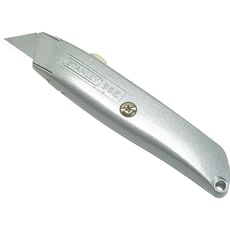
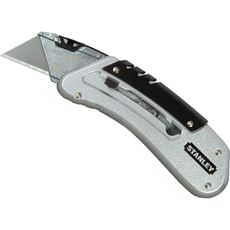
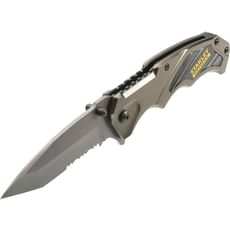
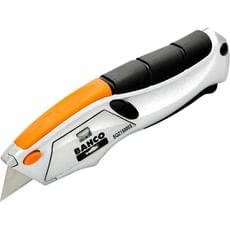
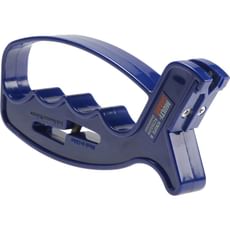
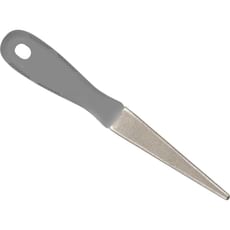
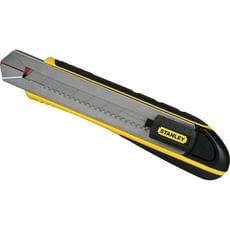
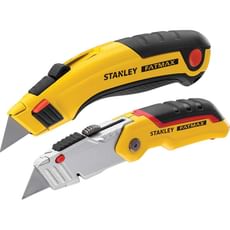
 Loading...
End of content
Error - No more pages to load
About Knives
A sharp, reliable knife is an indispensable tool for tradespeople, professional contractors, and DIY enthusiasts across the UK. From electricians stripping cables on construction sites to carpet fitters trimming edges with precision, having the right cutting tool ensures efficiency, accuracy, and workplace safety. The knife category at Tooled-Up.com encompasses everything from heavy-duty utility knives and specialist trade knives to precision cutting tools and versatile multi-functional pocket knives. Whether you need a robust hacking knife for demolition work, a delicate precision knife for detailed tasks, or a Swiss Army knife for everyday versatility, the right cutting tool makes every job easier.
Modern professional knives feature ergonomic handles designed to reduce hand fatigue during extended use, quick-change blade systems that enhance productivity on site, and robust construction built to withstand demanding work environments. Tooled-Up stocks trusted brands including Stanley, Bahco, Knipex, and Wera, ensuring every cutting requirement is covered—from rough hacking work to delicate precision tasks. The category includes specialised tools like electricians knives with insulated handles for cable work, saw knives for cutting through tougher materials, and retractable utility knives for general site applications.
Beyond the cutting tools themselves, this category includes essential accessories such as replacement knife blades in various configurations, knife sharpeners to maintain cutting edges, and safe storage solutions. Many tradespeople keep multiple knives in their toolboxes—a utility knife for general cutting, a specialist trade knife for their particular profession, and perhaps a pocket knife or multi-tool for versatility. Understanding which knife suits your specific application will help you work more efficiently whilst maintaining the highest safety standards on site.
Jargon Buster
- Retractable Blade: A safety feature allowing the blade to be withdrawn into the handle when not in use, reducing the risk of accidental cuts and making the knife safer to carry in toolboxes or pockets. Ideal for general site work and mobile tradespeople.
- Fixed Blade: A knife design where the blade is permanently extended and secured, offering maximum strength and reliability for heavy-duty cutting tasks common in construction, carpentry, and carpet fitting work.
- Quick-Change Mechanism: A tool-free blade replacement system that allows tradespeople to swap blunt blades for sharp ones in seconds, minimising downtime and maintaining cutting efficiency throughout the working day without fumbling for screwdrivers.
- Snap-Off Blade: A segmented blade design where dulled sections can be snapped off to reveal a fresh, sharp cutting edge, extending the blade's usable life before complete replacement is needed. Popular in utility knives and precision knives.
- Ergonomic Handle: A specially designed grip incorporating contoured shapes and soft-grip materials to reduce hand fatigue during extended use and provide better control in wet or greasy conditions often encountered on construction sites.
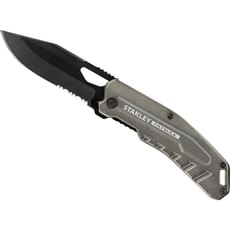
- Folding Mechanism: A design allowing the blade to fold into the handle for compact storage and safer carrying, popular with pocket knives and multi-tools used by mobile tradespeople who need versatile cutting tools without the bulk.
Who Uses Knives?
Professional knives are essential tools across numerous trades and industries throughout the UK:
- Electricians: Cable stripping, insulation removal, precise wire preparation, and working with electrical installations
- Carpet Fitters: Cutting underlay, trimming carpet edges, scoring vinyl flooring, and cutting backing materials
- Plumbers: Cutting pipe insulation, trimming rubber seals, working with membranes, and general site tasks
- Carpenters and Joiners: Marking timber, removing excess material, whittling, and detailed woodworking tasks
- Decorators: Opening paint tins, cutting wallpaper, trimming sealant, and preparing surfaces
- Roofers: Cutting roofing felt, trimming flashings, working with membranes and breathable fabrics
- General Builders: Opening packaging, cutting materials, marking surfaces, and countless daily site tasks
- Warehouse and Logistics Workers: Breaking down cardboard, opening deliveries, and stock management
- Landscapers: Cutting landscape fabric, trimming membranes, opening bags, and general groundwork
- Automotive Technicians: Cutting gaskets, trimming seals, and precision work in tight spaces
- DIY Enthusiasts: Home improvement projects, craft work, household repairs, and general maintenance
How to Choose the Right Knives
Consider Your Primary Application
Different trades require different knife types. Electricians benefit from specialist electricians knives with insulated handles and cable-stripping features, whilst carpet fitters need heavy-duty hacking knives or fixed-blade knives for cutting through thick materials. General tradespeople often prefer versatile utility knives with retractable blades for everyday tasks. If you work across multiple applications, consider a Swiss Army knife or multi-tool that combines several functions in one compact package.
Blade Type and Material
Carbon steel blades offer excellent edge retention and are ideal for rough work, whilst stainless steel resists corrosion in damp environments—important for plumbers and outdoor workers. Snap-off blades provide constantly fresh cutting edges without sharpening, whereas fixed blades offer maximum strength for heavy-duty applications. Consider whether you need specialist blade shapes: hooked blades excel at roofing work, straight blades suit general cutting, serrated edges handle fibrous materials, and rounded-tip blades reduce puncture risk when working in confined spaces.
Safety Features
Look for knives with auto-retractable mechanisms if working on busy construction sites, or secure blade locks if you need the blade fixed during continuous use. Ergonomic handles with textured grips prevent slippage in wet or greasy conditions, whilst blade guards and sheaths protect against accidental cuts when the knife isn't in use. Some utility knives feature multiple retraction positions, allowing you to expose only the blade length needed for each task.
Blade Change System
For utility knives and precision knives, tool-free quick-change systems save valuable time on site and encourage regular blade replacement, ensuring you're always working with a sharp edge. This is particularly important as blunt blades require more pressure and significantly increase the risk of slipping and injury. Check how easily replacement blades can be sourced—popular brands like Stanley offer widely available knife blades in various configurations.
Build Quality and Durability
Professional-grade knives from established brands like Stanley, Bahco, and Wera feature robust construction with metal chassis and reinforced components that withstand daily site use, dropped tools, and challenging working conditions. Cheaper knives may save money initially but often break under heavy use, costing more in replacements and potentially causing injury when they fail. Look for knives with positive user reviews and proven track records in demanding trade environments.
Comfort and Ergonomics
If you use a knife extensively throughout your working day, ergonomic design becomes crucial. Soft-grip handles reduce hand fatigue during repetitive cutting tasks, whilst well-balanced tools provide better control and precision during detailed cutting work. Consider the handle size relative to your hand—oversized handles can be uncomfortable during extended use, whilst undersized grips don't provide adequate control for heavy-duty applications.
Popular Accessories
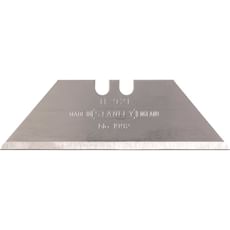
- Replacement Knife Blades: Various blade types including standard, hooked, serrated, rounded-tip, and specialist configurations for different materials and applications
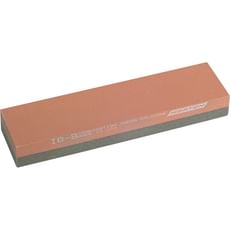
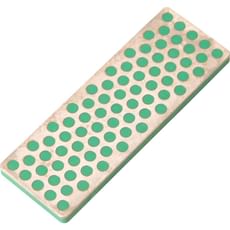
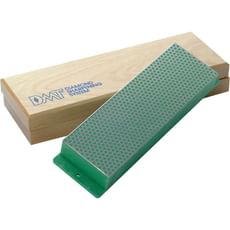
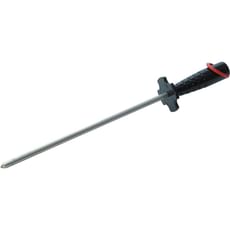
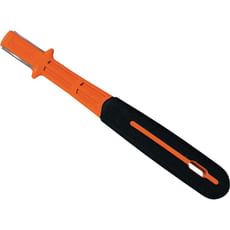
- Knife Sharpeners: Pocket sharpeners, sharpening stones, guided sharpening systems, and honing rods to maintain cutting edges on fixed-blade knives
- Blade Dispensers: Safe storage containers that hold multiple replacement blades and provide controlled single-blade dispensing, reducing injury risk
- Tool Holsters and Pouches: Secure carrying solutions that keep knives accessible yet safely stored when working at height or moving around site
- Cut-Resistant Gloves: Protective gloves providing cut protection when using sharp blades in demanding or repetitive cutting applications
- Blade Disposal Containers: Safe disposal units for used blades, ensuring compliance with workplace safety regulations and HSE guidelines
- Multi-Tool Accessories: Additional attachments, bits, and spare parts for Swiss Army knives and multi-function tools
- Knife Lanyards: Wrist straps and tool lanyards preventing dropped knives when working at height or in confined spaces
- Sharpening Oils and Stones: Maintenance products for keeping fixed-blade knives and pocket knives in optimal cutting condition
Safety Information
Knives are among the most common causes of workplace injuries in the UK, making proper safety practices essential for all users. Always cut away from your body and keep your free hand behind the blade's cutting path. Ensure blades are sharp—blunt blades require excessive force and are significantly more likely to slip, causing injuries. Replace damaged or worn blades immediately and never attempt to use a knife with a compromised blade or handle.
Use retractable blade mechanisms whenever you're not actively cutting, and never leave knives with exposed blades unattended on work surfaces where colleagues might accidentally contact them. When passing a knife to a colleague, retract or fold the blade first, or place it down for them to collect safely. Store knives properly in toolboxes, pouches, or sheaths rather than loose in pockets where they can cause injury during movement or when reaching for other items.
Employers must ensure knife users receive appropriate training under Health and Safety Executive (HSE) guidelines. This includes proper cutting techniques, blade changing procedures, safe disposal of used blades in designated sharps containers, and understanding the specific risks associated with different knife types. Consider cut-resistant gloves for tasks involving repetitive cutting or working with particularly sharp blades, especially when dealing with awkward materials or working in confined spaces.
Regularly inspect knives for damage including loose handles, worn locking mechanisms, bent blades, or compromised retraction systems. Damaged tools should be removed from service immediately and either repaired or replaced. When working at height, use knives with wrist lanyards or secure them in tool pouches to prevent dropped tools creating hazards for those below. Never use a knife as a screwdriver, chisel, or pry bar—using tools incorrectly causes blade breakage and potentially serious injuries.
Frequently Asked Questions
How often should I replace utility knife blades?
Replace blades as soon as you notice reduced cutting performance or need to apply excessive pressure to complete cuts. For snap-off blades, break off dulled segments when cutting becomes difficult—each segment should provide several hours of typical use. Professional tradespeople doing regular cutting work might change blades daily or even multiple times per day, whilst occasional users may get weeks of use from a single blade. Always prioritise sharp blades for both safety and efficiency, as forcing blunt blades significantly increases injury risk.
What's the difference between fixed-blade knives and retractable utility knives?
Fixed-blade knives offer superior strength and reliability for heavy-duty cutting tasks like carpet fitting, roofing work, or cutting tough materials where blade flex could be dangerous. Retractable utility knives provide better portability and safety for general tasks, making them ideal for electricians, decorators, and general builders who need a versatile cutting tool. Many tradespeople carry both types—a utility knife for everyday cutting and a fixed-blade specialist knife for their particular trade applications.
Can I sharpen disposable utility knife blades or should I replace them?
Disposable utility knife blades are designed for replacement rather than sharpening. The thin blade material and manufacturing process make them unsuitable for resharpening, and attempting to sharpen them rarely produces satisfactory results. Simply replace blades when performance decreases—replacement blades are inexpensive and readily available at Tooled-Up. For fixed-blade knives and pocket knives with thicker blades, proper sharpening using stones or guided systems is appropriate and extends blade life significantly.
Are there legal restrictions on carrying knives for work in the UK?
UK law permits carrying knives for legitimate work purposes, but folding knives must have blades under 3 inches (76mm) to carry without specific reason. Larger knives or fixed-blade knives must be securely stored in your work bag or toolbox, and you must have a legitimate reason for carrying them (travelling to or from work). Never carry knives loose in pockets on public transport. You should be able to demonstrate your trade or work purpose if questioned by authorities. When not travelling for work, store knives securely at home or in your vehicle.
How do I maintain folding knives and pocket knives properly?
Keep folding mechanisms clean by regularly removing accumulated dust, debris, and adhesive residue using a stiff brush and cloth. Apply a small amount of light machine oil to pivot points and moving parts to ensure smooth operation. For fixed blades, wipe them clean after use and apply a thin film of oil if storing for extended periods to prevent corrosion. Store knives in dry conditions and check locking mechanisms regularly to ensure they engage properly. Utility knives with replaceable blades require minimal maintenance beyond keeping blade channels clear and ensuring smooth blade advancement mechanisms.