

Sawhorses & Trestles
Pay in 3 interest-free payments on purchases from £30-2000 with  . Learn more.
 Loading...
End of content
Error - No more pages to load
About Sawhorses & Trestles
Sawhorses and trestles are essential support equipment for tradespeople and DIY enthusiasts who need stable, portable work platforms for cutting, assembling, painting, or supporting materials on site or in the workshop. These versatile pieces of equipment provide an elevated working surface that keeps materials off the ground, reduces back strain, and creates a safer, more efficient workspace. Whether you're a carpenter cutting timber to length, a decorator preparing doors for painting, or a builder supporting heavy sheet materials, the right sawhorse or trestle makes the job considerably easier.
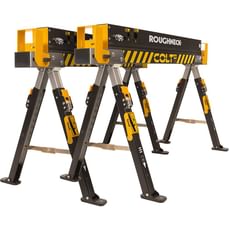
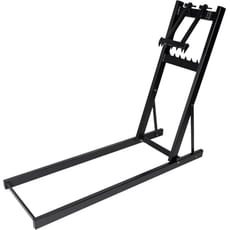
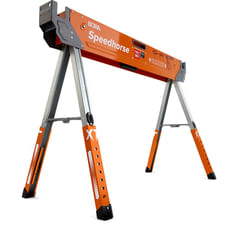
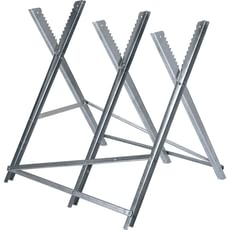
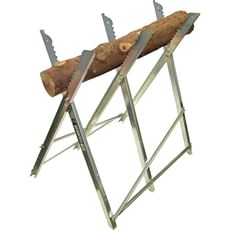
The selection at Tooled-Up.com includes both traditional log saw horses designed specifically for cutting firewood and logs, as well as general-purpose trestles suitable for a wide range of construction and workshop applications. Modern sawhorses have evolved significantly from simple wooden A-frames, with many now featuring folding designs for easy transport and storage, adjustable heights to suit different tasks, and integrated features like material stops, ruler markings, and tool trays. Materials range from traditional timber construction to lightweight aluminium and heavy-duty steel, each offering distinct advantages depending on the intended application.
Professional trestles typically come in pairs and can support considerable weight when used correctly, with load capacities ranging from around 150kg for lightweight folding models up to 450kg or more for heavy-duty industrial versions. Many designs incorporate non-slip rubber feet for stability on various surfaces, and some feature quick-release mechanisms for rapid height adjustment or folding. For specialist applications, log saw horses include features like angled supports and chainsaw-friendly designs that keep logs secure whilst allowing safe cutting positions.
Jargon Buster
- Load Capacity: The maximum weight a sawhorse or trestle can safely support, typically measured in kilograms. Always check this specification matches your intended use, particularly when supporting heavy sheet materials or when standing on the work surface.
- Working Height: The distance from the ground to the top support surface when the sawhorse is fully assembled. Adjustable models offer multiple working heights to suit different tasks and user preferences, reducing back strain during extended use.
- Folding Mechanism: A hinge and locking system that allows the sawhorse legs to fold flat for compact storage and transport. Quick-release mechanisms enable setup in seconds without tools, ideal for mobile tradespeople working across multiple sites.
- Top Beam: The horizontal support surface that sits across the top of the sawhorse frame where materials are placed. Some feature V-shaped or contoured profiles to securely hold cylindrical materials like pipes or logs.
- Splayed Legs: The angled leg design that provides stability by creating a wide base. The degree of splay affects both stability and the footprint of the unit when in use.
- Bar Clamps: Integrated or compatible clamping mechanisms that allow materials to be secured to the sawhorse, preventing movement during cutting or assembly operations.
Who Uses Sawhorses & Trestles?
- Carpenters and Joiners: For supporting timber during cutting, assembly work, and finishing operations both in workshops and on construction sites
- Painters and Decorators: Supporting doors, window frames, and other items during preparation, painting, and drying
- General Builders: Creating temporary work platforms, supporting sheet materials, and setting up cutting stations on site
- Groundworkers and Landscapers: Cutting timber for fencing, decking preparation, and supporting materials during outdoor projects
- Homeowners and DIY Enthusiasts: Weekend projects, home improvements, and general workshop tasks requiring stable work surfaces
- Firewood Processors: Safely supporting logs during cutting and splitting operations using chainsaws or log splitters
- Shop Fitters: Assembly work, supporting materials during cutting and modification, and temporary work surfaces
- Maintenance Teams: Portable work surfaces for on-site repairs, modifications, and installation work
How to Choose the Right Sawhorses & Trestles
Load Capacity Requirements: Assess the weight of materials you'll typically be supporting. Light-duty folding sawhorses suit general DIY use and materials up to around 150kg, whilst professional tradespeople regularly handling heavy sheet materials, solid doors, or standing on the work surface should opt for heavy-duty models rated to 300kg or more per pair.
Portability Versus Stability: Mobile tradespeople benefit from lightweight folding designs in aluminium that pack flat in the van, whilst workshop-based users might prioritise heavier, more stable fixed designs. Consider whether you need to carry equipment between floors or sites regularly, as this significantly impacts the practical weight limit.
Height Adjustment: Fixed-height models are simpler and often more robust, but adjustable designs offer greater versatility for different tasks and users. If you regularly switch between cutting operations (lower height preferred) and assembly work (higher position reduces back strain), adjustable trestles provide better ergonomics.
Material Construction: Steel frames offer maximum strength and durability for demanding professional use but add weight. Aluminium provides an excellent strength-to-weight ratio for mobile applications. Plastic and resin composite designs are lightweight and weather-resistant but typically have lower load capacities. Traditional timber sawhorses remain popular in permanent workshop settings.
Additional Features: Consider whether integrated features add genuine value for your applications. Built-in rulers and measurement markings assist with repetitive cutting tasks. Material stops and adjustable supports help with positioning work pieces. Tool trays keep essentials within reach. V-shaped top beams securely hold pipes and cylindrical materials. For log cutting, look for designs that accommodate chainsaws safely and keep logs stable during cutting.
Storage and Transport: Evaluate your available storage space and vehicle capacity. Folding models that collapse to under 100mm thickness are ideal for van storage, whilst stackable designs suit workshops with vertical storage space. Non-folding designs require dedicated storage but often provide greater rigidity.
Popular Accessories
- Trestle Bars and Beams: Extendable bars that span between sawhorses to create extended work platforms or scaffold boards for wider materials
- Work Platform Boards: Purpose-made boards designed to sit across trestles, creating temporary workbenches or elevated platforms
- Bar Clamps: Essential for securing materials to sawhorses during cutting operations, preventing dangerous movement
- Anti-Slip Mats: Rubber matting that sits on top of sawhorses to prevent materials sliding during work
- Sawhorse Brackets: Metal brackets that allow you to create custom sawhorses from standard dimensional timber
- Chainsaw Safety Equipment: For log sawhorse users, appropriate PPE including chainsaw gloves, safety boots, and protective trousers
- Measuring and Marking Tools: Tape measures, combination squares, and marking gauges for accurate material preparation
- Cutting Tools: Hand saws, circular saws, and jigsaws appropriate for the materials being worked
Safety Information
Load Limits: Never exceed the manufacturer's stated load capacity. Remember that capacity ratings typically apply to evenly distributed loads across the full length of the sawhorse, not concentrated point loads. When using sawhorses in pairs with boards or beams across them, calculate the combined weight of materials and any person standing on the platform.
Stable Setup: Always position sawhorses on firm, level ground. Uneven surfaces reduce stability and load capacity significantly. Ensure all folding mechanisms are fully locked before loading any weight onto the equipment. Check that rubber feet are clean and making full contact with the ground surface.
Regular Inspection: Before each use, inspect sawhorses for damage, wear, or loose components. Check folding mechanisms, locking pins, and structural joints for integrity. Replace damaged equipment immediately – compromised sawhorses can collapse unexpectedly under load, causing serious injury.
Working at Height: When standing on boards supported by sawhorses, ensure the platform is stable and wide enough for safe footing. Follow HSE guidance on working at height, and consider whether proper scaffold towers or work platforms would be more appropriate for extended elevated work.
Chainsaw Operations: When using log sawhorses with chainsaws, wear appropriate PPE including chainsaw-rated protective trousers, safety boots, gloves, and eye protection. Ensure logs are stable before cutting and be aware of chainsaw kickback risks. Never position yourself in line with the cutting path.
Frequently Asked Questions
What's the difference between a sawhorse and a trestle?
Whilst the terms are often used interchangeably, sawhorses traditionally refer to lower, A-frame supports designed primarily for cutting operations, whilst trestles typically describe taller, more substantial supports used for creating work platforms or scaffold systems. In practice, many modern designs serve both purposes effectively, and Tooled-Up stocks options suitable for various applications.
How far apart should I position sawhorses when supporting sheet materials?
For 8x4ft (2440x1220mm) sheet materials like plywood or MDF, position sawhorses approximately 1200-1500mm apart to prevent sagging in the centre whilst providing adequate support near the edges. For heavier materials or when cutting, reduce spacing to around 900-1200mm for better support and reduced vibration.
Can sawhorses be used as temporary scaffold towers?
Whilst sawhorses can support scaffold boards to create low-level work platforms, they are not a substitute for proper scaffold towers for elevated work. For any work above approximately 1.5 metres or requiring extended periods at height, proper scaffold equipment or tower systems are essential for compliance with HSE regulations and personal safety.
Are folding sawhorses as strong as fixed designs?
Quality folding sawhorses with robust locking mechanisms can match fixed designs for load capacity and stability when properly set up. However, the folding mechanism introduces additional points of potential wear and failure, so regular inspection is essential. Professional-grade folding models from reputable manufacturers offer excellent performance for demanding trade use.
What's the ideal working height for sawhorses?
For cutting operations, a height of around 600-750mm suits most users, allowing downward force without excessive bending. For assembly or finishing work, heights of 800-900mm reduce back strain. Adjustable sawhorses offer the flexibility to optimise height for different tasks and user preferences, improving both comfort and precision during extended use.