
Scrapers

Pay in 3 interest-free payments on purchases from £20-£3000 with  . Learn more.
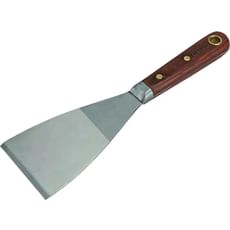
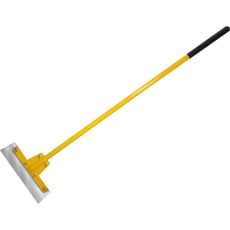
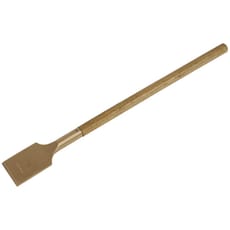
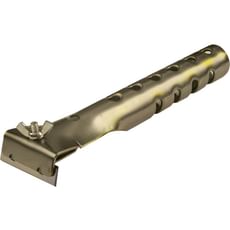
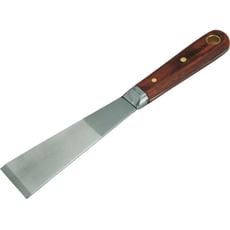
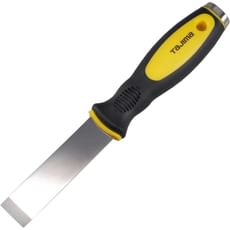
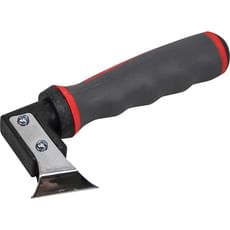
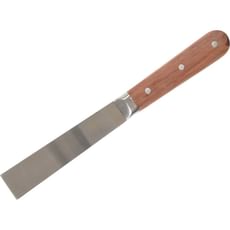
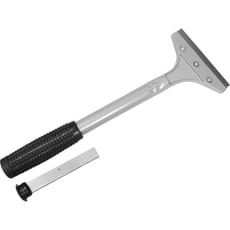
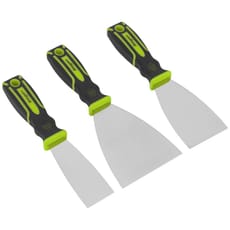
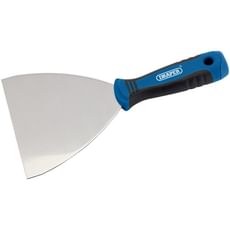
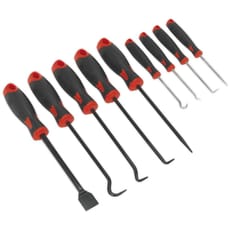
Loading...
End of content
Error - No more pages to load
About Scrapers
Scrapers are essential hand tools designed to remove unwanted materials from surfaces, including paint, adhesive, varnish, rust, wallpaper, and floor coverings. Available in a wide variety of styles and configurations, scrapers feature sharp blades mounted in comfortable handles to provide effective material removal whilst minimising surface damage. From compact pocket scrapers for detail work to heavy-duty floor scrapers for large-scale renovation projects, these versatile tools are indispensable for preparation, restoration, and finishing tasks across construction, decorating, and maintenance applications.
Modern scrapers incorporate ergonomic handle designs, replaceable blade systems, and advanced blade materials such as tungsten carbide and hardened steel. Cabinet scrapers offer fine control for woodworking applications, whilst heavy-duty roofing scrapers tackle demanding outdoor tasks. Many professional-grade models feature soft-grip handles developed through ergonomic research processes, allowing comfortable two-handed operation during extended use. Tooled-Up.com stocks scrapers from trusted brands including Bahco, Faithfull, Stanley, Draper, and Sealey, ensuring tradespeople and DIY enthusiasts can find the right tool for any scraping challenge.
Whether removing old paint from window frames, stripping wallpaper during refurbishment, cleaning adhesive residue from flooring, or preparing surfaces for redecorating, the correct scraper makes these tasks faster, safer, and more effective. Quality scrapers deliver clean removal without gouging substrates, reducing preparation time and improving finished results across painting, decorating, flooring, and general maintenance work.
Jargon Buster
- Tungsten Carbide Blade: Extremely hard blade material that maintains its sharp edge significantly longer than standard steel, ideal for removing stubborn materials like dried paint, adhesive, and rust without frequent sharpening or replacement.
- Cabinet Scraper: A thin, rectangular piece of hardened steel used primarily in woodworking to produce fine shavings and achieve smooth finishes on timber surfaces. The blade is "turned" to create a burr edge that cuts rather than scrapes.
- Pull Scraper: A scraper designed to remove material when pulled towards the user rather than pushed away, offering greater control and leverage for certain applications, particularly useful for removing flooring adhesive and levelling compounds.
- Two-Component Handle: An ergonomic handle design featuring a combination of hard and soft materials—typically a rigid core with soft-grip rubber overmould—providing comfort during extended use whilst maintaining structural strength.
- Hook Scraper: A scraper with a hooked or angled blade profile, particularly effective for removing materials from corners, recesses, and irregular surfaces where standard flat scrapers cannot reach effectively.
- Stripping Knife: A wide-bladed scraper specifically designed for removing wallpaper, paint, and other decorative coverings from flat surfaces, typically featuring flexible blades that conform to surface contours without causing damage.
Who Uses Scrapers?
- Painters and Decorators: Removing old paint, wallpaper, and preparing surfaces for redecoration
- Floor Fitters: Stripping old adhesive, removing vinyl flooring, and preparing subfloors
- Carpenters and Joiners: Smoothing timber, removing excess adhesive, and fine finishing work
- Plasterers: Cleaning tools, removing splashes, and preparing surfaces
- Roofers: Removing old roofing felt, cleaning substrates, and general site preparation
- Maintenance Personnel: General cleaning, removing stickers and labels, and facility upkeep
- Vehicle Restorers: Removing paint, rust, and body filler during restoration projects
- Shop Fitters: Removing old fixtures, cleaning surfaces, and preparing retail spaces
- DIY Enthusiasts: Home renovation, decorating projects, and general property maintenance
- Window Fitters: Removing old putty, paint, and preparing frames for new installations
How to Choose the Right Scrapers
Blade Material: Standard high-carbon steel blades suit general scraping tasks and can be resharpened, whilst tungsten carbide blades maintain sharpness considerably longer when tackling abrasive materials. Consider the hardness of materials you'll be removing—carbide blades excel with dried paint, adhesives, and rust, justifying their higher initial cost through extended service life.
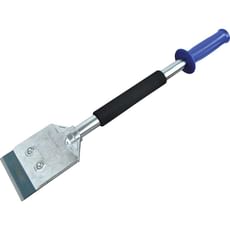
Handle Design and Length: Ergonomic soft-grip handles reduce hand fatigue during prolonged use, whilst two-component designs provide comfort without compromising strength. Short handles offer precision for detail work, medium handles suit general applications, and long-handled floor scrapers provide leverage for large-scale tasks whilst reducing back strain by allowing upright working posture.
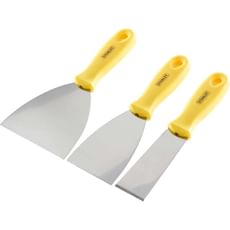
Blade Width and Profile: Narrow blades (25-40mm) excel at detailed work and tight spaces, medium widths (50-75mm) suit general applications, whilst wide stripping knives (100mm+) cover large flat surfaces efficiently. Consider blade flexibility—stiff blades for heavy removal, flexible blades for following contours without surface damage. The scraper selection at Tooled-Up includes options from compact pocket scrapers to heavy-duty floor models.
Replaceable vs Fixed Blades: Scrapers with replaceable blade systems offer long-term economy and convenience, eliminating sharpening requirements. Check blade availability and compatibility before purchase. Fixed-blade cabinet scrapers require periodic sharpening but provide superior control for fine woodworking applications.
Specialist vs Multi-Purpose: General-purpose scrapers handle most common tasks effectively, but specialist tools like heavy-duty roofing scrapers, angled corner scrapers, or delicate cabinet scrapers deliver superior results in their specific applications. Professional tradespeople typically maintain several scraper types for different situations.
Popular Accessories
- Replacement Blades: Spare straight, hooked, and carbide blades to maintain tool performance without downtime
- Sharpening Stones and Files: For maintaining fixed-blade scrapers and cabinet scrapers
- Blade Storage Systems: Safe storage solutions preventing blade damage and workplace injuries
- Chemical Paint Strippers: Soften stubborn coatings before mechanical removal, reducing effort and surface damage
- Filling Knives: Complementary tools for applying filler after surface preparation
- Wire Brushes: For removing loosened material and final surface cleaning
- Heat Guns: Soften paint and adhesives to facilitate easier scraping, particularly effective on multiple paint layers
- Work Gloves: Protect hands during extended scraping tasks
- Dust Sheets and Containment: Protect surrounding areas from debris during scraping operations
- Vacuum Attachments: Collect dust and debris during scraping for cleaner, healthier working environments
Safety Information
Scraper blades are extremely sharp and can cause serious lacerations if handled carelessly. Always retract or cover blades when not in use, and never carry scrapers in pockets without proper blade guards. When changing blades, hold the tool securely and keep fingers away from the cutting edge. Dispose of worn blades safely in appropriate sharps containers—never loose in general waste.
Wear appropriate personal protective equipment including safety glasses to protect against flying debris, particularly when removing paint or working overhead. Heavy-duty gloves provide hand protection, though some precision tasks require bare hands for adequate control—exercise extra caution in these situations. When scraping materials that may contain hazardous substances (lead paint, asbestos-containing materials), follow HSE guidelines including appropriate respiratory protection and containment procedures.
Maintain stable footing and comfortable posture during scraping operations. Long-handled floor scrapers reduce back strain compared to kneeling positions, whilst proper technique prevents repetitive strain injuries. Apply controlled, steady pressure rather than excessive force—if material won't shift, consider heat application or chemical strippers rather than risking blade breakage or tool slippage. Keep work areas well-ventilated when using chemical strippers in conjunction with mechanical scraping.
Frequently Asked Questions
What's the difference between tungsten carbide and standard steel scraper blades?
Tungsten carbide blades are significantly harder than standard steel, maintaining their sharp edge up to ten times longer when removing abrasive materials like dried paint, adhesive, and rust. Whilst carbide blades cost more initially, they require less frequent replacement and deliver consistent performance throughout their service life. Standard steel blades suit lighter-duty applications, can be resharpened, and offer adequate performance for softer materials at lower cost.
How do I sharpen a cabinet scraper properly?
Cabinet scrapers require a two-stage process: first, file or stone the edges perfectly square and flat to remove the old burr; second, use a burnisher (hardened steel rod) drawn firmly along the edge at a slight angle to "turn" a new burr. This burr acts as the cutting edge. The process requires practice but properly sharpened cabinet scrapers produce gossamer-thin shavings and glass-smooth finishes on timber.
Can scrapers damage the surface I'm working on?
Used correctly with appropriate blade angles and controlled pressure, quality scrapers remove unwanted material without damaging underlying surfaces. However, excessive force, incorrect blade angles, or damaged blades can gouge substrates. For delicate surfaces, use flexible blades at shallow angles with light pressure. Test technique in inconspicuous areas first, and consider chemical softening for particularly stubborn materials rather than aggressive mechanical removal.
What blade width should I choose for general decorating work?
A 50-75mm blade width offers the best balance for general painting and decorating applications, providing adequate coverage for efficiency whilst maintaining control in moderately confined spaces. Many professionals at Tooled-Up choose 50mm models as versatile all-rounders, supplemented by narrower scrapers for detailed work around architraves and window frames, plus wider stripping knives for large flat wall areas.
How often should I replace scraper blades?
Replace blades when they no longer remove material cleanly, requiring excessive pressure or leaving ragged edges. Standard steel blades may need replacement after several hours of intensive use, whilst tungsten carbide blades can last through multiple projects. Attempting to continue with dull blades increases effort, reduces control, and raises the risk of surface damage or tool slippage. Keep spare blades readily available to maintain productivity and safety.